
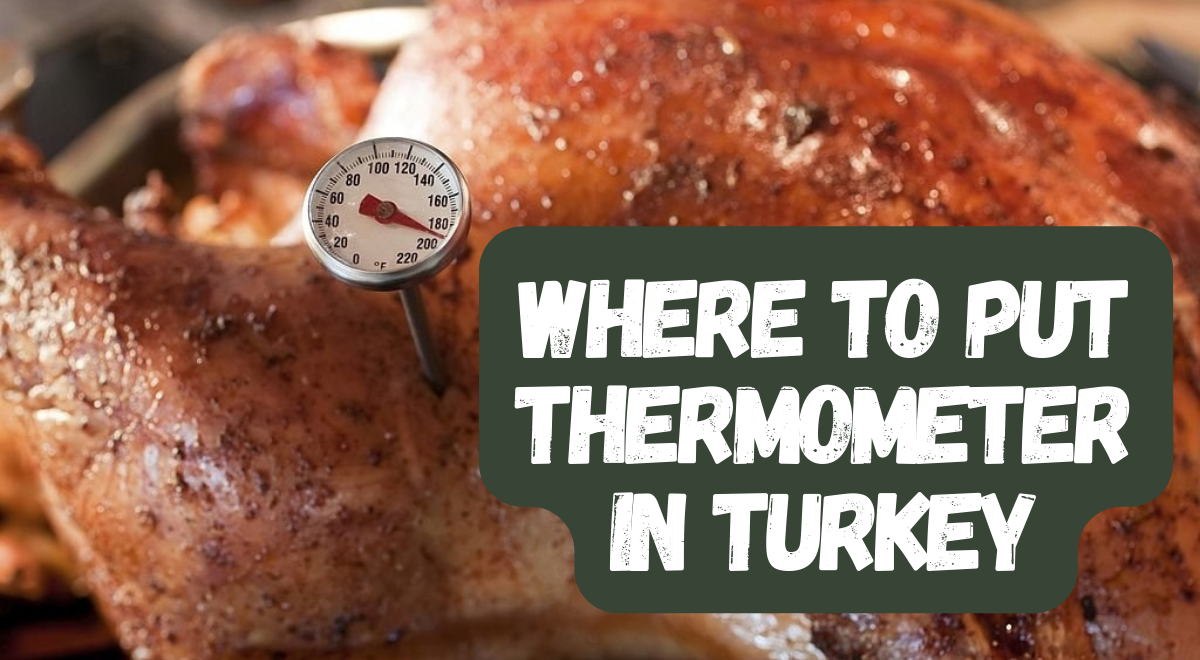
Cooking a turkey to perfection can be tricky, and the key to juicy, safe meat lies in checking its temperature correctly. But where exactly should you insert the thermometer in your turkey to get the most accurate reading?
If you’ve ever second-guessed your turkey’s doneness or worried about undercooking, this simple step can make all the difference. Keep reading to discover the exact spot to insert your thermometer and ensure your turkey turns out tender, flavorful, and perfectly cooked every time.
Credit: blog.thermoworks.com
Choosing The Right Thermometer
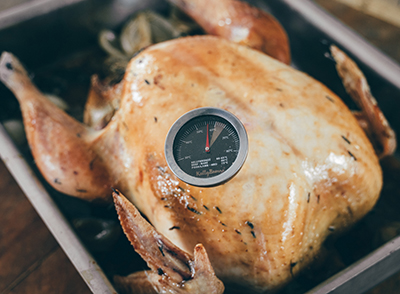
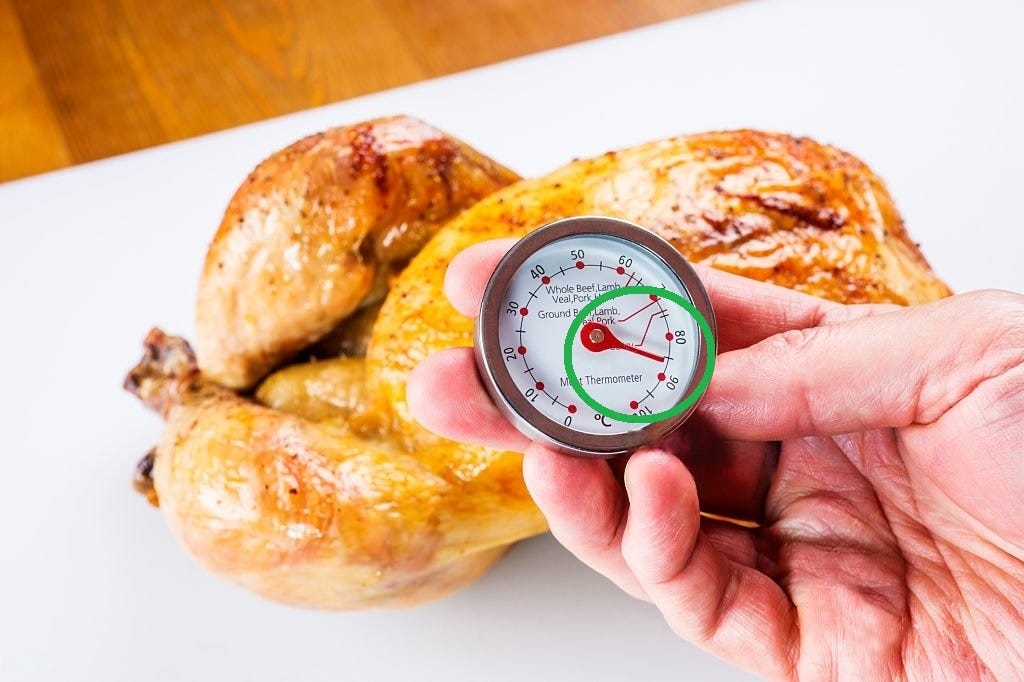
There are two main types of meat thermometers: digitaland analog. Digital thermometers give a fast and clearreading on a screen. They are easy to use and often more accurate. Analog thermometers have a needle that moves on a dial. They do not need batteries but take longer to show the temperature.
Digital thermometers can have features like alarms or timers. Analog types are usually simpler and cheaper. Both types help you cook turkey safely by showing the internal temperature. Choosing one depends on your needs and budget.
Ideal Temperature For Juicy Turkey
Turkey must reach the right temperatureto be safe and juicy. The best way to check is with a thermometer.
Safe cooking temperatures:
- The thickest part of the breastshould reach 165°F (74°C).
- The innermost part of the thighmust also hit 165°F (74°C).
- Check the thigh, breast, and stuffing(if stuffed) to be sure.
Resting temperature is key.After cooking, let the turkey rest for 20 minutes. This lets the juices spread evenly. The temperature will rise a few degrees during this time.
Best Spot To Insert Thermometer
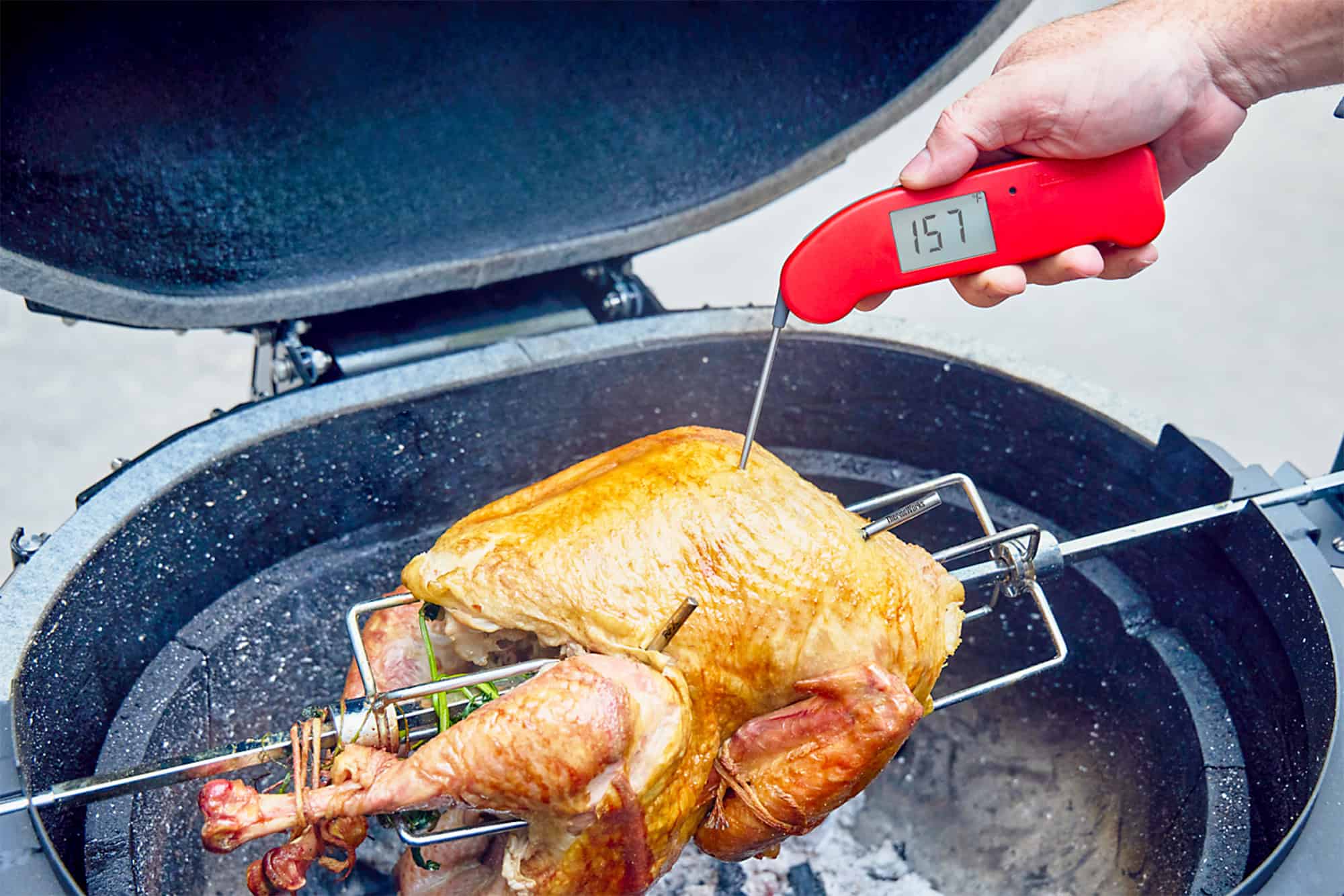
The best spot to insert a thermometer in a turkey is the thickest part of the thigh. This area gives the most accurate reading of the bird’s internal temperature. Make sure to avoid touching any bones, as bones heat up faster and can give a false high reading.
Insert the thermometer deep into the meat, staying clear of the bone. The thermometer should be in the muscle, not in the cavity or fat. This helps you check if the turkey is cooked safely.
It is also useful to check the breast temperature. The breast cooks faster than the thigh, so it can help avoid overcooking. Insert the thermometer into the thickest part of the breast, again avoiding bones.
- Insert into the thick part of the thigh, avoid bones
- Check the breast temperature for even cooking
- Make sure the thermometer is in the meat, not the cavity
Credit: www.kellybronze.co.uk
Common Mistakes When Measuring
Inserting the thermometer too shallowcan give a false low reading. The probe must go deep enough into the thickest part of the turkey’s thigh or breast. Shallow insertiononly measures the surface, not the inside temperature.
Touching the bonewill cause the thermometer to show a higher temperature than the meat actually has. The bone heats faster. Always place the probe in the meat, away from bones.
Checking too earlygives an inaccurate reading. The turkey needs time to cook fully. Wait until the recommended cooking time is near before testing. This helps avoid opening the oven too often and losing heat.
Tips For Accurate Temperature Readings
For accurate temperature readings, place the thermometer in the thickest part of the turkey. This is usually the breast or thigh. Avoid touching bones or the cavity, as these can give false readings. Insert the thermometer deep enough to reach the center of the meat.
Calibrate your thermometer before use to ensure it shows the right temperature. Use ice water for 32°F (0°C) and boiling water for 212°F (100°C). Adjust the thermometer if needed according to the manufacturer’s instructions.
Taking multiple readings helps confirm the turkey is cooked evenly. Check the temperature in the breast, thigh, and thickest parts. This ensures the whole bird is safe to eat and perfectly cooked.
Alternative Methods To Ensure Juiciness
A pop-up timeris a simple tool used in many turkeys. It pops up when the bird reaches the right temperature. This helps avoid overcooking or undercooking. But it may not always be precise. Checking the turkey’s temperature with a thermometer is better for accuracy.
Visual and texture cues are also helpful. The skin should be golden brownand crisp. The juices running from the turkey should be clear, not pink. The meat should feel firm but not hard. These signs help tell if the turkey is cooked well and juicy.
Credit: medium.com
Frequently Asked Questions
Where Is The Best Spot To Insert A Thermometer In Turkey?
Insert the thermometer into the thickest part of the turkey’s thigh, avoiding bone. This spot gives the most accurate internal temperature reading for doneness.
Can I Check Turkey Temperature In The Breast Instead?
Yes, but the thigh gives a more reliable temperature. The breast cooks faster, so the thigh ensures the turkey is fully cooked.
How Deep Should I Insert The Thermometer In Turkey?
Insert the thermometer probe about 2 inches deep into the thickest part of the thigh. Avoid touching bones for an accurate reading.
When Should I Start Checking Turkey Temperature?
Begin checking the turkey’s temperature about 30 minutes before the estimated cooking time ends. This prevents overcooking and ensures perfect doneness.
Conclusion
Finding the right spot for the thermometer is crucial. Place it in the thickest part of the turkey. This ensures accurate temperature readings. Avoid bones for best results. Proper placement guarantees a perfectly cooked bird. Undercooked turkey can be unsafe.
Overcooked turkey can be dry. Aim for a juicy, safe feast. Use these tips for a stress-free cooking experience. Enjoy your delicious turkey with confidence. Happy cooking!
