
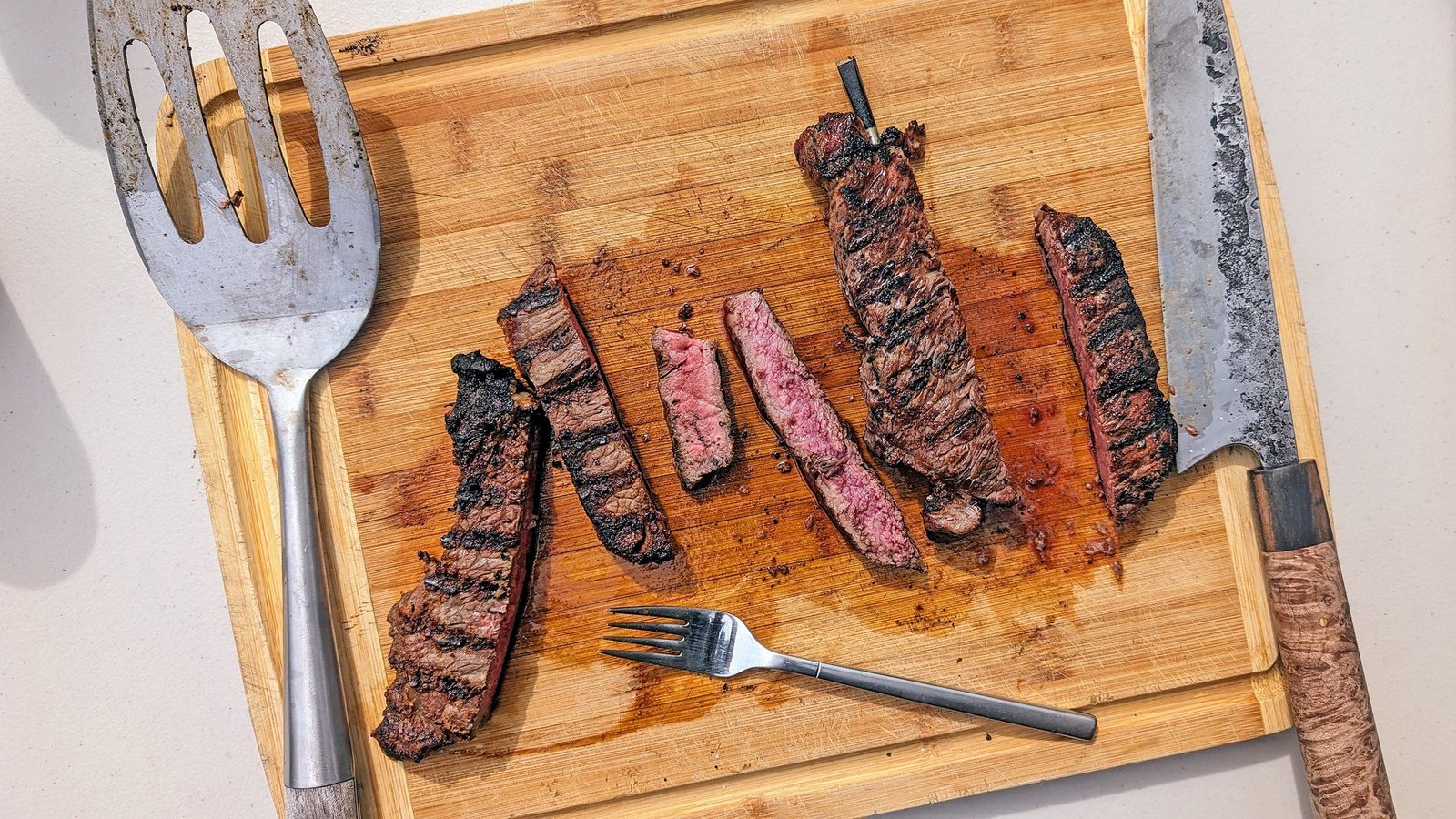
Have you ever stood by your grill, tongs in hand, wondering what temperature will give you that perfect steak? You’re not alone.
Cooking steak on the grill can feel like a culinary art form, with the right temperature being the secret ingredient. If you’ve ever found yourself unsure about how hot your grill should be or what internal temperature signals that your steak is ready, you’re in the right place.
Mastering this skill means the difference between a juicy, flavorful masterpiece and a disappointing meal. By the end of this article, you’ll have all the insights you need to grill your steak to perfection every time. Dive in, and let’s turn your grilling skills up a notch!
Choosing The Right Grill Temperature
Choosing the right grill temperature makes a big difference in cooking steak. It controls how the steak cooks inside and how the outside looks and tastes. Different temperatures create different results. Knowing when to use high, medium, or low heat helps you cook steak just right.
High Heat For Searing
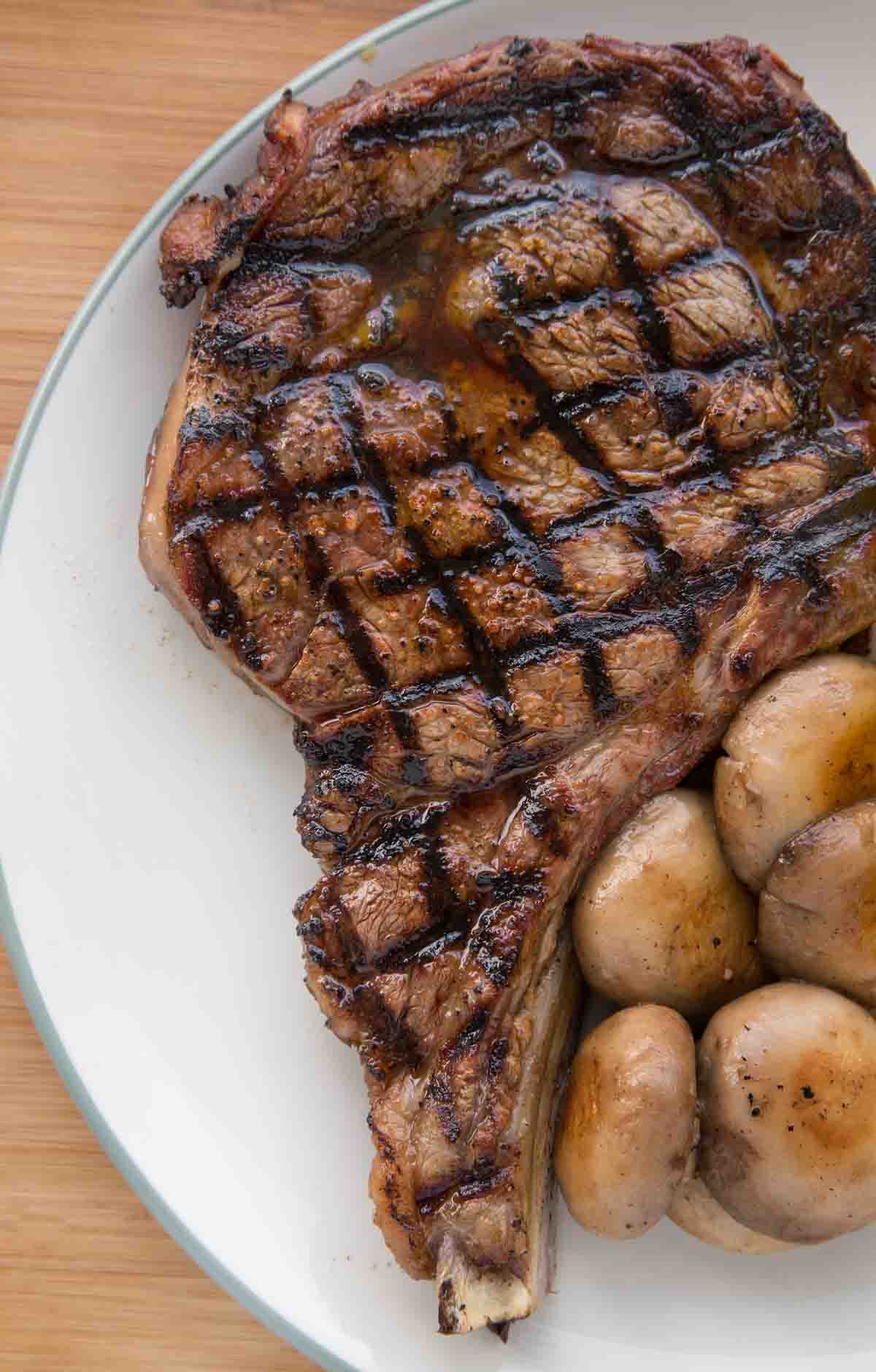
High heat is best for searing steak. It creates a brown, crispy crust that locks in juices. Heat the grill to around 450-500°F (232-260°C) for this. Sear each side for 2-3 minutes. This quick, hot cooking adds flavor and texture.
Medium Heat For Cooking Through
Medium heat cooks the steak evenly inside. Set the grill to 350-400°F (177-204°C). Use this temperature after searing. It helps the steak reach the desired doneness without burning. Cook steaks for longer at this heat for tender results.
Low Heat For Gentle Cooking
Low heat works well for thick or tough cuts. Keep the grill at 250-300°F (121-149°C). This temperature cooks steak slowly and gently. It makes meat tender and juicy. Use low heat for slow roasting or finishing the steak.
Credit: www.askchefdennis.com
Ideal Internal Temperatures For Steak Doneness
Getting the internal temperature right is key to cooking the perfect steak on your grill. Knowing the exact temperature for each level of doneness helps you avoid overcooking or undercooking your steak. Let’s break down the ideal internal temperatures so you can grill with confidence and get the results you want every time.
Rare Steak Temperature
A rare steak is warm but mostly red inside, with a soft texture. The ideal internal temperature for rare is between 120°F and 130°F (49°C to 54°C). At this temperature, the steak is juicy and tender, perfect if you enjoy a cool, almost raw center.
Try using a quick sear on high heat, then remove your steak once it hits this range. Have you noticed how a rare steak feels almost buttery in your mouth? That’s the magic of hitting the right temp.
Medium-rare Steak Temperature
Medium-rare is the sweet spot for many steak lovers. The internal temperature should reach 130°F to 135°F (54°C to 57°C). This doneness offers a warm red center with a slightly firmer texture than rare.
When grilling, aim for a nice crust outside while keeping the inside juicy and tender. Does your steak sizzle just right when you hit this temperature? That’s a sign you’re on track.
Medium Steak Temperature
Medium steaks have a pink center and are firmer yet still juicy. The target internal temperature is 135°F to 145°F (57°C to 63°C). This level suits those who want less red but still some tenderness.
Keep an eye on the grill and use a reliable meat thermometer to avoid overshooting this range. Have you tried cutting into a medium steak only to find it perfectly pink? That’s the reward of precise temperature control.
Medium-well And Well-done Temperatures
For medium-well, cook the steak until it reaches 145°F to 155°F (63°C to 68°C). Well-done steaks go beyond 155°F (68°C), fully cooked through with little to no pink.
These temperatures create a firmer, less juicy steak. If you prefer your steak fully cooked, watch closely to avoid drying it out. How do you keep your steak juicy at these higher temps? Resting the steak after grilling is a simple trick that works wonders.
Preparing Steak Before Grilling
Preparing your steak properly before it hits the grill can make all the difference between a so-so meal and a memorable one. Each step you take beforehand impacts the final taste, texture, and juiciness of your steak. Let’s break down what you need to focus on to set yourself up for grilling success.
Selecting The Cut
Choosing the right cut of steak is your first move. Cuts like ribeye, sirloin, and filet mignon each bring unique flavors and tenderness to the table. Think about how you like your steak: do you prefer more marbling and fat for flavor, or leaner cuts for a firmer bite?
Keep in mind that thicker cuts handle high heat better and stay juicy longer. If you want a steak that cooks evenly on the grill, aim for at least 1 to 1.5 inches thick.
Seasoning Tips
Seasoning your steak well is key to unlocking its full flavor. Simple salt and pepper often do the trick, but adding garlic powder, smoked paprika, or fresh herbs can elevate the taste. Sprinkle the seasoning generously on both sides so every bite is flavorful.
Salt not only seasons but also helps form a delicious crust when grilled. Applying salt at least 40 minutes before cooking or right before grilling can change the texture and taste significantly. Have you experimented with seasoning your steak hours ahead of grilling?
Bringing Steak To Room Temperature
Taking your steak out of the fridge about 30 minutes before grilling lets it come to room temperature. This step helps the steak cook more evenly from edge to center. Cold steak straight from the fridge often results in uneven cooking, where the outside cooks faster than the inside.
Have you noticed that steaks cooked from room temperature tend to have a better crust and juicier interior? This simple trick can improve your grilling results without any extra effort.
Techniques For Perfect Searing
Searing steak perfectly on the grill transforms your meal from ordinary to exceptional. It creates a rich, flavorful crust while locking in the juices. Mastering this technique means paying attention to heat, timing, and grill setup.
Preheating The Grill
Make sure your grill is hot before placing the steak on it. A properly preheated grill reaches temperatures of 450°F to 500°F, essential for a good sear. This high heat instantly caramelizes the steak’s surface, creating that mouthwatering crust.
Try holding your hand about 5 inches above the grill grate. If you can only keep it there for 2 seconds, your grill is ready. This simple test helps you avoid placing steak on a grill that’s too cool, which leads to a lackluster sear.
Using Direct And Indirect Heat
Searing requires direct heat—grilling the steak right over the flames. This intense heat is what forms the crust. But after searing, move the steak to indirect heat to cook it through without burning.
This two-zone setup on your grill gives you control. Start by placing the steak on the hot zone for 2-3 minutes per side. Then transfer it to the cooler side to finish cooking at a gentler pace.
Timing The Sear
Timing is everything when searing steak. Too short, and you miss the crust; too long, and the steak can burn or dry out. Pay close attention to the steak’s thickness and desired doneness to decide your searing time.
A general rule: 2-3 minutes per side for a 1-inch steak. Use a timer or watch the grill closely. You’ll notice when the steak easily releases from the grill—that’s your cue to flip.
Have you ever flipped your steak too early and ended up with a ragged crust? Waiting for it to release naturally will save you from that frustration and improve your searing every time.
Common Mistakes To Avoid
Grilling steak perfectly takes more than just setting the right temperature. Many make simple mistakes that affect flavor and texture. Avoiding these common errors helps achieve a juicy, tender steak every time.
Overcrowding The Grill
Putting too many steaks on the grill blocks heat and reduces airflow. This causes uneven cooking and longer cook times. Leave space between steaks so heat circulates well. It helps each steak cook evenly and develop a nice crust.
Flipping Too Often
Flipping the steak too much stops it from forming a good sear. The surface needs time to brown and lock in juices. Turn the steak only once or twice during cooking. This keeps the meat tender and full of flavor.
Not Letting Steak Rest
Cutting into steak right off the grill lets juices run out. Resting the steak for 5 to 10 minutes keeps it juicy. This step lets the juices spread evenly inside the meat. Always rest steak before slicing for the best taste.
Tools To Measure Temperature Accurately
Knowing the exact temperature of your steak is key to grilling it perfectly. Using the right tools to measure temperature helps avoid undercooking or overcooking. These tools give quick and accurate readings. They make grilling easier and more precise.
Instant-read Thermometers
Instant-read thermometers give fast internal temperature readings. You insert the probe into the thickest part of the steak. Wait a few seconds for the temperature to show on the display. These thermometers are portable and easy to use. They help check doneness without guessing.
Grill Surface Thermometers
Grill surface thermometers measure the heat on the grill grates. Place them on the cooking area before putting the steak down. These thermometers help monitor and control the grill temperature. Maintaining the right grill heat ensures even cooking.
Using Infrared Thermometers
Infrared thermometers read surface temperature without contact. Point the device at the steak or grill surface to get a quick reading. They are useful for checking hot spots on the grill. Infrared thermometers help manage cooking zones efficiently.
Adjusting For Different Grill Types
Grilling the perfect steak means understanding how your grill type affects cooking temperature and time. Each grill heats differently, so adjusting your approach is key to getting that ideal sear and doneness. Knowing these differences helps you avoid guesswork and delivers consistently delicious results.
Gas Grills
Gas grills offer precise temperature control, making it easier to set and maintain the ideal heat for your steak. You can quickly adjust the burners to create direct and indirect heat zones, perfect for searing and finishing your steak slowly.
Try setting your gas grill to around 450°F for searing. Then, move the steak to a cooler side (around 350°F) to cook through without burning. This method lets you control the process without constantly opening the lid and losing heat.
Charcoal Grills
Charcoal grills require more attention because heat levels fluctuate based on the amount and placement of coals. You’ll need to arrange your coals to create a hot zone for searing and a cooler zone for finishing your steak.
Use a two-zone setup by piling coals on one side and leaving the other side empty. Aim for searing temperatures of 500°F or higher over the coals, then transfer your steak to the cooler side to reach your desired doneness.
Electric Grills
Electric grills heat more evenly but usually don’t reach the high temperatures of gas or charcoal grills. This means you might need longer cooking times or finishing your steak under a broiler for a better crust.
Set your electric grill to its highest setting, typically around 400°F. Use a cast-iron skillet or grill press on top to help improve searing. Have you noticed how adding a little extra heat source changes the texture of your steak?

Credit: www.napoleon.com
Credit: www.101cookingfortwo.com
Frequently Asked Questions
What Is The Ideal Grill Temperature For Cooking Steak?
The ideal grill temperature for steak is between 450°F and 500°F. This high heat sears the steak, locking in juices and flavor.
How Long Should I Cook Steak On The Grill?
Cook steak for 4-5 minutes per side for medium-rare at high heat. Adjust time based on thickness and desired doneness.
Can I Grill Steak At Low Temperatures?
Grilling steak at low temperatures is possible but not recommended. Low heat cooks slowly and won’t create a proper sear or crust.
How Do I Check Steak Doneness On The Grill?
Use a meat thermometer to check doneness. Medium-rare is 130-135°F, medium is 140-145°F, and well-done is 160°F or higher.
Conclusion
Grilling steak needs the right temperature to get perfect results. Cook it too hot, and it burns outside while staying raw inside. Too low, and the steak turns dry and tough. Aim for medium-high heat for most cuts. Use a meat thermometer to check doneness.
Rest the steak after grilling to keep juices inside. With practice, you will find the best temp for your taste. Enjoy juicy, flavorful steak every time you grill. Simple steps lead to great meals.
