
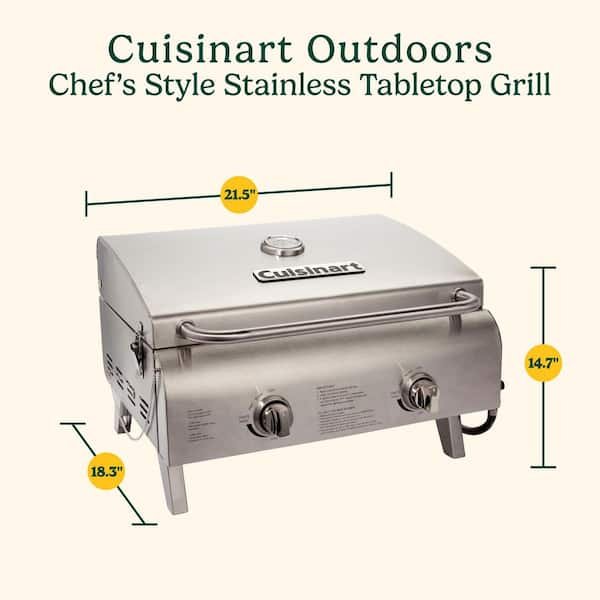
Choosing the right propane tank for your portable tabletop gas grill can make all the difference in your outdoor cooking experience. You want enough fuel to keep the grill going without lugging around a heavy, bulky tank.
But how do you know what size fits your needs best? Whether you’re planning a quick weekend cookout or a longer camping trip, this guide will help you find the perfect propane tank size. Keep reading to discover how to match your grill with the ideal tank, so you can enjoy hassle-free grilling every time.
Choosing The Right Propane Tank
Choosing the right propane tank for your portable tabletop gas grill is essential for safe and efficient cooking. The tank size affects how long you can grill without refilling and how easy it is to carry the tank. Understanding key factors and common sizes helps you pick the best option for your needs.
Factors To Consider
- Grill Size: Larger grills need bigger tanks to run longer.
- Usage Frequency: Grill often? Choose a bigger tank to avoid frequent refills.
- Portability: Smaller tanks are lighter and easier to carry.
- Storage Space: Check where you will keep the tank when not in use.
- Safety: Always use tanks approved for portable grills.
Common Tank Sizes
| Tank Size | Capacity (lbs) | Typical Use |
|---|---|---|
| 1 lb Cylinder | 1 | Short grilling sessions, very portable |
| 5 lb Tank | 5 | Moderate use, easy to carry |
| 10 lb Tank | 10 | Longer cooking, less frequent refills |
Benefits Of Using Portable Propane Tanks
Portable propane tanks offer many benefits for tabletop gas grills. They provide a reliable fuel source that is easy to manage. These tanks are designed to be lightweight and simple to carry. Users enjoy a flexible grilling experience without heavy equipment. Portable tanks suit outdoor adventures and small spaces alike. Their usability makes them a popular choice for casual and frequent grillers.
Convenience And Portability
Portable propane tanks are small and easy to move. Their compact size fits well with tabletop grills. You can take them to picnics, camping, or tailgating. No need for large, bulky propane cylinders. These tanks connect quickly to grills and detach just as fast. This makes setup and storage hassle-free. You can store extra tanks without much space.
Cost-effectiveness
Portable propane tanks cost less upfront than large tanks. They use propane efficiently, reducing waste. Smaller tanks allow buying fuel in needed amounts. No paying for more propane than necessary. Refilling portable tanks often costs less than replacing big cylinders. This saves money over time. The tanks also last long with proper care, lowering replacement expenses.
Types Of Propane Tanks
Choosing the right propane tank for your portable tabletop gas grill can make a big difference in your grilling experience. Understanding the types of propane tanks available helps you pick one that fits your cooking needs and lifestyle. Let’s look at the two main types you’ll encounter: disposable and refillable cylinders.
Disposable Cylinders
Disposable cylinders are small, lightweight, and convenient. They usually hold about 1 pound of propane, making them perfect for quick cookouts or camping trips. You simply attach the cylinder, use it until empty, and then toss it away or recycle it where allowed.
These tanks are easy to carry and don’t require refilling, which can be a big plus if you’re on the move. However, they tend to cost more over time since you keep replacing them. Have you ever found yourself running out of fuel mid-grill with these? It’s a common frustration with disposable cylinders.
Refillable Cylinders
Refillable cylinders come in various sizes, with the most common for tabletop grills being 5 or 10 pounds. They are bulkier than disposable tanks but offer a better long-term value. You can refill them at many gas stations or propane dealers, which keeps your grilling going without buying new tanks.
Because they hold more propane, refillable cylinders support longer cooking sessions. If you grill often, investing in a refillable tank might save you money and hassle. Think about how often you grill and whether carrying a heavier tank fits your routine before making your choice.
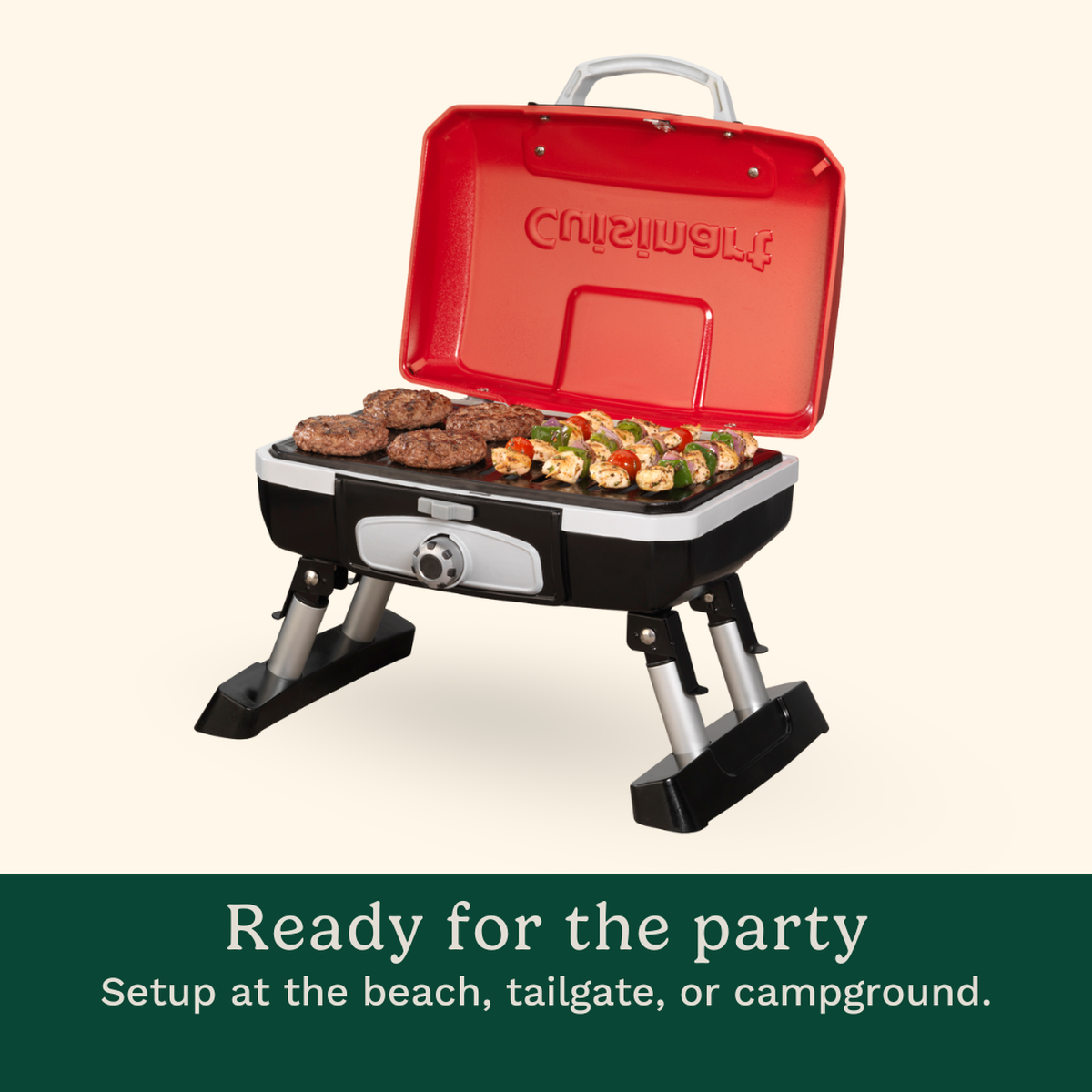
Credit: www.cuisinart.com
Propane Tank Compatibility
Choosing the right propane tank for your portable tabletop gas grill is crucial for safe and efficient grilling. Not every tank fits every grill, so understanding compatibility can save you hassle and prevent potential safety issues. Let’s break down what you need to know about matching your grill with the right propane tank.
Grill Specifications
Every grill comes with specific requirements regarding the size and type of propane tank it supports. Check your grill’s manual or the label near the fuel connection to find out the recommended tank size. Many portable tabletop grills are designed to work with smaller tanks, often around 1 to 5 pounds, rather than the standard 20-pound tanks used for larger grills.
Some grills require a specific pressure rating or flow rate, so using a tank that doesn’t meet those specs can lead to underperformance or safety hazards. Have you ever tried using a larger tank only to find it didn’t fit or caused leaks? Knowing your grill’s exact needs prevents this frustration.
Connection Types
Propane tanks connect to grills through valves and fittings, and these connections must match perfectly. The most common connection for portable grills is the POL or Type 1 fitting, but some use proprietary connectors or adapters.
Using the wrong connection can cause gas leaks or make it impossible to hook up your tank. Always inspect your grill’s connection type before buying a propane tank. If you’re unsure, bringing your grill to the store or checking product specs online can help ensure you get the right fit.
Did you know some adapters allow you to use different tank sizes or connection types safely? This flexibility can be a game-changer if you want to switch tanks without buying a new grill.
Estimating Propane Usage
Estimating propane usage helps you choose the right tank size for your portable tabletop gas grill. It prevents running out of fuel during cooking. It also avoids carrying a tank that is too large or heavy. Understanding how much propane your grill uses makes grilling easier and safer.
Cooking Duration
The time you spend grilling affects propane use. Longer cooking means more fuel needed. A typical portable grill runs for about 1 to 2 hours on a small 1-pound propane cylinder. If you grill often or for long periods, consider a larger tank. Short cooking sessions use less propane and suit smaller tanks well.
Fuel Efficiency
Fuel efficiency depends on grill size and heat settings. Higher heat consumes more propane quickly. Grills with good insulation and efficient burners use less fuel. Check your grill’s BTU rating to estimate propane use. For example, a 10,000 BTU grill uses about 1 pound of propane per hour at high heat. Lower heat settings reduce fuel use, stretching tank life longer.

Credit: www.amazon.com
Safety Tips For Propane Tanks
Using a propane tank for your portable tabletop gas grill requires careful attention to safety. Propane is highly flammable and must be handled properly. Following safety tips can prevent accidents and keep everyone safe. Always treat propane tanks with respect and care.
Storage Guidelines
- Store tanks outdoors in a well-ventilated area.
- Keep tanks away from heat sources and direct sunlight.
- Do not store tanks inside your home or garage.
- Place tanks upright on a flat surface to avoid tipping.
- Cover tanks with a protective cap when not in use.
Handling Precautions
- Check tanks for leaks before each use by applying soapy water.
- Never smoke or use open flames near a propane tank.
- Turn off the tank valve when the grill is not in use.
- Transport tanks upright and secure them during travel.
- Replace damaged hoses or connectors immediately.
Maintenance And Refilling
Proper maintenance and refilling of your propane tank keep your portable tabletop gas grill safe and working well. Regular checks and careful refilling help avoid accidents and extend the tank’s life. Understanding these steps is key for every grill owner.
Checking For Leaks
Check for leaks before each use to ensure safety. Mix water and a small amount of dish soap in a spray bottle. Spray the solution on the tank’s valves and connections. Look for bubbles forming, which means a leak is present. Tighten connections or replace parts if you see bubbles. Never use the grill if you detect leaks.
Refilling Process
Refilling a propane tank is simple but must be done carefully. Take the tank to a certified refill station. Make sure the tank is not overfilled; this can cause dangerous pressure. Always keep the tank upright during refilling. After refilling, check the tank for leaks once more. Store the tank in a cool, ventilated area away from heat.

Credit: www.amazon.com
Frequently Asked Questions
What Size Propane Tank Fits A Portable Tabletop Grill?
A 1-pound disposable propane cylinder is ideal for portable tabletop grills. It offers enough fuel for short grilling sessions and is easy to carry. For longer use, a 5-pound tank provides more cooking time without adding much weight.
How Long Does A 1-pound Propane Tank Last?
A 1-pound propane tank typically lasts about 1 to 2 hours. Usage time depends on grill temperature and cooking style. It’s perfect for quick meals or small gatherings, but not suited for extended grilling sessions.
Can I Use A 5-pound Tank With A Tabletop Grill?
Yes, a 5-pound propane tank can be used with most portable tabletop grills. It provides longer cooking time and is still compact enough for easy transport. Always check your grill’s specifications to ensure compatibility.
How Do I Safely Connect A Propane Tank To My Grill?
Ensure the grill and tank valves are off before connecting. Attach the regulator securely and check for leaks with soapy water. If bubbles appear, tighten connections or replace faulty parts before use.
Conclusion
Choosing the right propane tank size helps your grill work best. Small tanks fit well for short trips or quick meals. Larger tanks last longer and suit longer cookouts. Think about how often you grill and where you go. Carrying a heavy tank might not be easy.
A proper tank keeps your grill safe and steady. Now you can pick the best tank for your needs. Enjoy grilling without worries or running out of fuel. Simple steps make outdoor cooking more fun and relaxed.
