
Choosing the right grill grates can make a huge difference in your cooking. You want your food to cook evenly, taste great, and clean-up to be easy.
But with so many options out there, especially porcelain and stainless steel grates, it’s hard to know which one suits your needs best. Are you looking for durability, heat retention, or easy maintenance? Understanding the pros and cons of each can help you make the best choice for your grill and your style of cooking.
Keep reading to discover which grill grate will take your BBQ game to the next level.
Porcelain Grill Grates
Porcelain grill grates are a popular choice among barbecue enthusiasts. They offer a smooth cooking surface and a unique look that can elevate your grilling experience. Understanding their features can help you decide if they suit your outdoor cooking style.
Material Composition
Porcelain grill grates are made by coating a metal base, usually cast iron or steel, with a layer of porcelain enamel. This enamel creates a hard, glass-like surface that resists rust and corrosion. You get the strength of metal combined with the easy-clean finish of porcelain.
Heat Retention
Porcelain-coated grates don’t hold heat as well as bare cast iron but perform better than stainless steel in this area. They heat up quickly and distribute heat evenly across the surface. This means you can expect consistent cooking without hot spots, which is great for grilling delicate foods.
Cleaning And Maintenance
Cleaning porcelain grill grates is usually straightforward thanks to their smooth surface. Food tends not to stick as much, so a simple brush or soapy water often does the trick. However, you must avoid using metal brushes or harsh scrapers that can chip the porcelain coating.
Durability
While porcelain grates resist rust, they can chip or crack if handled roughly or exposed to sudden temperature changes. These chips expose the metal underneath, which can rust over time. If you grill frequently and prefer low-maintenance gear, consider how much wear and tear your grates will face.
)
Credit: www.bbqguys.com
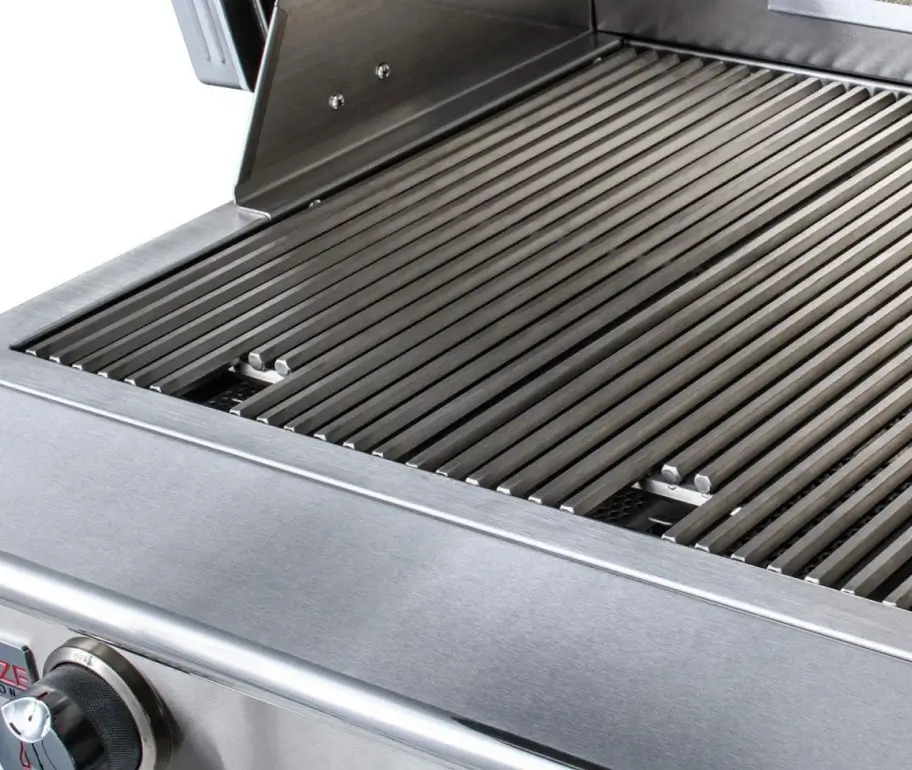
Stainless Steel Grill Grates
Stainless steel grill grates are a popular choice for many grill enthusiasts. They offer a sleek look and strong performance. These grates handle heat well and are easy to maintain. Many grills come equipped with stainless steel grates due to their durability and resistance to rust.
Material Composition
Stainless steel grates are made from a mix of iron, carbon, and chromium. The chromium creates a protective layer on the surface. This layer helps prevent rust and corrosion. Some grates include extra metals like nickel for added strength and shine.
Heat Conductivity
Stainless steel heats up quickly and spreads heat evenly. This helps food cook more uniformly. It does not hold heat as long as cast iron but recovers temperature fast. This makes it great for searing meat and grilling vegetables.
Ease Of Cleaning
Cleaning stainless steel grates is simple and quick. Food sticks less to the smooth surface compared to other materials. Warm water and mild soap usually remove grime easily. They also resist staining and do not require seasoning.
Longevity
Stainless steel grates last a long time with proper care. They resist rust better than cast iron but can discolor from high heat. Regular cleaning keeps them looking good. Quality stainless steel grates can serve well for many grilling seasons.
Comparing Heat Distribution
Heat distribution plays a crucial role in how your grill performs. Uneven heat can lead to undercooked spots or burnt edges, affecting the taste and texture of your food. Understanding how porcelain and stainless steel grill grates handle heat can help you get the best results every time you fire up your grill.
Porcelain Performance
Porcelain-coated grates tend to hold heat well but often distribute it unevenly. The porcelain layer acts as an insulator, which means some areas get hotter while others stay cooler. This can cause hot spots, especially if your grill’s burners aren’t perfectly balanced.
One time, I noticed my steaks cooked unevenly on a porcelain grate—juicy in some parts but dry in others. This experience made me realize that porcelain grates might require more attention to burner settings and placement of food. If you like slow, steady cooking, porcelain can work, but expect to manage your heat zones carefully.
Stainless Steel Efficiency
Stainless steel grates excel at quick and consistent heat transfer. They heat up fast and spread heat evenly across the surface, reducing cold spots. This means your food cooks uniformly and more predictably, which is a big advantage for fast grilling or searing.
In my experience, stainless steel grates made flipping burgers easier because the heat was consistent, avoiding flare-ups that often happen with uneven heating. They also recover heat quickly after opening the grill lid, so you waste less time waiting for the temperature to bounce back.
- Stainless steel grates are ideal if you want quick heat and even cooking.
- Porcelain grates can be better for low and slow cooking but may need more heat management.
Which heat distribution style matches your grilling habits? Do you prefer rapid searing with minimal fuss or slow cooking with careful heat control?

Credit: www.amazon.com
Flavor And Cooking Results
Choosing between porcelain and stainless steel grill grates can significantly affect how your food tastes and cooks. Both materials bring unique qualities to the table that influence flavor and cooking results. Understanding these differences helps you pick the right grate for your grilling style and the flavors you want to create.
Impact On Food Flavor
Porcelain grill grates often provide a smokier, more traditional grilled flavor. The porcelain coating traps heat well and allows for good searing, which caramelizes your food’s surface and enhances taste. However, if the porcelain chips, it can expose the metal underneath, which may affect flavor over time.
Stainless steel grates heat up quickly and maintain a consistent temperature. They don’t hold onto flavors from previous grilling sessions, so you get a cleaner taste every time. This is great if you switch between cooking meats, vegetables, or seafood and want pure, distinct flavors without cross-contamination.
Cooking Consistency
Porcelain grates provide even heat distribution but tend to retain less heat than stainless steel. This can be an advantage for slow cooking or grilling delicate items that need gentle, steady heat. However, porcelain grates may cool down faster when you open the grill lid, which can disrupt cooking.
Stainless steel grates excel at retaining and radiating heat, ensuring consistent cooking temperatures. This is especially useful for searing steaks or cooking thicker cuts evenly. If you want predictable heat and uniform cooking results, stainless steel might be the better choice.
Cost Considerations
Cost considerations play a big role when choosing between porcelain and stainless steel grill grates. Understanding both the upfront price and the long-term value can help you make a smarter purchase. Let’s break down how these options stack up financially.
Initial Investment
Porcelain grill grates usually come with a lower price tag at the start. You might find them priced between $20 and $50, depending on size and brand. Stainless steel grates, on the other hand, often cost more initially, ranging from $40 to $100 or higher.
This price difference reflects the materials and manufacturing process. Stainless steel grates use higher-grade metals that resist rust and heat better, which can explain the higher cost. But does paying more upfront always mean better value?
Long-term Value
Here’s where the choice gets interesting. Porcelain grates may chip or crack over time, especially if you use metal tools aggressively or clean them harshly. This can mean replacing them sooner than expected.
Stainless steel grates usually last longer and require less frequent replacement. They handle heavy use and high temperatures without damage. Over several grilling seasons, that durability might save you money despite the higher initial cost.
Think about your grilling habits. Do you grill often and want something that lasts? Or do you grill casually and prefer a lower upfront cost? Your answer will guide which grate offers the best cost value for your lifestyle.
Suitability For Different Grilling Styles
Choosing the right grill grate depends on your grilling style. Porcelain and stainless steel grates suit different cooking needs. Each type offers unique benefits for specific heat levels and cooking methods. Understanding which grate works best enhances your grilling experience and food taste.
Best For High Heat Cooking
Stainless steel grates handle high temperatures well. They heat up quickly and maintain consistent heat. Perfect for searing steaks and burgers. Stainless steel resists warping and rust under intense heat. It creates clear grill marks and locks in juices. Ideal for fast cooking where high heat is essential.
Ideal For Low And Slow Grilling
Porcelain grates excel at gentle, slow cooking. They hold heat evenly and reduce flare-ups. The smooth surface prevents food from sticking. Perfect for smoking meats and roasting vegetables. Porcelain coating protects the metal from rust. Best for long cooking sessions at lower temperatures.
User Preferences And Reviews
User preferences and reviews provide valuable insight into the real-world performance of porcelain and stainless steel grill grates. These opinions help understand how each material meets everyday grilling needs. Users share their experiences about durability, cleaning, heat retention, and taste impact.
Many users express clear favorites based on personal grilling habits. Some prioritize easy cleaning and rust resistance. Others focus on searing ability and long-term toughness. The feedback highlights strengths and weaknesses of both porcelain and stainless steel options.
Common User Complaints
- Porcelain grates often chip or crack after heavy use.
- Rust can develop on porcelain grates if coating breaks.
- Stainless steel grates may discolor and need frequent cleaning.
- Some find stainless steel grates harder to season properly.
- Porcelain grates sometimes offer less intense searing.
- Weight can be an issue; stainless steel tends to be heavier.
Popular User Praises
- Porcelain grates are praised for easy cleanup and non-stick surface.
- Many users love the even heat distribution of porcelain grates.
- Stainless steel grates are valued for their durability and rust resistance.
- Users appreciate stainless steel’s ability to sear and create grill marks.
- Both grate types receive compliments for enhancing food flavor.
- Stainless steel grates often last longer with proper care.

Credit: www.amazon.ca
Frequently Asked Questions
What Are The Benefits Of Porcelain Grill Grates?
Porcelain grill grates offer excellent heat retention and even cooking. They resist rust and are easy to clean. Their smooth surface prevents food from sticking, making grilling convenient and efficient.
Why Choose Stainless Steel Grill Grates Over Porcelain?
Stainless steel grill grates are highly durable and resist corrosion. They heat up quickly and maintain consistent temperature. These grates require less maintenance and are ideal for heavy, frequent grilling.
How Do Porcelain And Stainless Steel Grates Differ In Heat Retention?
Porcelain grates retain heat evenly but take longer to heat up. Stainless steel grates heat faster but may have uneven heat distribution. Both provide good cooking results depending on grilling style.
Which Grill Grate Is Easier To Clean And Maintain?
Porcelain grill grates are easier to clean due to their smooth, non-stick surface. Stainless steel grates need regular cleaning to avoid buildup but are still manageable with proper care.
Conclusion
Choosing between porcelain and stainless steel grill grates depends on your needs. Porcelain grates resist rust and are easy to clean. Stainless steel grates offer great durability and heat retention. Think about how often you grill and your cleaning habits.
Both types can give good cooking results. Pick the one that fits your style and budget best. This way, your grilling will stay enjoyable and worry-free.
