
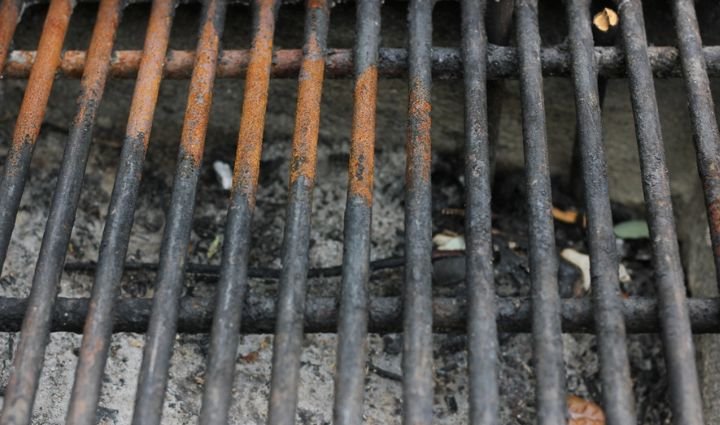
If you love grilling, you know that every detail matters when it comes to perfecting your cookout. One question you might have is: should cast iron grill grates be seasoned?
This simple step can make a big difference in how your food cooks and how long your grill grates last. You’ll discover why seasoning matters, how it protects your grill, and how it can improve the flavor of your meals.
Keep reading to learn the secrets that will take your grilling game to the next level.
Benefits Of Seasoning Cast Iron Grates
Seasoning cast iron grill grates brings several important benefits. It protects the grates and improves cooking results. A well-seasoned grate lasts longer and performs better.
Seasoning creates a natural non-stick surface on the grates. This makes food release easier and reduces burning or sticking. It also makes cleaning faster and less frustrating.
The protective layer from seasoning prevents rust and corrosion. This keeps the cast iron strong and usable for years. Properly seasoned grates resist moisture and air damage effectively.
Enhances Non-stick Properties
Seasoning forms a smooth coating that stops food from sticking. Grilled items come off cleanly, preserving their shape and texture. This helps cooks flip and serve food easily.
Prevents Rust And Corrosion
The oil layer blocks moisture from reaching the metal surface. Rust cannot form, keeping the grates durable and safe. This reduces the need for frequent replacements.
Improves Heat Distribution
Seasoned grates heat evenly, reducing hot and cold spots. This results in consistent cooking and better grill marks. Even heat prevents food from burning in some areas.
Makes Cleaning Easier
Food residue wipes off quickly without scrubbing hard. The smooth surface avoids buildup of grime and grease. Cleaning takes less time and effort after every use.
Extends Grate Lifespan
Regular seasoning maintains the metal’s quality and strength. It protects against wear and tear from frequent grilling. This saves money by avoiding early grate replacement.

Credit: brandmangrill.com
How Seasoning Enhances Flavor
Seasoning cast iron grill grates creates a natural, non-stick surface. This layer builds up with each use, locking in flavors and adding richness to your food. It also helps create those perfect grill marks and a smoky taste that many love.
Proper seasoning protects the grill grates from rust and prevents food from sticking. This means your grilled dishes cook evenly and taste better every time. The more you season, the deeper the flavor becomes.
How Seasoning Creates A Non-stick Surface
Seasoning forms a thin layer of oil baked into the cast iron. This layer stops food from sticking and tearing. It makes flipping and removing food easier without losing bits to the grate.
How Seasoning Adds Smoky, Grilled Flavor
Oils used in seasoning burn slightly during cooking. This burning adds a smoky aroma to your food. The result is a rich, grilled flavor that enhances meats and vegetables alike.
How Seasoning Protects The Grill Grates
Seasoning creates a barrier against moisture and air. This barrier prevents rust from forming on the grates. A well-seasoned grate lasts longer and stays in better shape.
How Seasoning Improves Heat Distribution
The seasoning layer helps heat spread evenly across the grate. This means food cooks uniformly without hot spots. Even cooking brings out better texture and flavor in every bite.
Preventing Rust With Seasoning
Seasoning your cast iron grill grates isn’t just about improving flavor or creating a natural non-stick surface. It plays a crucial role in preventing rust, which can quickly ruin your investment and affect your cooking experience.
Rust forms when moisture interacts with the iron, causing corrosion. Seasoning adds a protective layer of oil that seals the metal from air and water, stopping rust before it can start.
How Seasoning Creates A Protective Barrier
When you season grill grates, you’re essentially coating them with a thin layer of polymerized oil. This layer acts as a shield, blocking moisture and oxygen from reaching the iron.
Each time you cook with oil on a seasoned grate, you reinforce this barrier. Without this coating, even tiny drops of water can begin the rusting process.
Signs Your Grates Need Reseasoning
Do you notice dull spots or small rust patches on your grates? These are signals that the seasoning has worn off.
Regularly check your grates after cleaning. If food starts sticking more than usual or the surface looks dry and rough, it’s time to season again.
Simple Steps To Keep Rust At Bay
- Clean grates immediately after use, removing all food residue.
- Dry grates thoroughly; even a small amount of moisture can cause rust.
- Apply a thin layer of cooking oil to the hot grates before and after grilling.
- Store your grill in a dry place or use a grill cover to protect from rain and humidity.
Have you ever left your grill out in the rain and found rust the next day? Seasoning could save you from that frustration. Taking a few extra minutes to maintain your grates means better grilling and longer-lasting gear.

Credit: www.reddit.com
Steps To Season Cast Iron Grates
Seasoning cast iron grill grates is essential to keep them non-stick and rust-free. The process might seem simple, but it requires attention to detail to get the best results. Here are clear, practical steps you can follow to season your cast iron grates effectively.
Cleaning The Grates
Start by scrubbing your grill grates with warm water and a stiff brush to remove any dirt or old seasoning. Avoid using soap, as it can strip away natural oils needed for seasoning. If there’s stubborn residue, soak the grates in hot water for a few minutes before scrubbing again.
Once clean, dry the grates completely with a towel or place them on the grill over low heat to evaporate any moisture. Moisture left on the cast iron can cause rust, which defeats the purpose of seasoning.
Applying The Oil
Choose a high-smoke point oil like flaxseed, grapeseed, or vegetable oil for seasoning. Using a paper towel or cloth, apply a thin, even layer of oil to every surface of the grates. Don’t drench them; too much oil can create a sticky surface instead of a smooth, protective coating.
Make sure to get into the nooks and crannies where food tends to stick. A well-oiled grate forms the foundation for a durable seasoning layer.
Heating The Grates
Heat the oiled grates on your grill or in an oven at around 400-450°F (200-230°C) for about an hour. This step allows the oil to polymerize, bonding to the cast iron and creating a hard, non-stick surface. You’ll notice the grates darken and develop a shiny finish.
After heating, let the grates cool naturally before handling. Repeating this heating and oiling cycle 2-3 times will build a stronger seasoning layer, making your grill grates last longer and perform better.
Best Oils For Seasoning
Choosing the right oil for seasoning your cast iron grill grates is crucial. The oil you select affects how well the seasoning forms and how durable it will be. Some oils create a harder, longer-lasting coating, while others may leave a sticky residue or break down quickly.
Think about the smoke point of the oil. Oils with higher smoke points tend to polymerize better on cast iron, creating a stronger, more resilient layer. Have you ever noticed a sticky or uneven coating after seasoning? That’s often due to using oil with a low smoke point.
Flaxseed Oil
Flaxseed oil has gained popularity among cast iron enthusiasts for its ability to create a durable, hard seasoning layer. It has a relatively high smoke point around 225°C (437°F), which is enough for proper polymerization without burning quickly.
Many users report that flaxseed oil results in a smooth, glossy finish. However, it’s a bit pricier and requires thin, even coats to avoid flaking. If you want a tough surface and don’t mind careful application, flaxseed oil is worth trying.
Canola Oil
Canola oil is a common kitchen staple with a high smoke point near 204°C (400°F). It’s affordable and easy to find, making it a practical choice for seasoning cast iron grill grates.
Your seasoning will build up gradually with repeated use. While it might not produce the hardest layer, canola oil is forgiving and less likely to become sticky. If you’re seasoning for the first time or want low-maintenance care, canola oil works well.
Grapeseed Oil
Grapeseed oil offers a high smoke point around 216°C (420°F), making it excellent for seasoning tasks. It polymerizes nicely, creating a smooth, durable finish that’s resistant to peeling.
I’ve found grapeseed oil particularly useful when I need a quick seasoning touch-up. It’s less expensive than flaxseed but still gives a quality result. If you want a balance of performance and cost, grapeseed oil is a solid pick.
Vegetable Oil
Vegetable oil is another easy-to-find option with a moderate smoke point around 210°C (410°F). It’s a bit more prone to leaving sticky spots if applied thickly, so thin layers are essential.
Many seasoned grill users rely on vegetable oil because it’s cheap and readily available. Just remember to wipe off excess and season at the right temperature to avoid a tacky finish. Have you tried this oil yet? It might surprise you how well it performs with proper care.
Avocado Oil
Avocado oil stands out with one of the highest smoke points, about 271°C (520°F). This makes it highly effective for seasoning because it can withstand high heat without breaking down.
Though more expensive, avocado oil creates a tough, smooth seasoning layer quickly. If you grill often and want a reliable, long-lasting finish, this oil might save you time and effort. Would you consider investing in avocado oil for your grill grates?
Maintaining Seasoned Grates
Maintaining seasoned cast iron grill grates is key to preserving their non-stick surface and enhancing your grilling experience. A well-maintained grate not only cooks food evenly but also resists rust and buildup. Keeping up with simple care routines ensures your grill grates stay in top shape for every barbecue session.
Regular Cleaning Routine
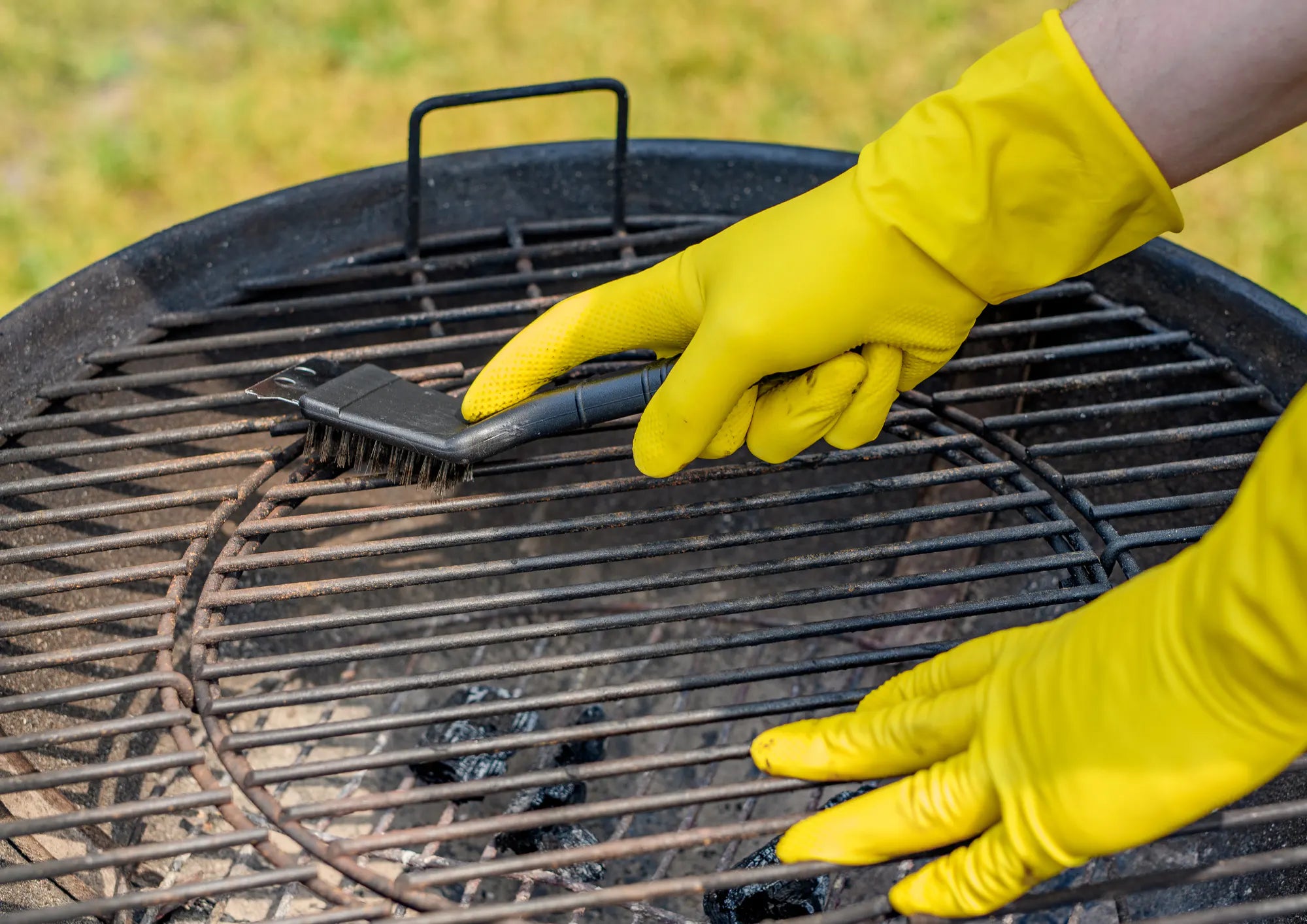
After each cookout, clean your grates while they are still warm. Use a grill brush with stiff bristles to scrape off any stuck-on food debris. Avoid using soap or soaking the grates in water, as this can strip away the seasoning layer.
Once scraped, wipe the grates with a paper towel or cloth to remove any residue. If needed, heat the grill briefly to burn off leftover particles. This quick cleanup prevents buildup and keeps your seasoning intact.
Reapplying Oil
After cleaning, lightly coat your grill grates with a thin layer of cooking oil. Use oils with a high smoke point like vegetable, canola, or flaxseed oil. This step replenishes the seasoning and protects the iron from moisture and rust.
Apply the oil using a folded paper towel or cloth, making sure to cover all surfaces evenly. Heat the grill for 10-15 minutes to allow the oil to bond with the metal. Doing this regularly can extend the life of your grates and improve their performance.
Common Mistakes To Avoid
Seasoning cast iron grill grates can transform your cooking experience, but it’s easy to slip up. Avoiding common mistakes helps you get the most out of your grill and keeps it in great shape. Let’s look at some pitfalls that could ruin your seasoning efforts and how you can prevent them.
Using The Wrong Oil
Choosing the right oil is crucial. Oils with low smoke points like butter or olive oil can burn and create a sticky, uneven coating. Instead, go for oils with high smoke points such as flaxseed, grapeseed, or canola oil to build a smooth, durable layer.
Not Cleaning The Grates Properly Before Seasoning
Skipping a thorough clean before seasoning can trap dirt and rust under the oil layer. Make sure to scrub off old residue and dry the grates completely. A clean surface helps the seasoning bond better and lasts longer.
Applying Too Much Oil
It’s tempting to slather the grates with oil, but that leads to a sticky mess rather than a hard, protective coating. Apply a thin, even layer using a cloth or paper towel. Less is more when building layers of seasoning.
Skipping The Heating Process
Seasoning isn’t just about oiling the grates; you must heat them so the oil polymerizes and forms a solid coating. If you skip or underdo this step, your seasoning won’t stick well and will peel off quickly. Bake or grill at high heat for 1 hour to lock it in.
Not Repeating The Seasoning Process
One round of seasoning won’t be enough. Multiple thin layers create a stronger, more resilient surface. Don’t expect perfection after the first try; patience pays off with better non-stick and rust resistance.
Ignoring Regular Maintenance
Seasoning isn’t a one-time task. If you don’t clean and lightly oil your grates after each use, the seasoning will degrade. Protect your investment by wiping the grates with a small amount of oil before storing.
Have you ever noticed your grill grates sticking or rusting quickly despite seasoning? Chances are, one of these mistakes might be the cause. How can you adjust your routine today to avoid these pitfalls and enjoy a better grilling experience?
Credit: themeatstick.com
Expert Tips For Perfect Grilling
Grilling on cast iron grill grates offers a unique flavor and texture that few other materials can match. However, achieving that perfect sear and even cooking demands more than just heat. Paying attention to a few expert tips can make your grilling experience smoother and your food tastier.
Temperature Control
Knowing how to manage your grill’s temperature is key to cooking meat perfectly without burning it. Cast iron holds heat exceptionally well, so you need to be patient and avoid sudden temperature spikes. Try using a two-zone setup: one side hot for searing, the other cooler for finishing the cooking process gently.
Have you noticed how your steaks sometimes burn on the outside but stay raw inside? That’s usually a temperature control issue. Keep your grill covered as much as possible to maintain steady heat and use a reliable grill thermometer to track the temperature accurately.
Choosing The Right Tools
Your choice of tools can make a big difference when grilling with cast iron grates. Use long-handled tongs instead of forks to turn your food without piercing it and losing juices. A stiff wire brush designed for cast iron will help clean the grates without damaging the seasoning.
Don’t forget a good heat-resistant glove. Handling heavy cast iron grates can be tricky and dangerous when hot. Also, consider a cast iron scraper for tough stuck-on bits—it preserves your grate’s seasoning better than metal brushes.
Frequently Asked Questions
Should Cast Iron Grill Grates Be Seasoned Before Use?
Yes, seasoning cast iron grill grates creates a non-stick surface. It protects against rust and improves heat retention. Regular seasoning extends the lifespan and enhances cooking performance.
How Often Should I Season Cast Iron Grill Grates?
Season cast iron grill grates after every few uses or when food starts sticking. Frequent seasoning maintains the protective layer and prevents rust buildup effectively.
Can I Use Cooking Oil To Season Grill Grates?
Yes, using cooking oil like vegetable or flaxseed oil is ideal. Apply a thin layer and heat the grates to bond the oil, creating a durable seasoning layer.
What Are The Benefits Of Seasoning Cast Iron Grill Grates?
Seasoning prevents rust, creates a natural non-stick surface, and improves heat distribution. It also makes cleaning easier and enhances the grill’s overall performance.
Conclusion
Seasoning cast iron grill grates helps stop rust and keeps food from sticking. It also makes cleaning easier after cooking. Regular seasoning builds a strong, non-stick layer on the grates. This layer improves with use and care over time. Skipping seasoning can cause damage and reduce grill life.
For best results, season your cast iron grill grates before and after use. This small step protects your grates and improves your grilling experience. Simple and effective.
