
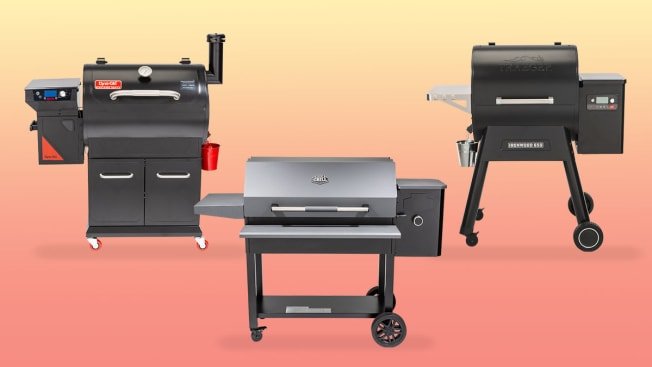
Are you torn between choosing a Kamado grill and a Traeger pellet smoker for your next cookout? Both offer unique ways to bring out incredible flavors, but which one fits your style and needs best?
Whether you’re aiming for juicy steaks, smoky ribs, or slow-cooked perfection, understanding the key differences can make all the difference. Keep reading to discover how each grill works, what makes them special, and which one will help you become the backyard hero you want to be.
Your perfect grill awaits—let’s find it together.
Kamado Grill Basics
When diving into the world of outdoor cooking, understanding the basics of a Kamado grill can significantly enhance your grilling experience. These versatile cookers, known for their unique design and superior heat retention, offer a distinct approach to grilling that differs from traditional grills. Let’s break down the essentials of what makes a Kamado grill stand out.
Design And Materials
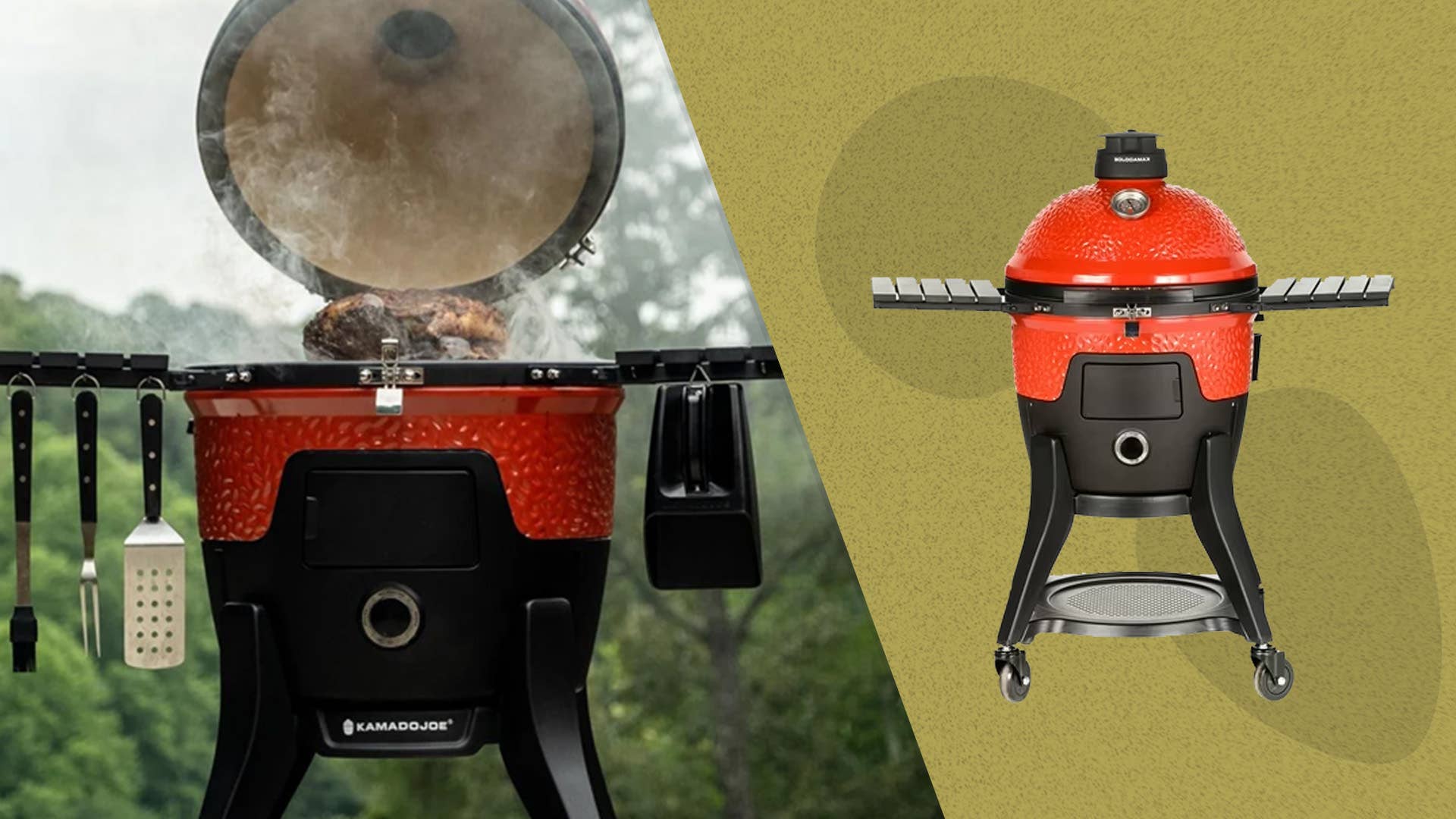
The Kamado grill boasts a distinct egg-shaped design crafted from thick ceramic or sometimes a combination of steel and other materials. This shape isn’t just for aesthetics; it plays a crucial role in providing consistent heat distribution. The robust materials used ensure durability and can withstand high temperatures, making it a long-lasting investment for your backyard.
Heat Retention And Control
One of the standout features of a Kamado grill is its exceptional heat retention capabilities. The thick walls of the grill trap heat efficiently, allowing you to maintain consistent temperatures for hours. Whether you’re searing steaks or smoking ribs, the precision in temperature control gives you the freedom to experiment with various cooking techniques.
Fuel Type And Efficiency
Kamado grills typically use lump charcoal, which burns hotter and cleaner than briquettes. This fuel type not only enhances the flavor of your food but is also more efficient, meaning you use less charcoal per cooking session. Are you ready to taste the difference in flavor and efficiency when you switch to a Kamado grill?
Exploring the intricacies of a Kamado grill can revolutionize your barbecue game. From its sturdy design to its exceptional heat control, it offers a unique grilling experience that might just turn you into a backyard BBQ enthusiast!
Traeger Pellet Smoker Basics
The Traeger pellet smoker stands out for its ease of use and consistent cooking. It uses wood pellets as fuel, offering a unique flavor to food. This smoker suits those who want simple operation and great taste without much effort.
Construction And Features
Traeger smokers have a sturdy metal body. They come with a cooking chamber and a hopper for pellets. A built-in fan circulates heat and smoke evenly. Many models include a digital controller for setting temperatures. Some offer Wi-Fi for remote control and monitoring.
Pellet Fuel System
Wood pellets are the fuel source. They are made from compressed sawdust and wood. Pellets add natural smoky flavor to the food. The hopper holds the pellets and feeds them into the fire pot. An auger moves the pellets automatically as needed. This system keeps the fire steady without constant attention.
Temperature Management
The digital controller manages temperature precisely. It can maintain heat from low to high settings. Sensors monitor the grill’s internal temperature constantly. The fan adjusts airflow to keep the heat steady. This control makes smoking, grilling, and baking easier. It helps cook food evenly every time.
Performance In Grilling
Performance in grilling is a key factor for anyone choosing between a Kamado Grill and a Traeger Pellet Smoker. Both offer unique features that affect how food cooks and tastes. Understanding their strengths helps pick the right grill for your style.
Direct Heat Cooking
Kamado grills excel at direct heat cooking. Their thick ceramic walls hold heat well. This creates high temperatures ideal for searing steaks and burgers. The heat is intense and even, giving food a nice crust without burning.
Traeger pellet smokers use indirect heat. They burn wood pellets, producing a steady, lower temperature. Direct heat is limited. This setup suits slow cooking and smoking more than quick searing.
Flavor Profiles
Kamado grills use charcoal, adding a rich, smoky flavor. The smoke is bold but clean. You can add wood chips for extra aroma. This grill gives food a traditional BBQ taste.
Traeger pellet smokers infuse food with a mild wood smoke flavor. Different pellets like hickory or applewood change the taste. The smoke is smoother and less intense. It suits those who prefer a subtle smoky flavor.
Cooking Speed
Kamado grills heat up fast and can reach high temperatures quickly. This makes them great for fast grilling tasks. You can cook meals in less time.
Traeger smokers take longer to reach cooking temperature. Their low and slow approach suits long cooks like ribs and brisket. Patience is key with this grill style.

Credit: vessils.com
Smoking Capabilities
Smoking capabilities define how well your grill or smoker infuses food with rich, smoky flavors while maintaining consistent heat. Both Kamado grills and Traeger pellet smokers offer unique benefits that can change your cooking game. Understanding these differences helps you pick the right tool for your flavor goals and cooking style.
Smoke Flavor Quality
Kamado grills use lump charcoal and wood chunks, creating a strong, natural smoke flavor that many pitmasters love. The ceramic walls trap smoke inside, allowing it to deeply penetrate your food. This results in a bold, intense smoky taste that’s hard to beat.
Traeger pellet smokers rely on wood pellets fed through an electric auger, producing a milder, more controlled smoke. The flavor is consistent but lighter, making it perfect if you prefer subtle smoke without overpowering your ingredients. Do you want a punchy smoke flavor, or something gentler that lets your seasoning shine?
Temperature Stability
Kamado grills excel at holding steady temperatures thanks to their thick ceramic insulation. Once heated, they maintain heat for hours with minimal adjustments, which is great for slow smoking. However, controlling airflow can take some practice to avoid temperature swings.
Traeger pellet smokers offer precise digital temperature control, allowing you to set and forget your cooking temps. This makes them ideal if you want hassle-free smoking with consistent results every time. Which approach fits your cooking style better: hands-on control or automated precision?
Versatility With Different Foods
Kamado grills are not just for smoking—they grill, roast, and even bake, thanks to their high heat retention. You can smoke brisket low and slow, then crank the heat for a perfectly seared steak. This flexibility means you can experiment with a wide range of recipes on one device.
Traeger pellet smokers shine at smoking but also handle grilling and baking well, especially with the ability to maintain steady temperatures. You can smoke ribs, bake pizzas, or roast vegetables with ease. How often do you plan to switch cooking methods, and does your smoker support that?
Ease Of Use And Maintenance
Choosing between a Kamado grill and a Traeger pellet smoker often boils down to how easy they are to use and maintain. This aspect can make a big difference in how often you fire up your grill and how much time you spend cleaning afterward. Let’s break down the practical side of setup, cleaning, and features that affect your overall experience.
Setup And Ignition
Kamado grills require a bit more hands-on effort to get started. You’ll need to light the charcoal manually, which means managing airflow and waiting for the coals to reach the right temperature. This process can feel rewarding but takes patience and practice.
Traeger pellet smokers simplify ignition with an electric starter. Just fill the hopper with pellets, push a button, and the fan and auger handle the rest. This convenience is perfect if you want quick, consistent heat without babysitting the fire.
Cleaning Process
Cleaning a Kamado grill involves removing ash from the bottom vent and wiping down the ceramic surfaces. The ceramic is durable but requires gentle care to avoid cracks. If you grill frequently, this can become a routine task that keeps your grill in top shape.
Traeger pellet smokers make cleanup easier with a removable ash drawer, so you just pull it out and empty the ash. The drip tray and grill grates are also designed for easy access and washing. However, pellets can sometimes leave more residue, meaning a thorough clean every few uses is necessary.
User-friendly Features
- Kamado Grill:Offers excellent heat retention and airflow control but demands more attention during cooking.
- Traeger Pellet Smoker:Provides digital temperature control and programmable settings, allowing you to set it and forget it.
Think about whether you prefer hands-on control or a more automated grilling experience. Your choice will affect how much time and effort you spend during each cookout.

Credit: www.bbqguys.com
Cost And Value
Understanding the cost and value of a Kamado grill versus a Traeger pellet smoker is essential before making your purchase. Both offer unique benefits, but their price tags and ongoing expenses can impact your grilling experience and budget. Let’s break down what you should expect financially and how that translates into real value for your backyard cooking.
Initial Investment
Kamado grills usually come with a higher upfront cost. A quality ceramic Kamado can range from $700 to over $1,500, depending on size and brand. Traeger pellet smokers start lower, around $400, but premium models can also climb above $1,500.
Think about what you want from your grill. If you want versatility with searing, smoking, and baking, a Kamado might justify the higher price. If ease of use and consistent temperature control matter more, the Traeger’s automated pellet system offers good value for the price.
Operating Costs
Operating a Kamado grill mostly involves buying charcoal, which can be inexpensive if you buy in bulk. Charcoal burns hot and long, but you’ll need to monitor airflow manually. Traeger pellet smokers require wood pellets, which can cost more over time and need regular replenishment during cooking.
Maintenance also plays a role. Kamado grills have fewer electronic parts, so fewer repairs might be needed. Traegers rely on electric components like fans and augers, which might add to maintenance costs. Have you considered how much time and money you want to invest in upkeep?
Longevity And Durability
Kamado grills are known for lasting decades if cared for properly. Their ceramic bodies resist rust and heat damage but can crack if dropped or mishandled. Traeger pellet smokers feature metal construction that is durable but more prone to rust, especially if left uncovered.
Weather protection can extend the life of both. Many users share stories of Kamados still performing after 20 years. Traegers may need parts replaced sooner but often come with warranties that cover common issues. Would you prefer a grill that stands the test of time with minimal fuss, or one easier to fix with available parts?
Portability And Space
Considering portability and space is crucial when choosing between a Kamado grill and a Traeger pellet smoker. Your lifestyle and available space will influence which grill fits best. Let’s dive into how size, transport, and storage come into play for both options.
Size And Weight
Kamado grills are generally more compact but quite heavy due to their thick ceramic walls. A typical Kamado can weigh between 150 to 300 pounds, making it less easy to move frequently.
Traeger pellet smokers tend to be larger and bulkier, often weighing over 200 pounds. Their metal construction adds weight, and some models come with larger cooking surfaces, which means more space needed.
Think about where you want to place your grill. Do you have a small patio or a spacious backyard? Your answer will guide you toward the right size and weight.
Transport Options
Transporting a Kamado grill can be challenging. Its heavy ceramic body is fragile and requires careful handling. You might need two people to lift and secure it in a vehicle.
Traeger smokers often come with wheels and handles, which make moving them easier. Some models are designed with portability in mind, allowing you to wheel them around your yard or take them on the road.
Ask yourself: will you be moving your grill often, or will it stay put? If you plan on camping or tailgating, a Traeger with wheels might be more practical.
Storage Requirements
Kamado grills need a sturdy surface for storage due to their weight and fragile structure. They are best kept in a sheltered area to protect the ceramic from weather damage.
Traeger pellet smokers generally require more storage space because of their size. However, they can often be stored outdoors under a cover thanks to their durable metal build.
Consider your available storage space carefully. Do you have a covered spot or a garage? Your storage options will affect the longevity and condition of your grill.
Popular Recipes And Cooking Styles
Choosing between a Kamado grill and a Traeger pellet smoker often comes down to the types of recipes and cooking styles you want to explore. Each device shines with certain dishes and techniques, shaping how you approach your outdoor cooking. Understanding these differences can help you decide which tool matches your culinary goals and inspires your creativity.
Ideal Dishes For Kamado
The Kamado grill excels at high-heat cooking and precise temperature control. It’s perfect for searing steaks to get that crispy crust while keeping the inside juicy. You can also smoke ribs low and slow, thanks to its excellent heat retention.
Think about grilling thick-cut pork chops or roasting a whole chicken. The Kamado’s ceramic walls keep moisture locked in, giving you tender and flavorful results every time. It’s also great for baking pizzas—its ability to reach very high temperatures mimics a wood-fired oven.
Best Foods For Pellet Smoker
The Traeger pellet smoker is designed for long, slow cooking with a steady smoke infusion. It’s ideal for pulled pork, brisket, and other large cuts that benefit from hours of low-temperature smoking. The consistent heat makes it easy to maintain the perfect smoke ring and tenderness.
Besides meats, pellet smokers handle fish and vegetables beautifully, imparting a subtle smoky flavor without overpowering them. You can also bake desserts like smoked apple pie or even bread, adding a unique twist to classic recipes.
Experimenting With Techniques
Both devices invite you to try different cooking methods beyond basic grilling or smoking. Have you tried using your Kamado for indirect cooking by placing coals to one side? This allows you to roast or bake with a gentle, even heat.
With the Traeger, you can experiment with smoke levels and pellet flavors to customize each dish. For example, try mesquite pellets for a bold, intense flavor or fruitwood pellets for a milder, sweeter smoke.
Combining these techniques can expand your cooking repertoire. What happens if you smoke meat low and slow on the Traeger, then finish it with a sear on the Kamado? This cross-method approach can yield exciting textures and flavors.
Choosing The Right Grill For You
Choosing the right grill means matching it to your daily habits and needs. Both Kamado grills and Traeger pellet smokers offer unique benefits. Understanding your lifestyle, cooking style, and budget helps make the best choice. This guide breaks down key factors to consider.
Lifestyle Considerations
Think about how often you grill and for whom. Kamado grills heat fast and keep temperature steady for hours. Great for quick meals or long cookouts.
Traeger pellet smokers provide easy temperature control with digital settings. Ideal for those who prefer set-it-and-forget-it cooking. Consider the time you want to spend watching the grill.
Cooking Preferences
Kamado grills excel at high-heat grilling and smoking with natural charcoal flavor. Perfect for searing steaks or slow-smoking ribs.
Traeger smokers use wood pellets to infuse a smoky taste with consistent heat. They offer versatility for baking, roasting, and smoking.
Decide which flavors and cooking methods you enjoy most.
Budget And Space
Kamado grills vary in price but often cost less than pellet smokers. They require charcoal and some extra accessories.
Traeger pellet smokers tend to be pricier and need electricity to run the pellet hopper.
Space is also important. Kamados are usually compact but heavy. Traegers need more room for setup and storage.
Credit: www.mensjournal.com
Frequently Asked Questions
What Are The Main Differences Between Kamado And Traeger Grills?
Kamado grills use ceramic for heat retention and charcoal fuel. Traeger pellet smokers use wood pellets and electric controls for consistent heat. Kamados excel in high-heat searing, while Traegers offer easy temperature control and smoke flavor.
Which Grill Is Better For Smoking Meats?
Traeger pellet smokers are designed specifically for smoking with steady, controlled heat and smoke. Kamado grills can smoke but require more skill to maintain low temperatures. Traegers are easier for beginners wanting consistent smoke flavor.
Are Kamado Grills More Fuel-efficient Than Traeger Smokers?
Kamado grills are highly fuel-efficient due to their ceramic insulation and charcoal use. Traeger smokers use electricity and wood pellets, which consume more energy overall. Kamados hold heat longer, reducing fuel needs during cooking.
Can I Use A Kamado Grill For Grilling And Searing?
Yes, Kamado grills excel at high-heat grilling and searing. Their ceramic body retains intense heat, perfect for steaks and burgers. Traeger smokers focus more on low-and-slow cooking than high-heat grilling.
Conclusion
Choosing between a Kamado grill and a Traeger pellet smoker depends on your cooking style. Kamado grills offer great heat control and versatility. Traeger smokers provide ease with digital controls and consistent smoke. Both deliver tasty food but suit different needs.
Think about how much effort you want to put in. Also, consider the flavors you prefer. Either way, you can enjoy outdoor cooking with confidence. Try both to see which fits your taste and routine best. Simple tools, great meals.
