
Have you ever wanted to enjoy the rich, smoky flavor of a barbecue without buying a separate smoker? What if you could turn your gas grill into a smoker right at home?
It’s easier than you think, and you don’t need special tools or skills. Imagine impressing your friends and family with tender, flavorful meat that melts in your mouth—all made on the grill you already own. Keep reading, and you’ll learn simple steps to transform your gas grill into a smoker that delivers mouthwatering results every time.
Choosing The Right Grill
Choosing the right grill is crucial if you want to turn your gas grill into an effective smoker. Not every gas grill is built the same, and some models adapt better to smoking than others. Knowing what features to look for can save you time and help you achieve that perfect smoky flavor.
Understanding Your Grill’s Design
Look closely at the shape and size of your grill’s cooking chamber. A larger, well-sealed lid helps retain smoke and heat better. If your grill has vents or adjustable dampers, that’s a big plus because you can control airflow more precisely.
I once tried smoking ribs on a small, open grill, and the smoke just escaped too quickly. It took hours longer than expected and the flavor wasn’t quite right. That taught me how important a grill’s design is for smoking.
Checking For Temperature Control Features
Temperature control is key for smoking since you need low and slow heat. Grills with multiple burners and independent controls give you the flexibility to create indirect heat zones. This setup lets you place the wood chips away from direct flames but still get consistent heat.
If your grill only has a single burner or limited control, you might struggle to maintain stable temperatures, which will impact the quality of your smoke.
Considering Size And Cooking Space
How much food do you plan to smoke at once? Bigger grills offer more room for racks and wood chips, allowing you to smoke larger cuts or multiple items at once. However, bigger isn’t always better if you’re just starting out or have limited space.
Think about your typical grilling habits and how smoking fits into your routine. A compact grill might be easier to manage and still deliver excellent results if you’re only smoking for a few people.
Material And Build Quality
Look for grills made with heavy-gauge steel or cast iron. These materials hold heat longer and withstand the slow, steady cooking required for smoking. Thin aluminum grills may struggle to keep a consistent temperature and let smoke escape easily.
Investing in a sturdy grill can make your smoking experience smoother and more enjoyable, reducing the need for constant monitoring and adjustment.
Essential Tools And Accessories
Turning your gas grill into a smoker requires a few key tools and accessories. These items help control smoke, temperature, and flavor. Using the right gear makes smoking easier and more enjoyable. Choose tools that fit your grill and cooking style.
Smoker Box Options
A smoker box holds wood chips and creates smoke inside the grill. It comes in different materials like stainless steel and cast iron. Stainless steel boxes heat quickly and last long. Cast iron boxes hold heat well for steady smoke.
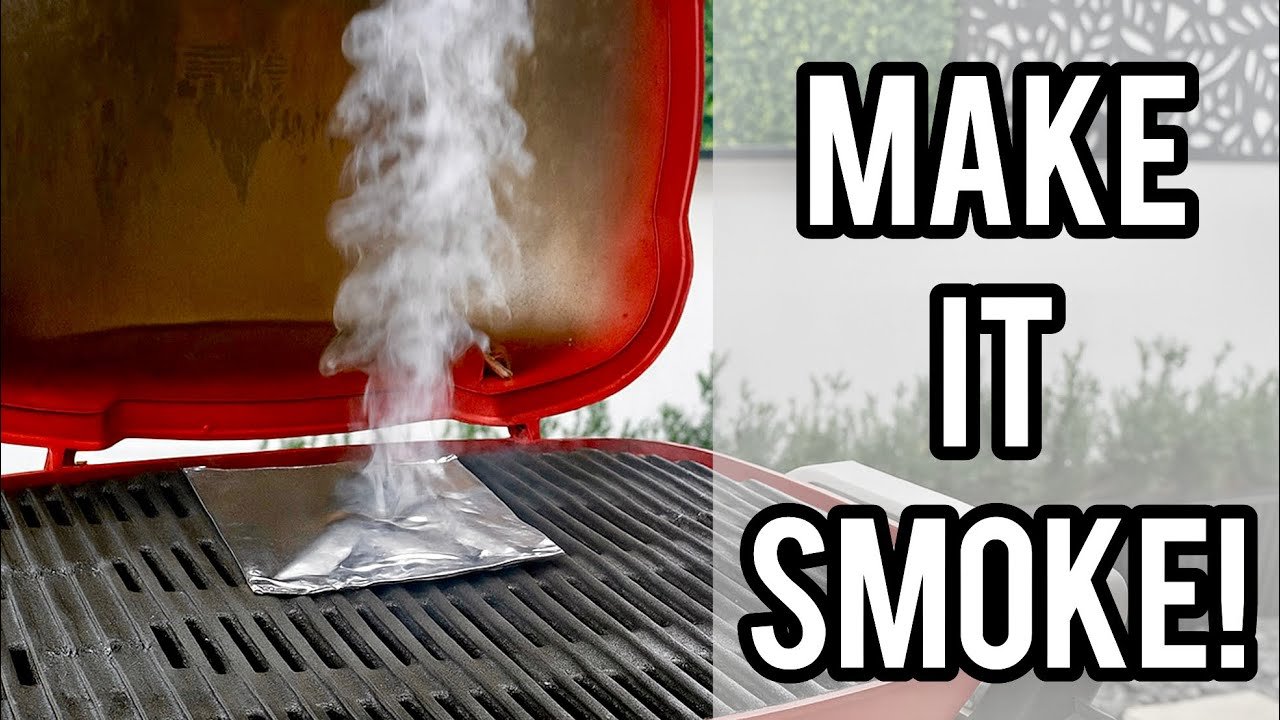
You can also use aluminum foil as a simple smoker box. Make a pouch, poke holes, and fill it with wood chips. Place it near the burners for smoke. Choose a box size that fits your grill and chip amount.
Selecting Wood Chips
Wood chips give your food the smoky flavor. Different woods create different tastes. Here are common choices:
- Hickory: Strong and smoky, good for beef and pork
- Apple: Sweet and mild, suits chicken and fish
- Mesquite: Bold and earthy, best for red meats
- Cherry: Fruity and sweet, pairs well with poultry
Soak chips in water for 30 minutes before use. This helps them burn slowly and produce more smoke. Use a mix of woods for unique flavors.
Thermometers For Accuracy
Temperature control is key to good smoking. Use a reliable thermometer to watch the heat inside the grill. Choose between dial and digital thermometers. Digital ones often show more precise readings and have alarms.
Consider a dual-probe thermometer. One probe measures grill heat. The other checks food temperature. This way, you avoid opening the grill often. Keep temperatures steady for tender, smoky results.
Preparing Your Grill
Preparing your gas grill for smoking is an essential step to get the best flavor and maintain the health of your equipment. It’s not just about adding wood chips; your grill needs to be clean, well-maintained, and arranged properly to handle the slow, low heat of smoking. Taking time here saves you from frustrating flare-ups and uneven cooking later.
Cleaning And Maintenance
Before you start smoking, give your grill a thorough cleaning. Old grease and food residue can cause flare-ups and unpleasant smoke flavors.
- Scrape the grates with a grill brush until they are free of debris.
- Remove and clean the heat shields or burner covers to prevent clogging.
- Empty the drip pan and clean any grease traps.
Check your burners for blockages and ensure they ignite evenly. A clogged burner leads to inconsistent heat, which ruins smoking. Have you inspected your grill’s seals? A tight seal helps keep smoke inside for better flavor.
Setting Up For Smoking
Setting up your gas grill to smoke requires adjusting how you use the burners and adding wood chips for that smoky taste. You’ll want to create indirect heat by turning on one or two burners on one side and leaving the other side off. This setup keeps the food away from direct flames.
- Place a smoker box or a foil pouch filled with soaked wood chips directly over the lit burner.
- Position your food on the unlit side to cook slowly in the smoke.
- Use a water pan under the food to maintain moisture and stabilize temperature.
Have you tried different wood types like hickory, apple, or mesquite? Each adds a unique flavor to your meat. Experiment with wood combinations to find what suits your taste best while keeping your grill’s temperature steady between 225°F and 275°F.
Creating The Perfect Smoke
Creating the perfect smoke is key to turning a gas grill into a smoker. The right smoke adds deep flavor and aroma to your food. It needs patience and careful preparation. The smoke should be steady and gentle, not harsh or overwhelming. Using the right wood and positioning it well helps achieve this balance. These tips guide you to smoke like a pro without special equipment.
Soaking Wood Chips
Soaking wood chips helps them burn slower and create more smoke. Use a bowl or bucket filled with water. Let the chips soak for at least 30 minutes. This slows the burning and produces cooler smoke. Avoid soaking for too long, as overly wet chips can create steam instead of smoke. After soaking, drain the chips well before placing them on the grill.
Positioning For Maximum Flavor
Place the soaked wood chips where they can smolder, not burn fast. Use a smoker box or wrap chips in foil with holes poked for smoke to escape. Position this box or foil directly over one burner on low heat. Keep the food on the opposite side to avoid direct flame. This setup lets smoke flow around the food, adding rich flavor. Adjust the grill vents to control airflow and smoke intensity.
Temperature Control Techniques
Mastering temperature control is key to turning your gas grill into a reliable smoker. It’s not just about having a low heat; it’s about maintaining that heat steadily over hours. Precise control keeps your meat tender and flavorful, avoiding the frustration of uneven cooking.
Adjusting Burners
Your grill’s burners are the heart of temperature control. Start by turning one burner on low and turning off the others to create indirect heat. This setup mimics a smoker’s slow, even cooking environment.
Keep an eye on your grill’s built-in thermometer, but don’t rely on it alone. Use a separate digital grill thermometer to monitor the internal temperature more accurately. Adjust the burner settings in small increments—just a quarter turn can make a big difference.
Have you noticed how small tweaks to the burner can either kill the smoke or cause flare-ups? Finding the sweet spot takes patience but pays off with juicy, smoky results. Remember, consistent low heat over time beats high heat bursts every time.
Using Vents Effectively
Vents are your grill’s breathing system, controlling airflow and smoke circulation. Open the vents slightly to allow oxygen in, which feeds the fire and maintains temperature. Closing them too much starves the fire, dropping the heat and stalling the smoke.
Try adjusting the vents in small steps. If smoke feels weak or the temperature drops, open the vents a bit more. If the grill gets too hot, close them slightly to slow down the burn rate.
Think about your grill as a delicate balance of air and fuel. Have you experimented with vent positions to see how it affects the smoke flavor? You might find that just a slight vent adjustment can transform your smoking game.
Choosing The Right Meat
Choosing the right meat is crucial when turning your gas grill into a smoker. The type of meat you select will influence the flavor, texture, and overall success of your smoking experience. Knowing which cuts work best and how to prepare them sets you up for delicious results every time.
Best Cuts For Smoking
Smoking works best with tougher cuts of meat that benefit from low and slow cooking. These cuts have more connective tissue, which breaks down during smoking, making the meat tender and flavorful.
- Brisket:A classic choice for smokers, brisket absorbs smoke well and becomes incredibly tender after hours of cooking.
- Pork Shoulder:Also known as pork butt, it’s perfect for pulled pork due to its fat content and texture.
- Ribs:Both beef and pork ribs respond beautifully to smoking, developing a rich smoky crust.
- Chicken:Whole chickens or thighs are great if you want faster smoking times and juicy meat.
- Turkey:A larger bird that takes well to smoke and stays moist with proper preparation.
Think about what you enjoy eating and how much time you have for smoking. Do you want something quick like chicken, or are you ready for a long smoke session with brisket?
Preparing Meat For Smoking
Preparing your meat properly is just as important as picking the right cut. Good preparation helps the smoke flavor penetrate and improves the texture.
- Trim Excess Fat:Leave some fat for flavor, but remove thick layers that can prevent smoke from reaching the meat.
- Apply a Dry Rub:Use a mix of salt, pepper, and spices to create a flavorful crust. Don’t be afraid to experiment with your favorite seasonings.
- Let it Rest:After applying the rub, let the meat sit in the fridge for several hours or overnight. This step enhances flavor absorption.
- Bring to Room Temperature:Before smoking, take the meat out of the fridge so it cooks evenly.
Have you ever noticed how a well-seasoned piece of meat tastes completely different from a bland one? That extra step of seasoning and resting can turn your smoked meat from ordinary to unforgettable.
Monitoring Smoking Process
Monitoring the smoking process is essential for delicious results. Keeping an eye on smoke and heat ensures your food cooks perfectly. It helps you avoid over-smoking or under-smoking. Proper monitoring makes your gas grill work like a true smoker. Let’s explore key steps to watch during smoking.
Checking Smoke Levels
Look for thin, blue smoke. Thick, white smoke can make food bitter. Adjust the wood chips to control smoke amount. Use a smoke box or foil pouch to hold chips. Add fresh wood chips every 30-45 minutes for steady smoke. Avoid opening the grill lid too often to keep smoke inside.
Maintaining Consistent Heat
Keep grill temperature steady, usually between 225°F and 275°F. Use the built-in thermometer or a separate grill thermometer. Adjust burners to keep heat steady. Avoid sudden temperature spikes or drops. Place a water pan inside to help keep heat even and add moisture. Check temperature every 30 minutes for best results.

Credit: www.youtube.com
Tips For Enhancing Flavor
Enhancing the flavor of your smoked dishes is where the real magic happens. Small tweaks can create big differences in taste, making your smoked meals unforgettable. Let’s dive into some practical tips that will help you get the most out of your gas grill turned smoker.
Adding Aromatics
Aromatics add layers of flavor and create a captivating aroma around your food. You can place herbs like rosemary, thyme, or sage on the coals or in a foil packet with wood chips to boost the fragrance. Don’t forget citrus peels or garlic cloves—they infuse a fresh, zesty touch that complements smoky flavors well.
Have you tried soaking wood chips in apple cider or beer before adding them? This trick enhances the smokiness with subtle fruity or malty notes. Experiment with different combinations until you find what excites your taste buds the most.
Experimenting With Rubs And Marinades
Rubs and marinades are your flavor foundation. A well-balanced rub with salt, sugar, paprika, and a hint of chili powder can add depth and a slight kick. Marinades, on the other hand, tenderize and infuse moisture—try a blend of soy sauce, honey, garlic, and lemon juice for a sweet-savory punch.
Don’t just stick to store-bought mixes. Create your own blends and adjust them based on the meat you’re smoking. How does a smoky coffee rub taste on ribs? What about a tangy citrus marinade on chicken? Testing these ideas can turn your smoking sessions into creative flavor experiments.
Troubleshooting Common Issues
Turning your gas grill into a smoker is rewarding, but it can come with a few hiccups. Troubleshooting common issues quickly ensures your smoking session stays on track and your food turns out just right. Let’s address two problems many face: flare-ups and uneven smoking.
Dealing With Flare-ups
Flare-ups happen when fat drips onto the heat source, causing sudden flames. These bursts can char your food and disrupt even cooking. To avoid flare-ups, try placing a drip pan beneath the food to catch the grease before it hits the burners.
If flames do flare, don’t panic. Close the grill lid to starve the fire of oxygen. You can also move the food to a cooler part of the grill until the flames die down.
Have you checked the cleanliness of your grill lately? Built-up grease and residue often cause flare-ups, so regular cleaning can reduce their frequency. Remember, a clean grill is a happy grill.
Correcting Uneven Smoking
Uneven smoke distribution can leave some parts of your food under-smoked while others are overdone. This usually happens when heat and smoke don’t circulate properly inside your grill. Try adjusting your food placement so it’s not directly over the burners but off to the side, allowing smoke to flow freely.
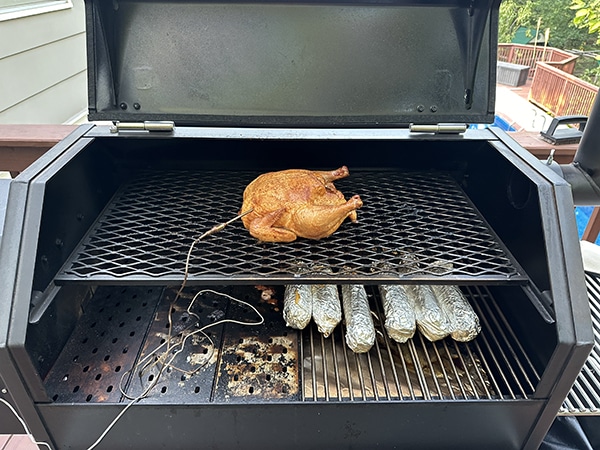
Using a water pan can also help stabilize the temperature and distribute heat evenly. If your grill has multiple burners, turn off the burners directly under the food and keep adjacent burners on low to create indirect heat.
Have you experimented with vent adjustments? Sometimes simply opening or closing the vents slightly can balance the airflow and improve smoke circulation. Don’t be afraid to test small changes and observe the results.
Credit: www.artofmanliness.com
Credit: www.sobeys.com
Frequently Asked Questions
How Do You Convert A Gas Grill Into A Smoker?
To convert a gas grill into a smoker, use a smoker box or foil pouch filled with wood chips. Preheat the grill, set burners to low, and place the smoker box near the heat source. Close the lid and maintain low temperature for slow smoking.
What Wood Chips Work Best For Gas Grill Smoking?
Popular wood chips for gas grill smoking include hickory, apple, cherry, and mesquite. Choose wood flavors based on the meat type. Soak chips in water for 30 minutes to prevent quick burning and produce steady smoke during cooking.
How Long Should You Smoke Food On A Gas Grill?
Smoking time depends on the meat type and size. For example, ribs take 2-3 hours, brisket 6-8 hours, and chicken 1. 5-2 hours. Maintain a low temperature between 225°F and 250°F for tender, flavorful results.
Can I Control Temperature Easily When Smoking On A Gas Grill?
Yes, controlling temperature on a gas grill is simple. Adjust the burners to low or medium-low and use the grill lid to maintain heat. Use a grill thermometer for accurate temperature monitoring throughout the smoking process.
Conclusion
Turning your gas grill into a smoker is simple and fun. Use wood chips and control the heat carefully. This method adds rich flavor to your food. You can enjoy slow-cooked, smoky meals without extra equipment. Try it out next time you grill.
Taste the difference and enjoy outdoor cooking more. Keep experimenting to find your favorite smoke flavor. Your grill can do more than just cook fast. Smoky, tender food is just a few steps away.
