
Storing your propane tank outdoors might seem simple, but doing it the right way is crucial for your safety and the tank’s lifespan. If you’re unsure where to place your tank or how to protect it from the weather, you’re not alone.
You’ll discover easy, practical steps to keep your propane tank safe, secure, and ready to use whenever you need it. Keep reading to learn how small changes can make a big difference in protecting your home and family.
Choosing The Right Location
Keep propane tanks at least 10 feet awayfrom any building or structure. This reduces risk in case of leaks or fire. Avoid placing tanks near doors, windows, or vents where gas could enter a home.
Choose spots with low foot and vehicle traffic. High traffic areas increase chances of accidents or damage. A quiet corner of the yard or driveway edge often works best.
Place tanks in areas with good sunlight and airflow. Direct sunlight helps prevent moisture buildup. Proper ventilation stops gas from collecting if leaks occur. Avoid enclosed spaces like sheds or garages.
Preparing The Ground
A flat and stable groundis important for propane tanks. It prevents them from tipping over. Use a level toolto ensure the ground is even. A stable surface keeps the tank safe and secure.
A protective basehelps maintain the tank’s condition. It should be made of sturdy materials like concrete or wood. This base protects the tank from dirt and moisture. It also helps in keeping the tank steady.
Good drainage is crucialto avoid water pooling. Water can cause rust or damage to the tank. Ensure the ground slopes away from the tank. This helps water flow away easily.
Proper Tank Positioning
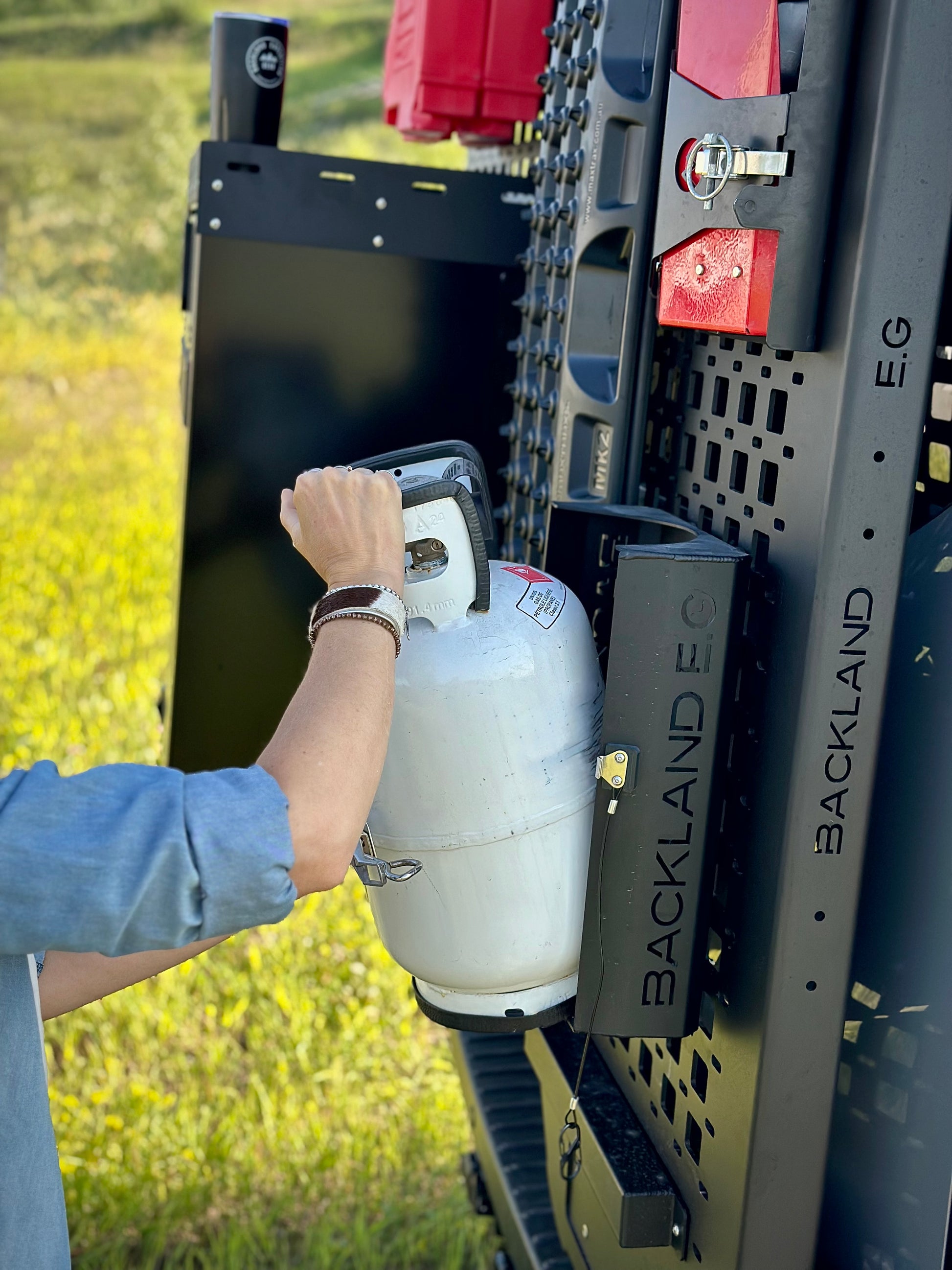
Always keep the propane tank upright. This position helps the safety valve work well. Tanks lying on their side can leak gas. They also may cause damage inside the tank. The upright position stops liquid propane from escaping.
Secure the tank firmly. Use a chain or strapto hold it in place. This prevents the tank from falling or tipping over. A stable base, like a concrete pad or gravel, keeps the tank steady.
| Valve Orientation | Reason |
|---|---|
| Facing away from walls and windows | Prevents gas from entering your home if it leaks |
| Pointing upward | Keeps the valve dry and free from debris |
| Easily accessible | Allows quick shut off in an emergency |
Credit: backlandgear.com
Safety Measures To Follow
Regular inspectionsof propane tanks help spot problems early. Check for rust, dents, or leaks. Make sure the valve is clean and works well. Look under the tank for any wet spots or damage.
Leak detectionis very important for safety. You can use a soapy water mix on the connections. Bubbles show a leak. Never use a flame to check for leaks. If you find a leak, close the valve and get help.
Fire prevention tipskeep everyone safe. Store tanks away from flames or sparks. Keep the tank in a cool, dry place with good airflow. Do not store propane tanks inside your home or garage. Make sure the tank stands upright on a flat surface.
Weather Protection
Rain and snow can cause rust and damage to propane tanks. Use a sturdy, waterproof cover to protect the tank. Make sure the cover allows air to flow to avoid moisture build-up underneath.
Extreme heat or cold can affect the tank’s pressure. Place the tank in a shaded area to avoid direct sunlight. In winter, keep it off the ground to prevent freezing.
- Choose covers made for propane tanks only.
- Do not wrap the tank tightly; allow some ventilation.
- Remove covers during refilling or use to check the tank.

Credit: backlandgear.com
Legal And Regulatory Guidelines
Local codesoften set the rules for storing propane tanks outside. These codes tell you how far tanks must be from buildings or fences. Many places require permitsbefore you can keep propane tanks outdoors. Checking with local authorities helps avoid fines and ensures safety.
Transport and storage limitscontrol the size and number of tanks you can keep. These limits protect people and property from accidents. Smaller tanks have fewer rules, but larger tanks must follow stricter guidelines. Always follow these limits to stay safe.
| Labeling and Signage | Purpose |
|---|---|
| Clear labels | Show tank content and hazards |
| Warning signs | Alert people about fire risk |
| Proper placement | Keep signs visible near tanks |
Maintenance And Replacement
Check the expiry datestamped on the tank. Expired tanks can be unsafe. Always use tanks within their valid date.
Have a professionalcheck your propane tank every year. Experts look for leaks, rust, and damage that might cause problems.
- Replace tanks if you see dents, rust, or leaks.
- Old tanks beyond expiry dates should be swapped out.
- Choose new tanks that meet safety standards.

Credit: www.adamsgas.co.uk
Frequently Asked Questions
How Should I Position A Propane Tank Outdoors?
Place your propane tank on a flat, stable surface outdoors. Keep it upright and away from heat sources, vents, or flames. Ensure it is well-ventilated and protected from weather elements without enclosing it in a tight space.
Can I Store Propane Tanks Near My House?
Keep propane tanks at least 10 feet away from your house or any building. This reduces fire risks and allows proper ventilation. Follow local regulations for safe distance requirements to ensure compliance and safety.
What Is The Best Weather Protection For Outdoor Propane Tanks?
Use a sturdy, ventilated cover or shelter to protect propane tanks. Avoid airtight enclosures, which trap gas. The cover should shield from rain, snow, and direct sunlight to prevent rust and maintain tank integrity.
How Often Should I Inspect My Outdoor Propane Tank?
Inspect your propane tank every month for leaks, rust, or damage. Check valves and connections regularly to ensure safety. Promptly address any issues by consulting a professional to avoid hazards.
Conclusion
Storing your propane tank outdoors keeps it safe and ready to use. Place the tank on a flat, stable surface away from heat and flames. Keep it in a well-ventilated area to avoid gas buildup. Always check for leaks before use.
Cover the tank to protect it from rain and sun. Follow these simple steps to ensure safety and extend your propane tank’s life. Safe storage matters for your home and family. Stay cautious and enjoy the benefits of propane with confidence.
