

If you want to master the art of smoking pork shoulder on a charcoal grill, you’re in the right place. Smoking meat can seem tricky, but with the right steps, you’ll create tender, flavorful pork that melts in your mouth.
Imagine the smoky aroma filling your backyard and the first bite bursting with juicy goodness. In this guide, you’ll discover simple tips and tricks to turn your charcoal grill into a smoker and impress your friends and family. Ready to take your BBQ skills up a notch?
Let’s get started!
Choosing The Right Pork Shoulder
Choosing the right pork shoulder sets the foundation for a successful smoke on your charcoal grill. The cut you pick influences flavor, texture, and how well it stands up to long, slow cooking. Knowing what to look for helps you avoid common pitfalls and get that tender, juicy meat everyone craves.
Understanding The Types Of Pork Shoulder
Pork shoulder typically comes in two main cuts: the Boston butt and the picnic shoulder. The Boston butt is well-marbled and has a good fat cap, making it ideal for smoking. The picnic shoulder has more connective tissue and skin, which can add flavor but requires longer cooking times.
Choosing between these depends on your patience and flavor preference. If you want a straightforward, juicy pull-apart result, the Boston butt usually delivers better.
Size And Weight Matter
Look for a pork shoulder that weighs between 5 to 8 pounds. This size fits well on most charcoal grills and allows for even cooking. Larger cuts can be harder to manage and might need more fuel and time.
Think about your gathering size too. Will leftovers be a bonus or a burden? Picking the right size helps balance effort and reward.
Check For Marbling And Fat Content
Fat equals flavor in smoked pork shoulder. Look for visible streaks of fat running through the meat, known as marbling. This fat melts during smoking, keeping the meat moist and adding richness.
A thick fat cap on top is a bonus—it protects the meat from drying out and bastes it while you smoke. Don’t shy away from fattier cuts; they often produce the best results.
Freshness And Quality Indicators
Fresh pork shoulder should have a pinkish-red color with firm texture. Avoid meat that looks pale or has dark spots, which could indicate poor quality or age. Smell is another clue; a neutral, fresh scent is what you want.
Buying from a trusted butcher or local farm can make a difference. They often provide cuts that are fresher and better suited for smoking.
Bone-in Vs. Boneless: What To Choose?
Bone-in shoulders add flavor and help the meat cook evenly by conducting heat from the bone. However, they require a bit more attention when slicing or pulling apart. Boneless cuts are easier to handle and carve but might miss some depth of flavor.
Consider how you plan to serve the meat. If presentation matters, bone-in can impress. For convenience, boneless is your friend.
Essential Tools And Equipment
Smoking a pork shoulder on a charcoal grill demands more than just a good cut of meat. Having the right tools and equipment can make the difference between a smoky masterpiece and a frustrating mess. The right setup helps you control temperature, maintain smoke flow, and achieve that perfect tender bite.
Charcoal Grill With Adjustable Vents
Your grill is the heart of the smoking process. A charcoal grill with adjustable vents lets you control airflow and temperature with precision. You want to keep the heat steady between 225°F and 250°F, and those vents are your best friends here.
Not all grills are created equal. If your grill lacks vents, consider upgrading or adding a temperature controller to avoid wild temperature swings that can ruin your pork shoulder.
Quality Charcoal And Wood Chips
Choosing the right fuel is crucial. Lump charcoal burns hotter and cleaner than briquettes, giving you a steadier temperature. For smoke flavor, hardwood chips like hickory, apple, or cherry add delicious aroma and depth.
Have you ever tried soaking your wood chips before smoking? It slows their burn and produces a longer, steadier smoke, which is ideal for the long cook time of pork shoulder.
Reliable Meat Thermometer
Guessing when your pork shoulder is done is a gamble. A digital meat thermometer with a probe helps you monitor the internal temperature without opening the grill too often. Aim for about 195°F to 205°F for tender, pull-apart meat.
I learned this the hard way—opening the grill repeatedly killed the heat and extended cook time. A good thermometer keeps you informed and your temperature steady.
Drip Pan And Water Pan
A drip pan catches fat and juices, preventing flare-ups that char your meat. A water pan placed near the coals adds moisture to the grill environment, keeping the pork shoulder juicy during the long smoke.
Think of the water pan as your grill’s humidity controller. Without it, the meat can dry out, so don’t skip this simple addition.
Long-handled Tongs And Heat-resistant Gloves
Handling hot coals and adjusting vents means you need proper safety gear. Long-handled tongs give you control without risking burns. Heat-resistant gloves protect your hands when moving hot grates or adding charcoal.
Comfort and safety go hand in hand. Don’t let a minor burn ruin your smoking session or future cookouts.
Aluminum Foil And Butcher Paper
Wrapping your pork shoulder during the cook helps retain moisture and speed up the process. Use heavy-duty aluminum foil or butcher paper for wrapping after the meat hits the stall, typically around 160°F internal temperature.
Choosing the right wrap can affect the bark and moisture balance. Butcher paper lets the smoke penetrate while keeping juices in, while foil seals everything tightly for a more steamed finish.
Preparing The Pork Shoulder
Preparing the pork shoulder is essential for a delicious smoked result. Proper preparation helps the flavors soak in deeply. It also ensures even cooking and a tender texture.
Start by handling the meat carefully. Removing certain parts and adding seasoning makes a big difference. Two main steps are trimming excess fat and applying a dry rub.
Trimming Excess Fat
Trim large chunks of fat from the pork shoulder. Leave a thin layer to keep the meat moist. Too much fat can cause flare-ups on the grill.
Use a sharp knife and work slowly. Remove any silver skin or tough membranes too. This helps the smoke flavor reach the meat better.
Applying Dry Rub
Pat the pork shoulder dry with paper towels before adding the rub. This helps the seasoning stick well.
Mix spices like salt, pepper, paprika, garlic powder, and brown sugar. Rub the mixture evenly on all sides. Don’t forget the crevices and under the fat layer.
Let the meat rest at room temperature for 30 minutes after rubbing. This allows the flavors to start soaking in before smoking.
Setting Up The Charcoal Grill
Setting up a charcoal grill correctly is key to smoking pork shoulder well. It controls temperature and smoke flow. Proper setup ensures slow cooking and tender meat. Preparing your grill carefully makes the smoking process easier and more enjoyable.
Choosing The Right Charcoal
Pick lump charcoal or briquettes for steady heat. Lump charcoal burns hotter but faster. Briquettes burn longer and maintain temperature better. Avoid charcoal with fillers or additives. Use natural charcoal for clean smoke and better flavor.
Arranging Coals For Indirect Heat
Arrange coals on one side of the grill only. Leave the other side empty for indirect cooking. Place a drip pan under the grill grate on the empty side. This catches fat and prevents flare-ups. Put the pork shoulder over the drip pan. This setup cooks the meat slowly without direct flames.
Smoking Process
The smoking process is where the magic happens when preparing pork shoulder on a charcoal grill. This phase requires patience and attention to detail to ensure the meat absorbs the right flavors and reaches that perfect tenderness. Understanding how to control temperature and add wood chips effectively will make a huge difference in your final dish.
Maintaining Grill Temperature
Keeping your charcoal grill at a steady temperature between 225°F and 250°F is crucial for smoking pork shoulder. Too hot, and the meat cooks too fast; too cool, and it won’t develop the smoky flavor or tender texture you want.
Use a grill thermometer to monitor heat consistently. Adjust the air vents to control oxygen flow — opening them raises the temperature, closing lowers it. I learned this the hard way when my first smoke stalled because I neglected the vents.
Check the temperature every 30 minutes, especially during the first few hours. This helps you react quickly if the heat starts to fluctuate. Have you ever thought about how small changes in airflow impact the entire smoking process?
Adding Wood Chips For Flavor
Wood chips are what give smoked pork shoulder its signature taste. Different woods add different flavors — hickory offers a strong, bacon-like smokiness, while apple wood adds a sweet, fruity note.
Soak your wood chips in water for at least 30 minutes before adding them to the charcoal. This slows down their burning, creating a steady stream of smoke instead of quick bursts.
Place soaked chips directly on hot coals or use a smoker box if your grill has one. Adding chips every hour keeps the smoke consistent. Have you experimented with mixing woods to create your unique flavor profile?
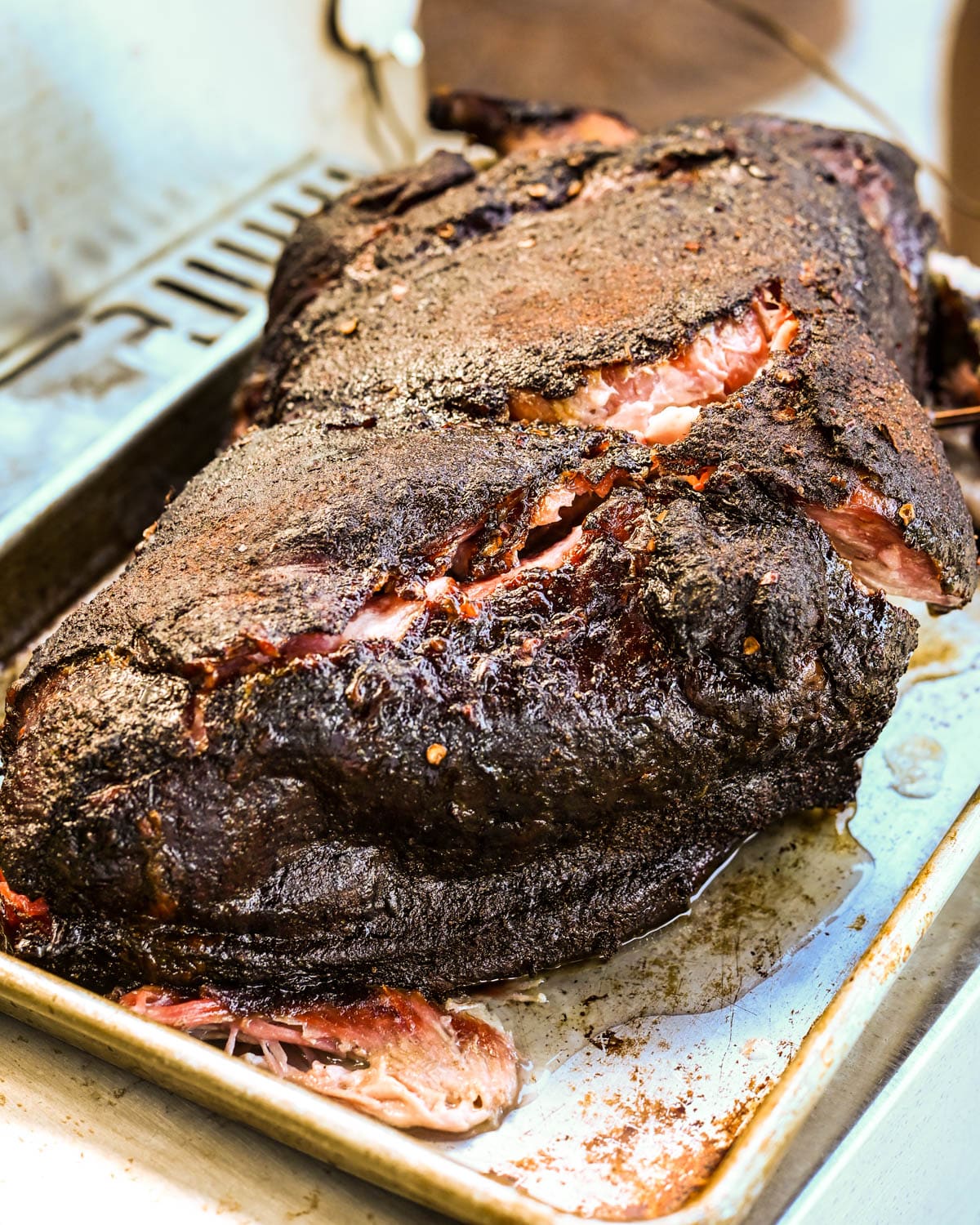
Credit: www.garlicandzest.com
Monitoring And Adjusting
Monitoring and adjusting during the smoking process keeps the pork shoulder tender and flavorful. It helps maintain the right temperature and moisture levels. This ensures the meat cooks evenly and stays juicy throughout the session.
Checking Internal Temperature
Use a meat thermometer to check the pork’s internal temperature. Insert it into the thickest part without touching bone. Aim for 195°F to 205°F for perfect tenderness. Check the temperature every hour to track progress. Avoid opening the grill too often to keep heat steady.
Spritzing For Moisture
Spritz the pork shoulder every 45 minutes with a liquid. Use apple juice, vinegar, or a mix to add moisture. This prevents the meat from drying out. Hold the sprayer close but avoid washing off the smoky bark. Light misting keeps the surface moist and flavorful.
Finishing Touches
Finishing touches make a huge difference in how your smoked pork shoulder turns out. This phase is where tenderness and flavor truly develop before you slice into the meat. Paying attention to these final steps helps you avoid common pitfalls like dry or tough pork.
Wrapping For Tenderness
Wrapping your pork shoulder during the last part of the smoke locks in moisture and speeds up the cooking process. Use either aluminum foil or butcher paper—each has its own effect on the bark and juiciness.
- Aluminum foilcreates a tighter seal, which steams the meat slightly and softens the bark.
- Butcher paperallows the meat to breathe a bit, preserving a firmer bark while still keeping juices inside.
Try wrapping once the internal temperature hits around 160°F (70°C). Have you noticed how wrapping changes the texture? It’s like giving your pork a cozy blanket to finish cooking evenly.
Resting The Meat
Never skip resting your pork shoulder after it comes off the grill. Resting lets the juices redistribute, making every bite juicy and flavorful rather than dry.
Wrap the meat loosely in foil and let it rest for at least 30 minutes, or up to an hour if you can wait. How many times have you cut into meat too soon, only to watch all the juices run out? Avoid this by giving your pork this crucial break.
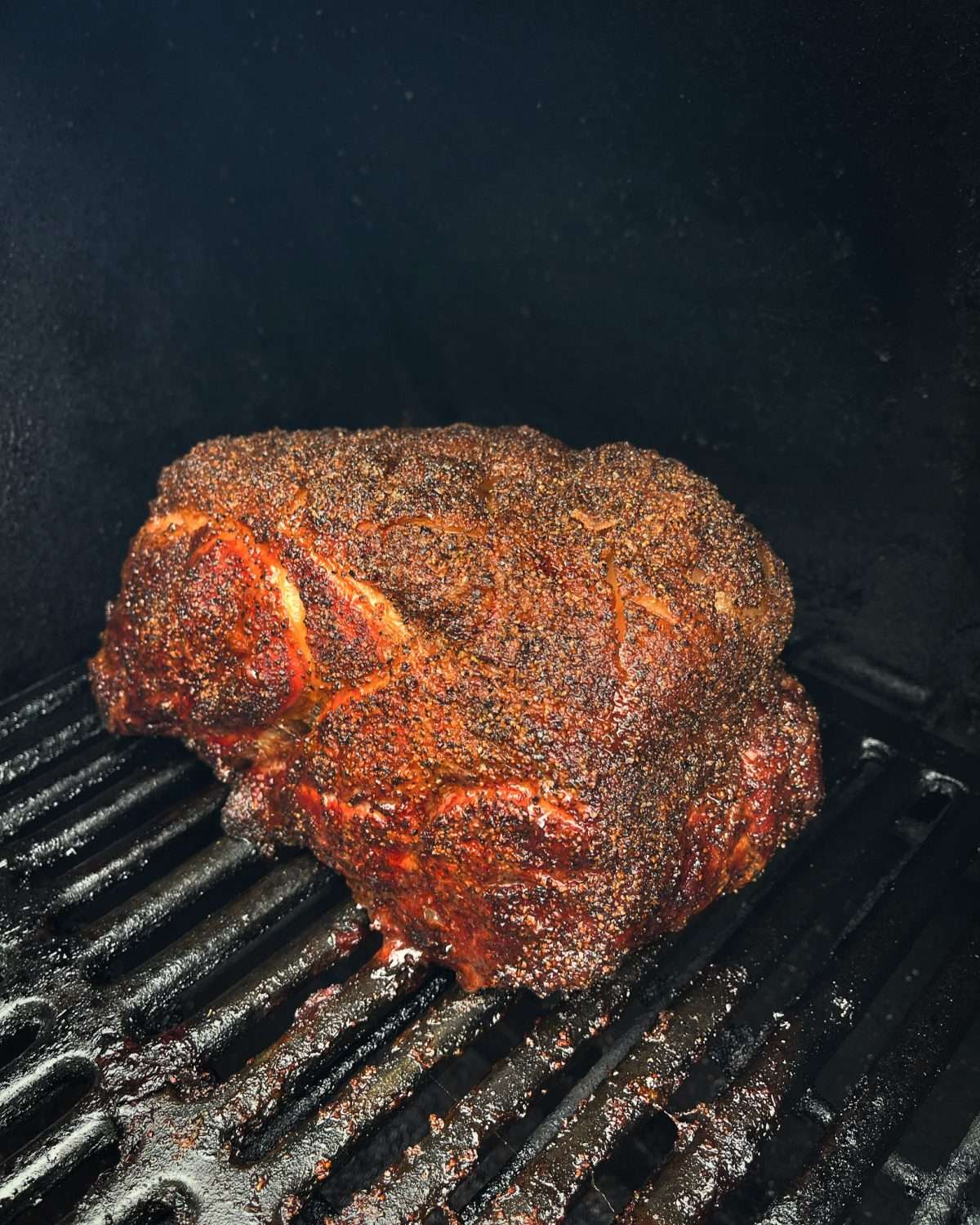
Credit: saltbuttersmoke.com
Serving Suggestions
Serving smoked pork shoulder is as important as cooking it well. The right sides and sauces lift the flavors and make the meal complete. Keep the balance of taste and texture in mind. Bright, fresh sides contrast the rich, smoky meat. Sauces add moisture and a flavor punch.
Pairing With Sides
- Coleslaw: Crisp and tangy, it cuts through the richness.
- Baked Beans: Sweet and smoky, they complement pork beautifully.
- Cornbread: Soft and slightly sweet, perfect for soaking juices.
- Grilled Vegetables: Adds a light, charred flavor and freshness.
- Potato Salad: Creamy texture balances the smoky meat.
- Pickles: Sharp and acidic, they brighten each bite.
Recommended Sauces
- Classic BBQ Sauce: Sweet, tangy, and smoky, a timeless choice.
- Mustard-Based Sauce: Adds a sharp and tangy flavor twist.
- Vinegar Sauce: Light and acidic, perfect for cutting fat.
- Hot Sauce: Adds heat and enhances smoky notes.
- Honey Glaze: Sweetens the meat with a sticky finish.
Troubleshooting Common Issues
Smoking pork shoulder on a charcoal grill can be tricky. Problems like temperature swings and dry meat often happen. Knowing how to fix these issues helps you get tender, juicy results every time.
Dealing With Temperature Fluctuations
Keeping a steady temperature is key for smoking pork shoulder. Charcoal grills can change heat fast. Watch the grill closely and adjust air vents to control airflow. More air means hotter fire, less air cools it down.
Use a good grill thermometer to monitor heat inside the grill. Avoid opening the lid too often. Each time you open it, heat escapes, causing big drops. Add charcoal in small amounts to keep heat steady. Arrange coals on one side for indirect cooking. This slows down temperature spikes and helps cook the pork evenly.
Avoiding Dry Meat
Dry pork shoulder ruins a great smoke session. Low and slow is the rule, but too low can dry the meat. Use a water pan inside the grill to keep moisture in the air. This helps keep the pork juicy.
Wrap the pork shoulder in foil or butcher paper once it hits the stall (around 160°F). This traps moisture and speeds up cooking. Avoid overcooking by checking the internal temperature. Aim for 195°F to 205°F for tender meat. Let the pork rest for at least 30 minutes after cooking to keep juices locked inside.
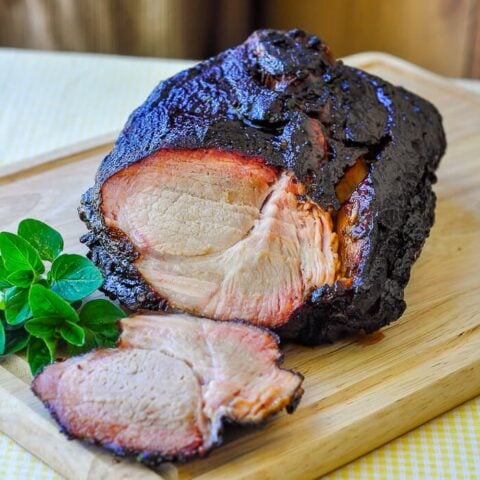
Credit: www.rockrecipes.com
Frequently Asked Questions
How Long To Smoke Pork Shoulder On Charcoal Grill?
Smoking pork shoulder on a charcoal grill typically takes 1. 5 to 2 hours per pound. Maintain a steady temperature of 225-250°F. Use a meat thermometer to check for an internal temperature of 195-205°F for tender, juicy results.
What Charcoal Is Best For Smoking Pork Shoulder?
Use natural lump charcoal or high-quality briquettes for consistent heat. Lump charcoal burns hotter and cleaner. Adding wood chunks like hickory or apple enhances flavor. Avoid charcoal with additives to keep the pork’s smoky taste pure.
How To Maintain Temperature On A Charcoal Grill?
Control airflow using the grill’s vents and dampers. Adjust charcoal quantity and placement to manage heat zones. Add charcoal or wood chips as needed. Use a grill thermometer to monitor and maintain a stable 225-250°F temperature during smoking.
Should I Wrap Pork Shoulder During Smoking?
Wrapping pork shoulder in foil or butcher paper after 4-5 hours locks in moisture. It helps push through the “stall” phase and speeds cooking. Unwrap during the last 30 minutes for a crispy bark. This method enhances tenderness and juiciness.
Conclusion
Smoking pork shoulder on a charcoal grill takes time and patience. Keep the temperature steady and use good quality charcoal. Add wood chips for extra smoky flavor. Check the meat often to avoid drying out. Rest the pork before slicing to keep it juicy.
Enjoy the rich, tender taste you made yourself. Smoking meat is a fun way to cook outdoors. Try different spices and wood types for new flavors. Keep practicing, and your smoked pork will get better every time.
