
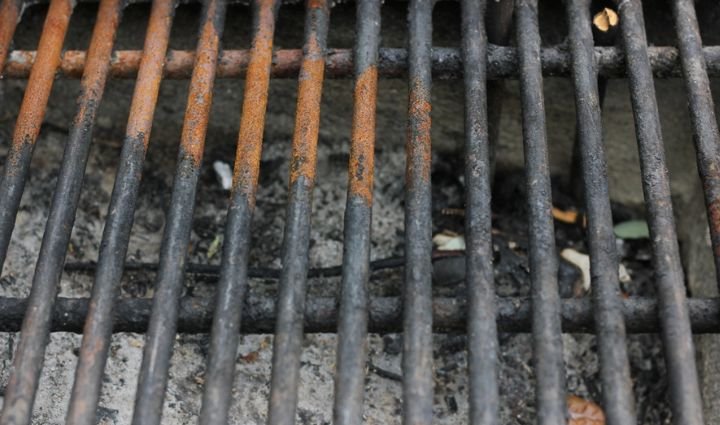
Is your cast iron grill grate looking rusty, sticky, or just plain worn out? You don’t have to toss it away or buy a new one.
With the right steps, you can bring your grill grate back to life, making it cook like new again. Imagine flipping your favorite burger on a clean, smooth surface that heats evenly and lasts for years. In this guide, you’ll learn simple, effective ways to restore your cast iron grill grates so your next barbecue is a perfect success.
Ready to get your grill back in top shape? Let’s dive in.

Credit: www.youtube.com
Assessing Grill Grate Condition
Before you dive into restoring your cast iron grill grates, it’s crucial to assess their current condition carefully. This helps you understand what kind of cleaning or repair they need and prevents further damage during the restoration process. Taking a close look at rust, residue, and any physical damage will guide your next steps effectively.
Checking For Rust And Residue
Start by examining your grill grates for rust spots and leftover residue from previous cooking sessions. Rust often appears as reddish or brown patches, and it can weaken the metal if not treated promptly. Residue might look like blackened grease or burnt food stuck on the surface.
Use a stiff brush or steel wool to test how firmly the rust or residue is attached. If it scrapes off easily, you’re in luck—it means the grates just need a thorough cleaning. However, if the rust has deeply penetrated, you’ll need more aggressive methods like sanding or vinegar soaking to restore the surface properly.
Identifying Damage And Wear
Next, inspect your grill grates for signs of physical damage such as cracks, warping, or deep pits. These issues can affect how evenly your food cooks and may even make the grates unsafe to use. Look closely along the edges and in corners where damage often hides.
Wear might show up as thinning metal or uneven surfaces caused by years of heating and cooling cycles. If you spot any serious damage, consider whether the grates are worth restoring or if replacement would be a better investment. What’s the value of salvaging your current grates versus starting fresh?
Cleaning Cast Iron Grates
Cleaning cast iron grill grates is essential for keeping them in good shape. Proper cleaning removes old food, grease, and rust. This helps maintain the grill’s performance and extends its life. Use gentle methods to protect the cast iron’s seasoning and prevent damage.
Removing Loose Debris
Start by removing loose debris from the grates. Use a stiff wire brush to scrape off burnt food and ashes. Brushing after each use makes deep cleaning easier. You can also tap the grates gently to shake off loose bits. Keeping the surface clear helps the grill heat evenly.
Using Natural Cleaning Methods
Natural cleaning is safe and effective for cast iron. Use coarse salt and a little water as a scrubbing paste. The salt acts as a mild abrasive to remove stuck particles. Rinse the grates with warm water but avoid soaking them. Dry the grates immediately to stop rust from forming.
Avoiding Harsh Chemicals
Harsh chemicals can ruin cast iron grates. Avoid bleach, oven cleaners, and strong detergents. These products strip the seasoning and cause rust. Stick to simple tools like brushes, salt, and water. Protect your grates by using only gentle, natural cleaners.
Removing Rust Effectively
Removing rust from cast iron grill grates is key to restoring their performance. Rust can cause uneven heating and affect food taste. Effective rust removal also protects the grates from further damage. Use simple, safe methods to bring your grill grates back to life.
Soaking Techniques
Soaking helps loosen rust and makes scrubbing easier. Use white vinegar or a mix of vinegar and water. Submerge the grates in the solution for a few hours. For heavy rust, soak overnight but check regularly. Rinse the grates well after soaking to remove vinegar smell. Dry them completely to stop new rust from forming.
Scrubbing Tools And Tips
Choose the right tools to avoid damaging the grates. Use a stiff wire brush or steel wool for rust removal. Scrub in small sections with firm pressure. Avoid using metal brushes with loose bristles. A nylon scrubber works well for light rust spots. Clean all sides, including corners and crevices. Rinse and dry the grates after scrubbing to prevent moisture buildup.
Dealing With Stubborn Rust
Stubborn rust needs extra effort and stronger solutions. Make a paste of baking soda and water. Apply it on rust spots and let it sit for 30 minutes. Scrub the paste off with a brush or steel wool. Repeat the process if rust remains. For tough cases, use a rust remover made for cast iron. Follow the product instructions carefully for best results.
Drying And Preparing For Seasoning
Drying and preparing your cast iron grill grates is a key step before seasoning. Proper drying stops rust from forming. Preparing the surface helps the oil stick better. This process makes your grill grates last longer and cook food evenly.
Ensuring Thorough Drying
After cleaning, water must be removed completely. Use a clean cloth to dry the grates well. Let them air dry for about 10 to 15 minutes. Place grates in a warm spot or near a heat source. Avoid leaving any moisture in cracks or corners. Moisture causes rust and damage quickly.
Prepping Surface For Oil Application
Once dry, the surface needs to be ready for oil. Use a paper towel or clean cloth. Apply a thin layer of cooking oil to all parts. Cover the entire surface evenly but avoid thick layers. This thin coat helps create a strong seasoning layer. Make sure no spots are left without oil. Seasoning improves with a clean, dry surface.
Seasoning Steps For Cast Iron
Seasoning your cast iron grill grates is essential to restore their non-stick surface and prevent rust. This process creates a protective layer that improves flavor and extends the life of your grates. Let’s walk through the key steps to get that perfect seasoning.
Choosing The Right Oil
Not all oils work the same for seasoning cast iron. Look for oils with a high smoke point, such as grapeseed oil, flaxseed oil, or vegetable oil. These oils polymerize well, forming a strong, durable coating.
Have you tried using olive oil? It’s common but less ideal because it smokes at lower temperatures and can leave a sticky residue. Picking the right oil upfront saves you time and effort in the long run.
Applying Oil Evenly
Applying oil evenly is crucial. Use a clean cloth or paper towel to rub a thin layer of oil over every surface of the grill grates. Avoid soaking the grates; too much oil can create a sticky buildup instead of a smooth seasoning.
Pay attention to corners and crevices where oil might pool. A thin, uniform coating ensures the seasoning bakes on properly and lasts longer. If you’ve ever had patchy seasoning, uneven oiling is often the culprit.
Baking The Grates Properly
Once oiled, bake the grates upside down in an oven preheated to around 450-500°F (230-260°C). Placing a sheet of foil or a tray underneath catches any drips and keeps your oven clean. Baking for about an hour allows the oil to bond with the metal.
After baking, turn off the oven and let the grates cool inside to avoid thermal shock. You might wonder how many times to repeat this—usually, 2-3 cycles build a strong seasoning layer. This patient approach pays off every time you fire up your grill.

Credit: www.lambertslately.com
Maintaining Seasoned Grates
Maintaining seasoned cast iron grill grates is key to keeping them in great shape and ensuring your food tastes fantastic every time you grill. Seasoning creates a natural, non-stick surface that improves with use, but it needs care to stay effective. Neglect can lead to rust and sticky residue, which ruins both your grates and your grilling experience.
Cleaning After Use
Clean your grates right after cooking while they’re still warm. Use a grill brush or a scraper to remove food bits and grease easily. Avoid soap, as it can strip away the seasoning you’ve worked hard to build.
Rinse with hot water if needed, then dry immediately with a towel to prevent rust. If some stubborn residue remains, heat the grill for a few minutes to burn it off before scrubbing again.
Reapplying Oil Periodically
Oiling your grates after cleaning keeps the seasoning strong and prevents rust. Use a high smoke point oil like canola, vegetable, or flaxseed oil.
Apply a thin, even layer with a cloth or paper towel. Then, heat the grill for 10-15 minutes to let the oil bond to the metal. This simple step can save you from frequent deep restorations.
Storage Tips To Prevent Rust
Where and how you store your grill grates affects their longevity. Always store them in a dry place, especially during humid or rainy seasons.
If your grill stays outside, cover it with a waterproof grill cover and consider removing the grates to store indoors. A little prevention here can keep your grates rust-free and ready to go for your next cookout.

Credit: www.youtube.com
Frequently Asked Questions
How Do I Clean Cast Iron Grill Grates?
To clean cast iron grill grates, start by brushing off food debris with a stiff brush. Use warm, soapy water and a sponge to remove grease. Rinse thoroughly and dry immediately to prevent rust. Always apply a thin layer of oil after cleaning to maintain the seasoning.
Can I Use Soap On Cast Iron Grates?
Yes, you can use mild soap on cast iron grates. Ensure you rinse thoroughly to remove all soap residue. After cleaning, dry the grates immediately to prevent rusting. Always apply a thin layer of oil to maintain the seasoning and protect the cast iron surface.
How Often Should I Season Cast Iron Grates?
Season cast iron grill grates after each use to maintain a non-stick surface. Regular seasoning prevents rust and enhances flavor. Apply a thin layer of vegetable oil and heat the grates on your grill for about 15 minutes. This process ensures your grates stay in optimal condition.
What Oil Is Best For Seasoning Cast Iron?
Vegetable oil or canola oil is best for seasoning cast iron grates. These oils have a high smoke point, ensuring effective seasoning. Apply a thin layer after cleaning and heat the grates to allow the oil to bond. This helps in creating a non-stick, rust-resistant surface.
Conclusion
Restoring cast iron grill grates takes time and care. Clean off rust with a wire brush and soap. Dry them well to stop any new rust. Apply oil to keep the grates smooth and shiny. Regular cleaning helps your grill last longer.
Enjoy better cooking with well-kept grill grates. Keep these steps in mind for easy maintenance. Your grill will stay ready for every barbecue. Simple habits make a big difference over time. Grill with confidence and tasty results ahead.
