
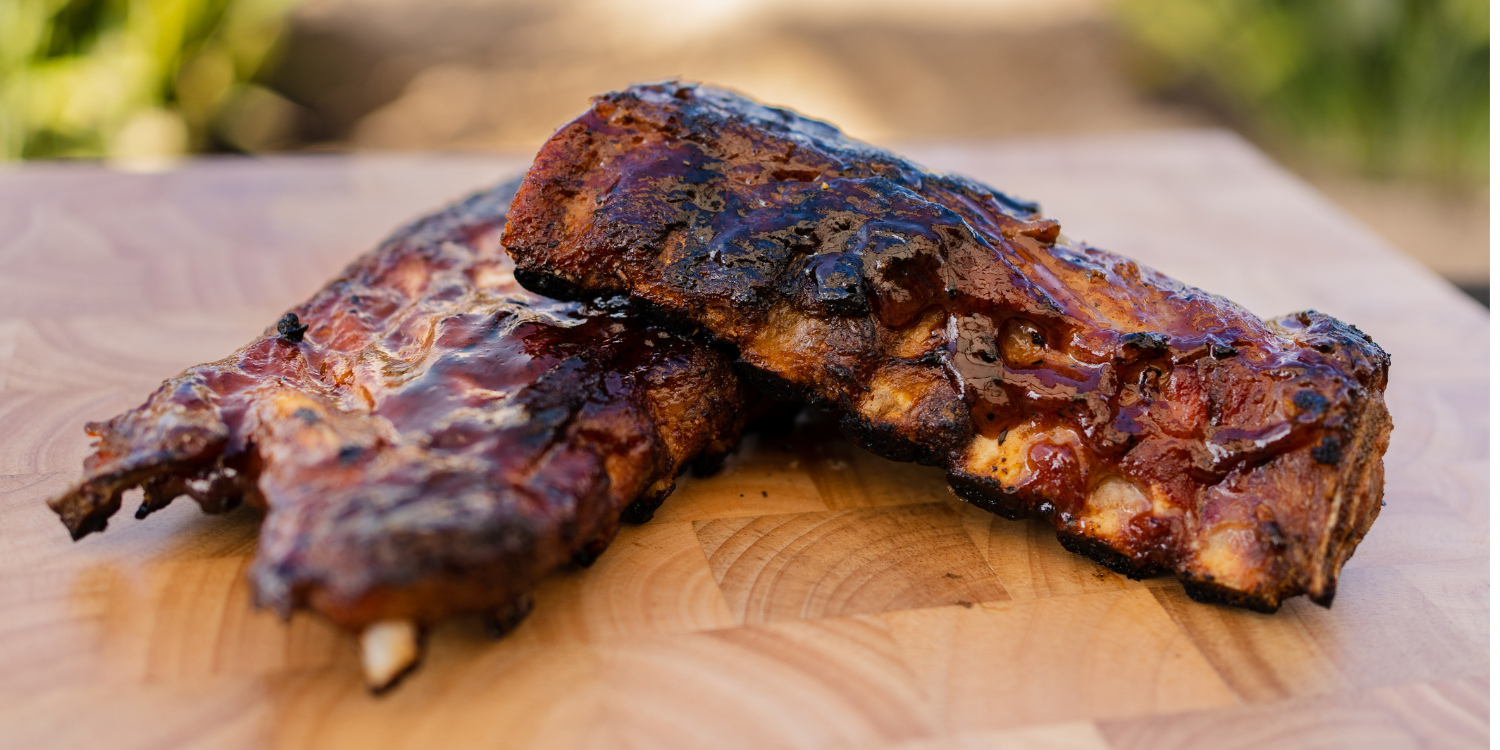
If you want mouth-watering BBQ ribs with that perfect smoky flavor, grilling them on your gas grill is the way to go. But getting tender, juicy ribs isn’t always easy.
You might wonder how to avoid dry meat or burnt edges. Don’t worry—this guide will show you exactly how to grill BBQ ribs on a gas grill step by step. By the end, you’ll have the confidence to create ribs that impress every time.
Ready to become the grill master your friends and family rave about? Let’s dive in!

Credit: www.reddit.com
Choosing The Right Ribs
Choosing the right ribs is the first step to grilling mouthwatering BBQ ribs on your gas grill. The type and quality of ribs you pick will shape the flavor, tenderness, and cooking time. Understanding the differences between rib cuts and knowing what to look for at the store can make a big difference in your grilling success.
Baby Back Vs. Spare Ribs
Baby back ribs come from the upper part of the ribcage, near the spine. They are shorter, leaner, and cook faster than spare ribs. Their meat is tender and mild, making them great for quick grilling sessions.
Spare ribs come from the lower part of the ribcage, closer to the belly. These ribs have more fat and connective tissue, which means they take longer to cook but deliver richer flavor and juicier meat. If you enjoy a deeper, more robust BBQ taste, spare ribs are your go-to.
Think about your cooking time and flavor preference before choosing. Are you aiming for quick, tender bites or slow-cooked, flavorful ribs?
Selecting Quality Cuts
Look for ribs with a good amount of meat between the bones, not just on top. The meat should be firm and moist, with a fresh pinkish color—avoid any that look dry or have dark spots.
Check the fat distribution; a thin layer of white fat adds flavor and moisture during grilling. Avoid ribs with excessive fat or a grayish hue, as they might be old or not fresh.
Don’t hesitate to ask your butcher where the ribs come from or if they recommend a particular cut. Your confidence in the quality of ribs will make your grilling experience more enjoyable and rewarding.
Preparing Ribs For Grilling
Preparing ribs properly before grilling is key to getting tender, flavorful BBQ ribs on your gas grill. It’s more than just slapping on some sauce and fire—taking the time to prep the meat sets the stage for that perfect bite. Let’s dive into the essentials that make your ribs stand out right from the start.
Trimming Excess Fat
Ribs come with a layer of fat that can be both a blessing and a curse. Too much fat can cause flare-ups on the grill, leading to burnt spots and uneven cooking. Trim away large chunks of excess fat, but leave a thin layer to keep the meat juicy during cooking.
Using a sharp knife helps you easily slide under the fat and remove it cleanly. Don’t worry about being too precise; a little fat left behind will render down and add flavor. Have you ever noticed how overly fatty ribs can sometimes taste greasy? This step helps prevent that.
Removing The Membrane
On the bone side of the ribs, there’s a tough, silvery membrane that many overlook. Leaving it on can make ribs chewy and stop seasonings from penetrating properly. Peel off this thin layer for tender ribs every time.
Use a paper towel to grip the membrane—it’s slippery—and gently pull it away from the bones. If it tears, just grab a new spot and continue pulling. This simple step can dramatically improve the texture of your ribs and is often the difference between good and great BBQ.
Seasoning And Marinating
Seasoning your ribs is where you get creative and add personality to your BBQ. A dry rub with salt, pepper, paprika, garlic powder, and brown sugar works wonders. You can also marinate ribs in your favorite BBQ sauce or a mixture of spices and liquids for a few hours or overnight.
Applying seasoning evenly and allowing it to rest on the meat helps flavors soak in deeply. Don’t rush this process; your patience will pay off in every bite. What’s your go-to spice mix for ribs? Experimenting here can make your BBQ uniquely yours.
Setting Up The Gas Grill
Setting up your gas grill correctly is the foundation for perfectly grilled BBQ ribs. Getting this step right ensures even cooking and juicy ribs every time. Before you start grilling, take a moment to prepare your grill for indirect heat and maintain the right temperature throughout the process.
Indirect Heat Method
Indirect heat is essential for ribs because it cooks them slowly without burning the outside. To set this up, turn on only one side or one burner of your gas grill. Leave the other side off and place your ribs on the cooler side, away from the flames.
This setup acts like an oven, allowing the ribs to cook evenly and absorb smoky flavors. If your grill has multiple burners, you can turn on two burners on one side and leave the other side off. This way, you create a safe zone for slow cooking without flare-ups.
Maintaining Temperature
Keeping a steady temperature between 225°F and 275°F is key to tender ribs. Use a grill thermometer to monitor the heat, as built-in gauges can be inaccurate. Adjust the burners as needed to avoid temperature spikes or drops.
Don’t open the grill lid too often; each time you do, heat escapes, and cooking time increases. Instead, rely on your thermometer and visual cues like smoke color and rib appearance. Have you noticed how small temperature changes can drastically affect your rib texture?

Credit: www.thepioneerwoman.com
Grilling Techniques
Mastering grilling techniques is essential to get tender, flavorful BBQ ribs on your gas grill. The right approach controls heat and smoke, making your ribs juicy without burning them. Let’s dive into practical tips that ensure every bite is delicious.
Preheating The Grill
Preheat your gas grill for at least 15 minutes before cooking. Aim for a steady medium heat around 250-275°F (120-135°C). This helps create an even cooking environment and avoids flare-ups that can char your ribs.
I once skipped preheating and ended up with unevenly cooked ribs that were tough on one side and underdone on the other. Don’t make the same mistake—you want consistent heat from the start.
Cooking Time And Temperature
Low and slow wins the race with ribs. Maintain a temperature between 225-275°F (107-135°C) and plan for about 3 to 4 hours of cooking time. This slow cooking breaks down connective tissue and infuses smoky flavor.
Keep the grill lid closed as much as possible. Every time you open it, heat escapes and extends cooking time. Use a meat thermometer to check for an internal temperature of around 190-203°F (88-95°C) when ribs are tender and ready.
Using A Rib Rack
A rib rack is a game changer if you want to grill multiple slabs at once. It holds ribs upright, saving space and allowing heat and smoke to circulate evenly around each rack. This prevents soggy bottoms and promotes uniform cooking.
If you don’t have a rib rack, you can improvise by standing ribs on their side or using foil to separate them. Have you tried this? It might just improve your grilling setup and maximize your grill’s capacity.
Enhancing Flavor
Enhancing the flavor of BBQ ribs on a gas grill makes the meal unforgettable. Simple techniques bring out deep, rich tastes. Focus on moisture and smoke to create that classic BBQ flavor. These methods add layers of deliciousness without extra effort.
Basting With Sauce
Basting ribs with sauce keeps them juicy and flavorful. Apply sauce during the last 15 to 20 minutes of grilling. This prevents the sugars from burning and turning bitter.
- Use a brush to spread sauce evenly.
- Apply thin coats to avoid dripping flare-ups.
- Choose a sauce with balanced sweetness and tang.
Basting adds a glossy finish and enhances taste. It also locks in moisture, making ribs tender and delicious.
Adding Smoke For Flavor
Gas grills lack natural smoke, but adding wood chips can fix this. Soak wood chips in water for 30 minutes before grilling. Place them in a smoker box or wrap in foil with holes.
- Use mild woods like apple or cherry for subtle smoke.
- Place the smoker box over the burner for steady smoke.
- Keep the grill lid closed to trap smoke around ribs.
Smoke adds a rich, smoky aroma that enhances the meat’s flavor. It creates that authentic BBQ experience even on a gas grill.
Checking For Doneness
Knowing when your BBQ ribs are perfectly cooked can make all the difference between a delicious meal and a disappointing one. Checking for doneness ensures your ribs are tender, juicy, and safe to eat. It’s not just about time or temperature; it’s about reading the signs that tell you your ribs are ready to enjoy.
Using A Meat Thermometer
A meat thermometer is your most reliable tool for checking rib doneness. Insert it into the thickest part of the meat, avoiding the bone, to get an accurate reading.
Look for an internal temperature of around 190°F to 203°F. This range means the collagen has broken down, making the ribs tender but not dry. If you prefer ribs that pull apart easily, aim closer to 203°F.
Remember, relying solely on time can mislead you. I once undercooked ribs by following a recipe’s time suggestion without checking the temperature. Using a thermometer saved my next batch from being tough and chewy.
Visual And Tactile Cues
Visual signs help confirm your ribs are done. The meat should shrink back from the ends of the bones by about a quarter inch. This shrinking indicates the meat has cooked enough to loosen from the bone.
Touch the ribs to check their firmness. They should feel tender but still have a slight resistance. If they’re too soft or falling apart, they might be overcooked.
Try the bend test by lifting the rack with tongs. If the ribs bend easily and crack slightly on the surface, it’s a good sign they’re ready. Have you noticed how these simple checks often tell more than just watching the clock?
Serving Suggestions
Serving your perfectly grilled BBQ ribs is just as important as cooking them right. The way you present and pair these ribs can enhance the entire eating experience. Think about how you want your guests to enjoy the meal and what flavors will complement your ribs best.
Pairing With Sides
Choosing the right sides can elevate your BBQ ribs from great to unforgettable. Consider classic options like creamy coleslaw, baked beans, or cornbread to balance the smoky richness of the ribs.
For a fresher touch, try a crisp cucumber salad or grilled vegetables. The contrast in textures and flavors will keep your palate interested throughout the meal. Have you ever tried sweet potato fries with ribs? The natural sweetness pairs surprisingly well with tangy BBQ sauce.
Don’t forget about drinks. A cold beer, a glass of iced tea, or even a fruity lemonade can refresh your taste buds between bites.
Presentation Tips
How you serve your ribs makes a big difference in the overall impression. Use a large wooden board or rustic platter to give your ribs a hearty, inviting look. Arrange the ribs in neat rows or a slight fan shape so each piece looks easy to grab.
Add small bowls of extra BBQ sauce and pickles on the side. This invites guests to customize their meal and makes the table more interactive. Sprinkle fresh herbs like chopped parsley or cilantro over the ribs for a pop of color and a hint of freshness.
Warm your serving plates before plating the ribs to keep them hot longer. This small step shows attention to detail and improves the dining experience. What creative plating ideas have you tried that made your BBQ meals stand out?

Credit: cheflolaskitchen.com
Troubleshooting Common Issues
Grilling BBQ ribs on a gas grill can be tricky at times. Common problems might ruin your meal if not fixed early. Understanding these issues helps keep your ribs juicy and tasty. This section covers two main problems: dry ribs and flare-ups. Learn how to avoid these to enjoy perfect ribs every time.
Avoiding Dry Ribs
Dry ribs are a frequent problem on gas grills. The main cause is cooking ribs too fast at high heat. Ribs need slow and steady heat to stay tender.
- Use indirect heat by turning off burners under the ribs.
- Keep the grill temperature between 225°F and 250°F.
- Wrap ribs in foil halfway through cooking to lock in moisture.
- Brush ribs with sauce or marinade during the last 10-15 minutes.
- Check ribs often to avoid overcooking.
Dealing With Flare-ups
Flare-ups happen when fat drips on hot burners. Flames can burn ribs and cause uneven cooking.
- Trim excess fat from ribs before grilling.
- Keep a spray bottle with water nearby to control small flames.
- Use a drip pan to catch fat and reduce flare-ups.
- Move ribs away from flames if flare-ups get large.
- Close the grill lid to reduce oxygen and control flames.
Frequently Asked Questions
How Long To Grill Bbq Ribs On A Gas Grill?
Grill BBQ ribs on a gas grill for 1. 5 to 2 hours. Use indirect heat and maintain a temperature of 225-250°F. This slow cooking ensures tender, juicy ribs with a smoky flavor.
Should I Marinate Ribs Before Grilling On Gas?
Yes, marinate ribs for at least 2 hours to enhance flavor. Use a mix of spices, herbs, and a bit of acid like vinegar or lemon juice. Marinating tenderizes the meat and adds depth to the taste.
How To Prevent Ribs From Drying On A Gas Grill?
Use indirect heat and keep the grill temperature low (225-250°F). Wrap ribs in foil or baste regularly with sauce or marinade. This traps moisture and prevents the meat from drying out during grilling.
When To Apply Bbq Sauce On Gas-grilled Ribs?
Apply BBQ sauce during the last 15-20 minutes of grilling. This prevents the sugars from burning and creates a sticky, caramelized glaze. Baste ribs multiple times for the best flavor and texture.
Conclusion
Grilling BBQ ribs on a gas grill is simple and fun. Start with good ribs and prepare your grill well. Cook ribs slowly to keep them tender and juicy. Use your favorite sauce for extra flavor. Check the ribs often to avoid burning.
Serve hot and enjoy with friends or family. Practice makes perfect, so keep trying new ways. Your next BBQ will be tasty and memorable. Give it a go and enjoy great ribs every time!
