
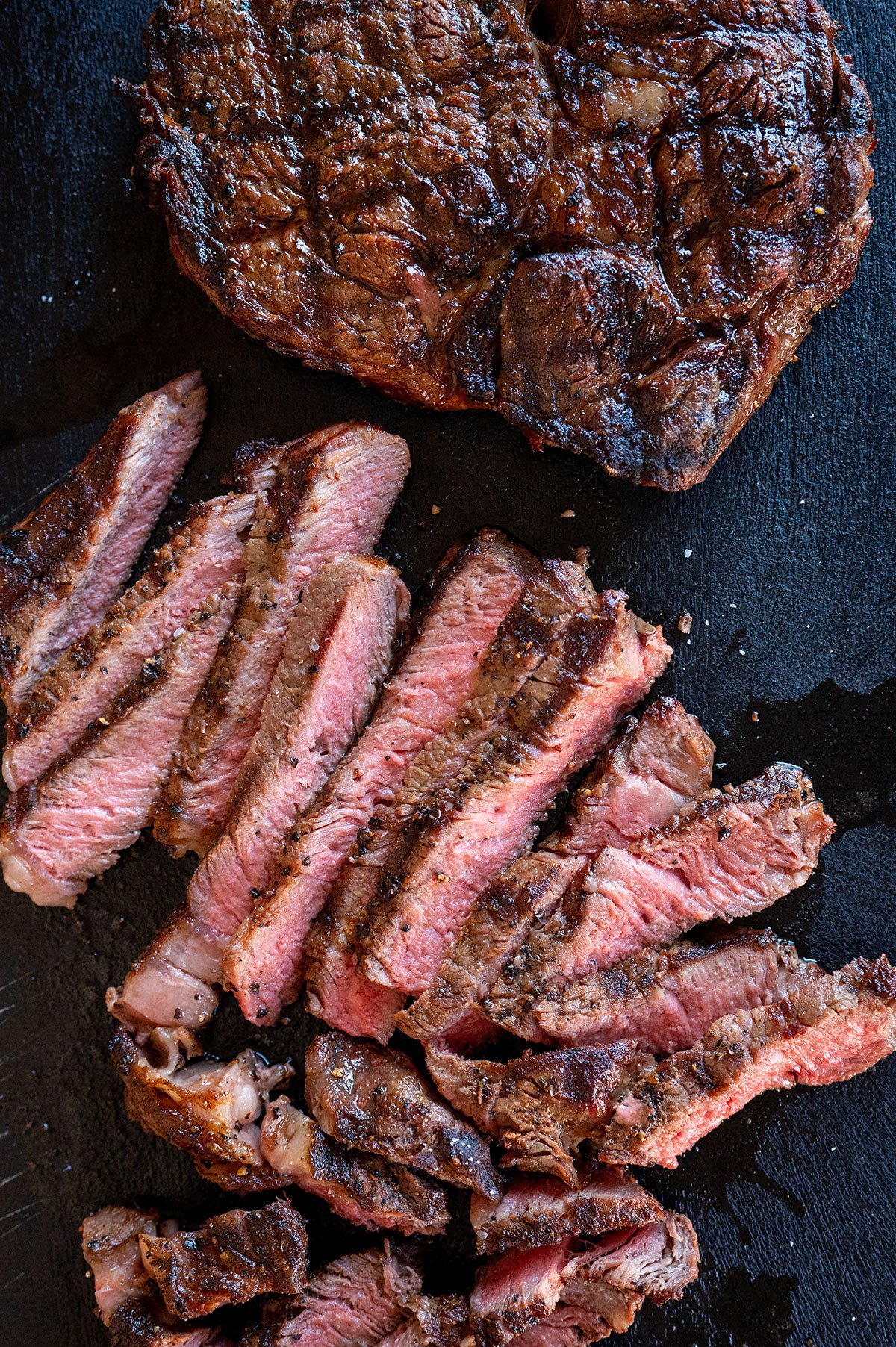
Ready to master the art of cooking steak on the grill? Whether you’re a beginner or want to sharpen your skills, this guide is made just for you.
Imagine biting into a perfectly grilled steak—juicy, tender, and full of flavor. Sounds delicious, right? You don’t need fancy tools or years of experience to make it happen. With the right tips and simple steps, you’ll impress yourself and anyone you’re grilling for.
Keep reading, and by the end, you’ll know exactly how to cook steak on the grill like a pro.

Credit: www.mychicagosteak.com
Choosing The Right Steak
Choosing the right steak is the foundation of a great grilled meal. The cut you pick directly affects flavor, tenderness, and cooking time. Knowing what to look for helps you avoid disappointment and ensures your grill session is a success.
Popular Cuts For Grilling
Some steaks are made for the grill. Ribeye, New York strip, and filet mignon are top choices because they balance flavor and tenderness well. If you want something budget-friendly but still tasty, try sirloin or flank steak.
Each cut offers a different experience on the grill:
- Ribeye:Juicy and rich due to high fat content.
- New York Strip:Leaner with a robust beefy flavor.
- Filet Mignon:Very tender but milder in taste.
- Sirloin:Affordable and flavorful, though a bit firmer.
- Flank Steak:Great for marinating and slicing thin.
Marbling And Thickness
Marbling means the fat streaks inside the meat. More marbling usually means more flavor and juiciness. When you’re at the store, look for steaks with fine, evenly distributed fat.
Thickness also matters. A steak that’s at least 1 to 1.5 inches thick gives you better control over cooking. Thin steaks cook fast but can dry out easily. Thick steaks let you get a nice crust while keeping the inside tender.
Fresh Vs. Frozen
Fresh steak often has better texture and flavor, but frozen steak can be just as good if handled right. If you buy frozen, thaw it slowly in the fridge to keep juices locked in.
Have you noticed how some frozen steaks turn out dry? That’s usually from rushing the thaw or refreezing. So, plan ahead to give your steak the best start before it even hits the grill.
Preparing The Steak
Preparing the steak properly sets the stage for a delicious grilled meal. This phase involves choosing the right seasoning, adding flavor through marinating, and ensuring the meat cooks evenly. Each step helps enhance the natural taste and texture of the steak.
Seasoning Techniques
Start with simple seasonings to bring out the steak’s natural flavor. Salt and pepper are classic choices. Sprinkle salt evenly on both sides to help create a tasty crust. Add freshly ground black pepper for a mild heat. Press the seasoning gently into the meat so it sticks well.
For extra flavor, try garlic powder, smoked paprika, or dried herbs. Avoid over-seasoning. Let the steak’s taste shine through.
Marinating For Flavor
Marinating adds moisture and infuses the steak with extra taste. Use ingredients like olive oil, soy sauce, lemon juice, and garlic. Combine these in a bowl and coat the steak completely.
Allow the steak to sit in the marinade for 30 minutes to 2 hours. Avoid longer times for tender cuts; it may make the meat mushy. Pat the steak dry after marinating to avoid flare-ups on the grill.
Bringing Steak To Room Temperature
Take the steak out of the fridge about 30 minutes before grilling. Letting it reach room temperature helps it cook evenly. Cold meat can cook unevenly, with the outside overdone and the inside undercooked.
Place the steak on a plate, cover it lightly, and keep it away from direct sunlight. This step ensures a better sear and juicier results on the grill.
Setting Up The Grill
Setting up the grill properly sets the stage for a great steak. A well-prepared grill ensures even cooking and a delicious crust. It helps control the heat for the best flavor and texture. This section explains how to prepare your grill before placing the steak on it.
Gas Vs. Charcoal Grills
Gas grills heat up quickly and offer easy temperature control. They are great for steady, consistent heat. Charcoal grills take longer to heat but give a smoky flavor. They need more attention to manage heat and ash. Choose the grill that fits your taste and time.
Preheating For Perfect Sear
Preheat the grill for at least 15 minutes. A hot grill creates a good sear on the steak. The sear locks in juices and adds flavor. The grill grates should be very hot before cooking. Test heat by holding your hand above the grill; you should feel strong heat.
Managing Heat Zones
Create two heat zones on your grill. One side should be hot for searing the steak. The other side should be cooler for finishing the cooking. Use direct heat to brown the outside quickly. Move the steak to indirect heat to cook through without burning.
Grilling Methods
Grilling steak is an art that hinges on mastering the right grilling methods. How you apply heat and measure cooking time directly affects the flavor and texture of your steak. Understanding these techniques lets you take control and avoid common pitfalls like overcooking or uneven grilling.
Direct Vs. Indirect Heat
Direct heat means placing your steak right over the flames or coals. It’s perfect for searing and creating that appealing crust on the outside. But if the heat is too high, your steak can burn before the inside cooks.
Indirect heat involves positioning the steak next to the heat source, not directly above it. This method cooks the steak more slowly and evenly, reducing flare-ups. It’s especially useful for thicker cuts that need gentle cooking to reach the center without burning the outside.
Think about your grill setup: do you have zones for both direct and indirect heat? Using both methods in one session can give you the best of both worlds—sear first, then finish cooking gently.
Timing For Different Doneness
How long you grill your steak depends on how you like it cooked. Rare steaks need only a couple of minutes per side, while well-done ones can take up to 10 minutes or more.
| Doneness | Internal Temperature | Approximate Time Per Side (1-inch steak) |
|---|---|---|
| Rare | 120-125°F (49-52°C) | 2-3 minutes |
| Medium Rare | 130-135°F (54-57°C) | 3-4 minutes |
| Medium | 140-145°F (60-63°C) | 4-5 minutes |
| Medium Well | 150-155°F (66-68°C) | 5-6 minutes |
| Well Done | 160°F+ (71°C+) | 6-7 minutes or more |
Remember, thickness changes everything. A thicker steak needs more time, while thinner cuts cook faster. How do you adjust your grilling time for the cut you have?
Using A Meat Thermometer
Guesswork can ruin a great steak. A meat thermometer removes the guesswork and gives you precise control over doneness. Insert it into the thickest part of the steak, avoiding bones or fat.
Digital instant-read thermometers are your best friend for quick checks. Check the temperature a minute or two before you think the steak is done to prevent overcooking. Have you ever sliced into a steak only to find it wasn’t quite right? A thermometer can save you from that disappointment.
Using a thermometer also helps you rest the steak properly. Pull it off the grill a few degrees before your target temperature, as it will continue to cook while resting. This little step makes a big difference in juiciness and flavor.
Finishing Touches
After grilling, the steak needs some final care to reach perfect flavor and texture. These finishing touches make a big difference in taste. They help the juices stay locked inside. They also add a rich, fresh flavor.
Resting The Steak
Rest the steak for 5 to 10 minutes before cutting. This lets the juices spread evenly inside. Cutting too soon makes the juices run out. Cover the steak loosely with foil to keep it warm. Resting makes the meat tender and juicy.
Adding Butter And Herbs
Add a small pat of butter on top of the steak after resting. The warm butter melts and adds richness. Fresh herbs like rosemary or thyme bring extra flavor. You can gently press the herbs into the butter. This step makes the steak taste fresh and savory.
Slicing Tips For Tenderness
Slice the steak against the grain to keep it tender. Look at the muscle fibers and cut across them. Use a sharp knife for clean, smooth slices. Cutting this way shortens the muscle fibers. It makes every bite easier to chew and more enjoyable.

Credit: www.youtube.com
Common Mistakes To Avoid
Avoiding common mistakes can make your grilled steak much better. Many people face the same issues but do not realize how to fix them. Knowing what to avoid saves time and improves taste.
Overcooking
Overcooking steak ruins its texture and flavor. It becomes dry and tough. Use a meat thermometer to check the temperature. Pull the steak off the grill a little early. It will continue to cook from leftover heat.
Cutting Too Soon
Cutting steak right after grilling causes juice loss. The steak becomes less juicy and less tasty. Let the steak rest for 5 to 10 minutes. This helps the juices spread evenly inside the meat.
Neglecting Grill Maintenance
Dirty grills cause uneven cooking and off flavors. Old food bits can stick to your steak. Clean the grill before and after use. Use a grill brush to remove residue. Check for any gas leaks or blockages in gas grills.
Serving Suggestions
Serving steak fresh off the grill is just the start of a great meal. Pairing it with the right sides, sauces, and drinks lifts the whole experience. Simple choices can make your steak dinner feel special and satisfying. Explore easy ideas to enhance your grilled steak.
Side Dishes That Complement Steak
- Grilled vegetables like asparagus, bell peppers, or zucchini add smoky flavors.
- Classic baked potatoes or garlic mashed potatoes offer creamy, hearty texture.
- A fresh green salad with vinaigrette brings lightness and balance.
- Roasted mushrooms give an earthy, rich taste that pairs well with beef.
- Corn on the cob, brushed with butter, adds sweetness and crunch.
Sauces And Toppings
- Chimichurri sauce provides a bright, herb-filled kick to your steak.
- Garlic butter melts on top, adding richness and smooth texture.
- A classic peppercorn sauce offers a spicy, creamy complement.
- Sautéed onions or mushrooms bring deep, savory flavors.
- Blue cheese crumbles add a tangy, bold touch.
Pairing With Beverages
- Red wines like Cabernet Sauvignon or Merlot enhance the meat’s flavor.
- Craft beers with malty or hoppy notes balance grilled richness.
- Iced tea or sparkling water refresh the palate between bites.
- A classic cola adds sweetness that contrasts smoky steak taste.
- For non-alcoholic options, try a citrusy lemonade or ginger ale.
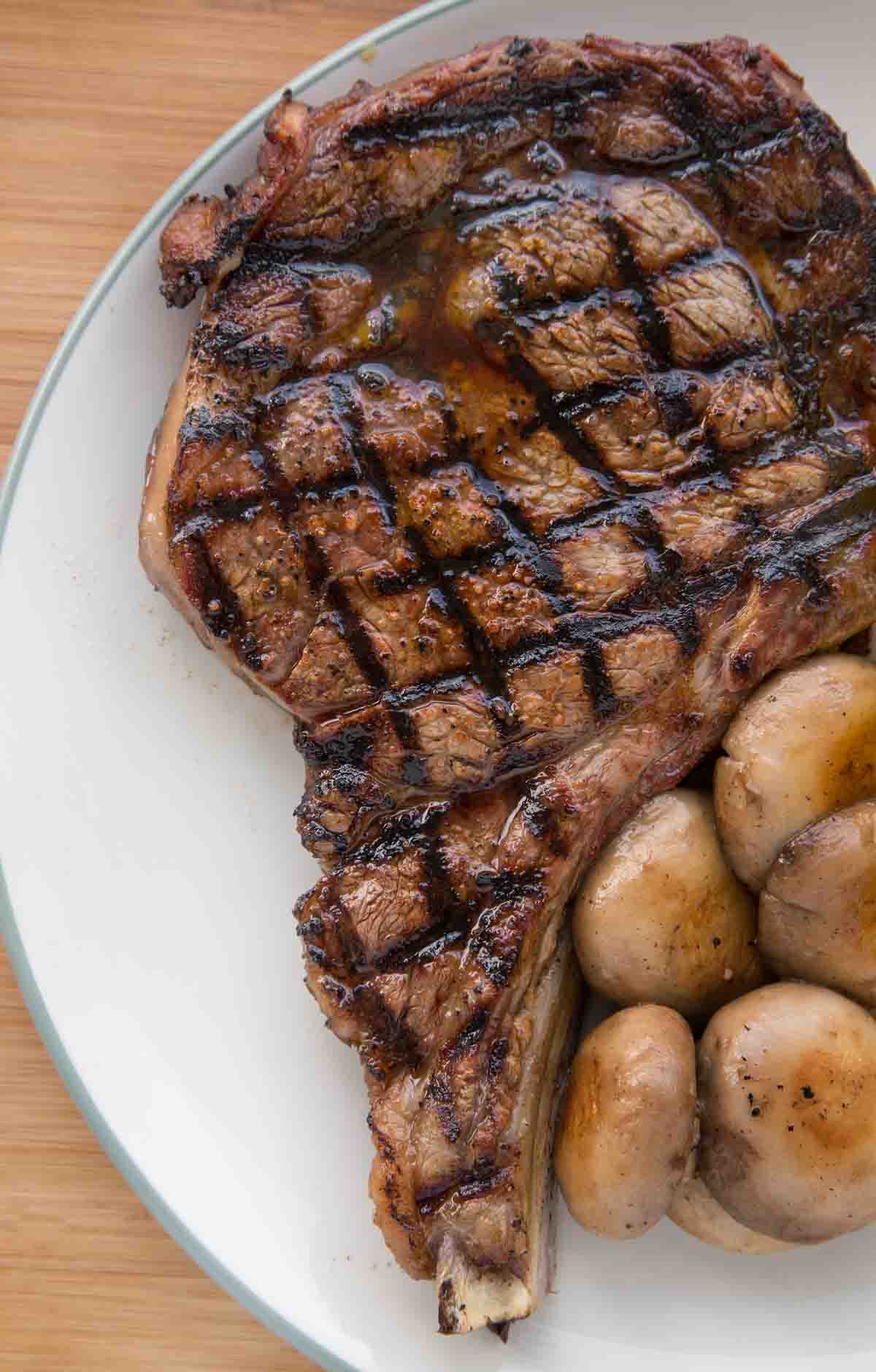
Credit: www.askchefdennis.com
Frequently Asked Questions
How Long To Grill Steak For Medium Rare?
Grill steak for 4-5 minutes per side at high heat. Use a meat thermometer; 130°F indicates medium rare. Rest steak 5 minutes before serving to keep juices.
What Is The Best Grill Temperature For Steak?
Preheat grill to high heat, around 450°F to 500°F. This ensures a good sear and locks in flavor. Adjust heat as needed during cooking.
How To Prevent Steak From Sticking To Grill?
Oil the grill grates and steak lightly before grilling. Ensure the grill is hot enough to sear. Avoid moving the steak too soon to prevent sticking.
Should You Marinate Steak Before Grilling?
Marinating adds flavor and tenderness, especially for tougher cuts. Use marinades with acid like lemon or vinegar for 30 minutes to 2 hours. Avoid over-marinating to prevent mushy texture.
Conclusion
Grilling steak can be simple and fun. Follow these steps for juicy results. Start with the right cut of meat. Season it well. Preheat your grill to the right temperature. Place the steak on the grill. Listen for the sizzle.
Flip it once for even cooking. Check for your preferred doneness. Rest the steak before slicing. This keeps it tender. Pair with your favorite sides. Enjoy a delicious meal. Perfect for any gathering or a quiet dinner. Cooking steak on a grill is now easier.
Enjoy every bite. Happy grilling!
