
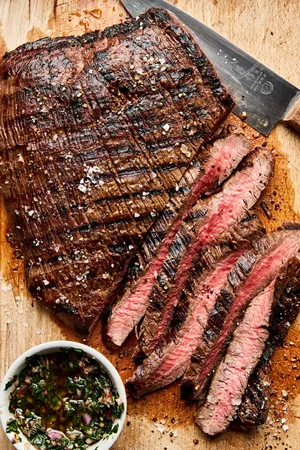
If you want to master cooking a delicious flank steak on the grill, you’re in the right place. Flank steak is full of flavor but can be tricky to cook just right.
Too tough or too dry, and your meal is ruined. But when done properly, it’s juicy, tender, and packed with mouth-watering taste. You’ll discover simple steps and insider tips to grill your flank steak perfectly every time. Get ready to impress your friends and family with a steak that’s grilled to perfection.
Keep reading—your best flank steak is just a few easy moves away.
Selecting The Right Flank Steak
Selecting the right flank steak sets the foundation for a great grilled meal. The quality of the meat influences flavor, tenderness, and cooking time. Choosing a good cut makes grilling easier and more enjoyable.
Look for a steak with a deep red color and fine grain. Avoid pieces with too much fat or discoloration. Freshness is key to a juicy, tender result.
Understanding Flank Steak Cuts
Flank steak comes from the lower chest area of the cow. It is lean and has long muscle fibers. This cut is flavorful but can be tough if cooked wrong. Choosing the right thickness helps control cooking time and tenderness.
Checking Marbling And Fat Content
Marbling means small streaks of fat inside the meat. It adds flavor and keeps the steak juicy. Look for moderate marbling but not too much fat on the edges. Too much fat can cause flare-ups on the grill.
Choosing The Right Size And Thickness
Flank steaks usually weigh between 1 to 2 pounds. Pick a steak about 1 to 1.5 inches thick for even cooking. Thinner steaks cook faster but can dry out. Thicker steaks need more time and careful grilling.
Freshness And Color
Fresh flank steak has a bright red color and moist surface. Avoid dull or brownish meat. Smell the steak for freshness—no sour or off odors. Fresh meat grills better and tastes best.
Credit: themodernproper.com
Preparing The Steak
Preparing your flank steak properly sets the stage for a flavorful and tender grilling experience. Paying attention to the details before the steak hits the grill can make a big difference in texture and taste. Let’s break down how to get your steak ready for the best results.
Trimming Excess Fat
Look over your flank steak carefully for any thick layers of fat. While some fat adds flavor, too much can cause flare-ups on the grill and uneven cooking. Use a sharp knife to trim off large fat pieces, leaving a thin layer to keep the meat juicy.
Trimming also helps marinades penetrate better, so don’t skip this step. Have you noticed how some steaks cook unevenly? Excess fat often causes that problem.
Marinade Options
Marinating flank steak enhances its natural flavor and tenderizes the muscle fibers. A simple blend of olive oil, soy sauce, garlic, and lime juice works wonders. You can also try balsamic vinegar with rosemary for a more aromatic touch.
Marinate your steak for at least 30 minutes, but no longer than 4 hours to avoid a mushy texture. Ever wondered why some grilled steaks taste bland? Skipping a good marinade might be the reason.
Seasoning Techniques
Seasoning your flank steak is not just about salt and pepper. Start with a generous sprinkle of kosher salt and freshly ground black pepper on both sides. For extra flavor, add smoked paprika or cumin for a subtle smoky note.
Pat the seasoning gently into the meat to help it stick. Before grilling, let the steak sit at room temperature for about 20 minutes so the seasoning can settle. Do you find your steak lacks flavor sometimes? This simple step could change that.
Setting Up The Grill
Setting up your grill properly is the foundation of cooking a perfect flank steak. Getting the grill ready ensures even cooking and helps you achieve that delicious charred flavor. Let’s break down what you need to focus on before placing your steak on the grill.
Choosing The Right Grill
Different grills offer different benefits, so picking the right one matters. Charcoal grills give a smoky flavor that many steak lovers crave. Gas grills provide more control over temperature and are easier to manage, especially if you’re new to grilling.
Consider your space and how often you grill. A portable grill might be perfect for quick meals, but a full-sized grill gives you more room to cook multiple items at once. What kind of flavor and control do you want for your steak?
Preheating Instructions
Preheating your grill is crucial for searing the flank steak properly. Aim for a high heat—around 450°F to 500°F—to get those perfect grill marks. Let the grill heat up for at least 10-15 minutes before cooking.
A hot grill prevents the steak from sticking and seals in the juices quickly. Don’t rush this step; I’ve learned that skipping preheating leads to uneven cooking and dryness. How long do you usually let your grill warm up?
Direct Vs Indirect Heat
Understanding the difference between direct and indirect heat changes how your steak cooks. Direct heat means placing the steak right over the flame or coals, which is ideal for searing and cooking quickly.
Indirect heat involves placing the steak away from the heat source, allowing it to cook more slowly and evenly. For flank steak, start with direct heat to sear both sides, then move it to indirect heat to finish cooking without burning.
Have you tried combining both methods on your grill? It can make a big difference in tenderness and flavor.
Grilling Techniques
Mastering the grilling techniques for flank steak can transform your cookout into a memorable feast. The right approach ensures the meat stays juicy, tender, and full of flavor. Let’s dive into some essential tips that will help you get the perfect sear and doneness every time.
Timing For Perfect Doneness
Flank steak cooks quickly, so timing is everything. Generally, grill the steak for about 4-5 minutes per side for medium-rare. But don’t rely solely on the clock—pay attention to the steak’s thickness and your grill’s heat.
Think about how thick your steak is before placing it on the grill. Thicker cuts might need a little extra time, while thinner ones can overcook fast. It’s better to check early and adjust as needed rather than guess and risk drying out your meat.
Flipping And Rotating
Resist the urge to constantly flip your flank steak. Let it sear undisturbed for several minutes to develop a flavorful crust. Flip it just once to the other side to keep the juices locked in.
Rotating the steak can help you avoid hot spots on the grill. If you notice uneven cooking, turn the steak 45 degrees halfway through each side’s cooking time. This technique creates beautiful grill marks and even cooking.
Using A Meat Thermometer
Guesswork won’t cut it if you want perfect doneness. A meat thermometer takes the stress out of grilling. Insert it into the thickest part of the steak to get an accurate reading.
- Rare: 120-125°F (49-52°C)
- Medium-rare: 130-135°F (54-57°C)
- Medium: 140-145°F (60-63°C)
- Well-done: 160°F (71°C) and above
Remember, the steak will continue to cook for a few minutes after you remove it from the grill. Pull it off about 5 degrees before your target temperature for the best results.
Resting The Steak
Resting your flank steak after grilling is a crucial step that many overlook. This short pause allows the juices to redistribute, making every bite flavorful and tender. Skipping this can lead to a dry steak with juices running out on the cutting board.
Why Resting Matters
When you take the steak off the grill, its juices are still moving. Cutting into it immediately causes the juices to spill out, leaving your steak less juicy. Resting gives the meat time to relax and retain those precious flavors.
How Long Should You Rest Flank Steak?
A good rule is to rest your flank steak for about 5 to 10 minutes. This timing works well because flank steak is thin, and longer resting might cool it down too much. You want the steak warm but juicy, not cold or dried out.
Best Way To Rest Your Steak
- Place the steak on a warm plate or cutting board.
- Loosely cover it with aluminum foil to keep it warm without trapping steam.
- Avoid stacking or pressing down on the steak during resting.
I once rushed this step and ended up with a steak that looked great but tasted dry. Since then, I never skip resting, and the difference in tenderness is clear every time.
What Happens If You Don’t Rest?
Imagine cutting into a steak and watching all the juices run onto your plate. Without resting, the meat fibers don’t have time to reabsorb the moisture. This results in a less flavorful and tougher bite.
Slicing For Juicy Results
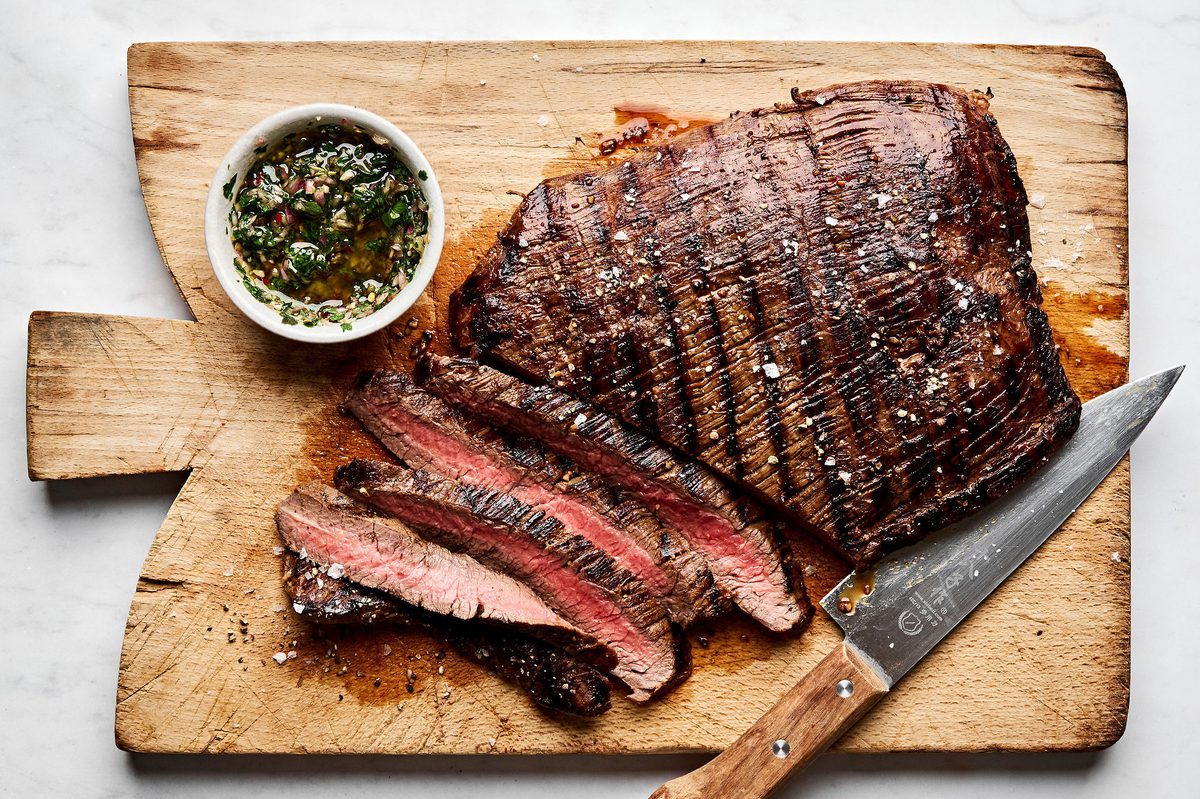
Slicing flank steak properly makes a big difference in taste and texture. Cutting the meat the right way helps keep it tender and juicy. It breaks down tough fibers, so every bite feels soft and flavorful. A simple trick is to slice the steak against the grain. This step is key for a perfect eating experience.
Slicing Against The Grain
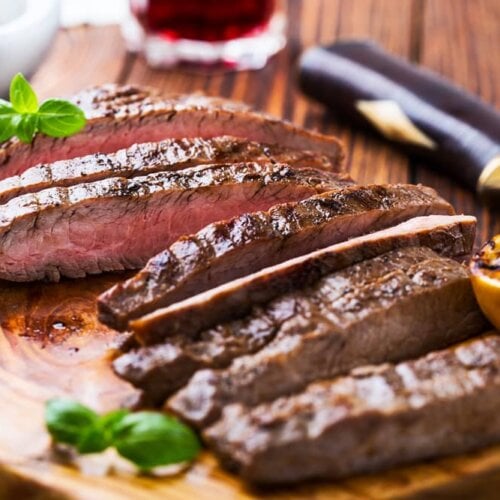
Look closely at the steak’s muscle fibers. They run in one direction like lines. Cut across these lines, not along them. This makes the meat easier to chew. Use a sharp knife for clean cuts. Slice the steak into thin strips about 1/4 inch thick. Thin slices soak up sauces and flavors better. This method keeps the steak juicy and tender.
Serving Suggestions
Flank steak works well in many dishes. Serve it with fresh salads or roasted vegetables. Add rice or warm tortillas for a full meal. Drizzle with chimichurri or a simple garlic sauce. Flank steak also tastes great in sandwiches or wraps. Use leftover slices in stir-fries or tacos. The juicy, sliced steak adds flavor and texture to any plate.
Common Mistakes To Avoid
Grilling flank steak seems simple, but many make common mistakes. These errors can ruin flavor and texture. Avoid them to enjoy juicy, tender steak every time.
Skipping The Marinade
Flank steak is lean and tough. Marinade breaks down fibers and adds flavor. Skipping this step can leave steak chewy and bland. Use a marinade with acid like vinegar or citrus for best results.
Grilling At Too Low Heat
Flank steak needs high heat for a good sear. Low heat cooks slowly and dries out the meat. Preheat the grill until very hot before placing the steak on it.
Overcooking The Steak
Flank steak cooks fast and becomes tough if overdone. Aim for medium-rare to medium doneness. Use a meat thermometer to check internal temperature around 130-135°F (54-57°C).
Not Letting The Steak Rest
Cutting the steak immediately causes juices to escape. Rest steak for 5-10 minutes after grilling. This keeps meat juicy and tender.
Cutting Against The Grain Mistake
Flank steak’s fibers run in one direction. Slicing with the grain makes chewing hard. Always cut across the grain into thin strips. This makes the steak easier to eat.
Credit: www.mychicagosteak.com
Enhancing Flavor With Sauces
Grilling flank steak creates a delicious base, but sauces can lift the flavor even higher. Sauces add moisture and depth to the meat. They balance the smoky, charred taste from the grill. A good sauce can make every bite more enjoyable. Experimenting with different sauces lets you find your favorite taste profile.
Popular Sauce Choices
- Chimichurri:A fresh, herby sauce with parsley, garlic, and vinegar.
- Barbecue Sauce:Sweet, tangy, and smoky, it complements grilled flavors well.
- Teriyaki:A sweet soy-based sauce that adds an Asian twist.
- Garlic Butter:Simple and rich, it melts over hot steak beautifully.
- Salsa Verde:Made with tomatillos and green chilies for a zesty touch.
Homemade Sauce Recipes
Making your own sauce is easy and rewarding. Fresh ingredients make a big difference. Here are two simple recipes to try.
| Sauce | Ingredients | Instructions |
|---|---|---|
| Chimichurri | Parsley, garlic, olive oil, red wine vinegar, red pepper flakes, salt | Chop parsley and garlic finely. Mix with oil and vinegar. Add flakes and salt. Let sit 10 minutes. |
| Garlic Butter | Butter, minced garlic, lemon juice, parsley, salt | Soften butter. Stir in garlic, lemon juice, parsley, and salt. Spread on steak while hot. |

Credit: feelgoodfoodie.net
Frequently Asked Questions
How Long To Grill Flank Steak Perfectly?
Grill flank steak for 4-6 minutes per side over high heat. This ensures medium-rare to medium doneness. Use a meat thermometer to check for 130-135°F internal temperature. Let it rest 5 minutes before slicing to retain juices.
What Marinade Works Best For Flank Steak?
A marinade with soy sauce, garlic, olive oil, and lime juice enhances flavor and tenderizes. Marinate the steak for at least 30 minutes, preferably 2-4 hours. This helps break down muscle fibers, making the steak juicy and flavorful when grilled.
How Should I Slice Flank Steak After Grilling?
Slice flank steak thinly against the grain to maximize tenderness. Cutting across the muscle fibers shortens them, making each bite easier to chew. Use a sharp knife and slice at a slight diagonal for the best texture.
Can I Grill Flank Steak Without Marinating?
Yes, you can grill flank steak without marinating. Season it well with salt, pepper, and your favorite spices. However, marinating improves tenderness and adds flavor, especially for lean cuts like flank steak.
Conclusion
Grilling flank steak is simple and rewarding. Start with good meat and a hot grill. Cook it quickly to keep it tender. Slice against the grain for the best bite. Add your favorite sauce or seasoning for flavor. Practice helps you learn the perfect timing.
Enjoy your delicious, juicy steak with family or friends. Grilled flank steak makes any meal special and tasty. Try it soon and taste the difference yourself.
