
If you love grilling outdoors, knowing how to connect your propane tank to your portable grill is a must. It might seem tricky at first, but once you get the hang of it, you’ll be ready to fire up your grill in no time.
Imagine the smell of sizzling food and the joy of cooking wherever you want—without worrying about complicated setups. In this guide, you’ll discover simple, step-by-step instructions that make the whole process safe and easy. Keep reading, and you’ll be grilling like a pro before you know it!
Credit: www.walmart.com
Choosing The Right Propane Tank
Choosing the right propane tank is crucial for a safe and enjoyable grilling experience. The right tank ensures your grill works efficiently and prevents any hazards during use. Let’s break down what you need to consider before connecting your propane tank to a portable grill.
Tank Size And Capacity
Propane tanks come in different sizes, typically measured in pounds. A common size for portable grills is the 20-pound tank, which offers a good balance of fuel capacity and portability. Smaller tanks, like 5-pound cylinders, are easier to carry but require more frequent refilling.
Think about how often you grill and how long your cookouts usually last. If you enjoy longer sessions or frequent grilling, a larger tank might save you the hassle of running out of fuel mid-cook.
Safety Features To Look For
Not all propane tanks are created equal when it comes to safety. Look for tanks with a built-in pressure relief valve and a sturdy collar to protect the valve from damage. These features help prevent leaks and ensure the tank releases excess pressure safely.
Have you checked the certification date on your tank? Propane tanks must be inspected every 10 years. Using an expired tank is risky and can lead to dangerous leaks or failures.
Compatibility With Your Grill
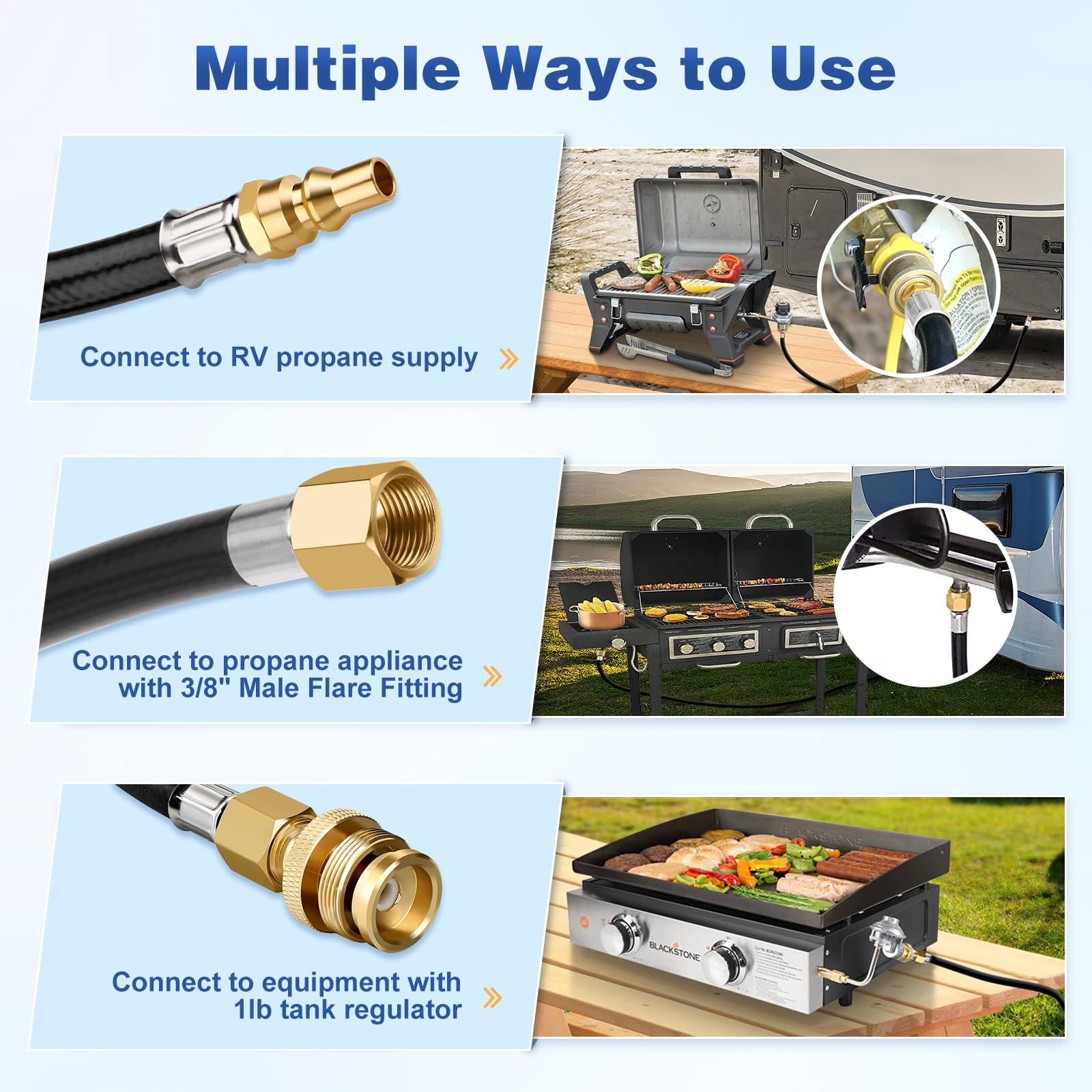
Make sure the propane tank’s valve type matches your grill’s hose and regulator connection. Most portable grills use Type 1 (QCC1) valves, which are designed for easy, secure connections. If your tank uses a different valve, you may need an adapter to connect safely.
Double-check your grill’s manual or manufacturer website for recommended tank types. Using an incompatible tank can lead to leaks or poor performance.
Refill Vs. Exchange Options
You have two main choices when it comes to keeping your tank full: refilling or exchanging. Refilling your tank at a propane station can be cheaper but requires you to own the tank. Exchanging involves swapping your empty tank for a full one at a retail location, which is convenient but can cost more over time.
Consider your location and convenience. Do you have easy access to refill stations, or is exchanging tanks at a local store simpler for you?

Credit: www.amazon.ca
Inspecting The Grill And Tank
Before connecting a propane tank to a portable grill, inspect both carefully. Safety depends on the condition of the grill and the tank. Identifying problems early prevents accidents and ensures smooth grilling.
Checking For Leaks
Leaks can cause dangerous gas buildup. Start by examining hoses and connections for cracks or holes. Use soapy water on connections and valves. Bubbles forming means a leak is present. Never use a flame to check for leaks. Fix leaks before attaching the tank.
Ensuring Compatibility
Not all propane tanks fit every grill. Check the grill’s manual for tank size and type. Match the tank’s valve to the grill’s connector. Using the wrong tank can cause gas flow issues or damage. Confirm that the tank is certified and in good condition.
Attaching The Regulator
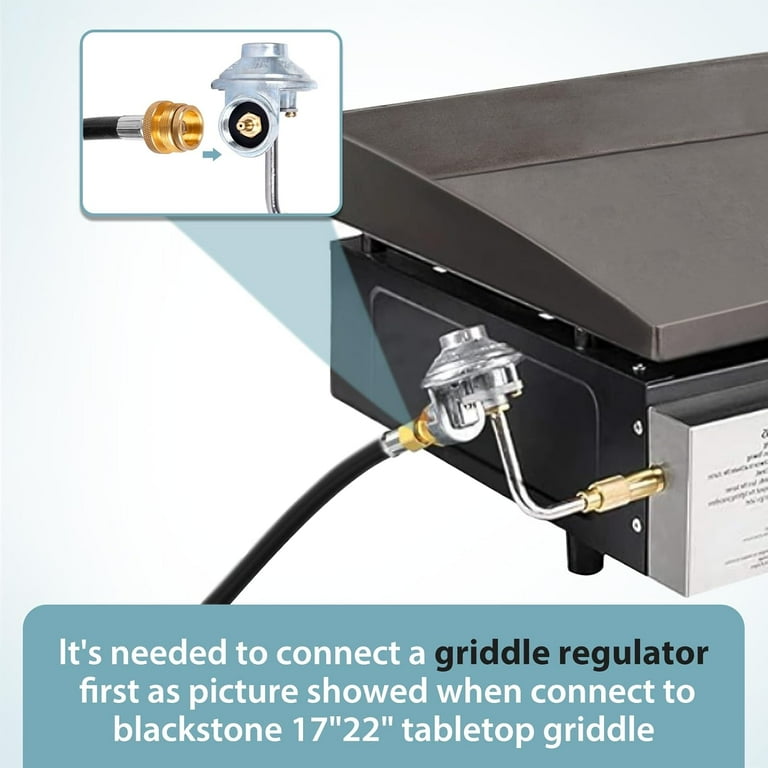
Attaching the regulator is a vital step to connect your propane tank safely to your portable grill. The regulator controls gas flow and keeps your grill running smoothly. A proper attachment prevents leaks and ensures steady flame control. Understanding each part of the regulator helps you handle this process with confidence. Secure the connection firmly to avoid any gas escape during grilling.
Understanding Regulator Parts
The regulator has several key parts you should know:
- Connector nut:Screws onto the propane tank valve.
- Regulator body:Controls gas pressure from the tank.
- Hose:Carries gas from the regulator to the grill.
- Clamp:Holds the hose tightly to the grill fitting.
Each part has a role in safe gas flow. Check for damage before use. Clean parts ensure better attachment and fewer leaks.
Securing The Connection
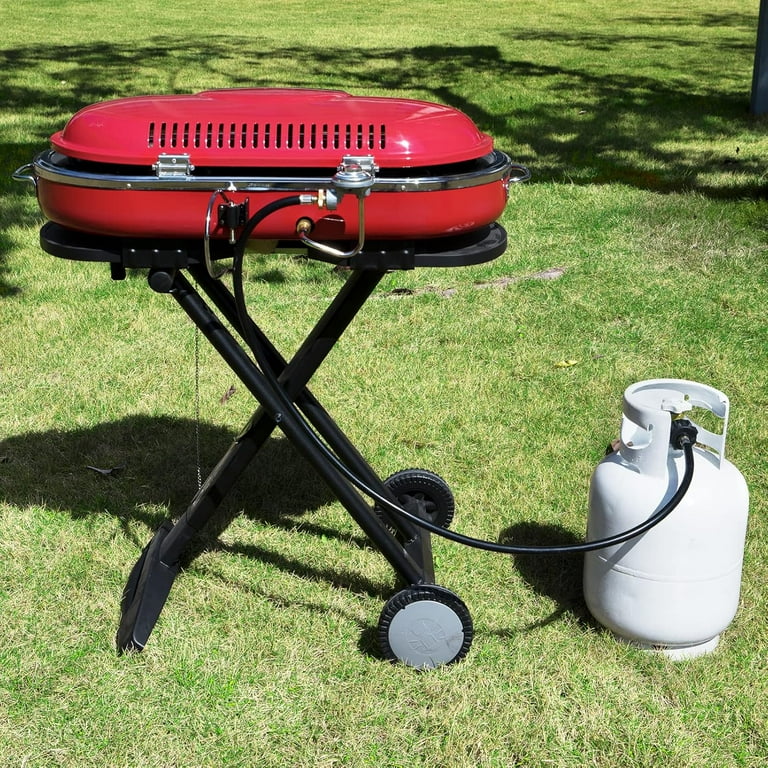
Start by aligning the connector nut with the propane tank valve. Turn the nut clockwise by hand until it fits snugly. Avoid using tools at this stage to prevent overtightening.
Next, attach the hose clamp around the grill’s gas inlet. Tighten the clamp with a screwdriver. Make sure the hose is firmly in place without gaps.
After connecting, check for leaks. Apply soapy water on joints and watch for bubbles. Bubbles mean gas is escaping and needs tightening.
Secure connections keep you safe and let your grill work efficiently. Always double-check before lighting up.
Connecting The Propane Hose
Connecting the propane hose to your portable grill is a crucial step that ensures a safe and efficient grilling experience. Taking your time during this process can prevent leaks and other hazards. Let’s focus on how to properly align and tighten the hose connection for a secure fit.
Aligning The Hose
Start by positioning the propane hose so that it lines up straight with the grill’s gas inlet. Avoid forcing the hose at an angle, as this can damage the connection points. A smooth, straight alignment helps the hose fit snugly and prevents any gaps where gas might escape.
Check the hose and valve for any dirt or debris before connecting. Even small particles can affect the seal and cause leaks. Cleaning these parts ensures a better fit and safer grilling.
Tightening The Connection
Once aligned, hand-tighten the connection by turning the coupling nut clockwise. It should feel firm but not overly tight to avoid stripping the threads. If you hear a hissing sound after tightening, it’s a sign the connection isn’t sealed properly.
Using a wrench to secure the connection can help, but be gentle. Over-tightening can crack the fittings or damage the hose. After tightening, apply a simple soapy water solution around the connection and watch for bubbles—this is a quick way to detect leaks before you fire up your grill.
Testing The Connection
Testing the connection between your propane tank and portable grill is essential for safety and performance. A secure connection prevents dangerous gas leaks and ensures your grill works efficiently. Taking a few moments to test and adjust the connection can save you from unexpected hazards and improve your grilling experience.
Performing A Leak Test
Start by mixing a solution of equal parts water and dish soap in a spray bottle or bowl. Apply the soapy water generously to the hose, regulator, and connection points. Turn on the propane tank valve slowly but do not ignite the grill yet.
Watch carefully for bubbles forming on the soapy areas. Bubbles indicate a gas leak that needs immediate attention. If you spot any leaks, tighten the connections or replace faulty parts before using your grill. This simple test can prevent dangerous gas buildup and fire risks.
Adjusting The Pressure
Once you confirm there are no leaks, check if the grill flame burns steadily and blue. A yellow or flickering flame often means incorrect pressure or a clogged burner. Most portable grills come with an adjustable regulator; consult your grill’s manual to adjust the pressure correctly.
Turn the regulator’s screw or dial slowly while the grill is on to find the optimal flame. Proper pressure ensures even cooking and prevents flare-ups. Have you noticed how a steady flame changes your grilling results? Small adjustments here make a big difference.
Credit: www.walmart.com
Safety Tips For Operation
Operating a portable grill with a propane tank requires attention to safety at every step. Ignoring simple precautions can lead to dangerous situations, but handling propane properly keeps your grilling experience enjoyable and secure. Let’s break down key safety tips that protect you and those around you.
Handling Propane Safely
Always check your propane tank and grill connections before use. Look for signs of rust, dents, or leaks. A quick sniff test can alert you to leaks—if you smell gas, do not ignite the grill.
Use soapy water on the connections to spot bubbles, indicating leaks. Tighten connections with care, but avoid forcing fittings, as this can damage seals. Are you sure your grill’s valve is completely closed before attaching the tank? Double-checking this prevents accidental gas release.
Never smoke or use open flames near the propane tank. Keep a fire extinguisher nearby just in case. Handling propane with respect minimizes risks and keeps your outdoor cooking safe.
Storing Propane Tanks
Store propane tanks in a well-ventilated area, away from direct sunlight and heat sources. Never keep tanks indoors or in enclosed spaces like garages or basements. This reduces the risk of gas buildup if a leak occurs.
Keep tanks upright and secure them to prevent tipping over. Think about where you place your tank after grilling—is it stable and out of reach of children or pets? Proper storage extends the life of your tank and protects your home.
Regularly inspect stored tanks for damage or corrosion. If you notice any issues, contact your propane supplier for guidance. How often do you check your propane tank’s condition? Making it a routine habit can prevent unexpected hazards.
Troubleshooting Common Issues
Troubleshooting common problems helps keep your propane grill working well. Small issues often stop the grill from lighting or working properly. Simple checks can save time and improve safety.
Knowing how to spot and fix these problems makes grilling easier. Pay attention to gas flow and ignition issues first. These are the most frequent causes of trouble.
Addressing Gas Flow Problems
Check the propane tank valve is fully open. A partially closed valve blocks gas flow. Make sure the hose connects tightly to both tank and grill.
Look for leaks by applying soapy water to connections. Bubbles show gas escaping. Tighten fittings or replace damaged parts if leaks appear.
Clear any blockages inside the burner tubes. Use a thin wire or brush to remove dirt or spider webs. Blocked tubes reduce flame size and heat.
Fixing Ignition Issues
Ensure the igniter button clicks and sparks. If no spark appears, replace the igniter battery or unit. Sometimes cleaning the igniter tip helps.
Try lighting the grill with a long match or lighter. If it lights this way, the igniter needs attention. If not, check gas flow first.
Keep burner ports clean and dry. Moisture or rust can stop ignition. Wipe ports with a dry cloth before use.
Frequently Asked Questions
How Do I Safely Connect A Propane Tank To A Grill?
First, ensure the grill valve is off. Attach the regulator to the tank valve by turning it clockwise. Check for leaks using soapy water on connections. If bubbles form, tighten and retest. Always connect in a well-ventilated area for safety.
What Tools Are Needed To Connect Propane Tank To Grill?
Usually, no tools are required. Most propane tanks and grills use a hand-tightened regulator connection. A wrench may be helpful if connections are tight. Always check the manufacturer’s instructions before attempting to connect for specific tool needs.
Can I Use Any Propane Tank For My Portable Grill?
Use only tanks approved for portable grills, typically 20-pound tanks. Check compatibility with your grill’s regulator and hose. Avoid using damaged or expired tanks. Using the correct tank ensures safety and optimal grill performance.
How Do I Check For Propane Leaks After Connecting?
Mix soap and water, then apply to the connection points. Open the tank valve slightly. Look for bubbles forming; this indicates a leak. If bubbles appear, close the valve, tighten connections, and test again. Never use a flame to check for leaks.
Conclusion
Connecting a propane tank to a portable grill is simple and safe. Always check for leaks before lighting the grill. Tighten connections securely but do not force them. Keep the tank upright to avoid spills. Follow these steps each time you grill.
Enjoy your outdoor cooking with confidence and ease. Safety first, always.
