
Are you ready to fire up your grill but unsure how to connect your propane tank safely? Connecting a propane tank might seem tricky, but with the right steps, you can have it done quickly and confidently.
Imagine the smell of sizzling food and the joy of outdoor cooking without any hassle. In this guide, you’ll learn exactly how to connect your propane tank to your grill, avoid common mistakes, and stay safe while doing it. Keep reading, and you’ll be grilling like a pro in no time!

Credit: www.reddit.com
Essential Tools And Materials
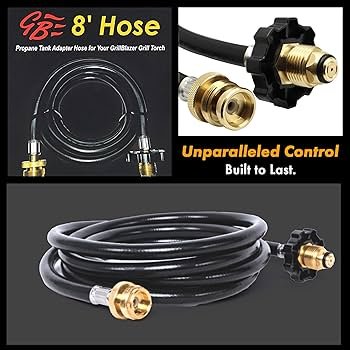
Connecting a propane tank to a grill requires a few essential tools and materials. Safety is the top priority. Use a propane tankdesigned for grills. The regulator and hose assemblycontrols gas flow and connects the tank to the grill. A wrenchhelps tighten connections securely. Check for leaks with a soap and water solution. A gas leak detectoris helpful but optional. Keep a clean clothhandy to wipe any spills. Make sure all parts are compatiblewith your grill model. Avoid using damaged or expired parts. Proper tools and materials ensure a safe, leak-free connection every time.

Credit: www.amazon.ca
Safety Precautions
Always check the propane tankfor any damage before use. Look for dents, rust, or cracks that might cause leaks. Make sure the valve is clean and not stuck. Use a soap and water mix to test for leaks. Apply the mixture around the valve and connections.
Bubbles forming mean there is a leak. Never use a flame to check for leaks. Tighten connections if bubbles appear. If bubbles persist, do not use the tank. Replace it or get it repaired by a professional. Properly securing the tank keeps everyone safe.
Proper Placement Of The Tank
Place the propane tank on a flat, stable surface near the grill. Keep it upright to avoid leaks. The tank should be outside and away from any flames or heat sources. Avoid placing the tank in direct sunlight for long periods. Ensure the tank valve is closed before connecting it to the grill. Position the tank so the hose can reach without stretching or bending. Keep the area clear of clutter to prevent tripping or damage to the hose. Check for any damage or rust on the tank before use. Proper placement helps keep the grill safe and working well.
Connecting The Regulator
First, check that the propane tank valve is closed. Always ensure safety before connecting.
Align the regulator’s connector with the tank valve. The regulator controls gas flow to the grill.
Turn the connector clockwise by hand until it is tight. Use a wrench only if needed, but avoid over-tightening.
Check the connection for leaks by applying soapy water. Look for bubbles that show gas escaping.
Never use open flames to check for leaks. Fix any leaks before using the grill.
Securing The Connection
Ensure the propane tank valve is fully closedbefore connecting. Attach the regulator to the grill’s gas valve. Turn the connection nut clockwiseto tighten. Use your hand, not tools, to avoid overtightening.
Check the connection for leaks by mixing water and soap. Apply the solution on the connection points with a brush or spray bottle. Open the propane tank valve slowly. Watch for bubbles forming. Bubbles mean gas is leaking. Tighten the connection more if bubbles appear. Repeat the test until no bubbles form.
Lighting The Grill Safely
Check that the propane tank valve is fully closed before connecting. Attach the hose securely to avoid leaks. Open the grill lid to prevent gas buildup. Slowly open the propane tank valve to allow gas flow. Use the grill’s ignition button or a long match to light the burner. Keep your face and body away from the grill during ignition. If the grill does not light within a few seconds, close the valve and wait several minutes before trying again. Always inspect for leaks by applying soapy water to connections and looking for bubbles.
- Keep grill lid open while lighting
- Check for gas leaks with soap solution
- Use long lighter or ignition button
- Stand back to avoid burns
- Close valve if grill won’t light
Maintenance And Storage Tips
Always store propane tanks in a cool, dry, and well-ventilatedarea. Keep them uprightto avoid leaks. Avoid placing tanks near heat sourcesor direct sunlight. Use a protective coverto shield the tank from rain and dirt. Make sure the valve is closed tightly. Never store tanks inside your home or garage.
Check the tank regularly for rust, dents, or damage. Look for signs of leaksby applying soapy water to the valve and connections. Bubbles indicate a leak. Replace worn or damaged hoses and connectors right away. Ensure the valve opens and closes smoothly. Keep the tank free from oil and grease. A well-maintained tank is safer and lasts longer.

Credit: skotti-grill.eu
Frequently Asked Questions
How Do I Safely Connect A Propane Tank To My Grill?
First, ensure the grill’s control knobs are off. Check the tank valve and regulator for damage. Attach the regulator hose to the tank valve securely. Tighten the connection by hand, then test for leaks with soapy water. Never use a flame to check leaks.
What Tools Are Needed To Connect A Propane Tank?
Typically, no tools are required to connect a propane tank. Most tanks use a hand-tightened regulator connection. If needed, a wrench can help tighten a loose connection. Always avoid over-tightening to prevent damage. Follow your grill’s manual for any specific tool recommendations.
How Can I Check For Propane Leaks After Connection?
Mix dish soap and water, then apply it to the connection points. Turn on the propane slowly without lighting the grill. Look for bubbles forming, which indicate a leak. If bubbles appear, tighten the connection or replace faulty parts. Never use a flame to check for leaks.
Can I Connect Any Propane Tank To Any Grill?
Most grills are compatible with standard 20-pound propane tanks. Always check your grill’s manual for tank size and type requirements. Using incompatible tanks can cause safety issues or poor performance. When in doubt, consult the grill manufacturer or a professional.
Conclusion
Connecting your propane tank to the grill is simple and safe. Always check for leaks before lighting the grill. Tighten connections firmly but do not force them. Keep the tank upright and away from heat sources. Follow these steps each time you grill.
Enjoy cooking outdoors with confidence and ease. Safety first, then great food. Ready to fire up the grill?
