
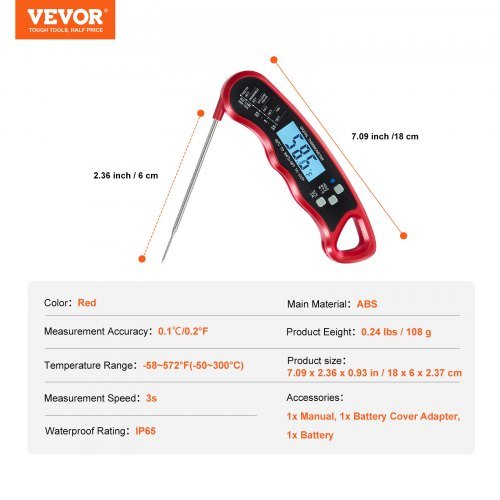
Getting the perfect cook on your grill starts with knowing the right temperature. But what if your grill thermometer isn’t giving you the correct reading?
That’s where calibrating your grill thermometer becomes a game-changer. When your thermometer is accurate, you can cook your food just the way you like it—juicy, tender, and safe. In this guide, you’ll learn simple, step-by-step ways to calibrate your grill thermometer quickly and easily.
By the end, you’ll feel confident that your thermometer is spot on, so every meal you grill turns out just right. Keep reading—you don’t want to miss these essential tips!
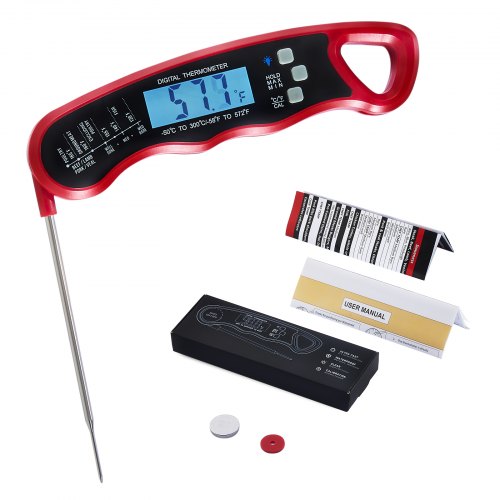
Credit: www.vevor.com
Why Thermometer Calibration Is Important
Thermometer calibrationensures your grill cooks food safely and correctly. Without calibration, temperatures can be wrong. This leads to undercooked or burnt food. Food safety depends on knowing the real temperature inside the grill.
Calibrated thermometers help avoid foodborne illnesses. They also save money by preventing wasted food. Precise temperature control improves flavor and texture. It ensures meat is juicy and cooked just right.
Regular checks keep your thermometer accurate over time. Heat, moisture, and rough handling can cause errors. Calibration is quick and simple, but very important.

Credit: www.myfearlesskitchen.com
Tools Needed For Calibration
To calibrate a grill thermometer, gather these essential tools. A reliable container of ice waterhelps check the thermometer’s accuracy at 32°F (0°C). A boiling water sourceallows testing at 212°F (100°C). Use a calibration wrenchor small adjustable tool to make fine adjustments on some models. A notepador device to record readings is helpful. A clean clothto wipe the thermometer probe ensures correct readings. Having a timer or stopwatchhelps wait for stable temperature readings. If available, a second thermometerknown to be accurate can be used for comparison. These tools make calibration simple and precise.
Preparing The Grill Thermometer
Start by cleaning the grill thermometer with warm water and soap. Dry it well. Check the probe for any damage or dirt. A clean and intact probe ensures accurate readings.
Next, prepare a pot of boiling water. The water should be at a full, rolling boil to test the thermometer’s accuracy. Keep the pot stable on a flat surface to avoid spills.
- Use a reliable timer to monitor boiling time.
- Have a cloth or oven mitt ready to handle the hot thermometer.
- Make sure the thermometer’s dial or digital screen is easy to read.
These steps help set up the thermometer for proper calibration.
Ice Water Method
Fill a glass with ice cubes. Add cold water to cover ice fully. Stir gently to make a cold ice bath. Let it sit for a minute to reach 32°F (0°C).
Put the grill thermometer probe into the ice bath. Make sure it does not touch the glass sides. Wait for the temperature reading to stop changing.
Check the thermometer reading. It should show 32°F (0°C). If it does not, find the calibration nut or screw on the back. Turn it slowly to adjust the reading. Repeat the test until it shows 32°F.
Boiling Water Method
Fill a pot with fresh water and bring it to a full boil. The water must be bubbling hard for an accurate reading.
Hold the thermometer’s stem in the boiling water without touching the pot’s sides or bottom. This ensures the sensor reads only the water temperature.
Wait for the thermometer to stabilize. The reading should be 212°F (100°C) at sea level.
If the thermometer shows a different temperature, adjust it. Turn the calibration nut or screw until it reads 212°F.
Repeat the process to confirm the calibration is correct. This simple test helps keep your grill thermometer accurate.
Testing After Calibration
Testing after calibration ensures your grill thermometer reads accurately. Place it in boiling water to check if it shows 212°F or 100°C. Adjust again if the temperature is off for precise grilling results.
Rechecking Accuracy
Check the grill thermometer in boiling water. The thermometer should read 212°F (100°C) at sea level. If the temperature is off by a few degrees, note the difference. This helps understand how much the thermometer needs adjusting. Try testing several times for consistent results. Accuracy is key for safe cooking.
Fine-tuning For Precision
Adjust the calibration screw or dial carefully. Use small turns to avoid over-correcting. After each adjustment, retest in boiling water. Repeat until the thermometer shows the correct temperature. This process ensures the thermometer gives precise readings. Precise readings help cook food perfectly every time.
Maintaining Thermometer Accuracy
Check your grill thermometer often to keep it accurate. Test it before each use to see if it shows the right temperature. If it’s wrong, recalibrate it.
Store the thermometer carefully. Keep it in a dry place away from heat and moisture. Avoid dropping or banging it. Proper care helps it last longer and stay precise.
Troubleshooting Common Issues
Faulty readingsoften happen because the thermometer is dirty or not placed correctly. Dirt or grease on the probe can cause wrong temperatures. The probe should be deep in the food or grill, not touching metal parts. Sudden temperature jumps may mean the sensor is broken. Check for cracks or damage on the probe or dial.
Damaged parts may need replacement to keep the thermometer working well. Common parts to check:
- Probe:Replace if bent, cracked, or corroded.
- Dial face:Fix or replace if glass is foggy or broken.
- Calibration nut:Adjust or replace if loose or missing.
Use parts from the same brand. This ensures proper fit and accuracy.

Credit: www.goodhousekeeping.com
Frequently Asked Questions
How Often Should I Calibrate My Grill Thermometer?
You should calibrate your grill thermometer at least once a month. Frequent calibration ensures accurate temperature readings for safe cooking. Always recalibrate after drops or heavy use to maintain precision and avoid undercooked or overcooked food.
What Is The Easiest Way To Calibrate A Grill Thermometer?
The easiest way is the ice water method. Fill a glass with ice and water, insert the thermometer, and wait. It should read 32°F (0°C). Adjust the thermometer accordingly if the reading is off for accurate results.
Can I Calibrate Any Type Of Grill Thermometer?
Yes, most analog and digital grill thermometers can be calibrated. Refer to your thermometer’s manual for specific steps. Proper calibration improves accuracy regardless of the thermometer type, ensuring consistent cooking temperatures.
Why Is Calibrating A Grill Thermometer Important?
Calibrating ensures the temperature readings are accurate. Accurate readings help cook food safely and evenly. Incorrect temperatures can cause undercooking or overcooking, affecting flavor and safety.
Conclusion
Calibrating your grill thermometer keeps your cooking accurate and safe. Check the temperature regularly to avoid guesswork. Use simple methods like the ice water test for quick checks. A well-calibrated thermometer helps cook food evenly every time. Save money by preventing overcooked or undercooked meals.
Take a few minutes to adjust it before grilling. Enjoy better results and more confidence at your next barbecue. Small steps make a big difference in your cooking. Keep your grill thermometer reliable and your food delicious.
