
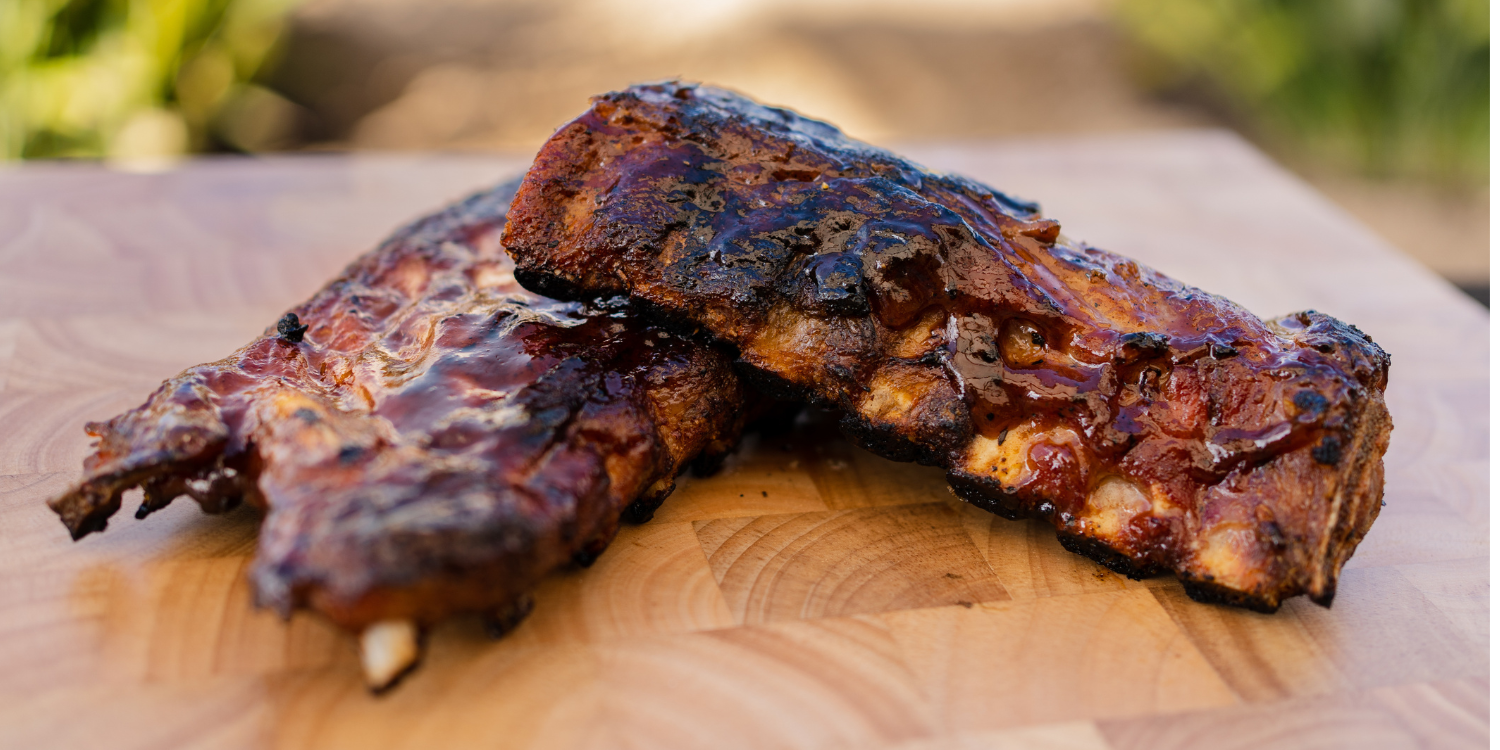
If you love juicy, flavorful ribs but don’t have a smoker, you’re in luck. Grilling ribs on a gas grill can give you tender, mouth-watering results without the hassle.
You might think it’s tricky, but with the right steps, you can master the perfect BBQ ribs right at home. In this guide, you’ll learn simple tips and tricks to get that smoky taste and fall-off-the-bone texture using your gas grill.
Ready to impress your family and friends with ribs they’ll rave about? Keep reading, and let’s fire up your grill the right way.
Choosing The Right Ribs
Choosing the right ribs is the foundation of a great BBQ experience on your gas grill. The type and quality of ribs you select will directly impact the flavor, tenderness, and overall satisfaction of your meal. Understanding the differences and knowing what to look for will make your grilling session more rewarding.
Types Of Ribs
Ribs come in several varieties, each with unique characteristics that affect cooking time and taste. The most popular types include:
- Baby Back Ribs:These are smaller, leaner, and cook faster. They come from the top of the rib cage near the spine.
- Spare Ribs:Larger and meatier, spare ribs come from the belly side of the rib cage. They require longer cooking for tenderness.
- St. Louis Style Ribs:Spare ribs trimmed into a neat rectangle. Easier to handle and grill evenly.
Think about how much time you have and how tender you want your ribs. Which type fits your schedule and taste buds best?
Selecting Quality Meat
Quality ribs start with fresh, well-marbled meat. Look for ribs with a good amount of fat running through; this fat melts during cooking, keeping the meat juicy.
Check the color—fresh ribs should be pinkish-red, not pale or gray. Avoid ribs with a strong odor or excessive liquid in the packaging.
Consider asking your butcher for recommendations or even custom trimming. Have you ever noticed how a well-trimmed rack cooks more evenly and looks better on the plate?
Essential Tools And Equipment
Grilling ribs on a gas grill is as much about having the right tools as it is about the recipe itself. The right equipment makes the process smoother, safer, and more enjoyable. Before you fire up the grill, take a moment to check if your setup meets the needs of perfectly cooked ribs.
Grill Selection
Your choice of grill shapes the entire cooking experience. A gas grill with multiple burners lets you create different heat zones. This is crucial for ribs because you want to cook them low and slow on one side and then sear them quickly on the other.
Look for a grill that holds a consistent temperature around 225°F to 275°F. A built-in thermometer helps, but having a separate digital meat thermometer is even better. This way, you can monitor both the grill and the meat temperature with confidence.
Must-have Accessories
Beyond the grill itself, some accessories make a big difference. A sturdy pair of long-handled tongs gives you control without risking burns. Don’t underestimate the value of a reliable grill brush to keep your grates clean and ready for the next batch.
- Aluminum foil:Wrap your ribs during the cooking process to lock in moisture.
- Drip pan:Place it under the ribs to catch drippings and avoid flare-ups.
- Spray bottle:Fill it with apple juice or a vinegar mix to spritz ribs and keep them juicy.
- Heat-resistant gloves:Protect your hands when handling hot racks or foil.
- Meat thermometer:Essential for checking when ribs reach the perfect tenderness.
Have you ever struggled with ribs drying out or cooking unevenly? These tools help avoid those common pitfalls. Think about what’s missing from your current setup and add it before your next cookout. It’s not just about grilling ribs; it’s about grilling ribs the right way.
Preparing The Ribs
Getting your ribs ready is the foundation of great BBQ. This is where you build flavors and set the stage for tender, juicy results. Taking a little extra time here will pay off when you bite into those perfectly cooked ribs.
Trimming And Cleaning
Start by removing the silver skin—the thin, tough membrane on the back of the ribs. It can block flavors and make ribs chewy if left on. Use a paper towel to grip it firmly and pull it off in one piece.
Next, check for any excess fat. Trim off thick chunks, but leave a thin layer to keep the meat moist during grilling. Also, rinse your ribs under cold water and pat them dry to remove any bone fragments or packaging residue.
Applying The Rub
Choose a rub that fits your taste—whether sweet, spicy, or smoky. Don’t be shy about using enough; ribs are thick and need a good coating for flavor to sink in.
Sprinkle the rub evenly over both sides of the ribs. Then, press it in gently with your hands to help it stick. Let the ribs sit at room temperature for 20-30 minutes so the rub can start working its magic before hitting the grill.
Setting Up The Gas Grill
Getting your gas grill ready is key to cooking ribs that are juicy and flavorful. Proper setup helps you control the cooking environment, so your ribs cook evenly without burning. Let’s look at how you can prepare your grill for the best results.
Temperature Control
Start by preheating your gas grill to a steady temperature between 225°F and 250°F. This low and slow heat is perfect for tender ribs. Avoid high temperatures that can dry out the meat or cause flare-ups.
Use your grill’s built-in thermometer or a digital grill thermometer for accuracy. If your grill doesn’t have one, consider buying an affordable probe thermometer—it’s a game-changer. Maintaining consistent heat means better control over cooking time and flavor.
Creating Indirect Heat Zones
Indirect heat is essential to avoid charring your ribs while cooking them through. You can create this by turning on one or two burners on one side of the grill, leaving the other burners off. Place the ribs on the cooler side of the grill.
This setup mimics oven roasting and allows the ribs to cook slowly. It also reduces flare-ups caused by dripping fat. Have you tried this technique before? It’s surprising how much of a difference it makes in texture and taste.
Cooking Techniques For Tenderness
Cooking ribs on a gas grill requires special care to achieve perfect tenderness. The right techniques ensure the meat stays juicy and soft. Controlling heat and moisture is key. These tips help you cook ribs that fall off the bone.
Slow Cooking Methods
Slow cooking ribs on a gas grill means cooking at low heat for a long time. This breaks down tough fibers and fat. Set your grill to about 225°F to 250°F. Use indirect heat by turning on burners on one side only. Place ribs on the cooler side of the grill. Close the lid to keep the heat even. Plan for 2.5 to 3 hours of cooking time. Check ribs often to prevent burning. This slow process makes ribs tender and flavorful.
Using Foil For Juiciness
Wrapping ribs in foil locks in moisture and speeds cooking. After a couple of hours on the grill, wrap ribs tightly in foil. Add a little liquid inside the foil, like apple juice or a splash of water. This creates steam and keeps ribs juicy. Return the foil-wrapped ribs to the grill. Cook for another 30 to 60 minutes. Remove foil carefully and finish ribs over direct heat to add a crispy glaze. This technique produces tender ribs with great moisture.

Credit: www.reddit.com
Adding Smoky Flavor
Adding a smoky flavor to ribs on a gas grill takes your barbecue to the next level. Gas grills do not produce smoke naturally like charcoal grills. So, you need to create smoke separately to get that rich taste.
Using wood chips and a smoke box is the easiest way to add smoke. These tools help infuse ribs with a deep, smoky aroma. This section explains how to select wood chips and use a smoke box correctly.
Wood Chip Selection
Choose wood chips based on the flavor you want. Different woods give different smoke tastes.
- Hickory:Strong, classic barbecue flavor.
- Apple:Sweet and mild, great for pork ribs.
- Cherry:Slightly sweet, adds a reddish color.
- Mesquite:Bold and intense, use sparingly.
Soak wood chips in water for 30 minutes before grilling. This helps them smoke longer and not burn fast.
Smoke Box Usage
A smoke box holds soaked wood chips while grilling. Place the box on the gas grill’s heat source.
- Preheat the grill and place the smoke box over the burner.
- Close the lid to trap smoke inside the grill.
- Monitor the smoke and add more chips if needed.
- Use indirect heat to avoid burning the ribs.
The smoke box creates steady smoke, infusing ribs with great flavor. This simple tool makes smoky ribs easy on a gas grill.
Finishing Touches
Finishing touches can make or break your BBQ ribs on a gas grill. These final steps enhance flavor, texture, and presentation, turning good ribs into unforgettable ones. Pay close attention to how you apply sauce and rest your ribs to lock in juiciness and depth of taste.
Applying Sauce
Apply your barbecue sauce during the last 10-15 minutes of grilling. This prevents the sugars in the sauce from burning and turning bitter. Brush the sauce evenly on both sides of the ribs for a balanced flavor.
Use a basting brush or a silicone brush to spread the sauce gently. Avoid piling it on too thickly; a thin, even coat caramelizes better and creates a nice glaze. Want a sticky, finger-licking finish? Add a second layer of sauce just before taking the ribs off the grill.
Resting The Ribs
Resting your ribs after grilling is critical to keep them juicy. Wrap the ribs loosely in foil and let them sit for about 10-15 minutes. This allows the juices to redistribute throughout the meat, making each bite tender and flavorful.
Resist the urge to cut into them immediately. You’ll notice the difference when the meat pulls away easily from the bone, yet remains moist. Have you tried resting your ribs before? You might be surprised by how much it improves the final result.

Credit: www.thepioneerwoman.com
Serving Suggestions
Serving ribs fresh off the gas grill calls for tasty sides and drinks. These pairings make the meal more enjoyable. They balance flavors and add texture. Simple, classic choices work best with smoky, juicy ribs.
Side Dishes
- Coleslaw – A crunchy, creamy contrast to tender ribs.
- Baked beans – Sweet and smoky, they complement rib flavors.
- Grilled corn on the cob – Adds sweetness and a smoky touch.
- Potato salad – A cool, creamy side that soothes the palate.
- Macaroni and cheese – Rich and cheesy, perfect with smoky meat.
- Garlic bread – Crispy and buttery, great for soaking up sauces.
Beverage Pairings
- Cold beer – Light lagers or amber ales enhance rib flavors.
- Iced tea – Refreshing and mild, good for all ages.
- Lemonade – Tart and sweet, balances smoky richness.
- Red wine – Choose bold varieties like Zinfandel or Shiraz.
- Soft drinks – Classic cola or root beer add a sweet fizz.
Troubleshooting Common Issues
Troubleshooting common issues while BBQing ribs on a gas grill can save you from a disappointing meal. Even experienced grillers face challenges like dry meat or sudden flare-ups. Knowing how to handle these problems keeps your ribs juicy and flavorful every time.
Avoiding Dry Ribs
Dry ribs are one of the most common problems on the grill. The key is to maintain low and steady heat. High heat cooks ribs too fast and dries them out.
Try using indirect heat by turning off burners directly under the ribs and keeping others on low. Wrapping ribs in foil during the last part of cooking helps lock in moisture. Adding a water pan inside the grill also creates a humid environment that prevents drying.
Have you ever checked the internal temperature of your ribs with a thermometer? Aim for about 190°F to 203°F for tender, juicy meat. Overcooking even by a few degrees can make ribs tough and dry.
Managing Flare-ups
Flare-ups happen when fat drips onto the flames, causing sudden bursts of fire. These flames can char your ribs and create uneven cooking.
To control flare-ups, keep a spray bottle of water nearby to quickly douse flames without cooling the grill too much. Another trick is to trim excess fat from the ribs before grilling. This reduces the amount of grease that can drip and ignite.
Consider placing a drip pan under the ribs to catch fat drippings. This not only prevents flare-ups but also keeps your grill cleaner. Have you noticed flare-ups tend to happen more with certain cuts or marinades? Adjusting your prep can minimize this risk.

Credit: cheflolaskitchen.com
Frequently Asked Questions
How Long To Cook Ribs On A Gas Grill?
Cook ribs on medium-low heat for 1. 5 to 2 hours. Use indirect heat to avoid flare-ups. Check tenderness by piercing with a fork.
Should I Marinate Ribs Before Grilling?
Marinating ribs adds flavor and tenderness. Use a marinade with acid, oil, and spices. Marinate for at least 2 hours or overnight for best results.
How To Prevent Ribs From Drying Out On Grill?
Use indirect heat and keep the grill lid closed. Baste ribs occasionally with sauce or marinade. Wrap ribs in foil during cooking to retain moisture.
What’s The Best Temperature For Grilling Ribs?
Maintain grill temperature around 225°F to 250°F for tender ribs. Low and slow cooking ensures even heat and juicy meat. Use a grill thermometer to monitor.
Conclusion
Grilling ribs on a gas grill is simple and fun. Keep the heat low and cook ribs slow. Use your favorite sauce to add flavor. Check ribs often to avoid burning. Serve ribs hot for the best taste. Enjoy the smoky, tender meat with friends.
This method brings great BBQ ribs every time. Try it this weekend and see the difference. Great ribs do not need hard work. Just patience and care make them perfect.
