
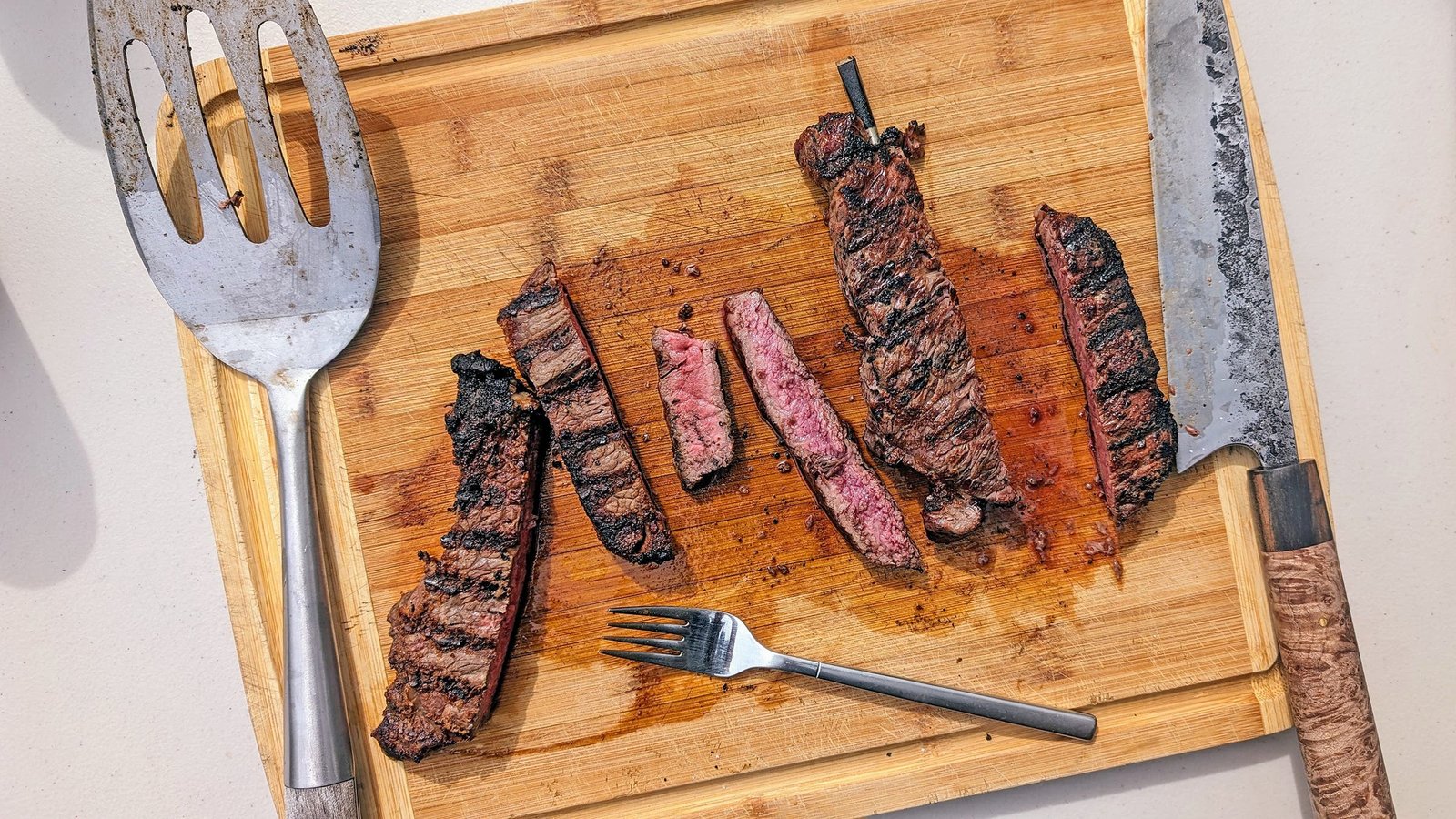
Grilling the perfect steak can feel like a challenge, especially when you’re unsure how long to leave it on your gas grill. You want that juicy, flavorful bite every time, without overcooking or undercooking.
The good news? Getting it right is simpler than you think. You’ll discover exactly how long to grill steaks on a gas grill for the best results, whether you like them rare, medium, or well-done. Stick with me, and you’ll be grilling mouthwatering steaks that impress every time.
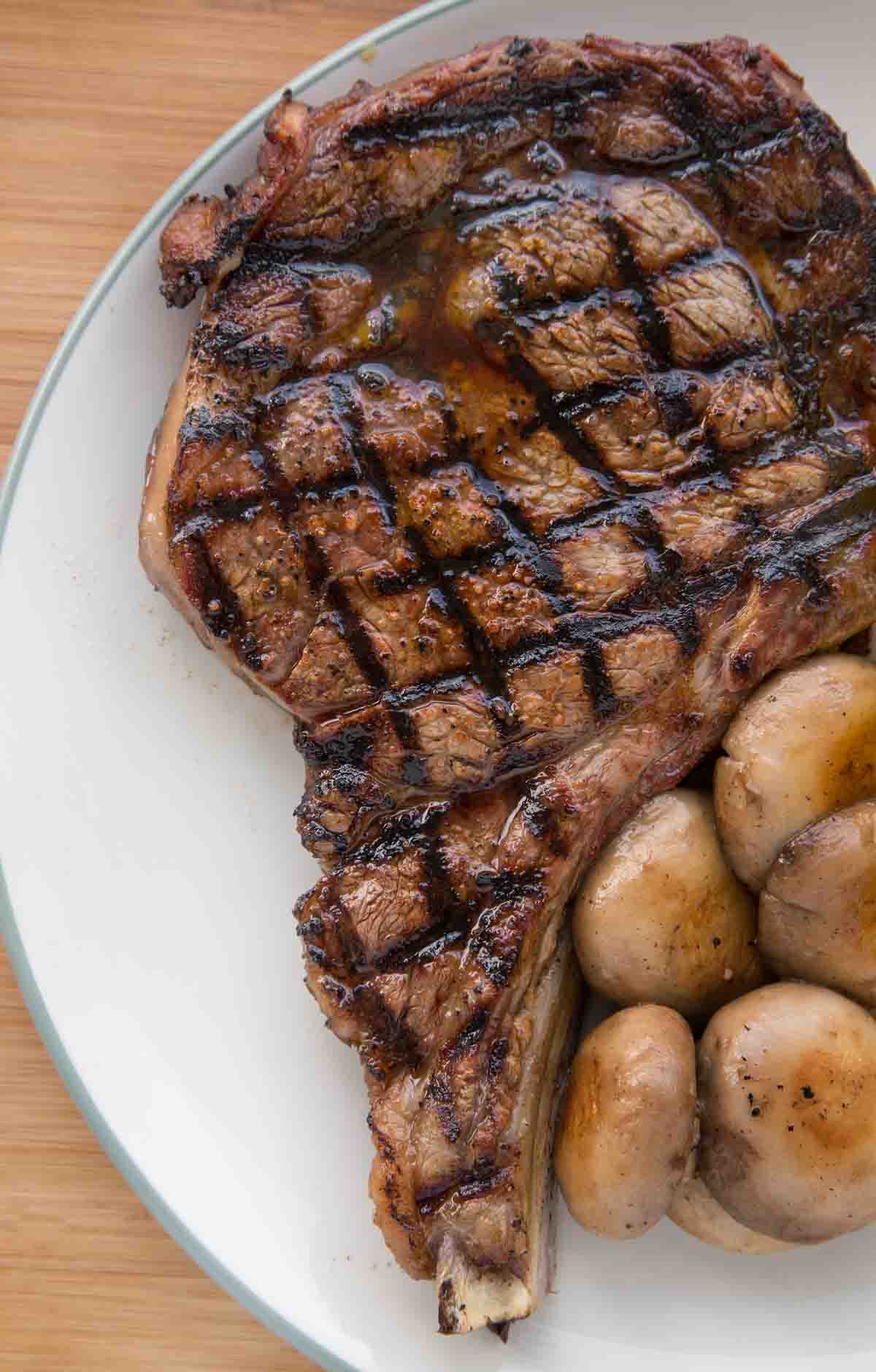
Credit: www.askchefdennis.com
Choosing The Right Cut
Choosing the right cut of steak plays a huge role in how your grilling experience turns out. Different cuts have distinct textures, flavors, and cooking times that can make or break your meal. Knowing what each cut offers helps you decide how long to grill and how to get the best taste.
Popular Steak Options
Some steaks are crowd favorites because they balance flavor and tenderness well.
- Ribeye:Known for its marbling, it stays juicy and flavorful on the grill. It handles high heat well, making it a top pick for grilling.
- Sirloin:Leaner than ribeye, it cooks faster but can dry out if overcooked. It’s great for quick grilling sessions.
- Filet Mignon:The most tender cut, but very lean. It demands careful grilling to avoid drying out.
- New York Strip:Offers a good balance of tenderness and flavor with moderate marbling. Perfect if you want a solid all-around steak.
Think about what texture and flavor you want before you pick your steak. Do you prefer a buttery tender bite or something with a bit more chew?
Thickness And Its Impact
Thickness changes everything about grilling time and technique. A 1-inch thick steak and a 2-inch thick steak need very different grilling approaches.
Thinner steaks cook quickly, usually in 4 to 6 minutes per side, but they can dry out fast if you’re not watching. Thicker steaks allow for a nice sear outside while keeping the inside juicy.
When I first grilled a 2-inch ribeye, I underestimated the time and ended up with a steak that was too rare inside. Adjusting my grilling time and using indirect heat afterward fixed that instantly. Have you ever burned the outside while waiting for the inside to cook?
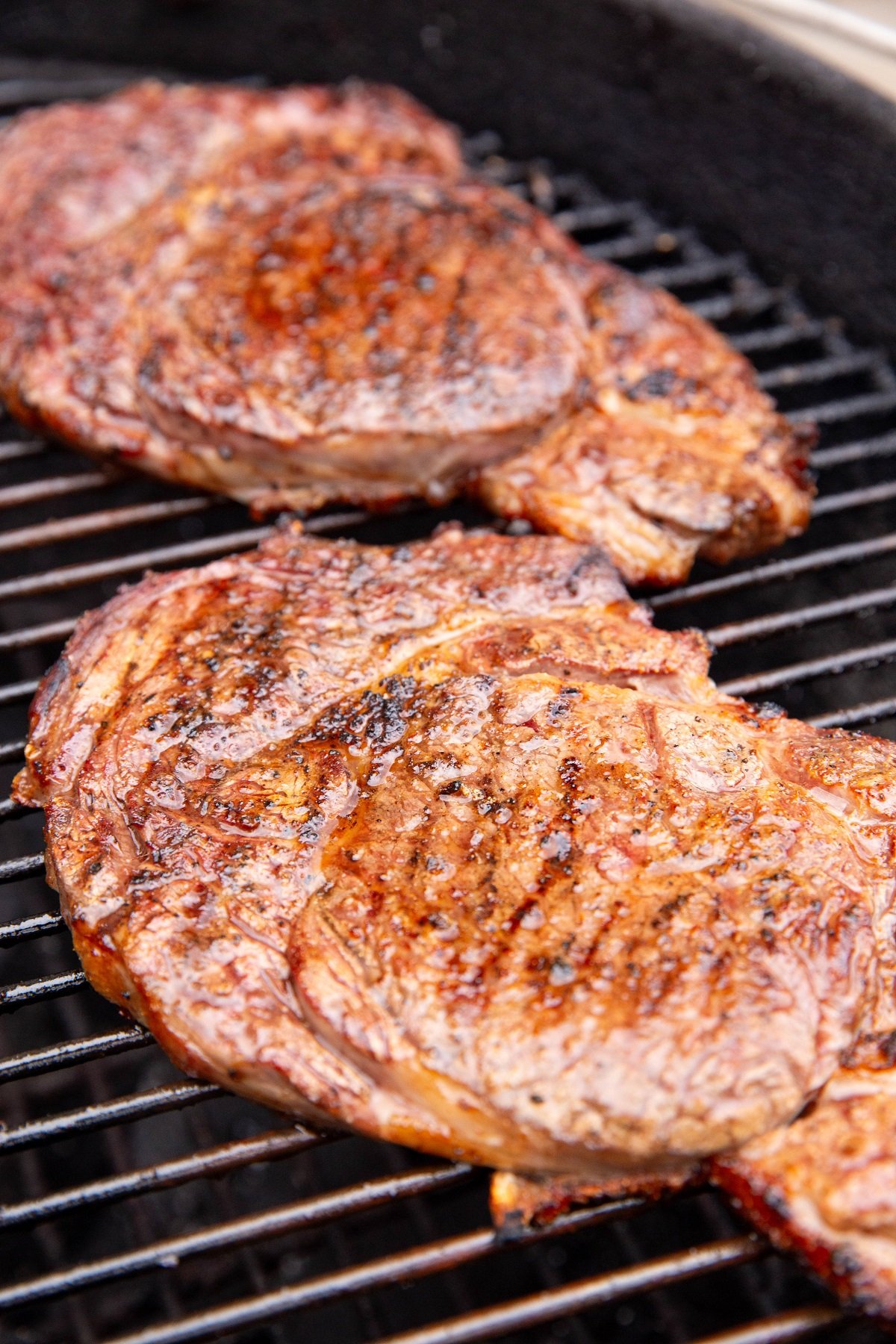
Credit: www.theroastedroot.net
Preparing The Grill
Preparing your gas grill before cooking steaks sets the stage for a perfect sear and juicy flavor. Skipping this step can lead to uneven cooking or steaks sticking to the grates. Taking a few minutes to get your grill ready pays off with better results and less frustration.
Preheating The Grill
Turn on your gas grill and set it to high heat. Let it preheat for about 10 to 15 minutes until it reaches roughly 450°F to 500°F. A properly heated grill creates those desirable grill marks and locks in the steak’s juices.
Have you ever tried cooking on a grill that wasn’t hot enough? The meat tends to stick and cooks unevenly. Waiting those extra minutes might feel like a delay, but it’s essential for a steakhouse-quality finish.
Cleaning The Grates
While the grill is heating up, clean the grates with a sturdy grill brush. Removing old residue and charred bits prevents flare-ups and ensures your steaks get a clean, even sear. Don’t skip this step, even if your grill looks clean—residual buildup can affect flavor and texture.
For extra cleanliness, you can oil the grates using a paper towel dipped in vegetable oil held with tongs. This simple trick helps keep the steaks from sticking and gives you those beautiful, defined grill marks.
Setting The Temperature
Setting the right temperature on your gas grill is crucial to grilling steaks perfectly. Too hot, and you risk burning the outside while leaving the inside undercooked. Too low, and you miss the chance to get that beautiful sear and juicy texture you crave.
Ideal Temperature For Grilling
For steaks, aim to set your grill between 450°F and 500°F. This high heat creates a quick sear that locks in the juices and flavors. If you’re grilling thicker cuts like ribeye or sirloin, slightly lower the temperature to around 400°F to allow the heat to penetrate without charring the surface.
Ever noticed how a steak grilled too fast ends up dry? That’s because the temperature was likely too high or uneven. Keeping your grill within this range helps you get a perfect crust and tender inside every time.
Adjusting Burners For Even Heat
Gas grills often have multiple burners, and controlling them is key to even cooking. Turn on all burners to the desired temperature for a uniform heat zone. If your grill has hot spots, try turning some burners down slightly and placing the steak where the heat is more moderate.
Creating a two-zone fire by turning one burner to high and the adjacent burner to low gives you control over cooking speed. You can sear your steak on the high side, then move it to the cooler side to finish cooking without burning.
- Check burner flames regularly to ensure they are consistent and blue in color.
- Clean your burners often to prevent flare-ups and uneven heat.
- Use an infrared thermometer to spot temperature differences across your grill surface.
Have you tried adjusting burners mid-grill to manage flare-ups? It’s a simple trick that can save your steak from charring and keep your cookout stress-free.
Grilling Time By Doneness
Grilling the perfect steak means knowing exactly how long to cook it for the doneness you want. Each level of doneness requires a different grilling time and technique to get the best texture and flavor. Understanding these differences helps you avoid overcooking or undercooking your steak, making every bite satisfying.
Rare
A rare steak is cooked quickly, usually about 2 to 3 minutes per side on a hot gas grill. The center remains cool and bright red, with a soft, tender texture. If you like your steak juicy and very tender, this is your go-to doneness.
To check for rare, press the steak gently; it should feel soft and give easily. Have you ever bitten into a steak that was too tough? Rare cooking helps keep that from happening.
Medium Rare
Medium rare is the most popular choice among steak lovers, typically grilled for 3 to 4 minutes per side. The center will be warm and pinkish-red, offering a perfect balance of juiciness and firmness. This doneness brings out the best flavor without losing tenderness.
Try using a meat thermometer to hit an internal temperature of about 130°F (54°C). You’ll notice how the steak still melts in your mouth but has a bit more bite than rare.
Medium
For medium doneness, grill the steak 4 to 5 minutes per side. The center will be light pink, and the texture firmer but still moist. This level is great if you prefer a more cooked steak without it becoming dry.
Remember, the key is to avoid grilling too long. Medium steaks can quickly turn into well done if you’re not careful. Do you prefer a firmer texture but don’t want to lose juiciness? Medium might be your perfect match.
Well Done
Well done steaks require about 5 to 6 minutes per side or longer, depending on thickness. The steak will be brown throughout with no pink, and the texture will be firm and dry. This doneness is for those who want their steak fully cooked with no redness.
To keep well done steaks from becoming too tough, consider marinating or using a lower grill heat. Have you ever found a well done steak too chewy? Adjusting your grill technique can help you enjoy it better.
Using A Meat Thermometer
Using a meat thermometer takes the guesswork out of grilling steaks. It gives you a clear picture of the steak’s doneness by measuring the internal temperature precisely. This simple tool can turn an average grilling experience into a consistently perfect one.
Checking Internal Temperature
Insert the meat thermometer into the thickest part of the steak to get an accurate reading. Avoid touching bone or fat, as these can give false readings. Hold the thermometer steady for a few seconds until the temperature stabilizes.
Here’s a quick guide to target temperatures:
| Doneness | Internal Temperature (°F) |
|---|---|
| Rare | 120-125°F |
| Medium Rare | 130-135°F |
| Medium | 140-145°F |
| Medium Well | 150-155°F |
| Well Done | 160°F and above |
Have you ever cut into a steak only to find it overcooked? Using a thermometer prevents that disappointment by letting you know the exact moment to pull your steak off the grill.
Avoiding Overcooking
Steaks continue to cook for a few minutes after you remove them from the grill. This is called carryover cooking. To avoid overcooking, take your steak off the grill when the thermometer reads 5°F lower than your target temperature.
Rest your steak for 5 to 10 minutes before slicing. This lets the juices redistribute and the temperature even out. Trusting the thermometer will help you achieve juicy steaks every time, no matter how busy your grill session gets.

Credit: parade.com
Resting The Steak
Resting the steak is a key step after grilling. It lets the juices settle. This makes the steak juicy and tender. Skipping this step can cause the juices to spill out. The result? A dry and less flavorful steak. Understanding resting helps you enjoy a better meal.
Why Resting Is Important
Grilling heats the steak’s juices and pushes them toward the center. Resting allows these juices to spread evenly. This keeps the steak moist and tasty. Cutting the steak too soon lets the juices escape. The meat becomes tough and dry. Resting also helps the steak finish cooking gently.
Optimal Resting Time
Resting time depends on the steak size and thickness. Small steaks need about 5 minutes. Larger steaks or thick cuts may need 10 to 15 minutes. Use a plate and cover the steak loosely with foil. This keeps the steak warm without steaming it. Resting longer than 15 minutes may cool the steak too much.
Troubleshooting Common Issues
Grilling steaks on a gas grill can sometimes lead to common problems. These issues may affect the taste, texture, or appearance of your steak. Knowing how to troubleshoot can improve your grilling experience and results.
This section covers two main challenges: flare-ups and dryness. Both can be controlled with simple steps and attention. Managing these problems helps you cook a juicy and tasty steak every time.
Dealing With Flare-ups
Flare-ups happen when fat drips onto the flame, causing sudden flames. These flames can burn the steak’s surface and leave black marks.
- Keep a spray bottle of water nearby to control small flames.
- Trim excess fat from steaks before grilling to reduce dripping.
- Move the steak to a cooler part of the grill if flames get too high.
- Close the grill lid to limit oxygen and reduce flare-ups.
- Clean your grill regularly to prevent grease buildup.
Preventing Dryness
Dry steaks lose flavor and become tough. Overcooking is a common cause of dryness.
- Use a meat thermometer to check doneness precisely.
- Cook steaks over medium heat to avoid burning the outside.
- Let steaks rest for 5 minutes after grilling to keep juices inside.
- Marinate steaks before grilling to add moisture and flavor.
- Avoid pressing steaks with a spatula to keep juices intact.
Enhancing Flavor
Grilling steaks isn’t just about cooking them to the right doneness. Flavor plays a huge role in making your steak memorable. You can boost the taste dramatically by using a few simple techniques before and during grilling.
Marinades And Rubs
Adding a marinade or rub before grilling gives your steak a flavor boost that seeps deep into the meat. Marinades with acids like lemon juice or vinegar help tenderize while adding tangy notes.
Dry rubs, made from spices and herbs, create a flavorful crust when grilled. Experiment with combinations like garlic powder, paprika, black pepper, and brown sugar to find what excites your taste buds.
How long should you marinate? Usually, 30 minutes to 2 hours is enough for steaks. Too long and the texture might change, so keep an eye on it.
Using Wood Chips
Wood chips add a smoky aroma that gas grills often lack. You can soak chips in water for 30 minutes, then place them in a smoker box or wrap in foil with holes poked.
Try different wood types like hickory for a strong smoke or applewood for a sweeter touch. The smoke infuses the steak with layers of flavor that make each bite more interesting.
Have you ever noticed how a subtle smoky hint makes a grilled steak taste restaurant-quality? Adding wood chips is a simple trick you can try at home to impress your friends and family.
Frequently Asked Questions
How Long Should I Grill A 1-inch Steak On Gas Grill?
Grill a 1-inch steak for 4-5 minutes per side on high heat. This achieves medium-rare doneness. Adjust time for thickness and desired doneness. Always rest the steak 5 minutes before serving for juicy results.
What Is The Ideal Gas Grill Temperature For Steak?
Set your gas grill to high heat, around 450-500°F. This temperature sears the steak nicely and locks in juices. Preheat the grill for 10-15 minutes to ensure consistent heat before grilling.
How Do I Know When My Steak Is Perfectly Grilled?
Use a meat thermometer: 130°F for medium-rare, 140°F for medium. Also, check for firm but springy texture. Let the steak rest after grilling; carryover heat finishes cooking.
Can I Grill Thick Steaks On A Gas Grill?
Yes, grill thick steaks using two-zone cooking. Sear on high heat, then move to indirect heat to finish cooking. This method prevents burning and ensures even doneness.
Conclusion
Grilling steaks on a gas grill takes practice and attention. Cook times vary by steak thickness and desired doneness. Use a timer and check meat temperature often. Let steaks rest a few minutes before serving. This helps keep them juicy and tender.
Follow these simple tips for tasty grilled steaks every time. Enjoy your meal and happy grilling!
