
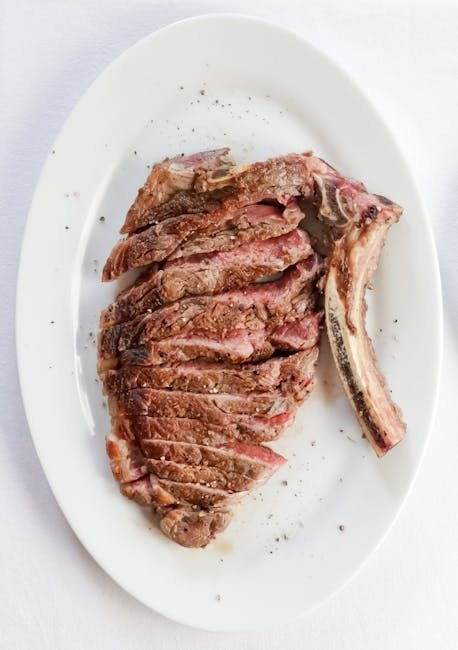
Grilling the perfect ribeye steak can feel like a challenge. You want it juicy, tender, and cooked just right—never overdone or undercooked.
But how long should you actually grill your ribeye steak to get that mouthwatering result? Whether you’re a beginner or have grilled before, knowing the exact timing can make all the difference. Keep reading, and you’ll discover simple tips and clear guidelines to help you master your grill and impress everyone at your next cookout.
Your best steak is just minutes away.
Choosing The Right Ribeye
Choosing the right ribeye means picking a steak with good marbling for flavor. Grill each side for 4-6 minutes to reach medium-rare doneness. Thickness affects cooking time, so adjust accordingly.
Choosing the right ribeye steak is crucial for grilling success. The quality and characteristics of the steak impact flavor and tenderness. By focusing on marbling, thickness, and whether the steak is fresh or frozen, you can make an informed choice.Marbling And Thickness
When selecting a ribeye, marbling is your best friend. The white streaks of fat running through the meat enhance flavor and juiciness. More marbling often means a more tender and flavorful steak. Thickness matters too. A steak that’s about 1 to 1.5 inches thick is ideal for grilling. It allows for a perfect sear on the outside while keeping the inside juicy. Have you ever ended up with an overcooked steak? Choosing the right thickness can help you avoid that pitfall.Fresh Vs. Frozen
The debate between fresh and frozen often comes down to convenience versus quality. Fresh ribeye steaks usually offer superior flavor and texture. They are ready to season and grill, providing an immediate gourmet experience. Frozen steaks, on the other hand, offer flexibility. They can be stored for longer and defrosted when you’re ready to grill. However, make sure to thaw them properly to prevent uneven cooking. Have you ever grilled a partially frozen steak? It can lead to a chewy texture, so take the time to defrost thoroughly. Choosing the right ribeye can make all the difference in your grilling experience. Whether you prioritize marbling, thickness, or the convenience of frozen steaks, your choice sets the stage for a delicious meal.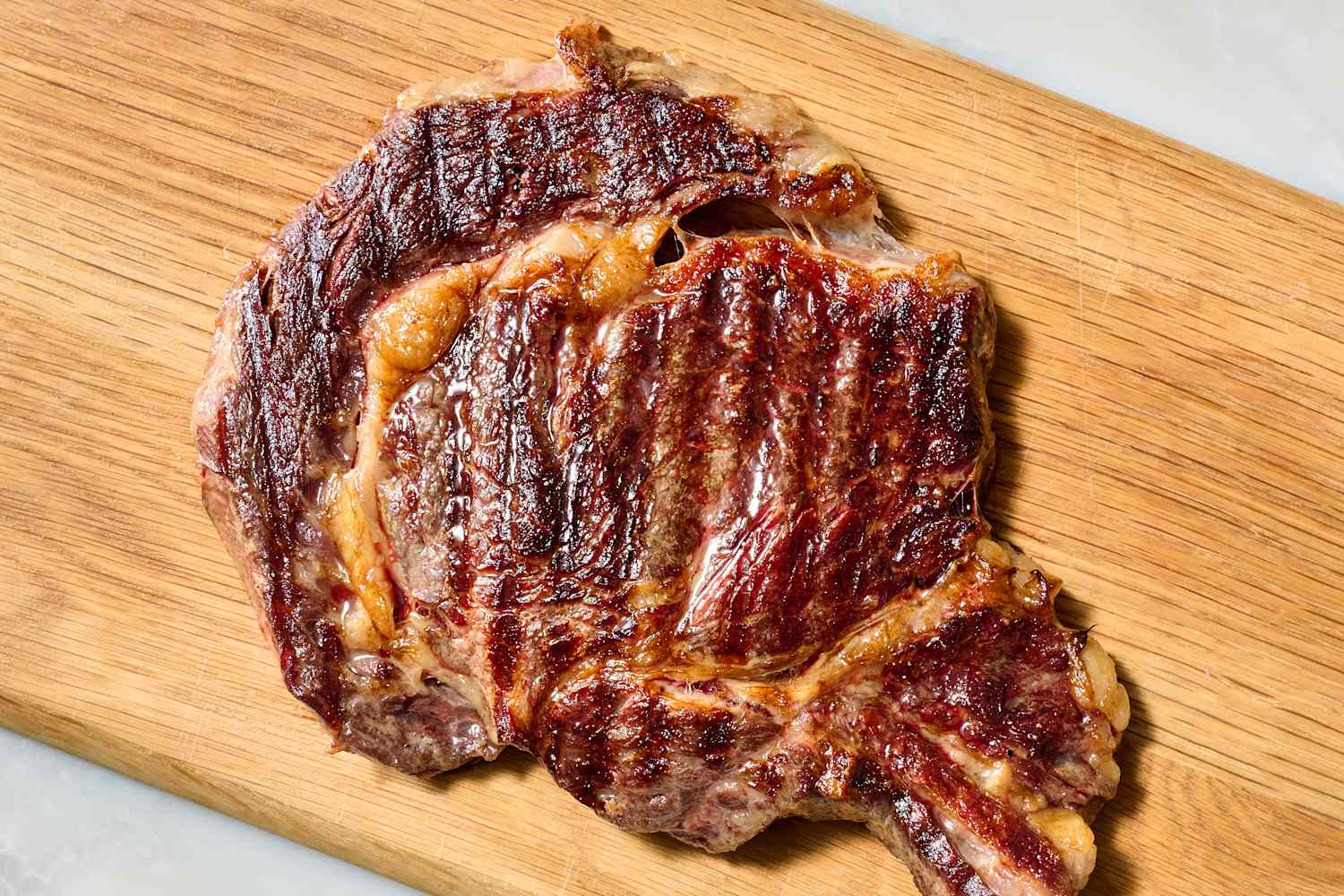
Credit: www.thekitchn.com
Preparing The Steak
Preparing ribeye steaks correctly sets the stage for perfect grilling. This step enhances flavor and ensures even cooking. Taking time to prepare the steak impacts the final taste and texture. Two main parts require attention: seasoning and temperature. Proper seasoning highlights the beef’s rich flavor. Bringing the steak to room temperature helps it cook evenly on the grill.
Seasoning Tips
Start with fresh ribeye steaks. Pat them dry with paper towels. This removes extra moisture for better searing. Use simple seasonings to enhance natural taste.
- Generously sprinkle kosher salt on both sides.
- Add freshly ground black pepper for a mild kick.
- Optionally, use garlic powder or smoked paprika for extra flavor.
- Press seasonings gently into the meat to stick well.
Avoid heavy sauces before grilling. They can burn and mask the beef’s flavor.
Bringing To Room Temperature
Cold steaks cook unevenly and take longer. Remove steaks from the refrigerator 30 to 60 minutes before grilling. Let them sit on a plate at room temperature. This step ensures the meat cooks through evenly. It also helps achieve a nice crust on the outside.
Cover the steaks loosely with foil or plastic wrap to protect from dust. Avoid leaving the steak out too long to keep it safe. Room temperature steaks grill faster and produce juicier results.
Grill Setup
Setting up your grill correctly is key to cooking the perfect ribeye steak. The right setup controls heat and cooks the steak evenly. Knowing how to arrange your grill will help you get the best flavor and texture. Focus on heat zones and temperature control before placing the steak on the grill.
Direct Vs. Indirect Heat
Direct heat means placing the steak right above the flame or coals. This method cooks the steak fast and creates a nice sear. It works well for thinner cuts or finishing the steak.
Indirect heat means placing the steak away from the direct flame. The steak cooks slower and more evenly. Use this method for thicker cuts to avoid burning the outside while the inside cooks.
Many grillers use both methods. Start with direct heat for searing, then move the steak to indirect heat to finish cooking. This gives a crispy outside and juicy inside.
Optimal Grill Temperature
Keep the grill temperature between 450°F and 500°F for a ribeye steak. This high heat creates a good sear and locks in juices.
Use a grill thermometer to check the temperature. Avoid opening the grill lid often. This helps keep the heat steady.
For indirect heat, aim for about 300°F to 350°F. This lower heat cooks the steak gently without drying it out.
Credit: girlscangrill.com
Grilling Times By Thickness
Grilling ribeye steaks to perfection depends heavily on their thickness. Each thickness level demands specific grilling times to ensure you get that juicy, flavorful bite you crave. Understanding these times helps you avoid overcooking or undercooking your steak, making your grilling experience more rewarding.
1-inch Thick Steaks
For a 1-inch thick ribeye, grill it over high heat for about 4 to 5 minutes per side. This usually achieves a medium-rare doneness, which keeps the steak tender and juicy. If you prefer it more cooked, add a minute or two per side, but watch closely to avoid drying it out.
Remember, flipping only once helps build a nice crust. Have you noticed how a quick sear locks in flavor? Try it and see how much difference it makes.
1.5-inch Thick Steaks
Steaks that are 1.5 inches thick need a bit more attention. Grill them for approximately 5 to 7 minutes on each side for medium-rare. This extra time allows the heat to penetrate deeper without burning the outside.
Consider finishing with indirect heat for a few minutes if you want a more even cook. You might be surprised how this technique can elevate your steak’s texture. Have you tried this approach to avoid a raw center?
2-inch Thick Steaks
Two-inch thick ribeyes are a different beast. Start with a strong sear for 3 to 4 minutes per side on direct heat to develop a crust. Then move the steak to indirect heat and cook for another 6 to 8 minutes, flipping once, to reach medium-rare.
This method prevents the outside from charring while the inside reaches the right temperature. How often do you adjust your heat zones for thicker cuts? This simple trick can transform your grilling results.
Cooking To Desired Doneness
Cooking ribeye steaks to the right doneness takes practice and attention. Each level of doneness changes the steak’s texture and flavor. Knowing the right time helps achieve the perfect steak for every taste.
Use a meat thermometer or watch the clock closely. The grill’s heat and steak thickness affect cooking time. Check often to avoid overcooking or undercooking your ribeye.
Rare And Medium-rare
Rare steaks are cool and red inside. Cook for about 2-3 minutes per side on high heat.
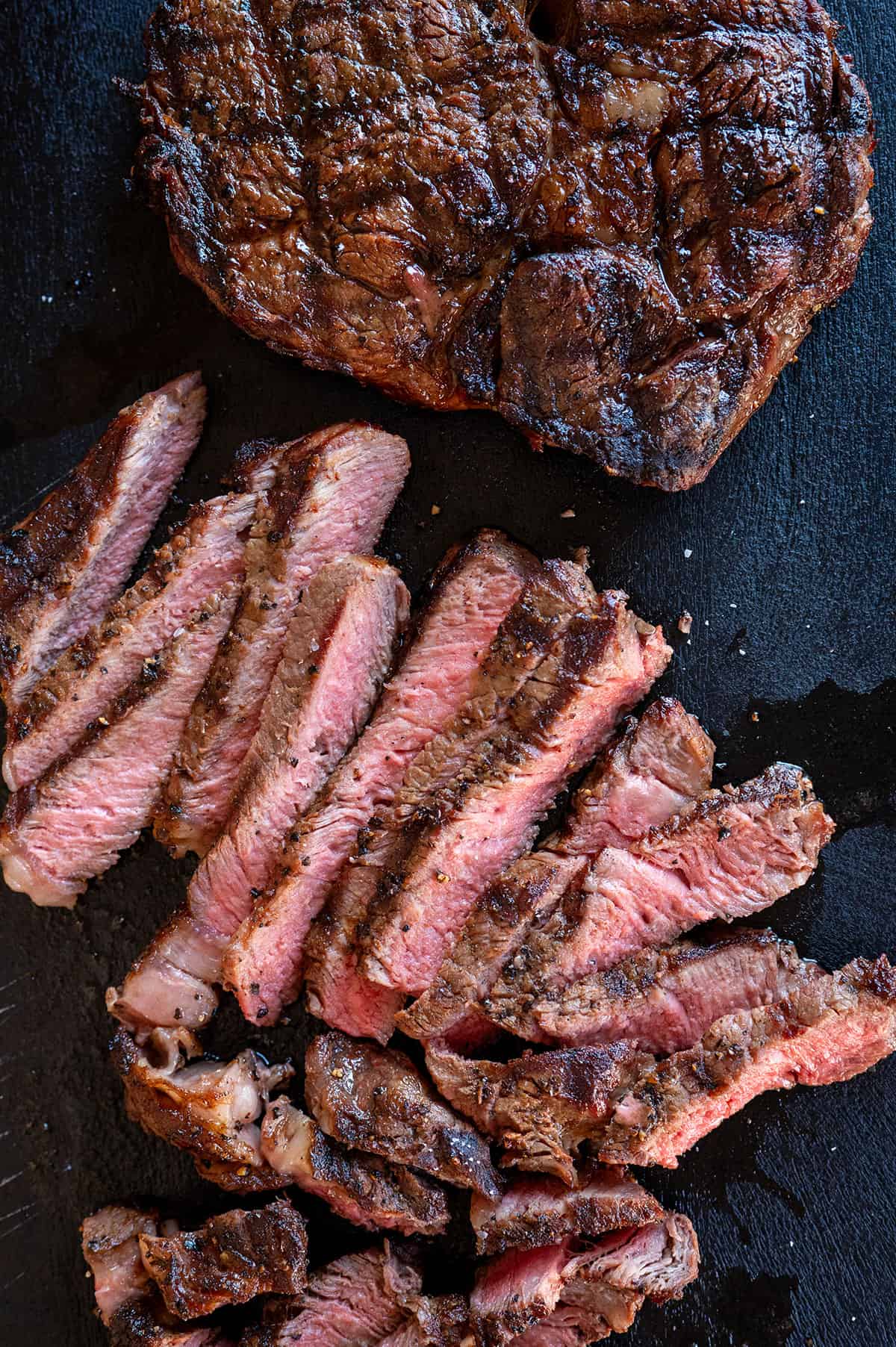
Medium-rare steaks are warm and red in the center. Grill for 3-4 minutes per side.
For both, the internal temperature should be:
- Rare: 120°F to 125°F (49°C to 52°C)
- Medium-rare: 130°F to 135°F (54°C to 57°C)
Medium And Medium-well
Medium steaks have a pink center and firm texture. Cook for 4-5 minutes per side.
Medium-well steaks are mostly brown with a slight pink center. Grill for 5-6 minutes per side.
Ideal internal temperatures are:
- Medium: 140°F to 145°F (60°C to 63°C)
- Medium-well: 150°F to 155°F (66°C to 68°C)
Well-done
Well-done steaks are cooked fully through with no pink. Grill for 6-7 minutes per side.
The internal temperature should reach 160°F (71°C) or higher. This doneness is firmer and less juicy.

Credit: www.mychicagosteak.com
Tips For Juicy Ribeye
Grilling a ribeye steak to juicy perfection takes more than just timing. Small details make a big difference in flavor and texture. These tips help keep your ribeye tender and full of taste.
Resting The Steak
Resting allows juices to spread inside the meat evenly. Take the steak off the grill and let it sit for 5 to 10 minutes. Cover it loosely with foil. This step stops the juices from spilling out when you cut the steak. Rested steak feels softer and tastes better.
Avoiding Overcooking
Overcooked ribeye becomes dry and tough. Use a meat thermometer to check the temperature. Aim for 130°F (54°C) for medium-rare and 140°F (60°C) for medium. Remove the steak from the grill a few degrees before the target. The temperature will rise slightly while resting. Keep an eye on the grill time and heat to avoid burning.
Common Grilling Mistakes
Grilling ribeye steaks can be simple, but common mistakes often ruin the flavor and texture. Avoiding these errors helps you get the perfect steak every time. Many people make small errors that change the way the steak cooks. Understanding what not to do is as important as knowing how to grill.
Flipping Too Often
Flipping the steak too many times stops a good crust from forming. The steak needs time on each side to develop a rich, brown surface. Constant flipping cools the meat and prevents even cooking. Let the steak sit on the grill until it naturally releases. This shows it is ready to flip without tearing.
Pressing The Steak
Pressing the steak with a spatula squeezes out its juices. These juices keep the meat moist and full of flavor. When you press, the steak becomes dry and tough. Let the steak cook without poking or pressing. This keeps it juicy and tender.
Enhancing Flavor
Grilling a ribeye steak is about more than just cooking time. Enhancing the flavor can turn a good steak into an unforgettable experience. Small additions before and during grilling can make your ribeye taste richer and more complex.
Using Marinades
Marinades are a simple way to boost your steak’s flavor. Acidic ingredients like lemon juice or vinegar help tenderize the meat, while herbs and spices add depth.
Try mixing olive oil, garlic, rosemary, and a splash of balsamic vinegar. Let your ribeye soak for at least 30 minutes, but no longer than 2 hours to avoid overpowering the natural beef taste.
Have you ever noticed how a quick marinade can change the whole grilling experience? It’s worth experimenting with different herbs and spices until you find your perfect combo.
Adding Wood Chips
Wood chips add a smoky aroma that complements the ribeye’s rich flavor. Soak chips like hickory or mesquite in water for about 30 minutes before placing them on the coals or in a smoker box.
This technique infuses your steak with subtle smoky notes without needing a full smoker setup. The result is a steak that tastes like it spent hours over a campfire, even if it only grilled for minutes.
Think about the last time you enjoyed that deep, smoky flavor in a steakhouse. Could adding wood chips bring that experience into your backyard? Give it a try and see how it transforms your grilling game.
Frequently Asked Questions
How Long To Grill Ribeye Steak For Medium Rare?
Grill ribeye steak for about 4-5 minutes per side. Aim for an internal temperature of 130°F (54°C). This ensures a juicy, tender medium-rare finish.
What Grilling Time For Ribeye Steak Depends On Thickness?
Thicker ribeye steaks need longer grilling, around 6-7 minutes per side. Thinner cuts require less time, about 3-4 minutes per side. Adjust based on steak thickness.
How To Tell When Ribeye Steak Is Done Grilling?
Use a meat thermometer for accuracy. Medium-rare is 130°F, medium is 140°F. Alternatively, press steak with fingers to check firmness.
Should Ribeye Steak Rest After Grilling?
Yes, rest ribeye steak for 5 minutes after grilling. This allows juices to redistribute, making the steak more flavorful and tender.
Conclusion
Grilling ribeye steaks takes attention and timing. Aim for a few minutes per side, depending on thickness. Use a meat thermometer to check doneness. Rest the steak after grilling to keep juices inside. Simple steps lead to a juicy, flavorful meal.
Practice will help you grill ribeye steaks just right every time. Enjoy the process and the tasty results.
