
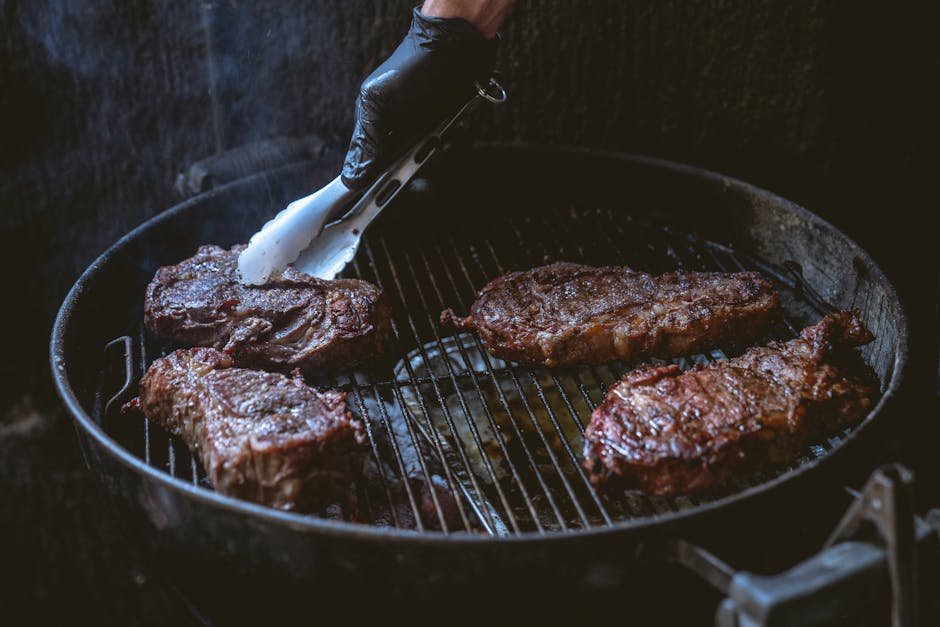
Grilling the perfect ribeye steak can feel like a challenge. You want it juicy, tender, and full of flavor—but how long should you actually grill it?
If you’ve ever wondered about the exact timing to get that ideal sear without overcooking, you’re in the right place. You’ll discover simple tips and clear guidelines to help you master your grill and enjoy a steak cooked just the way you like it.
Keep reading, and you’ll never second-guess your grilling time again.
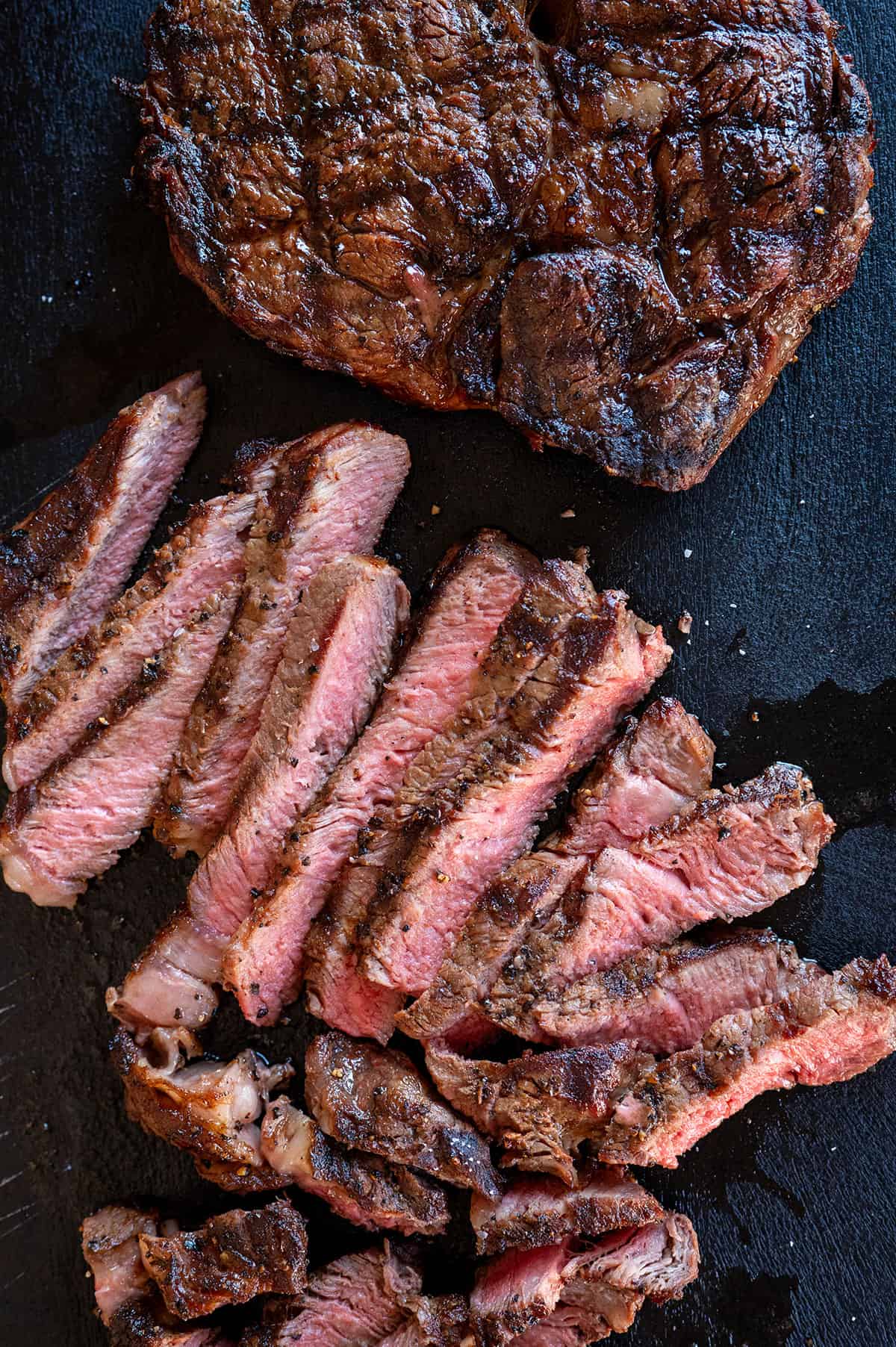
Credit: girlscangrill.com
Choosing The Right Ribeye Steak
Choosing the right ribeye steak sets the foundation for your grilling success. The quality and characteristics of the steak you pick influence cooking time and flavor. Paying attention to specific features can help you grill a ribeye that’s juicy and tender every time.
Thickness And Cut
The thickness of your ribeye steak directly affects how long you’ll need to grill it. Thicker cuts, like 1.5 to 2 inches, require more time on the grill to reach your desired doneness without burning the outside.
Think about the cut as well. Bone-in ribeyes tend to cook more evenly and stay juicier, but they take slightly longer to grill than boneless cuts. Have you noticed how a thick, bone-in steak stays tender even after resting? That’s the benefit of choosing the right cut.
Marbling And Quality
Marbling refers to the thin streaks of fat running through the meat. More marbling means richer flavor and a more tender texture once grilled.
Look for ribeye steaks with visible white fat evenly dispersed. Prime-grade steaks usually have the best marbling, but select Choice grade if you want a balance between quality and price. You might find that a well-marbled steak cooks faster on the grill due to the fat melting and keeping the meat moist.
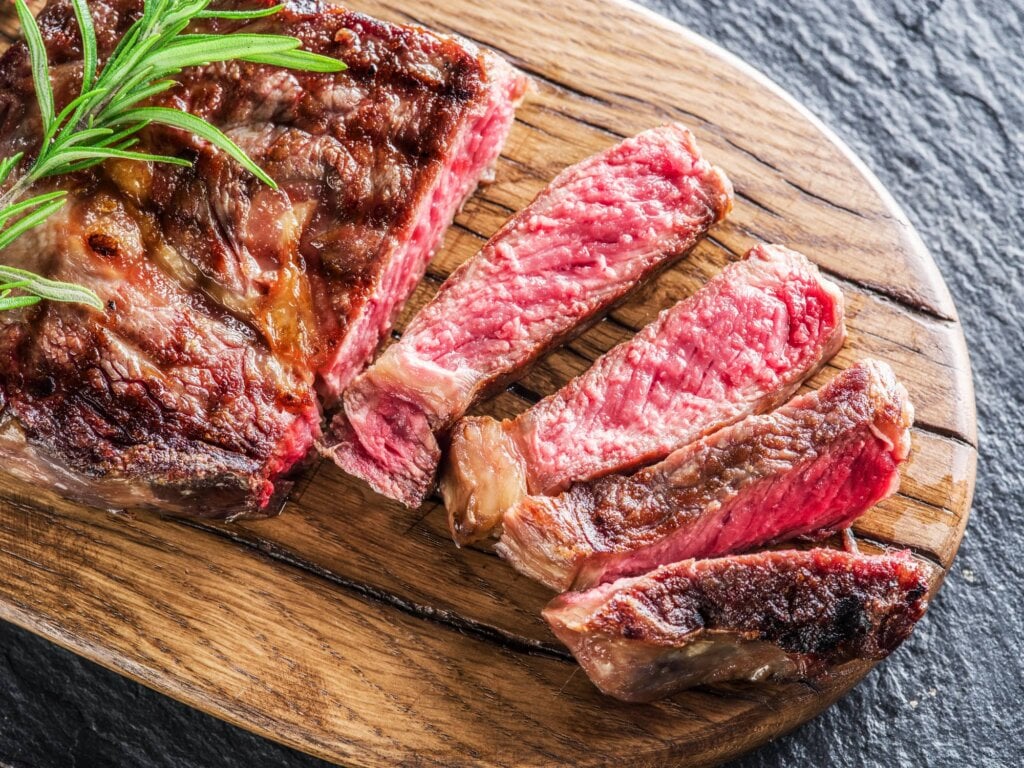
Credit: www.mychicagosteak.com
Preparing The Steak For Grilling
Getting your ribeye steak ready before it hits the grill sets the stage for a perfect cook. The way you prepare the steak impacts flavor, texture, and even how evenly it cooks. Taking the time to season correctly and bring the steak to room temperature can make a big difference in your grilling results.
Seasoning Techniques
Seasoning a ribeye steak well doesn’t mean using a long list of spices. Often, simple salt and pepper are enough to bring out the steak’s natural flavors. Coarse kosher salt works best because it draws moisture to the surface, creating a tasty crust when grilled.
Sprinkle the salt generously on both sides and let it sit for at least 40 minutes before grilling. This dry brining step enhances juiciness and tenderness. Adding freshly ground black pepper right before the steak hits the grill prevents it from burning and turning bitter.
Want a flavor boost? Rub the steak lightly with garlic powder or smoked paprika for subtle complexity. Remember, less is more—avoid overpowering the natural richness of the ribeye.
Bringing Steak To Room Temperature
Cold steak straight from the fridge won’t cook evenly. The outside may char while the inside remains undercooked. Taking your ribeye out 30 to 60 minutes before grilling lets it warm up slowly and cook more uniformly.
Place the steak on a plate, cover loosely with foil, and leave it on the counter. This step helps the muscle fibers relax, so the meat stays tender after grilling. Have you noticed how steaks taste better when they’re not icy cold?
If you’re short on time, try this: pat the steak dry with paper towels to remove excess moisture. Moisture creates steam on the grill, which can prevent a good sear. Drying your ribeye ensures a beautifully caramelized crust.
Grill Setup And Temperature
Setting up your grill and reaching the right temperature is key to grilling the perfect ribeye steak. The grill type and heat level affect cooking time and steak flavor. Understanding these basics helps you control the process better and enjoy a juicy, tender steak.
Gas Vs. Charcoal Grills
Gas grills heat up quickly and offer easy temperature control. You turn a knob and adjust the flame instantly. This makes gas grills great for consistent cooking.
Charcoal grills take longer to heat but give a smoky flavor. They create high heat and smoky aromas that many steak lovers prefer. Managing the charcoal and airflow can be tricky but rewarding.
- Gas grills: fast start, steady heat, simple control.
- Charcoal grills: smoky taste, intense heat, hands-on process.
Ideal Heat Levels
Ribeye needs high heat to sear outside and keep juices inside. Aim for 450°F to 500°F on your grill’s cooking grate. This temperature range creates a nice crust.
Use a grill thermometer to check the heat. On gas grills, adjust burners to reach the right temperature. For charcoal grills, spread hot coals evenly and wait until they glow red with a light layer of ash.
Keep the grill covered during cooking to maintain steady heat. Avoid lifting the lid too often as heat escapes and cooking slows down.
Grilling Times By Thickness
Grilling times for ribeye steaks vary significantly with their thickness. Getting the timing right ensures a juicy, flavorful steak cooked exactly to your liking. Let’s break down the grilling times based on common thicknesses so you can nail your next cookout.
1-inch Ribeye
A 1-inch ribeye is a popular choice for a quick, satisfying steak. Grill it over high heat for about 4-5 minutes per side for medium-rare. If you prefer medium, add another minute or two on each side.
Remember to rest the steak for 5 minutes after grilling. This helps the juices redistribute, making every bite tender. Have you ever cut into a steak right off the grill and lost all the juices? Resting prevents that.
1.5-inch Ribeye
Thicker steaks require more patience. For a 1.5-inch ribeye, aim for 5-6 minutes per side for medium-rare. To avoid overcooking the outside, use a two-zone grilling method: sear on high heat, then move it to a cooler spot to finish.
This approach keeps the steak juicy while achieving a perfect crust. Do you usually flip your steak multiple times or just once? Experiment with flipping to see how it affects the crust and doneness.
2-inch Ribeye
Two-inch ribeyes are impressive but need careful timing. Sear each side for 4-5 minutes over high heat, then move the steak to indirect heat for 6-8 minutes. Use a meat thermometer to check for your desired doneness—130°F for medium-rare is ideal.
Thick steaks can be tricky, but watching the internal temperature takes the guesswork out. How often do you rely on a thermometer versus timing by feel? Combining both methods can improve your grilling game.
Achieving Desired Doneness
Achieving the perfect doneness for your ribeye steak requires attention to time and temperature. Each level of doneness offers a different texture and flavor experience. Knowing the right grilling time helps you enjoy the steak exactly how you want it.
Use a meat thermometer for best accuracy. It ensures the steak reaches the ideal internal temperature without overcooking.
Rare And Medium Rare
Rare ribeye has a cool, red center and a soft texture. Grill for about 2-3 minutes per side over high heat.
Medium rare offers a warm red center with a juicy, tender bite. Grill 3-4 minutes per side. Internal temperature should reach 130-135°F (54-57°C).
Medium And Medium Well
Medium steaks have a warm pink center and firmer texture. Grill 4-5 minutes per side. Aim for 140-150°F (60-65°C) inside.
Medium well is mostly brown with a slight hint of pink. Cook 5-6 minutes per side. The internal temperature should be 150-160°F (65-71°C).
Well Done
Well done steaks are brown throughout with no pink. Grill 6-7 minutes per side on medium heat.
Internal temperature must reach 160°F (71°C) or higher. Expect a firm, less juicy steak at this level.
Using A Meat Thermometer
Using a meat thermometer is the best way to grill a ribeye steak perfectly. It helps check the steak’s internal temperature. This ensures you cook the steak just right. No more guessing or cutting into the meat early. A thermometer gives precise results every time.
Temperature Guide For Doneness
| Doneness | Internal Temperature (°F) | Description |
|---|---|---|
| Rare | 120-125 | Cool, red center |
| Medium Rare | 130-135 | Warm, red center |
| Medium | 140-145 | Pink center |
| Medium Well | 150-155 | Slightly pink center |
| Well Done | 160+ | No pink, fully cooked |
How To Insert The Thermometer
- Insert the probe into the thickest part of the steak.
- Avoid touching bone or fat for an accurate reading.
- Push the thermometer in sideways, not from the top.
- Wait a few seconds until the temperature stabilizes.
- Check the temperature and remove the steak once it’s done.
Resting The Steak
Resting a ribeye steak after grilling is a key step that often gets overlooked. This simple pause allows the juices to settle inside the meat. The result is a steak that stays moist and flavorful when you cut into it. Skipping this step can cause the juices to spill out, leaving the steak dry.
Resting also helps the heat distribute evenly throughout the steak. This makes each bite tender and consistent. The meat fibers relax, making the steak easier to chew. Resting does not take long, but it makes a big difference in taste and texture.
Why Resting Matters
Grilled ribeye steak holds hot juices inside the meat. Cutting it immediately lets those juices run out. This makes the steak less juicy and less tasty. Resting the steak keeps the juices inside. It also helps the meat finish cooking gently.
The fibers inside the steak tighten during cooking. Resting lets them relax and soak up the juices. This keeps the meat tender and juicy. The steak becomes more flavorful and enjoyable to eat.
Optimal Resting Time
The best resting time for a ribeye steak is about 5 to 10 minutes. Larger or thicker cuts may need a bit longer. Use a plate or cutting board and cover the steak loosely with foil. This keeps the steak warm without steaming it.
- Rest small steaks for 5 minutes.
- Rest thick or large steaks for 8-10 minutes.
- Do not cover tightly; allow air to flow.
Resting for the right time lets the heat and juices balance inside. The steak stays warm and juicy, ready to serve perfectly every time.
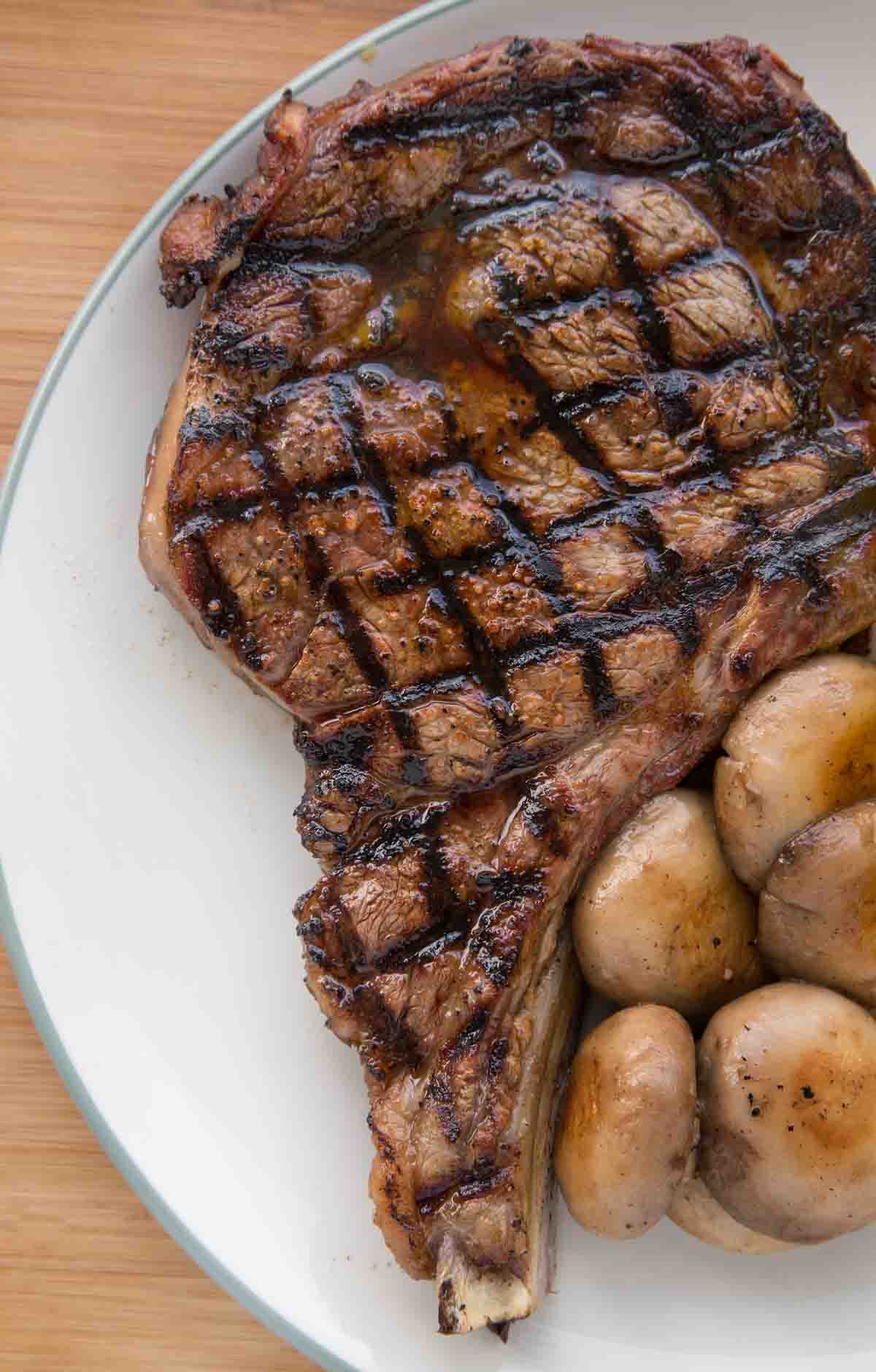
Credit: www.askchefdennis.com
Additional Tips For Perfect Ribeye
Grilling the perfect ribeye steak is more than just timing it right. Small details can make a big difference in flavor and texture. Let’s dive into some practical tips that can elevate your ribeye grilling game and help you achieve that juicy, tender steak every time.
Flipping Techniques
How often you flip your ribeye matters. Resist the urge to flip it constantly; flipping too much can prevent a nice crust from forming.
Try flipping your steak just once or twice during the grilling process. This allows each side to develop a rich sear and locks in the juices. If you want those classic grill marks, flip at a 45-degree angle halfway through cooking each side.
Have you noticed how some steaks cook unevenly? Moving the steak slightly while grilling can help avoid hot spots, but avoid pressing down on it. Pressing squeezes out the flavorful juices and dries out your steak.
Avoiding Common Mistakes
One mistake that ruins many ribeyes is grilling straight from the fridge. Let your steak sit at room temperature for about 30 minutes before grilling. This helps it cook evenly inside and out.
Don’t skip seasoning. Salt your ribeye generously just before grilling to enhance flavor and texture. Avoid adding salt too early; it can draw out moisture and make your steak dry.
Another tip: avoid using high heat the entire time. Start with high heat for a quick sear, then move the steak to a cooler part of the grill to finish cooking. This method prevents burning while ensuring the inside is cooked to your liking.
Have you ever cut into a steak only to find it undercooked or overdone? Use a meat thermometer to check the internal temperature instead of guessing. Aim for 130°F (54°C) for medium-rare, and adjust based on your preference.
Frequently Asked Questions
How Long Should You Grill A Ribeye Steak?
Grill a ribeye steak for about 4-6 minutes per side. This timing depends on thickness and desired doneness. Use a meat thermometer to ensure accuracy. For medium-rare, aim for 130°F. Let it rest for 5 minutes after grilling for optimal flavor and juiciness.
What Temperature Is Best For Grilling Ribeye?
The best temperature for grilling ribeye is medium-high heat, around 450°F. This ensures a good sear and caramelization. Preheat your grill to this temperature before placing the steak on it. Consistent heat helps achieve the perfect crust and preserves the steak’s juiciness.
How Do You Know When Ribeye Is Done?
To know when ribeye is done, use a meat thermometer. Medium-rare steaks should reach 130°F, medium at 140°F. This ensures the desired doneness and prevents overcooking. Always let the steak rest for a few minutes after grilling. This allows the juices to redistribute for better flavor.
Should You Marinate Ribeye Before Grilling?
Marinating ribeye before grilling is optional but enhances flavor. A simple marinade with olive oil, garlic, and herbs works well. Marinate for 30 minutes to 2 hours for the best results. Ensure the steak is at room temperature before grilling to cook evenly and achieve the best taste.
Conclusion
Grilling a ribeye steak takes careful timing and attention. Cook it just right for the best taste and texture. Use a meat thermometer to check the temperature easily. Remember, thicker steaks need more time on the grill. Let the steak rest before cutting to keep it juicy.
Enjoy your perfectly grilled ribeye with your favorite sides. Cooking with care brings great flavor every time. Simple steps make a delicious meal anyone can enjoy.
