
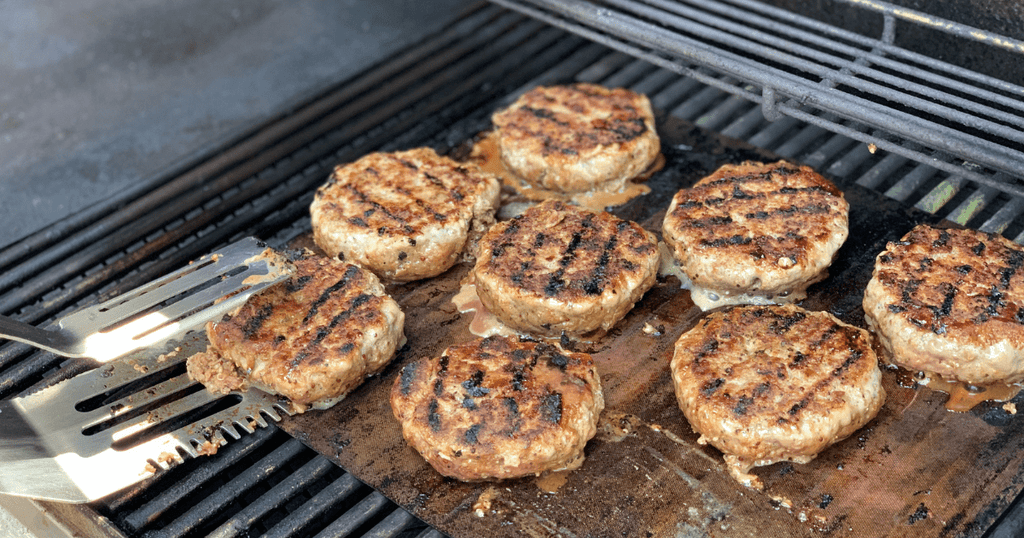
Grilling the perfect burger can feel like a mystery. You want it juicy, cooked just right, and full of flavor—but how long should you really leave it on the grill?
Too little time, and it’s raw; too long, and it’s dry. If you’ve ever stood over the grill wondering exactly how long to cook your burgers, you’re not alone. This guide will give you clear, simple answers so your next burger turns out delicious every time.
Keep reading to unlock the secrets to grilling burgers like a pro.
Choosing The Right Burger Patty
Choosing the right burger patty is essential for grilling success. It influences cooking time, flavor, and the overall texture of your burger. Understanding the basics of patty thickness, meat type, and seasonings will help you craft a burger that suits your taste perfectly.
Patty Thickness And Size
The thickness of your burger patty directly affects how long it takes to cook. Thinner patties, around ½ inch thick, cook quickly—usually 3 to 4 minutes per side. Thicker patties, ¾ inch or more, need more time to reach the right internal temperature without burning the outside.
Size also matters. A larger diameter means more surface area exposed to heat, which can change cooking dynamics. Think about your grill space and how many burgers you want to cook at once when choosing patty size.
Ground Meat Types
Ground beef is the classic choice, but the fat content varies—higher fat means juicier burgers but more flare-ups on the grill. Leaner beef cooks faster but can be dry if overcooked.
You can also experiment with ground turkey, chicken, or lamb. These meats often need careful timing since they can dry out easily. Mixing different meats can add unique flavors and textures to your burgers.
Adding Fillers And Seasonings
Some cooks add fillers like breadcrumbs or egg to bind the patty, especially when using lean meat. While fillers can help with texture, they may affect how fast your burger cooks and its juiciness.
Seasoning is crucial. Salt and pepper are basics, but adding garlic powder, onion powder, or fresh herbs can elevate your burger’s flavor. Sprinkle seasonings just before grilling to keep the meat moist.

Credit: www.delish.com
Preparing The Grill
Preparing the grill is key to cooking perfect burgers. A clean and well-heated grill helps food cook evenly. It also prevents sticking and flare-ups. Taking time to prepare the grill makes your burgers juicy and tasty.
Cleaning And Oiling The Grates
Start by cleaning the grill grates with a wire brush. Remove all leftover food and debris. This stops old flavors from mixing with your burgers. After cleaning, wipe the grates with a paper towel dipped in oil. This creates a non-stick surface. Use oils with high smoke points like canola or vegetable oil.
Setting The Right Temperature
Preheat the grill before placing burgers on it. Aim for a medium-high heat, about 375°F to 400°F (190°C to 205°C). This temperature cooks the burgers evenly without burning the outside. Use a grill thermometer to check the heat. Let the grill heat for 10 to 15 minutes before cooking.
Direct Vs Indirect Heat
Direct heat means placing burgers right over the flames. This cooks the outside quickly and creates grill marks. It is good for thinner patties. Indirect heat means cooking burgers next to the flames, not directly over them. This method cooks burgers slower and more evenly. Use indirect heat for thicker patties or when finishing cooking after searing.
Grilling Times For Different Doneness
Grilling burgers to your preferred level of doneness can make all the difference between a juicy, flavorful bite and a dry, tough patty. The cooking time changes depending on how you like your burger cooked, and knowing these times helps you avoid overcooking or undercooking. Let’s break down the grilling times for rare to well-done burgers, so you can master grilling every time.
Rare And Medium-rare
If you like your burger with a pink, cool center, rare or medium-rare is the way to go. Grill your burger for about 2 to 3 minutes per side over high heat.
This will give you an internal temperature of 120-130°F (49-54°C). Keep in mind that rare burgers are juicy but may not be suitable for everyone’s taste or food safety preferences.
Have you ever wondered how grilling just a minute longer can change the whole flavor and texture? Try timing it closely to see the difference yourself.
Medium And Medium-well
Medium burgers have a warm pink center, while medium-well ones are mostly brown with a slight hint of pink. Grill medium burgers for about 4 minutes per side, reaching an internal temperature of 135-145°F (57-63°C).
For medium-well, increase the time to about 5 minutes per side, aiming for 150-155°F (65-68°C). This range balances juiciness and firmness perfectly for many burger lovers.
Experiment with these times to find your sweet spot—how pink do you really want your burger?
Well-done
Well-done burgers are fully cooked through with no pink inside. Grill these for about 6 minutes per side, until the internal temperature hits 160°F (71°C) or above.
This ensures safety but can dry out the meat if you’re not careful. To keep it juicy, consider adding a little extra fat to the patty or brushing with oil while grilling.
What’s your take on well-done burgers? Do you think the extra cooking time is worth the texture trade-off?

Credit: kitchenlaughter.com
Tips For Even Cooking
Getting your burgers cooked evenly on the grill can be tricky but makes all the difference in taste and texture. Uneven cooking often leads to dry edges and a raw center, which no one wants. Here are some practical tips to help you master the art of even burger cooking every time you fire up the grill.
Flipping Frequency
How often you flip your burger matters more than you might think. Flipping too often can prevent a nice crust from forming, while flipping too little can cause one side to burn. Aim to flip your burger just once or twice during cooking to keep it juicy and evenly browned.
Think about your last grilled burger—did you keep flipping it because you were worried about undercooking? Try slowing down and flipping less frequently next time to see a big difference.
Pressing The Patty
Pressing down on your burger with a spatula might feel natural, but it squeezes out juices that keep the meat moist. Avoid pressing the patty while cooking to maintain its flavor and tenderness. Let the burger cook undisturbed to lock in those delicious juices.
Have you noticed dry burgers from a backyard cookout? Chances are, they were pressed too much. Resist that urge to flatten your burger on the grill!
Using A Meat Thermometer
Relying on guesswork can lead to undercooked or overdone burgers. A meat thermometer takes the guesswork out of grilling by showing you the exact internal temperature. Aim for 160°F (71°C) for ground beef to ensure safety without sacrificing juiciness.
Invest in a good instant-read thermometer and check your burger’s temperature in the thickest part. It’s a small tool that guarantees perfect results every time.
Avoiding Common Grilling Mistakes
Avoiding common grilling mistakes ensures juicy, tasty burgers every time. Many cooks either overcook or undercook burgers, ruining the flavor. Some face flare-ups that burn the meat quickly. Knowing the right steps keeps your grilling smooth and your burgers perfect.
Overcooking And Dryness
Overcooked burgers lose their juiciness fast. The meat becomes dry and tough. Watch the grill time carefully. Use a timer or thermometer to check doneness. Remove burgers just as they reach the right temperature. Let them rest briefly to keep juices inside.
Undercooking Risks
Undercooked burgers can cause health problems. Raw meat may carry harmful bacteria. Always cook burgers to a safe internal temperature. Use a meat thermometer for accuracy. A good target is 160°F (71°C) for ground beef. Avoid guessing to keep your meal safe.
Flare-ups And Burning
Fat dripping causes flare-ups on the grill. Flames can burn the burger’s surface quickly. Keep a spray bottle of water nearby. Move burgers away from flames during flare-ups. Trim excess fat from patties before grilling. This helps reduce sudden fires and burning.
Resting And Serving Burgers
Resting and serving burgers are key steps after grilling. Resting lets juices settle inside the patty. This makes the burger juicier and tastier. Serving is the moment to add flavors and textures. Choosing the right toppings and buns can change the whole burger experience.
Why Resting Matters
Resting keeps the burger moist. Hot burgers lose juice when cut immediately. Juices spread evenly during rest. This makes every bite flavorful and juicy. Resting also helps the burger finish cooking inside. It gives better texture and taste.
Ideal Resting Time
Rest burgers for about 5 minutes. Use a warm plate and cover loosely with foil. This keeps heat without steaming the burger. Too long resting cools the burger down. Too short resting causes juice loss. Five minutes is the perfect balance.
Choosing Toppings And Buns
Pick toppings that add flavor and crunch. Common choices include:
- Lettuce
- Tomato
- Onions
- Pickles
- Cheese slices
Choose buns that hold well and taste good. Soft buns soak up juices without falling apart. Toast buns lightly on the grill for extra flavor. This adds a slight crisp and warmth.
Credit: butcherbbq.com
Frequently Asked Questions
How Long Should Burgers Cook On A Hot Grill?
Cook burgers on a hot grill for 3-4 minutes per side. This ensures a juicy, medium doneness. Adjust time for thickness and preferred doneness.
What Is The Ideal Internal Temperature For Grilled Burgers?
The ideal internal temperature is 160°F (71°C) for ground beef burgers. Use a meat thermometer to check for safe consumption and perfect juiciness.
Should I Flip Burgers Once Or Multiple Times?
Flip burgers only once during grilling. This helps develop a good crust and keeps juices inside. Avoid pressing down to retain moisture.
How Does Burger Thickness Affect Grilling Time?
Thicker burgers need longer grilling, about 5-6 minutes per side. Thinner patties cook faster, around 2-3 minutes per side. Adjust based on thickness.
Conclusion
Grilling burgers can be easy and fun. Remember to keep an eye on the time. Typically, four to six minutes per side works best. This results in a juicy, well-cooked burger. Use a meat thermometer for accuracy. Aim for an internal temperature of 160°F.
Let the burgers rest for a few minutes before serving. This helps the juices settle. Enjoy your delicious, homemade burgers with friends and family. Grilling is an art, and practice makes perfect. So fire up that grill and get cooking! Your efforts will surely be appreciated.
