
If you’ve ever wanted to smoke ribs that turn out tender, juicy, and packed with flavor, using a pellet grill is one of the best ways to do it. But you might wonder, how do you smoke ribs on a pellet grill the right way?
You’re about to discover simple steps and insider tips that will help you master this delicious craft. By the time you finish reading, you’ll know exactly how to make ribs that impress your friends and satisfy your cravings every time.
Ready to become the go-to rib master at your next barbecue? Let’s dive in.

Credit: www.cuisinart.com
Choosing The Right Ribs
Choosing the right ribs is the first and most important step to smoking delicious ribs on a pellet grill. The type and quality of ribs you pick will greatly affect the flavor, tenderness, and overall success of your smoke. You want ribs that not only fit your taste but also respond well to the slow, smoky cooking process.
Types Of Ribs
There are several types of ribs to choose from, each with its own texture and flavor profile. The most common are:
- Baby Back Ribs:These come from the upper part of the rib cage, near the spine. They are smaller, leaner, and cook faster, making them great for beginners.
- Spare Ribs:These are larger, meatier, and come from the belly side of the rib cage. They take longer to cook but offer more flavor and tenderness when smoked properly.
- St. Louis Style Ribs:These are spare ribs trimmed down to a neat rectangular shape. They are easier to handle and often more uniform in cooking.
Think about the time you have and the flavor you want. Are you aiming for quick and tender, or rich and meaty?
Quality And Freshness
Picking fresh ribs with good quality makes a huge difference. Always look for ribs that have a bright pink color with a nice layer of fat. This fat will melt during smoking, keeping the meat juicy and flavorful.
Check the packaging date and avoid ribs with any off smell or slimy texture. Fresh ribs will give you better smoke absorption and a more tender bite.
Have you ever noticed how fresh ribs almost melt in your mouth after smoking? That’s the quality working for you.
Credit: whitekitchenredwine.com
Preparing The Ribs
Preparing the ribs properly is the foundation of a perfect smoked rib experience on your pellet grill. How you trim, season, and marinate the ribs can make a huge difference in the final flavor and texture. Taking your time with this step ensures every bite is juicy, tender, and packed with flavor.
Trimming And Cleaning
Start by removing the silver skin from the back of the ribs. This thin, tough membrane can block smoke and seasoning from penetrating the meat. Use a paper towel to grip it and gently pull it off in one piece.
Trim excess fat, but don’t go overboard. A little fat adds flavor and moisture during smoking. Focus on removing large chunks that won’t render down properly.
Applying A Dry Rub
Choose a dry rub that matches your flavor preference—sweet, spicy, or smoky. Pat the ribs dry before applying the rub to help it stick better.
Don’t be shy with the seasoning. Cover every inch of the meat, pressing it gently to adhere. Letting the rub sit for at least 30 minutes allows the flavors to penetrate deeply.
Marinating Techniques
Marinating ribs before smoking can enhance tenderness and add another flavor layer. Use a simple mix of acid (like apple cider vinegar or lemon juice), oil, and spices.
Consider marinating for 2 to 4 hours in the fridge, but avoid over-marinating as it can break down the meat too much. Ever tried injecting marinade directly into the ribs? It’s a game-changer for deep flavor.
What flavor combos are you excited to try on your next batch of ribs? Experimenting here can turn a good cook into a great one.
Setting Up The Pellet Grill
Setting up your pellet grill properly is the foundation for perfectly smoked ribs. It’s not just about turning on the grill; the details matter. From picking the right pellets to mastering temperature control and preheating, each step shapes the flavor and texture of your ribs.
Selecting The Right Pellets
Choosing the right pellets can make a huge difference in the taste of your ribs. You want hardwood pellets like hickory, apple, or cherry, which add a rich smoky flavor without overpowering the meat. Avoid softwood pellets because they create a bitter taste.
Think about what flavor profile you want. Hickory is bold and classic, while apple gives a sweeter, milder smoke. I once switched to cherry pellets and noticed my ribs had a subtle fruity twist that impressed everyone at the cookout.
Temperature Control
Precise temperature control on a pellet grill is your best friend for smoking ribs evenly. Set your grill to a steady 225°F to 250°F. This low and slow heat breaks down the collagen in the ribs, making them tender without drying them out.
Don’t guess your grill’s temperature—use a separate grill thermometer for accuracy. If the temp fluctuates, your ribs might end up tough or undercooked. Have you ever burned ribs because the grill suddenly got too hot? Temperature control avoids that problem.
Preheating The Grill
Preheating your pellet grill is essential for consistent cooking. Turn it on and let it reach your target temperature before placing the ribs inside. This step ensures the pellets are burning steadily and the heat is distributed evenly.
Skipping preheating can cause uneven cooking and longer cook times. I learned this the hard way when my ribs were still tough in the middle after rushing the process. Waiting those extra 15 minutes makes a big difference.
Smoking Process
The smoking process is key to making tender and flavorful ribs on a pellet grill. It takes time and patience to develop the perfect smoke ring and juicy texture. Understanding how to place ribs, control smoke, and track cooking time will improve your results. A steady temperature and clean smoke make all the difference. Here is how to manage each stage for mouthwatering ribs.
Placing Ribs On The Grill
Start by preheating your pellet grill to about 225°F. Remove the membrane from the back of the ribs for better smoke absorption. Lay the ribs bone-side down on the grill grates. Avoid overcrowding to allow even smoke and heat circulation. Keep ribs away from direct flame to prevent burning.
Maintaining Smoke Levels
Use quality hardwood pellets for clean, consistent smoke. Keep the pellet hopper full to avoid temperature drops. Check smoke color often; thin white smoke is ideal. Thick gray or black smoke can cause bitter flavors. Adjust the pellet feed or airflow to keep smoke steady and light throughout the cook.
Timing And Monitoring
Smoke ribs for about 4 to 6 hours at 225°F. Use a meat thermometer to check internal temperature. Aim for 195°F to 203°F for tender ribs. Wrap ribs in foil after 3 hours to lock in moisture if desired. Rest ribs for 10 to 15 minutes before slicing for best juiciness.
Techniques For Flavor Enhancement
Enhancing the flavor of ribs on a pellet grill is all about layering moisture, smoke, and seasoning thoughtfully. Each technique you try can bring out different aspects of the meat’s natural taste and texture. Experimenting with these methods will help you find the perfect balance that suits your palate.
Adding Moisture
Keeping your ribs moist during the long smoking process is key to tender, juicy results. You can add moisture by placing a water pan inside the grill to create a humid cooking environment. Another trick is to spritz the ribs periodically with apple juice, cider vinegar, or even a simple water and seasoning mix. This not only keeps the surface from drying out but also helps build a flavorful bark.
Have you tried wrapping your ribs in foil or butcher paper midway through cooking? This technique, often called the “Texas Crutch,” traps steam and tenderizes the meat. It’s a game-changer if you want ribs that pull apart easily but still retain a smoky crust.
Using Wood Chips
While pellet grills use wood pellets that naturally add smoke, introducing wood chips can deepen the flavor profile. Soaking chips like hickory, apple, or cherry in water before adding them to your grill intensifies the smoke without burning too quickly. You can toss a handful of soaked chips directly on the grill or use a smoker box for controlled smoke release.
Different woods offer distinct tastes; for instance, hickory gives a strong, bacon-like flavor, while fruit woods provide a sweeter, milder smoke. What flavor notes are you aiming for? Trying a mix of woods might surprise you with unique blends that elevate your ribs.
Experimenting With Sauces
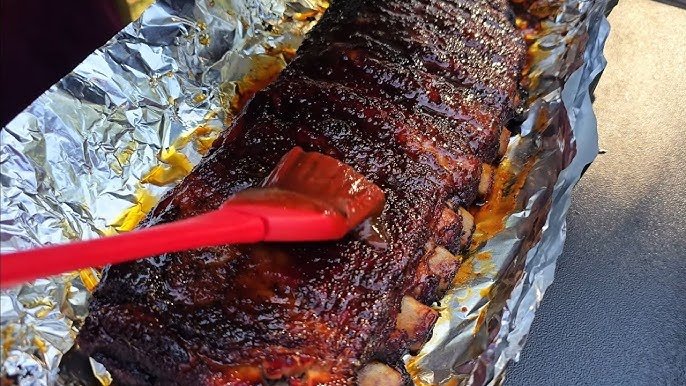
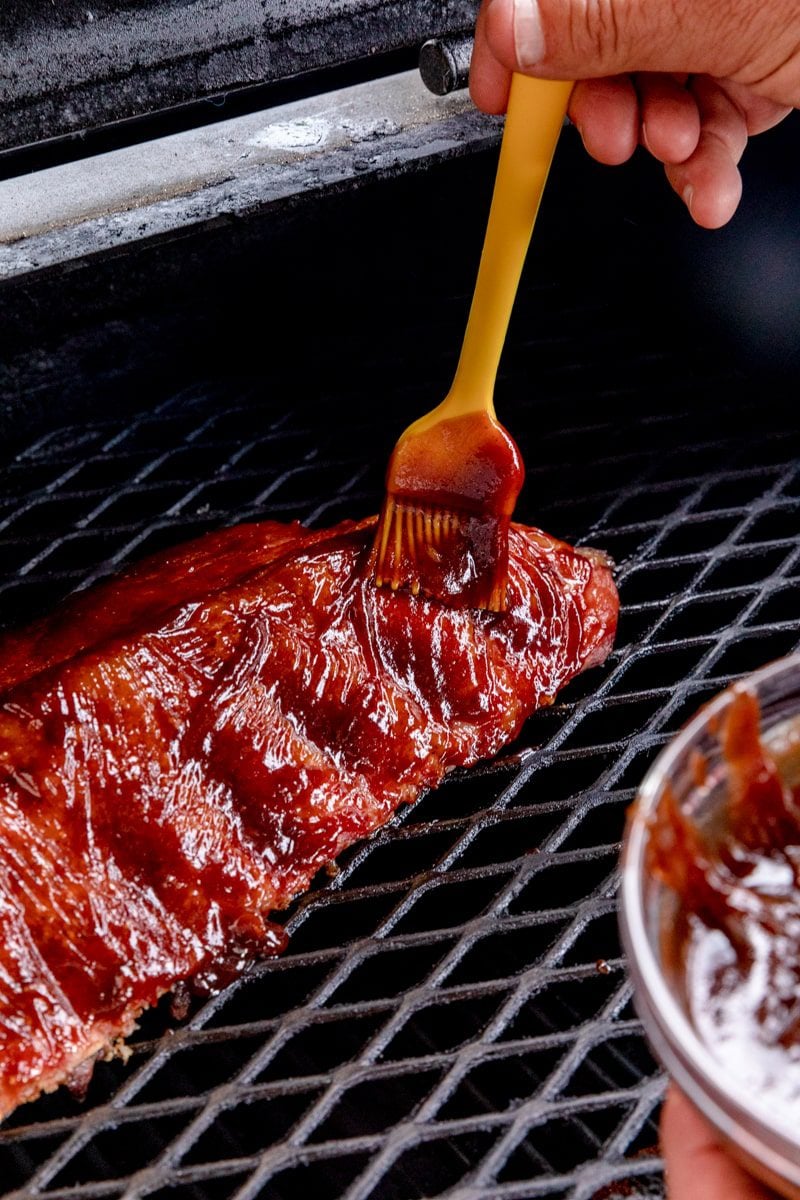
Sauces are your last chance to add a punch of flavor and can be applied at different stages of cooking. Some pitmasters prefer to glaze ribs during the final 20-30 minutes to create a sticky, caramelized finish. Others like to serve sauces on the side to let the smoky flavor shine through unmasked.
Try different types—from tangy vinegar-based sauces to thick, sweet barbecue styles—to see what complements your smoke profile best. Have you thought about adding unexpected ingredients like coffee, mustard, or even fruit preserves to your sauce? These can add layers of complexity that make your ribs memorable.

Credit: www.youtube.com
Finishing Touches
Finishing touches can make or break your smoked ribs on a pellet grill. This stage is where you ensure your ribs have the perfect texture, flavor, and presentation. Paying close attention here guarantees a satisfying bite every time.
Checking For Doneness
To know if your ribs are done, look for a slight pull-back of the meat from the bones. The meat should feel tender but still have some resistance when you press on it.
A good trick is the bend test: pick up the ribs with tongs and gently bounce them. If the meat cracks but doesn’t fall apart, you’ve hit the sweet spot.
Resting The Ribs
Resting allows the juices to redistribute throughout the meat, making your ribs juicy and flavorful. Wrap your ribs in foil or butcher paper and let them rest for at least 15 to 20 minutes.
Skipping this step might leave you with dry ribs, no matter how well you smoked them.
Slicing And Serving
Use a sharp knife to slice between the bones, cutting into individual ribs. Clean cuts help maintain the ribs’ structure and make them easier to eat.
Serve them with your favorite BBQ sauce or a simple sprinkle of finishing salt to highlight the smoky flavors.
Troubleshooting Common Issues
Smoking ribs on a pellet grill can sometimes bring unexpected challenges. Whether you’re facing dry meat, uneven heat, or off flavors, knowing how to troubleshoot these issues can save your cook and improve your skills. Let’s dive into some common problems and practical ways to fix them.
Dealing With Dry Ribs
Dry ribs are a common frustration, but the fix might be simpler than you think. One cause is cooking at too high a temperature for too long, which dries out the meat quickly.
Try wrapping your ribs in foil during the middle phase of smoking to trap moisture. Adding a little apple juice or broth inside the foil can keep the ribs juicy and tender.
Also, check your rub and marinade. Salt-heavy rubs can draw moisture out, so balance seasoning with moisture-retaining ingredients like brown sugar or mustard.
Overcoming Temperature Fluctuations
Temperature swings can ruin a good smoke session. Pellet grills usually maintain steady heat, but pellets can sometimes jam or the hopper may run empty unexpectedly.
Make sure you’re using fresh, dry pellets and check the auger for blockages before starting. Keeping the grill lid closed as much as possible also helps maintain consistent temperature.
If you notice big temperature drops, consider using a grill blanket designed for your pellet grill model. This can stabilize heat during cold or windy weather.
Correcting Flavor Imbalances
Flavor problems often come from smoke intensity or the type of pellets you use. Too much smoke can make ribs taste bitter or acrid.
To balance flavors, try mixing milder pellets like apple or cherry with stronger ones such as hickory. This gives a more rounded smoke profile without overpowering the meat.
Remember, your rub and sauce also affect the final taste. If your ribs are too salty or spicy, dial back those ingredients next time and let the smoke shine through.
Pairing Suggestions
Smoking ribs on a pellet grill creates rich, smoky flavors that deserve the perfect pairings to elevate your meal. Choosing the right sides, drinks, and sauces can bring out the best in your ribs and make your dining experience unforgettable. Let’s break down some pairing ideas that work beautifully with smoked ribs.
Side Dishes
Think about sides that balance the smoky richness of your ribs. Creamy coleslaw adds a crisp, refreshing contrast, cutting through the fattiness with its tangy bite.
Roasted or grilled vegetables, like corn on the cob or asparagus, bring a natural sweetness that complements the smoky flavor. Don’t forget baked beans—they offer a hearty, slightly sweet complement that pairs perfectly with smoky meat.
Beverage Pairings
Choosing a drink can either highlight or overwhelm your smoked ribs. A cold craft beer, especially an amber ale or a smoky porter, echoes the deep flavors while refreshing your palate.
If you prefer wine, go for a bold red like Zinfandel or Syrah; their fruity and spicy notes match the complexity of smoked ribs. Non-alcoholic options like iced tea with a splash of lemon keep things light and palate-cleansing.
Complementary Sauces
Sauces can transform your smoked ribs from good to great. A classic barbecue sauce with a balance of sweet, tangy, and smoky notes amplifies the flavor without overpowering the meat.
Try a mustard-based sauce if you want a tangy kick or a spicy chipotle sauce to add heat and depth. You might also experiment with a simple garlic butter sauce to keep the focus on the ribs’ smoky essence.
Frequently Asked Questions
How Long Does It Take To Smoke Ribs On A Pellet Grill?
Smoking ribs on a pellet grill typically takes 4 to 6 hours. Timing depends on rib size and grill temperature. Maintaining a steady 225°F to 250°F heat ensures tender, flavorful ribs.
What Wood Pellets Are Best For Smoking Ribs?
Hickory, apple, and cherry wood pellets are ideal for smoking ribs. They add a rich, smoky flavor without overpowering the meat. Choose pellets based on your preferred taste profile.
Should Ribs Be Wrapped During Pellet Grill Smoking?
Yes, wrapping ribs in foil or butcher paper after 3 hours helps retain moisture. This technique, known as the “Texas Crutch,” speeds cooking and keeps ribs tender.
How Do You Maintain Temperature On A Pellet Grill?
To maintain temperature, set your pellet grill to a consistent 225°F to 250°F. Avoid opening the lid frequently to keep heat stable and smoke steady.
Conclusion
Smoking ribs on a pellet grill brings great taste and fun. Set the right temperature and choose good wood pellets. Patience matters—low and slow makes ribs tender and juicy. Keep the grill closed to hold smoke and heat inside. Check ribs often to avoid drying them out.
Serve with your favorite sauce or dry rub. Enjoy the process and share with friends or family. Smoking ribs this way is simple and rewarding. Try it again and again for tasty meals.
