
Are you worried that your cast iron grill grates might start to rust and ruin your next barbecue? You’re not alone.
Many grill owners wonder if cast iron really stands up to the elements or if rust is just a matter of time. Understanding what causes rust and how to prevent it can save you money and keep your grill cooking perfectly for years.
Keep reading, and you’ll discover simple secrets to protect your grill grates and enjoy flawless grilling every time.

Credit: www.reddit.com
Rust Formation On Cast Iron Grates
Cast iron grill grates are popular for their heat retention and cooking performance. Yet, they can develop rust if not cared for properly. Rust forms when iron reacts with moisture and oxygen. This process weakens the metal and affects cooking quality. Understanding how rust forms helps protect your grill grates and extend their life.
Why Cast Iron Rusts
Cast iron contains iron, which easily reacts with water and air. This reaction creates iron oxide, or rust. Moisture from rain, cleaning, or food can start this process. Leaving grates wet or exposed to air speeds up rust formation. High heat can burn off protective seasoning, exposing bare metal. Without seasoning, grates become vulnerable to rust.
Signs Of Rust On Grates
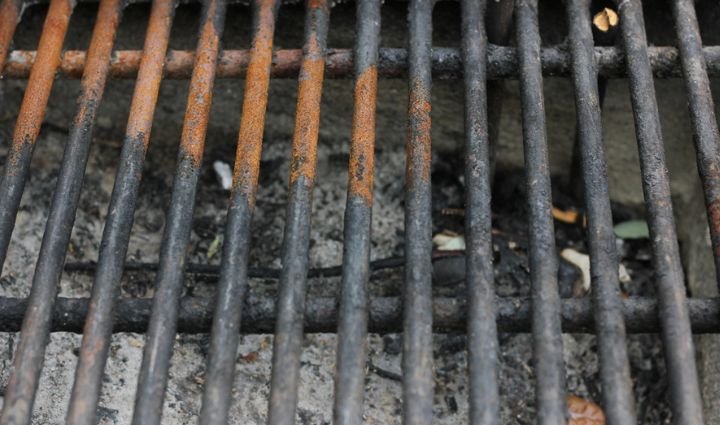
Rust on cast iron grill grates looks like reddish-brown spots or patches. The surface feels rough or flaky instead of smooth. Rust may cause metal to weaken or chip away. Food can stick to rusty areas more easily. Ignoring rust allows it to spread, damaging the grates further. Regularly check grates for these signs to catch rust early.

Credit: www.reddit.com
Seasoning Cast Iron Grates
Seasoning cast iron grates is essential for maintaining their quality and preventing rust. This process creates a protective layer on the surface of the grates. It also enhances the grates’ non-stick properties, making cooking easier. Proper seasoning extends the life of your cast iron and keeps it looking great.
Benefits Of Seasoning
- Prevents rust by creating a moisture barrier.
- Improves non-stick cooking surface.
- Makes cleaning easier and faster.
- Enhances the flavor of grilled food.
- Increases the durability of the grates.
Step-by-step Seasoning Process
- Start with clean, dry cast iron grates.
- Apply a thin layer of cooking oil all over.
- Use a high smoke point oil like vegetable or flaxseed.
- Preheat your oven to 450°F (232°C).
- Place the grates upside down on the oven rack.
- Put a sheet of foil below to catch drips.
- Bake the grates for one hour.
- Turn off the oven and let grates cool inside.
- Repeat if you want a stronger seasoning layer.
Cleaning Tips To Avoid Rust
Cleaning your cast iron grill grates properly is key to preventing rust and keeping them in top shape. Rust forms when moisture lingers on the surface, so the way you clean and dry your grates makes all the difference. Let’s dive into some practical tips that help you maintain your grill grates without the risk of rust creeping in.
Proper Cleaning Methods
Start by scraping off food residue with a stiff brush or grill scraper while the grates are still warm. This loosens stuck-on bits without damaging the seasoning layer.
After scraping, rinse the grates with warm water only—avoid soap as it can strip the protective seasoning. If needed, use a small amount of mild detergent sparingly and rinse thoroughly.
Dry your grates immediately and thoroughly with a clean towel or paper towels. Leaving them wet even for a short time invites rust.
To protect the surface, apply a thin layer of cooking oil after drying. This seals the iron and creates a moisture barrier.
What To Avoid When Cleaning
- Don’t soak your grates in water:Prolonged exposure to water causes rust quickly.
- Avoid harsh detergents and metal scouring pads:These can strip away the seasoning and expose raw iron.
- Never put wet grates away:Even a little moisture left behind can start rusting overnight.
- Don’t use the dishwasher:It’s too harsh and ruins the cast iron’s protective coating.
Have you ever left your grill grates damp and found rust the next day? It’s a frustrating experience that’s easy to prevent with quick drying and oiling. What’s one cleaning habit you think you could improve to keep your grates rust-free?

Credit: www.reddit.com
Storage Practices To Prevent Rust
Proper storage is crucial to keep your cast iron grill grates rust-free. Moisture and air exposure are the main culprits behind rust formation. Paying attention to how and where you store your grates can significantly extend their life and maintain their cooking performance.
Ideal Storage Conditions
Choose a dry and well-ventilated area for storing your grill grates. Avoid damp places like basements or outdoor sheds without protection. A cool, dry spot indoors is best to minimize exposure to humidity.
Consider using a storage container or cabinet that allows air circulation but keeps moisture out. If you live in a humid climate, adding silica gel packets can help absorb excess moisture. Have you noticed how quickly rust appeared when your grates were left in a damp garage?
Covering And Protecting Grates
Cover your grates with a breathable cloth or a grill cover designed for cast iron. Avoid plastic wraps or airtight bags, as they trap moisture and encourage rust. Instead, use a clean towel or parchment paper to keep dust off without sealing in humidity.
Applying a thin layer of cooking oil before storage creates a protective barrier against moisture. Re-oil your grates after each cleaning and before storing them. This simple step has saved my grates from rust more times than I can count.
Would you expect that small habits like these can prevent costly replacements? Taking a few extra minutes to store your cast iron grates properly pays off every grilling season.
Maintaining Cast Iron Grates Over Time
Maintaining cast iron grill grates over time is key to preventing rust and ensuring long-lasting use. Proper care keeps the grates in great condition for every cookout. Regular attention helps protect the seasoning layer and stops moisture from causing damage.
Regular Inspection
Check your cast iron grates often for signs of rust or wear. Look closely at the surface after each use. Early detection of rust spots allows easy cleaning before it spreads. Wipe the grates dry to avoid moisture buildup. Make sure no food particles remain stuck, as they can trap moisture.
Re-seasoning Frequency
Re-season cast iron grates regularly to maintain a strong, protective coating. The seasoning prevents rust and creates a non-stick surface. Season the grates after deep cleaning or if food starts to stick. For frequent grillers, seasoning every few months works well. Light users may need to season only once or twice a year.
Dealing With Rust On Existing Grates
Rust can form on cast iron grill grates due to moisture and air exposure. It affects cooking performance and can damage the grill if ignored. Dealing with rust quickly helps maintain your grill’s quality. Cleaning and restoring the grates brings them back to good condition.
Rust Removal Techniques
Remove rust by scrubbing with a stiff brush or steel wool. Use a mixture of vinegar and water to soak the grates for a few hours. This helps dissolve rust particles gently. Baking soda paste works well to scrub off light rust spots. Rinse thoroughly with water after scrubbing.
For heavy rust, use a wire brush attachment on a drill carefully. Avoid harsh chemicals that can damage the cast iron. Dry the grates completely after cleaning to stop rust from returning. Heat the grates on the grill for a few minutes to ensure dryness.
Restoring Seasoning After Rust Removal
Seasoning protects cast iron and prevents future rust. Clean the grates with mild soap and water, then dry well. Apply a thin layer of cooking oil, such as vegetable or flaxseed oil, over the entire surface. Use a cloth or paper towel for even coverage.
Heat the grill or oven to around 350°F (175°C). Place the grates inside for about an hour. This process bonds the oil to the metal, creating a non-stick, rust-resistant layer. Allow the grates to cool before using or storing them.
Regular seasoning after each use keeps your grates safe from rust. Store the grill in a dry place or cover it to reduce moisture exposure.
Frequently Asked Questions
Why Do Cast Iron Grill Grates Rust?
Cast iron grill grates rust when exposed to moisture and air. Rust forms due to oxidation, a natural process. Proper maintenance can help prevent rust. Regular cleaning and seasoning are essential for protection. Always dry grates thoroughly after washing to minimize rust formation.
How To Prevent Rust On Grill Grates?
To prevent rust, regularly clean and season your grill grates. Apply a thin layer of vegetable oil after each use. Store grates in a dry place when not in use. Avoid leaving them exposed to moisture. Proper maintenance extends their lifespan and keeps them rust-free.
Can Rust On Grill Grates Be Removed?
Yes, rust on grill grates can be removed. Use a wire brush to scrub away loose rust. Vinegar or baking soda paste helps in dissolving rust. Rinse thoroughly and dry completely before re-seasoning. Regular maintenance prevents future rusting and ensures long-lasting grates.
Are Rusty Grill Grates Safe To Use?
Using rusty grill grates is not recommended. Rust can flake off into food, affecting taste and safety. It’s best to clean and re-season grates before cooking. Proper maintenance ensures safe and enjoyable grilling experiences. Regular care prevents rust and maintains your grill’s performance.
Conclusion
Cast iron grill grates can rust if not cared for properly. Regular cleaning and seasoning protect them well. Dry the grates completely after washing to avoid rust. Applying oil creates a barrier against moisture. Rust spots can be scrubbed away gently.
Good care helps the grates last many years. Enjoy better grilling with well-maintained cast iron. Simple steps keep your grill grates in top shape.
