
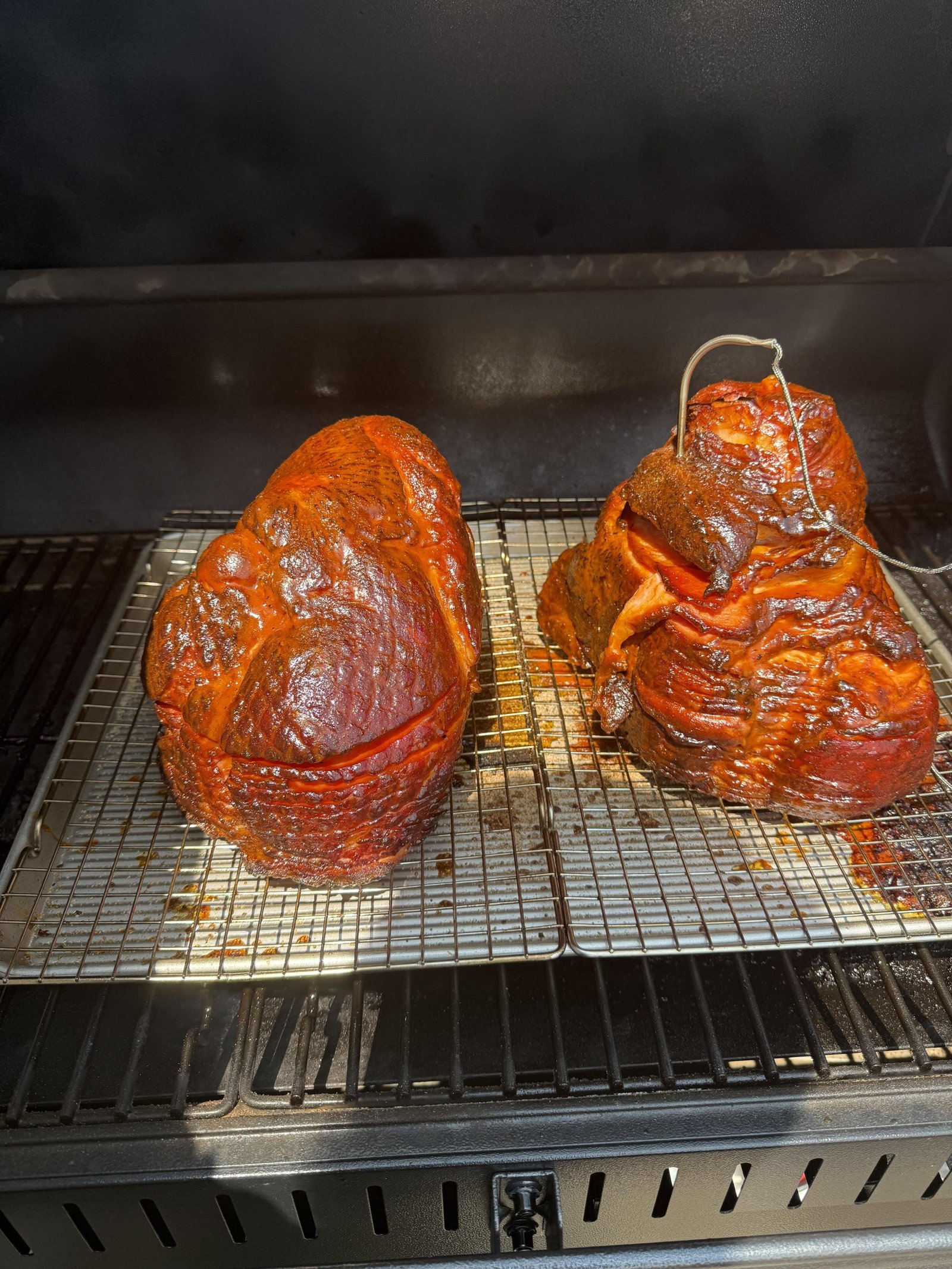
Have you ever wondered if you can smoke a ham on a pellet grill? If you’re looking to add rich, smoky flavors to your ham without spending hours over a traditional smoker, this might be the perfect method for you.
Smoking a ham on a pellet grill is easier than you think, and it can turn a simple meal into something truly special. You’ll discover how to do it right, what to watch out for, and tips to make your smoked ham juicy and delicious every time.
Ready to impress your family and friends with your grilling skills? Let’s dive in!
Benefits Of Smoking Ham On A Pellet Grill
Smoking a ham on a pellet grill brings a unique set of benefits that can elevate your cooking experience. The combination of controlled heat and flavorful smoke allows you to create tender, juicy ham with a delicious smoky aroma. Let’s look at why smoking ham on a pellet grill could become your new favorite way to prepare this classic dish.
Consistent Temperature Control
Pellet grills excel at maintaining steady temperatures, which is crucial for smoking ham evenly. Unlike traditional grills, pellet grills automatically feed pellets to keep the heat stable. This means you don’t have to constantly adjust settings or worry about hot spots ruining your ham.
Enhanced Flavor With Minimal Effort
The wood pellets used in these grills add a rich, smoky flavor that penetrates the ham deeply. You can choose from different pellet types like hickory, apple, or cherry to customize the taste. This added flavor complexity makes your ham stand out without needing extra marinades or spices.
Hands-off Cooking Convenience
One of the biggest advantages is the ease of use. Once you set the temperature and add your pellets, the grill does most of the work. This frees you up to focus on other tasks or simply relax while your ham cooks to perfection.
Juicy And Tender Results
Smoking slowly over low heat allows the ham to retain moisture, preventing it from drying out. The gentle cooking process breaks down the connective tissues, making the meat tender and easy to slice. Have you noticed how smoked ham often tastes juicier than baked or boiled versions?
Versatility For Different Ham Cuts
Whether you’re smoking a whole bone-in ham or smaller slices, a pellet grill can handle it. The adjustable temperature and smoke settings let you tailor the process to various cuts. This flexibility means you can experiment and find the perfect method for your favorite ham style.
Selecting The Right Ham
Selecting the right ham is a crucial step before you start smoking on your pellet grill. The type of ham you pick impacts the flavor, texture, and cooking time. Knowing what to look for helps you get the best results and enjoy a delicious smoked ham tailored to your taste.
Choosing Fresh Vs. Pre-cooked
Fresh ham offers a raw, uncooked option that absorbs smoke deeply, giving you a rich, authentic smoky flavor. It requires careful cooking to reach the right internal temperature, but the payoff is worth it if you like tender, juicy meat.
Pre-cooked ham is already cooked and only needs reheating and smoking to add flavor. This option saves time and reduces the risk of overcooking. However, the smoke flavor might not be as intense as with fresh ham.
Ask yourself: Do you prefer a hands-on cooking experience with full control over the smoking process, or are you looking for convenience with a quicker finish?
Bone-in Vs. Boneless Options
Bone-in hams often have more flavor because the bone helps retain moisture and adds depth during smoking. They also tend to cook more evenly, but they require carving skills and a bit more patience.
Boneless hams are easier to slice and serve, making them ideal for casual gatherings or quick meals. They usually cook faster but might lose some moisture and flavor compared to bone-in.
Consider your serving style and how much time you want to spend on preparation. Would you rather impress guests with a traditional, bone-in ham, or prioritize ease with a boneless cut?
Pellet Selection For Optimal Flavor
Choosing the right pellet is key for smoking a ham on a pellet grill. The type of wood pellet affects the taste and aroma of the meat. Different pellets offer varied smoke intensity and flavor profiles. Selecting the best pellet ensures a delicious, smoky ham every time.
Wood Types And Their Impact
Wood pellets come from many tree types, each adding unique flavors.
- Hickory:Strong, bacon-like smoke flavor. Great for rich, hearty ham.
- Apple:Mild and sweet. Adds subtle fruity notes to the ham.
- Cherry:Slightly sweet and fruity. Gives a beautiful color and gentle taste.
- Mesquite:Bold and intense. Best for those who like a strong smoky flavor.
- Maple:Sweet and smooth. Perfect for a delicate smoke flavor.
Each wood type changes the ham’s final taste. Choose based on your flavor preference.
Blending Pellets For Unique Tastes
Mixing different wood pellets creates custom smoke flavors. Blending balances strong and mild tastes.
- Combine hickory with apple for a smoky yet sweet ham.
- Mix cherry with maple to add fruitiness and smoothness.
- Try mesquite with lighter woods for a bold but balanced flavor.
Experiment with blends to find your perfect ham flavor. Small changes can make a big difference.
Preparing The Ham For Smoking
Preparing the ham for smoking is a key step for great flavor. Proper prep helps the smoke reach deep inside the meat. It also ensures even cooking and a tasty crust.
Start by getting the ham ready on the outside. This makes a big difference in taste and texture. The next step is to add flavor with rubs or marinades. Both enhance the smoky taste and keep the ham juicy.
Trimming And Scoring
Trim any excess fat from the ham’s surface. Leave some fat to keep the meat moist during smoking. Use a sharp knife to score the fat in a diamond pattern.
Scoring lets smoke and seasoning penetrate better. It also creates a nice texture on the crust. Cut about 1/4 inch deep but not into the meat itself.
Using Rubs And Marinades
Rubs add a dry layer of spices and herbs. Use a mix of salt, sugar, paprika, garlic powder, and black pepper. Rub the mix all over the ham, pressing it into the cuts.
Marinades soak the meat in a flavorful liquid. Choose a marinade with ingredients like apple cider vinegar, brown sugar, and mustard. Let the ham sit in the marinade for several hours or overnight in the fridge.
Both rubs and marinades create layers of flavor. They help balance the smoky taste and keep the ham tender.
Setting Up The Pellet Grill
Setting up your pellet grill correctly is key to smoking a ham that tastes great and cooks evenly. A good setup helps control heat and smoke flow. This creates the perfect environment for your ham to absorb smoky flavors while staying juicy.
Pay attention to how you prepare your grill before placing the ham inside. Proper setup saves time and reduces guesswork during cooking. It also improves the final texture and taste of your smoked ham.
Temperature Settings And Control
Set your pellet grill to a steady temperature between 225°F and 250°F. This low and slow heat allows the ham to cook evenly and soak up smoke.
Use the grill’s built-in digital controller to monitor and adjust the temperature. Make small changes if needed to keep the heat stable.
Open the lid sparingly. Each time you open it, heat escapes and the grill temperature drops.
Grill Maintenance For Consistent Results
Clean your pellet grill before each use. Remove ash from the firepot and empty the drip tray. This helps maintain even heat and prevents flare-ups.
Check the pellet hopper for dry, fresh pellets. Old or damp pellets can cause poor smoke and inconsistent heat.
Inspect grill parts like the auger and fan regularly. Replace worn parts to keep your grill working smoothly.

Credit: smokedaddyinc.com
Smoking Process: Step-by-step
Smoking a ham on a pellet grill is a simple process that enhances flavor and texture. Patience and attention to detail are key. Understanding the steps helps achieve a juicy, smoky ham every time.
Timing And Temperature Guide
Set the pellet grill temperature between 225°F and 250°F for best results. This low heat allows smoke to penetrate the meat slowly. Smoking time depends on ham size and type.
- For a fully cooked ham, smoke for 1.5 to 2 hours per pound.
- For a raw or fresh ham, plan for 20 to 25 minutes per pound.
- Use a meat thermometer to check for a safe internal temperature of 140°F for pre-cooked ham or 145°F for fresh ham.
Monitoring Smoke Levels
Maintain a steady flow of smoke throughout the cooking process. Avoid heavy smoke that can cause bitterness. Light, blue smoke is ideal for flavor.
- Check the pellet hopper regularly to ensure enough fuel.
- Keep the grill lid closed to retain smoke and heat.
- Adjust the airflow vents to control smoke density.
- Use mild wood pellets like apple or cherry for a sweet, balanced smoke.
Enhancing Flavor With Glazes
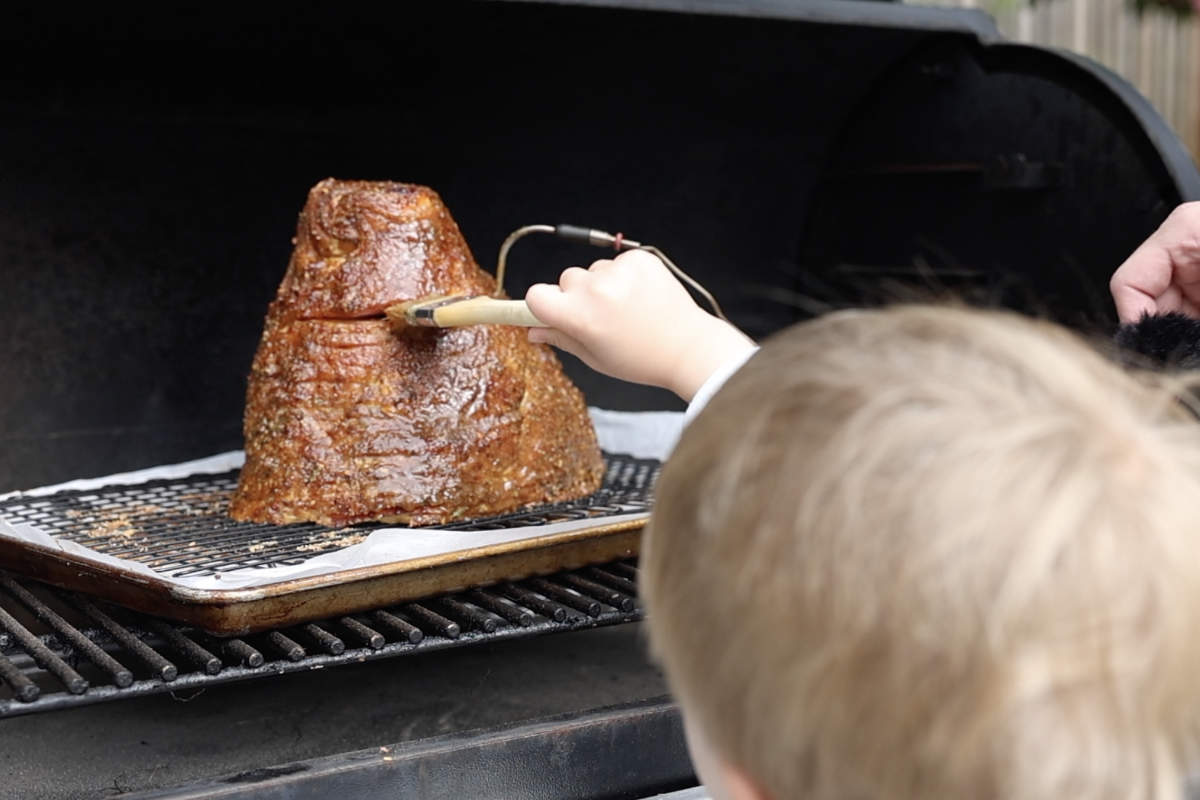
Glazing a ham during smoking adds a rich, shiny coating that boosts taste and appearance. The glaze caramelizes on the surface, creating a sweet and savory crust. This contrast between the smoky meat and sticky glaze makes every bite more exciting.
Applying glaze at intervals keeps the ham moist and flavorful. It also helps lock in juices while enhancing the smoky aroma. Choosing the right glaze recipe can highlight traditional or bold flavors.
Classic Glaze Recipes
- Honey Mustard:Mix honey, Dijon mustard, and a splash of apple cider vinegar.
- Brown Sugar and Pineapple:Combine brown sugar, crushed pineapple, and a pinch of ground cloves.
- Maple Glaze:Blend pure maple syrup, soy sauce, and a touch of garlic powder.
- Brown Sugar and Bourbon:Stir brown sugar, bourbon, and a bit of mustard for warmth.
Innovative Flavor Variations
- Spicy Apricot:Use apricot preserves, chili flakes, and lime juice for heat and tang.
- Orange Ginger:Mix fresh orange juice, grated ginger, and a dash of soy sauce.
- Apple Cider and Rosemary:Combine apple cider, chopped rosemary, and honey for a fresh taste.
- Chipotle and Brown Sugar:Blend chipotle powder, brown sugar, and a splash of lime for smoky spice.
Resting And Carving Techniques
Resting and carving a smoked ham are key steps after cooking on a pellet grill. These techniques help keep the meat tender and juicy. Taking time to rest allows the juices to settle inside. Carving with the right approach enhances flavor and texture. Here is how to get the best results from your smoked ham.
Importance Of Resting
Resting is vital after smoking a ham. It lets the meat fibers relax and absorb juices. Cutting too soon causes the juices to run out. This makes the ham dry and less tasty. Cover the ham loosely with foil. Let it rest for 15 to 30 minutes before carving. This short wait improves flavor and moistness.
Carving For Maximum Juiciness
Carving properly keeps the ham juicy and easy to eat. Use a sharp carving knife for clean cuts. Slice against the grain to break the muscle fibers. This makes each bite tender. Cut the ham into even slices about ¼ inch thick. Too thin or thick slices affect texture and taste. Arrange the slices on a warm platter. Serve immediately to enjoy full flavor and moisture.
Pairing Smoked Ham With Sides
Pairing smoked ham with the right sides can transform your meal from good to unforgettable. The smoky, savory flavors of the ham need companions that balance and complement without overpowering. Choosing the right sides lets you highlight the rich taste of your smoked ham and create a satisfying dining experience.
Traditional Accompaniments
Classic sides have stood the test of time because they work so well with smoked ham. Think mashed potatoes—creamy and smooth to contrast the ham’s texture. Green beans or steamed broccoli add a fresh, slightly crunchy element that cuts through the richness.
Don’t forget baked beans, which bring a sweet, smoky note that echoes the ham’s flavor. Macaroni and cheese offers a cheesy comfort that pairs beautifully with smoky meat. And a simple side of dinner rolls or cornbread helps soak up all the delicious juices on your plate.
Creative Side Dish Ideas
If you want to surprise your guests, try sides that add unexpected flavors and textures. A tangy apple slaw gives a crisp bite and a hint of sweetness that brightens the smoky ham. Roasted Brussels sprouts with a drizzle of balsamic glaze add a caramelized, slightly bitter contrast.
How about a sweet potato and black bean salad? It adds color, nutrition, and a mix of sweet and earthy flavors that stand out. For a bit of spice, jalapeño cheddar grits bring warmth and creaminess to your plate. Have you tried grilled pineapple? Its caramelized sweetness pairs amazingly well with smoked ham and adds a tropical twist.

Credit: www.reddit.com
Troubleshooting Common Issues
Smoking a ham on a pellet grill can be a rewarding experience, but it’s not without its challenges. Running into issues like overcooking or off-flavors can easily happen, especially if you’re new to pellet grilling. Knowing how to troubleshoot these common problems helps you get the best results every time.
Avoiding Overcooking
Overcooking is a frequent hurdle when smoking ham. Pellet grills maintain consistent heat, but if left unattended, even a steady temperature can dry out your ham.
Try using a reliable meat thermometer to monitor internal temperature closely. Aim for about 140°F for fully cooked ham to keep it juicy and tender.
Another tip: start checking the ham earlier than you think. Cooking times vary based on ham size and grill model, so don’t rely solely on the clock.
Fixing Flavor Imbalances
Sometimes the flavor of your smoked ham can feel off—too salty, too smoky, or even bland. This often happens because of uneven smoke distribution or seasoning issues.
If the smoke is too strong, consider lowering your pellet grill’s smoke setting or switching to a milder wood pellet like apple or cherry. If the ham tastes bland, adding a glaze or rub halfway through cooking can boost flavor.
Have you tried mixing different wood pellets to find your perfect taste? It’s an easy way to balance smokiness without overpowering the ham’s natural flavor.
Credit: alicensetogrill.com
Frequently Asked Questions
Can You Smoke A Ham On A Pellet Grill?
Yes, you can smoke a ham on a pellet grill. Pellet grills provide consistent heat and smoke, enhancing ham’s flavor and tenderness. They offer precise temperature control, making smoking ham easier and more reliable than traditional methods.
What Temperature Is Best For Smoking Ham?
The ideal smoking temperature for ham is between 225°F and 250°F. This low and slow method ensures the ham cooks evenly while absorbing smoky flavors. It usually takes about 4-6 hours, depending on the ham’s size.
Should Ham Be Pre-cooked Before Smoking?
Most hams are pre-cooked, but smoking adds flavor and texture. If using a raw ham, fully cook it during smoking to an internal temperature of 145°F. Always check packaging or recipes for specific instructions.
How Long Does It Take To Smoke A Ham?
Smoking a ham typically takes 4 to 6 hours at 225°F to 250°F. Time varies based on ham size and grill consistency. Use a meat thermometer to ensure proper internal temperature for safety and taste.
Conclusion
Smoking a ham on a pellet grill is both simple and rewarding. The grill keeps the temperature steady and adds great smoky flavor. You just need to prepare the ham and set the right time and heat. Patience pays off with tender, juicy meat.
Try it yourself and enjoy a delicious meal with family or friends. Smoking ham on a pellet grill can become a favorite cooking method for you. Give it a chance and taste the difference.
