
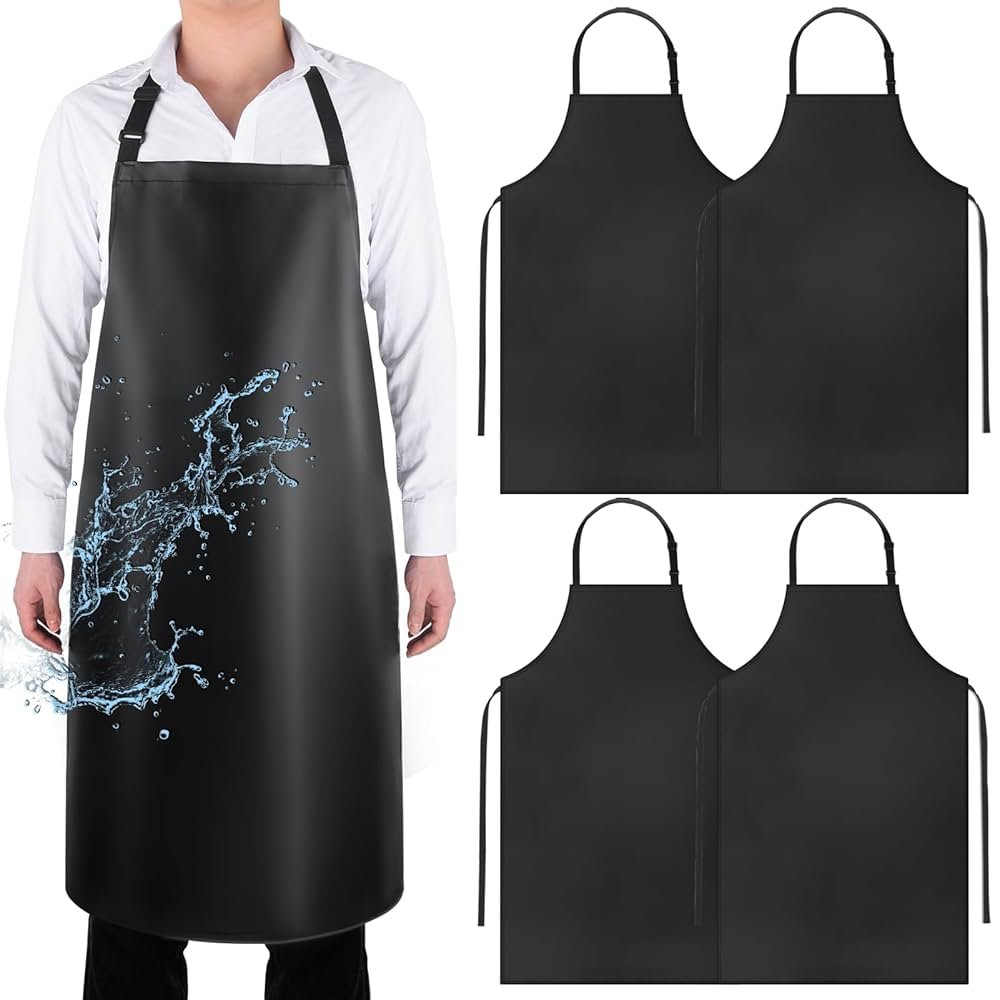
Have you ever wondered if aprons are waterproof? Whether you’re a home cook, a professional chef, or someone who loves DIY projects, the right apron can make a world of difference.
Imagine confidently chopping vegetables without worrying about a splash of tomato sauce ruining your favorite shirt. Or, consider painting a masterpiece without fretting about spills soaking through to your clothes. The question of whether aprons are waterproof isn’t just about convenience; it’s about enhancing your everyday experiences.
As you delve deeper into this article, you’ll discover the secrets behind waterproof aprons and how choosing the right one can transform your daily tasks into smoother, more enjoyable activities. So, are you ready to uncover the apron that perfectly fits your needs? Let’s dive in and find out!

Credit: www.amazon.com
What Makes Aprons Waterproof
Aprons become waterproofby using special materialsand designs. Fabrics like vinyl, rubber, and coated polyesterstop water from soaking through. These materials have tight weaves or plastic layers that block liquids.
Many aprons get extra protection from coatings and laminates. A thin plastic or rubber layer is added to the fabric surface. This layer keeps water on top, making it easy to wipe off.
The way aprons are sewnalso matters. Seam constructionuses tight stitches or sealed edges. Sealed seams stop water from leaking through needle holes.
| Feature | Details |
|---|---|
| Materials That Resist Water | Vinyl, rubber, coated polyester, plastic layers |
| Coatings and Laminates | Thin plastic or rubber layers applied to fabric |
| Seam Construction and Waterproofing | Tight stitches, sealed seams to block water |
Types Of Waterproof Aprons
Plastic and vinyl apronsare common waterproof options. They are lightweight and easy to clean. These aprons protect well against water and spills. Often used in kitchens and labs, they resist stains and liquids.
Rubber and neoprene apronsoffer strong waterproof protection. They are thicker and more durable than plastic. These aprons work well in wet or oily environments. Many use them in heavy-duty jobs like fishing or cleaning.
Polyurethane coated apronscombine comfort and water resistance. The coating blocks water but keeps fabric soft. These aprons are flexible and good for long wear. Ideal for medical and food industries.
Benefits Of Waterproof Aprons
Waterproof apronsoffer strong protection from spills and stains. They keep clothes dry and clean during cooking, painting, or cleaning tasks. Liquids slide off their surface easily, stopping damage to your clothes.
These aprons are made from durable materialslike vinyl or coated fabric. This makes them last longer than regular aprons. They do not tear or wear out quickly, saving money over time.
Cleaning waterproof aprons is simple. Usually, you just need to wipe them with a damp cloth or rinse with water. No need for heavy washing or special detergents. They stay fresh and ready for use anytime.

Credit: www.amazon.com
Situations That Need Waterproof Aprons
Waterproof apronsare essential in many situations. They protect clothes and skin from water, liquids, and stains.
In cooking and food preparation, waterproof aprons keep chefs dry. They stop spills and splashes from soaking clothes. This helps keep kitchens clean and safe.
Cleaning and janitorial workoften involve water and chemicals. Waterproof aprons shield workers from wet mops, sprays, and cleaning fluids. This keeps them dry and safe from harmful substances.
In industrial and medical environments, waterproof aprons protect against liquids and contaminants. Workers stay clean and safe while handling fluids, chemicals, or biological materials. This reduces the risk of infections and accidents.
How To Choose The Right Waterproof Apron
Choosing the right waterproof apronbegins with material quality. Look for fabrics like PVC, rubber, or coated polyester. These materials block water well and last long. Thin materials may feel light but can tear easily.
Comfort and fit matter a lot. Aprons that are too tight or loose won’t protect well. Adjustable straps help get a good fit. Soft linings inside can make wearing easier for long times.
| Waterproof Rating | Meaning | Best Use |
|---|---|---|
| Low | Resists small splashes | Light kitchen work |
| Medium | Blocks heavy splashes | Cooking, cleaning tasks |
| High | Fully waterproof | Wet jobs, outdoor use |
Care Tips For Waterproof Aprons
Use a soft cloth or sponge with mild soap to clean waterproof aprons. Avoid harsh chemicals that can break the waterproof layer. Rinse thoroughly with water and let it air dry. Do not use a washing machine or dryer, as they can damage the fabric.
- Store aprons in a cool, dry place away from direct sunlight.
- Hang aprons to keep their shape and avoid wrinkles.
- Keep aprons away from sharp objects that can cause tears or holes.
Do not fold aprons tightly; this can cause cracks in the waterproof coating. Avoid exposing aprons to extreme heat or open flames. Check regularly for small damages and repair them quickly to keep aprons effective.
Common Myths About Waterproof Aprons
Not all aprons are waterproof. Many aprons only resist small splashes. Waterproof aprons have special layers that stop water from passing through.
Waterproofdoes not always mean breathable. Some materials block air and water, which can feel hot and sticky. Breathable aprons let air in but still keep water out.
Waterproof aprons can also be stylish. They come in different colors and designs. You don’t need to wear plain or dull aprons to stay dry.

Credit: www.amazon.com
Frequently Asked Questions
Are All Aprons Waterproof?
No, not all aprons are waterproof. Only aprons made from materials like PVC, rubber, or coated fabrics provide waterproof protection. Fabric aprons absorb liquids and are not waterproof.
What Materials Make Aprons Waterproof?
Waterproof aprons are commonly made from PVC, rubber, vinyl, or polyurethane-coated fabrics. These materials repel water and prevent liquids from soaking through, making them ideal for wet tasks.
Can Waterproof Aprons Protect Against Chemicals?
Some waterproof aprons offer chemical resistance, especially those made from rubber or specialized coated materials. Always check the apron’s specifications to ensure it suits the chemicals you handle.
How Do I Clean A Waterproof Apron?
Waterproof aprons are easy to clean with a damp cloth or mild soap and water. Avoid harsh detergents that can damage the waterproof coating and reduce effectiveness.
Conclusion
Aprons can be waterproof or water-resistant depending on the material. Plastic, vinyl, or coated fabrics keep water out well. Cotton aprons usually soak up liquids instead. Choose the right apron for your task to stay dry and clean. Waterproof aprons help protect clothes during messy work.
Consider your needs before picking one. Now, you know the basics about apron types and their water resistance. Stay comfortable and protected while working.
