
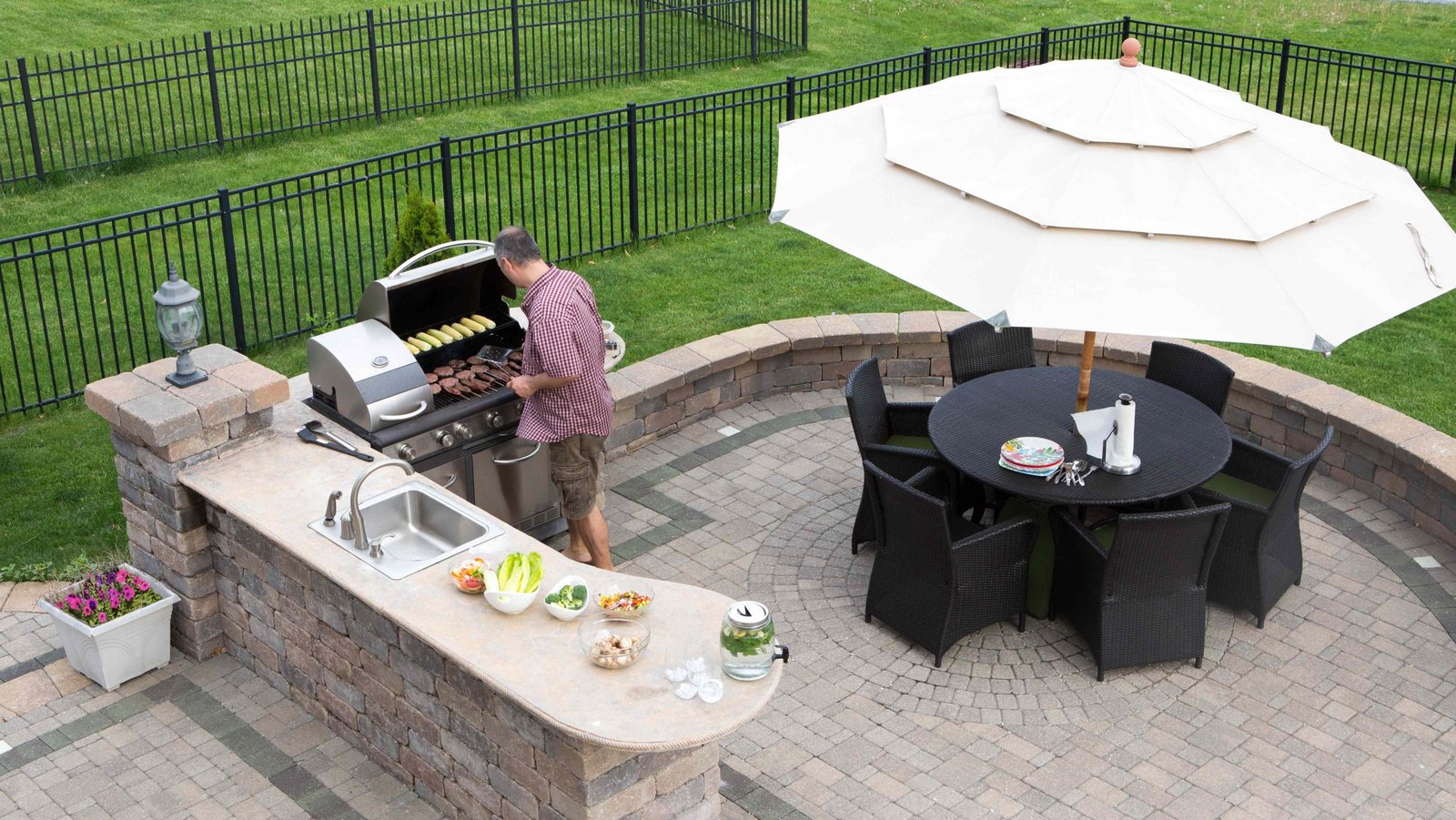
Are you thinking about adding an outdoor kitchen island to your backyard? One of the biggest questions on your mind might be: how long will it last?
Knowing the average lifespan of an outdoor kitchen island can help you plan your investment wisely and avoid costly surprises down the road. You’ll discover the key factors that affect durability and how to choose materials that stand the test of time.
Keep reading to make sure your outdoor kitchen island stays beautiful and functional for years to come.
Credit: grilloliving.com
Lifespan Factors
The lifespan of an outdoor kitchen island depends on several key factors. These factors affect how long your kitchen island stays functional and attractive. Understanding them helps you make better choices for materials and care. Each factor plays a role in durability and maintenance needs.
Material Impact
The material used for your outdoor kitchen island greatly affects its lifespan. Natural stone, stainless steel, and concrete last longer than wood or laminate. Stone resists heat and moisture well. Stainless steel is strong and rust-resistant. Wood can rot or warp if not treated properly. Choosing durable materials reduces repair needs and extends use.
Weather Conditions
Outdoor kitchen islands face sun, rain, wind, and snow. Harsh weather shortens lifespan by causing wear and tear. Constant sun can fade colors and dry out materials. Rain and snow cause rust and rot. Wind can loosen parts or cause damage. Sheltered locations or covers help protect the island from weather damage.
Usage Frequency
How often you use your outdoor kitchen island affects its longevity. Heavy daily use causes faster wear on surfaces and appliances. Frequent cooking and cleaning can wear out finishes and hardware. Occasional use with good care keeps the island in better shape longer. Proper maintenance is essential to handle heavy use and avoid early damage.
Common Materials
Choosing the right material for your outdoor kitchen island significantly affects its lifespan and maintenance needs. Common materials vary in durability, resistance to weather, and visual appeal. Understanding these options helps you pick a material that fits your lifestyle and climate.
Stainless Steel
Stainless steel is a popular choice because it resists rust and corrosion very well. It stands up to rain, heat, and cold without losing its shine. However, it can scratch easily, so regular cleaning and occasional polishing will keep it looking new longer.
Have you noticed how stainless steel appliances in kitchens stay sleek despite heavy use? The same applies outdoors if you care for it properly.
Concrete
Concrete offers a modern look and is highly durable against outdoor elements. It can last decades if sealed and maintained to prevent cracks and stains. Concrete allows you to customize shapes and finishes, giving your island a unique style that lasts.
One tip: reseal your concrete surface every couple of years to keep moisture out and protect it from weather damage.
Stone
Natural stone, like granite or slate, provides a timeless, sturdy surface that can endure the toughest conditions. Stone resists heat and scratching well, making it ideal for cooking areas. It may require occasional sealing to prevent water absorption and staining.
Imagine cooking on a granite island that stays cool under the sun and resists spills—what’s not to love?
Wood
Wood adds warmth and character but needs more care outdoors. Hardwoods like teak or cedar resist rot and insects better than softwoods. You’ll need to treat wood regularly with sealant or oil to protect it from moisture and sun damage.
Think about whether you’re ready for the upkeep wood demands or if you prefer a material that stays low-maintenance over time.
Maintenance Tips
Maintaining an outdoor kitchen island extends its lifespan significantly. Regular care keeps it looking fresh and working well. Simple habits prevent damage from weather and use. Follow these maintenance tips to protect your investment and enjoy your outdoor space longer.
Cleaning Routine
Clean the kitchen island often to avoid buildup of dirt and grime. Use mild soap and water for surfaces. Avoid harsh chemicals that can damage finishes. Wipe down countertops after each use. Remove food scraps promptly to prevent stains and pests. Clean grills and appliances according to manufacturer instructions. Dry surfaces thoroughly to stop rust or mold growth.
Protective Measures
Use covers to shield the island from rain, dust, and sun. Choose waterproof and UV-resistant covers for best protection. Store removable parts indoors during bad weather. Apply sealants or protective coatings on stone or wood surfaces yearly. Place mats or trays under grills and sinks to catch spills. Check for rust or cracks regularly and fix them quickly.
Seasonal Care
Prepare your outdoor kitchen island for seasonal changes. In cold months, drain water lines and disconnect appliances to avoid freezing damage. Remove and store cushions and accessories indoors. Inspect all parts for wear or damage before and after winter. Reapply protective coatings after winter ends. Plan a deep clean at the start of each season to keep everything ready for use.
Signs Of Wear
Watching your outdoor kitchen island age can be surprising. Over time, even the sturdiest setups show signs of wear that affect both appearance and function. Recognizing these signs early helps you decide whether to repair, replace, or simply maintain your kitchen island better.
Rust And Corrosion
Metal parts on your outdoor kitchen island, especially stainless steel, are prone to rust if exposed to moisture and salty air. You might notice small orange spots or rough textures on handles, grills, or fixtures. Ignoring rust can lead to deeper corrosion, weakening the structure and making your kitchen less safe.
Have you checked under the sink or around screws lately? These hidden spots often hide rust first, so regular inspection is key.
Cracks And Chips
Stone countertops, concrete surfaces, or tile finishes often develop cracks or chips after years of use. These imperfections don’t just look bad—they can harbor dirt and bacteria, making cleaning harder. Even minor cracks can worsen with weather changes, especially freezing and thawing cycles.
Think about the last time you bumped your island with a heavy pot. Could that small chip be the start of a bigger problem?
Fading And Discoloration
Sun exposure and harsh weather can cause colors on your outdoor kitchen island to fade or change unevenly. Wood may lose its rich tone, while painted or coated surfaces might peel or dull. This wear affects your kitchen’s charm and might indicate surface damage that invites further decay.
Have you noticed your island looking less vibrant after a sunny summer? Regular sealing or protective covers can slow this process and keep colors true longer.
Extending Lifespan
Extending the lifespan of an outdoor kitchen island requires careful attention and consistent care. A well-maintained kitchen island lasts longer and stays attractive. Simple actions can protect your investment from weather and wear. Focus on key areas to keep the island strong and functional for years.
Proper Installation
Correct installation sets the foundation for durability. Use materials designed for outdoor use, such as stainless steel and weather-resistant stone. Secure all parts firmly to prevent shifting or damage. Ensure proper drainage to avoid water buildup. Position the island away from direct exposure to heavy rain or sun.
Regular Repairs
Check the island often for signs of damage. Fix cracks, loose screws, or rust spots quickly. Clean surfaces to prevent mold and dirt buildup. Replace worn-out parts immediately to stop further damage. Small repairs keep the structure stable and safe.
Covering Solutions
Use covers to shield the island from rain, dust, and sun. Choose covers made from waterproof and UV-resistant materials. Cover the island when not in use, especially during harsh weather. Remove covers occasionally to air out the area and prevent moisture buildup underneath.

Credit: www.hillier.co.uk
Cost Vs Longevity
Cost and lifespan are key factors in choosing an outdoor kitchen island. Spending more upfront can mean fewer repairs and longer use. Balancing initial cost with durability helps find the best value. Understanding this balance guides smarter purchases.
Initial Investment
Outdoor kitchen islands vary widely in price. Basic models cost less but may wear out faster. High-end islands use stronger materials and last longer. Spending more initially often means better quality and less upkeep. Budgeting for quality saves money over time.
Long-term Savings
Durable outdoor kitchens need fewer repairs and replacements. Cheap materials might break, causing extra costs later. A well-built island stays functional for many years. Choosing longevity reduces future expenses. It also keeps your cooking space attractive and safe.
Material Value
Materials impact both price and lifespan. Stainless steel resists rust and lasts long outdoors. Concrete and stone offer strong, weatherproof surfaces. Wood looks nice but needs regular care to avoid damage. Picking the right material matches your budget and lifestyle. This choice affects how long your kitchen serves you well.

Credit: www.hillier.co.uk
Frequently Asked Questions
What Is The Typical Lifespan Of An Outdoor Kitchen Island?
The average lifespan of an outdoor kitchen island is 10 to 20 years. This depends on materials used, weather conditions, and maintenance quality.
How Does Material Affect Outdoor Kitchen Island Durability?
Materials like stainless steel, stone, and concrete increase durability. Proper material selection can extend lifespan and resist weather damage effectively.
Can Maintenance Extend An Outdoor Kitchen Island’s Life?
Yes, regular cleaning, sealing, and repairs significantly extend lifespan. Proper maintenance prevents rust, cracks, and wear from outdoor exposure.
Do Weather Conditions Impact Outdoor Kitchen Island Longevity?
Severe weather like rain, snow, and UV rays reduce lifespan. Protective covers and weather-resistant materials help minimize damage over time.
Conclusion
Outdoor kitchen islands can last many years with proper care. Regular maintenance is key. Protect your island from harsh weather. Use quality materials for construction. Keep an eye on wear and tear. Address issues promptly to extend lifespan. Investing in a durable design pays off.
Your outdoor kitchen can be a long-lasting feature. Enjoy cooking and entertaining outside. A well-maintained island adds value to your home. It also enhances your outdoor living experience. Prioritize upkeep to enjoy it for years.
