
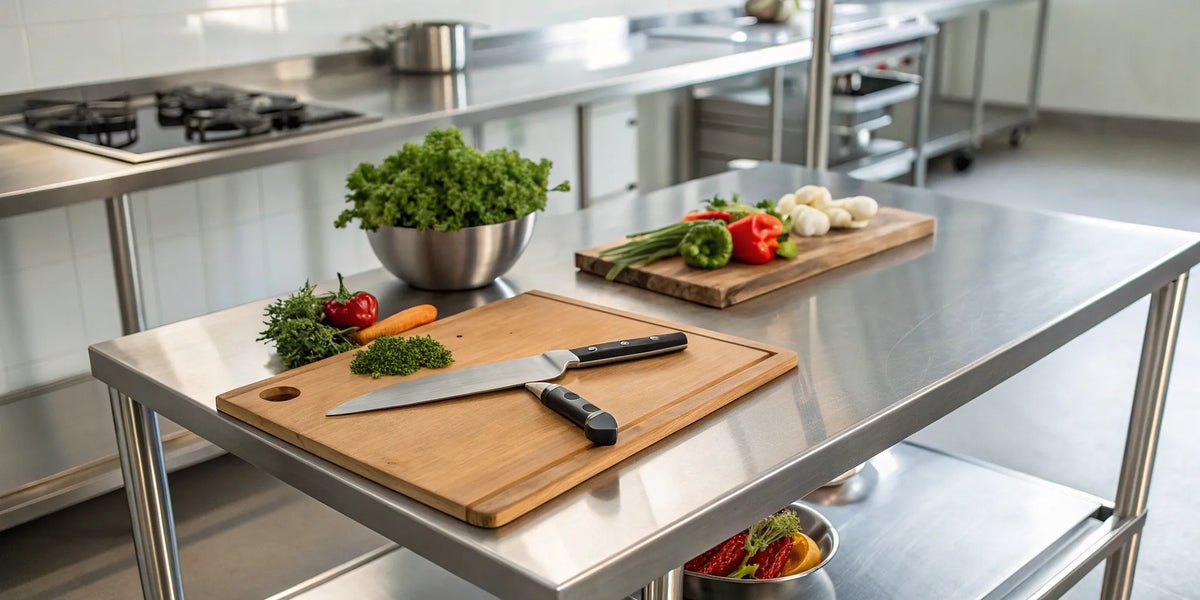
Are you looking to make your vegetable prep faster and more organized? Using a prep table can completely change the way you work in the kitchen.
It keeps your space clean, your tools handy, and your veggies ready to cook in no time. Imagine slicing, dicing, and chopping without the usual mess or stress. In this guide, you’ll discover simple steps to set up and use your prep table like a pro.
Stick with me, and you’ll soon enjoy smoother meal prep that saves you time and effort every day.
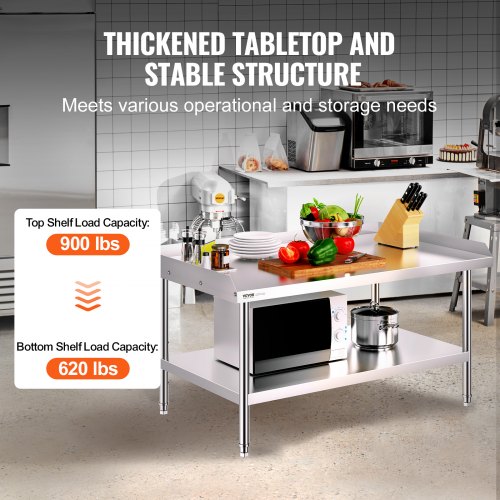
Credit: www.vevor.ca
Choosing The Right Prep Table
Choosing the right prep table is essential for smooth vegetable preparation. It helps keep your workspace organized and efficient. The right table fits your kitchen size, meets hygiene standards, and offers useful features. This section covers key points for selecting the ideal prep table.
Material Options And Benefits
Prep tables come in various materials. Stainless steel is common due to its strength and easy cleaning. It resists stains, odors, and rust, perfect for food prep. Plastic tables are lightweight and affordable but less durable. Wood offers a classic look but requires more care. Pick a material that suits your kitchen’s use and cleaning routine.
Size And Layout Considerations
Size matters for comfort and efficiency. A too-small table limits space and slows work. Too large a table crowds your kitchen. Measure your kitchen space before buying. Consider the layout: some tables have built-in sinks or cutting boards. Choose one that matches your prep style and kitchen flow.
Storage Features To Look For
Storage helps keep tools and ingredients close. Look for tables with shelves or drawers under the work surface. Adjustable shelves add flexibility for different items. Some tables include cold storage or bins for fresh vegetables. Good storage reduces clutter and speeds up your prep time.
Setting Up Your Prep Table
Setting up your prep table correctly can make vegetable preparation faster and more enjoyable. A well-arranged workspace helps you stay organized and prevents cross-contamination. It also reduces the chance of mistakes, so you can focus on creating delicious dishes.
Organizing Tools And Equipment
Keep your knives, peelers, cutting boards, and bowls within easy reach. Use magnetic strips or hooks to hang knives safely and free up counter space. Group similar tools together to avoid wasting time searching for what you need.
Think about how often you use each item. Place frequently used tools closer to you. This setup saves steps and keeps your workflow smooth.
Creating Zones For Different Vegetables
Assign specific areas of the table for different types of vegetables—leafy greens, root vegetables, and fruits. This separation helps prevent flavors and juices from mixing unintentionally. It also reduces the risk of cross-contamination, especially if you handle allergens.
Use labeled containers or trays to hold prepped vegetables. This makes it easy to keep track of what’s ready and what still needs work. Wouldn’t it be easier if you could glance at your table and instantly know where everything is?
Ensuring Proper Lighting And Accessibility
Good lighting is essential for safety and precision. Position your prep table near a window or use bright, adjustable overhead lights. Shadows can cause accidents, so check your setup at different times of the day.
Accessibility means everything is within your natural reach without stretching or bending. Arrange your table so you can grab tools, ingredients, and waste bins quickly. How much time could you save by cutting out unnecessary movements?
Vegetable Prep Techniques
Vegetable preparation is the foundation of any good meal. Proper techniques save time and keep the prep table organized. Clean, uniform cuts help cooking evenly and improve presentation. Efficient vegetable prep also reduces waste and enhances kitchen safety.
Washing And Peeling Efficiently
Start by rinsing vegetables under cold water. Use a brush for firm-skinned items like potatoes or carrots. Peeling should be quick and safe. Hold the vegetable firmly and peel away from your body. Use a sharp peeler to avoid slipping. Place peeled scraps in a container to keep the workspace tidy.
Chopping And Slicing Methods
Use a sharp knife for clean cuts. For uniform pieces, keep consistent pressure and angle. Dice, julienne, or chop based on the recipe needs. Keep fingers curled inward to protect them. Cut on a stable cutting board placed on the prep table. Arrange chopped vegetables in piles for easy access during cooking.
Using Containers And Trays Effectively
Organize chopped vegetables in separate containers. Label containers for quick identification. Use trays to hold washed or peeled vegetables before cutting. Stack containers neatly to save space on the prep table. Clean containers regularly to avoid cross-contamination. Clear organization speeds up cooking and cleanup.
Maintaining Hygiene And Safety
Maintaining hygiene and safety on your prep table is vital for fresh and healthy vegetables. A clean workspace prevents germs and keeps food safe. Sharp tools and cross-contamination risks require special care. Follow simple habits to protect your kitchen and your health.
Cleaning The Prep Table Regularly
Wipe down the prep table before and after use. Use warm water and a mild detergent for cleaning. Rinse the surface well to remove all soap. Dry the table with a clean cloth to stop bacteria growth. Clean spills immediately to avoid stains and germs.
Preventing Cross-contamination
Use separate cutting boards for different vegetables. Avoid mixing raw and cooked foods on the same surface. Wash hands thoroughly before and after vegetable prep. Keep knives and tools clean between uses. Store vegetables separately to stop germs from spreading.
Safe Handling Of Sharp Tools
Always hold knives by the handle, not the blade. Cut vegetables on a stable surface to avoid slips. Store knives in a safe place, out of reach of children. Use the right knife for each task to reduce accidents. Clean and dry knives immediately after use to keep them sharp and safe.
Maximizing Efficiency During Peak Hours
Maximizing efficiency during peak hours at the prep table is crucial for smooth kitchen operations. Fast service depends on quick and organized vegetable prep. Every second saved adds up to better output and less stress.
Keep your workspace clean and tools ready before peak times. Focus on methods that speed up the process without losing quality.
Batch Processing Strategies
Group similar vegetables together for cutting and washing. Prepare large quantities at once to reduce repetitive tasks. This saves time and energy.
- Chop all onions first, then move to peppers.
- Wash several heads of lettuce in one go.
- Use containers to keep batches separate and organized.
Batch processing helps avoid constant switching between tasks. It keeps the flow steady and predictable.
Streamlining Workflow With Team Coordination
Assign clear roles to each team member around the prep table. One person washes, another chops, and someone else sorts or stores.
- Communicate simple instructions quickly.
- Keep workstations arranged to minimize movement.
- Use visual cues to signal when a batch is ready.
Teamwork speeds up prep and reduces mistakes. Everyone knows their task and works together smoothly.
Time-saving Tips And Tricks
Use sharp knives to speed up cutting and prevent injury. Keep cutting boards stable with damp cloths underneath.
- Peel vegetables in bulk before chopping.
- Use a food processor for uniform slices or dices.
- Organize ingredients by size and type for easy access.
Small adjustments make big differences in time spent. These tricks help keep the prep table moving fast.
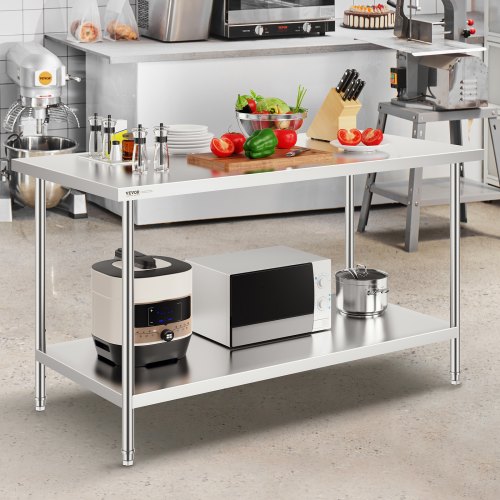
Credit: www.vevor.ca
Innovative Accessories For Prep Tables
Innovative accessories can transform a simple prep table into a powerhouse for vegetable preparation. These add-ons help you work faster, stay organized, and keep your workspace clean. Let’s look at some practical accessories that can make a real difference in your kitchen.
Cutting Boards And Inserts
Having multiple cutting boards designed to fit your prep table can save you from constant washing and cross-contamination. Some tables come with interchangeable inserts that snap into place, allowing you to switch from chopping carrots to slicing tomatoes without hassle.
Think about using color-coded cutting boards. This simple trick keeps your veggies separated from other ingredients, reducing the risk of mixing flavors or allergens. Have you tried a cutting board with built-in measurement guides? It can make portioning easier and more precise.
Built-in Storage Solutions
Built-in storage like drawers and shelves under your prep table keeps your tools and ingredients within arm’s reach. This reduces the time spent walking around to fetch knives, peelers, or spices.
Some prep tables feature slide-out bins that you can use to collect scraps or store chopped vegetables temporarily. This keeps your workspace clutter-free and helps maintain hygiene. How much time could you save if everything you need was right at your fingertips?
Ergonomic Enhancements
Working long hours prepping vegetables can strain your back and wrists. Ergonomic accessories such as adjustable height tables and padded anti-fatigue mats provide comfort and reduce injury risk.
Adding wrist rests or angled cutting board inserts can ease wrist strain and improve your cutting accuracy. Would you consider these small changes if they helped you prep faster and feel better at the end of the day?

Credit: therestaurantwarehouse.com
Frequently Asked Questions
What Is A Prep Table Used For In Vegetable Preparation?
A prep table provides a clean, organized workspace for washing, cutting, and sorting vegetables. It helps streamline kitchen tasks and maintain hygiene during food prep.
How Do You Organize Vegetables On A Prep Table?
Sort vegetables by type and preparation stage. Use separate containers to avoid cross-contamination and keep the workspace efficient and tidy.
What Are The Best Tools To Use On A Prep Table?
Sharp knives, cutting boards, peelers, and mixing bowls are essential. These tools help speed up prep and improve the quality of vegetable cuts.
How Do You Keep A Prep Table Sanitary During Vegetable Prep?
Clean surfaces before and after use with food-safe disinfectants. Regularly wash hands and utensils to prevent contamination and ensure food safety.
Conclusion
A prep table makes vegetable preparation easier and more efficient. It organizes your workspace, keeping tools and ingredients within reach. This setup saves time and reduces stress. Cleanliness is crucial; always maintain a tidy prep area. Proper organization boosts your cooking experience significantly.
With practice, you’ll become faster and more precise. This method enhances your overall kitchen skills. Try it and notice the difference in your meal prep. Your cooking journey will become smoother and more enjoyable. Now, you’re ready to tackle any recipe with confidence and ease.
