
Are you tired of dealing with painful splatters and burns while frying your favorite foods? Imagine cooking up a storm in your kitchen without the fear of hot oil stings.
The secret? Using the right gloves for frying. You’ll discover how a simple pair of gloves can transform your cooking experience, keeping your hands safe and your focus on perfecting that delicious dish. Keep reading, and you’ll learn how to choose the best gloves, use them effectively, and ultimately enhance your culinary skills.
Don’t let fear hold you back from enjoying the art of frying; let’s dive into a safer, smarter way to cook.

Credit: www.amazon.com
Choosing The Right Gloves
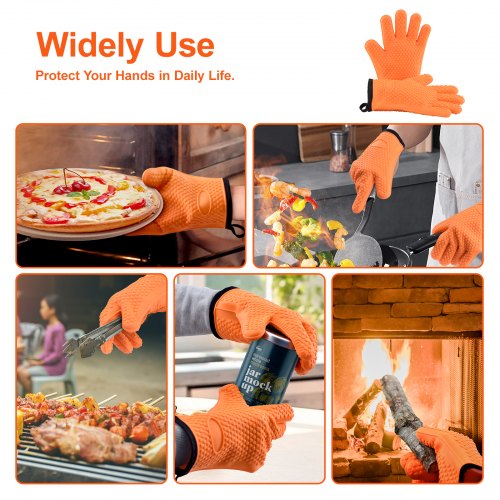
Choosing gloves made from the right materialis key for frying food safely. Common options include silicone, leather, and cotton with heat-resistant coating. Silicone gloves offer good heat resistanceand flexibility. Leather gloves protect well but may be bulky. Cotton gloves with coatings can protect from splashes but may not block high heat.
Size and fit matter a lot. Gloves should fit comfortablywithout being too tight or loose. Tight gloves reduce hand movement. Loose gloves can slip and cause accidents.
| Material | Heat Resistance | Comfort | Best Use |
|---|---|---|---|
| Silicone | High | Flexible | Deep frying and handling hot pans |
| Leather | Moderate to High | Bulky | Handling hot items and splashes |
| Cotton with coating | Low to Moderate | Soft | Light frying and protection from splashes |
Credit: www.homedepot.com
Preparing Gloves Before Frying
Start by washing your hands well with soap and water. Clean hands help keep the gloves free from germs. Dry your hands completely before putting on gloves. Wet hands can make gloves slippery and hard to wear.
Check gloves carefully for any holes or tears. Small holes let hot oil or food touch your skin. Use gloves that fit well. Gloves that are too tight or loose can cause accidents.
- Hold the glove by the opening.
- Put your hand inside slowly, one finger at a time.
- Adjust the glove to fit your fingers and palm.
- Make sure the glove covers your wrist fully.
Using Gloves Safely During Frying
Using gloves while frying helps keep food safe and clean. Avoid cross-contaminationby changing gloves after touching raw food. This stops germs from spreading to cooked food.
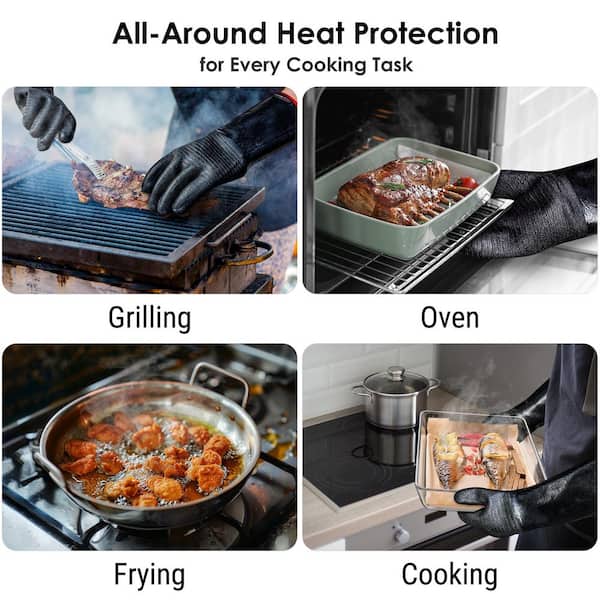
Handle hot oil with care. Gloves protect your hands from splashes and burns. Choose gloves that resist heat and are thick enough to protect your skin.
Keep a good grip and stay flexible. Gloves should fit well without being too tight or loose. This helps you hold utensils and food safely while frying.

Credit: www.amazon.com
Maintaining Hygiene With Gloves
Changing gloves regularlyhelps stop germs from spreading. Gloves can get dirty or torn while cooking. Swap them often, especially after touching raw food or waste. This keeps your hands clean and food safe.
Disposing of used gloves properlyavoids contamination. Throw gloves in a trash bin immediately after use. Do not reuse gloves as they carry germs. Proper disposal keeps the cooking area clean.
Avoid touching your face and surfaceswhile wearing gloves. Touching your face can transfer germs to gloves. Also, avoid touching phones or door handles. This practice helps keep your food and kitchen safe from germs.
Common Mistakes To Avoid
Wearing gloves that are not heat-resistant can cause burns during frying. Avoid using torn or loose gloves, as they offer little protection and may catch fire. Always dry your hands before putting on gloves to prevent slipping and accidents.
Reusing Disposable Gloves
Disposable glovesare for one-time use only. Reusing them can spread germs and cause food contamination. Always throw gloves away after use. Using new gloves keeps your food and hands safe.
Ignoring Glove Damage
Check gloves for tears or holesbefore cooking. Damaged gloves do not protect your hands or food. Replace gloves immediately if you notice any damage. This helps keep everything clean and safe.
Overlooking Handwashing
Wearing gloves does not replace the need for handwashing. Wash your hands with soap before putting on gloves. Clean hands stop germs from getting inside gloves. Handwashing is a simple, effective step for safe cooking.
Best Practices For Glove Storage
Gloves should be stored in clean, dry placesto keep them safe and ready. Moisture can cause damage and make gloves unsafe to use. Avoid storing gloves near heat or sunlight. This helps keep the material strong and lasting longer.
Keep gloves in places that are easy to reach. This saves time when cooking. Store them near the frying station but away from food to prevent contamination.
| Storage Tip | Why It Matters |
|---|---|
| Keep gloves dry | Prevents damage and keeps gloves safe |
| Store in clean area | Avoids germs and dirt |
| Place gloves nearby | Makes frying faster and easier |
| Check expiration dates | Ensures gloves work properly and protect well |
Always monitor expiration dates. Old gloves can tear or lose protection. Replace gloves before they expire for safe frying.
Frequently Asked Questions
What Type Of Gloves Are Best For Frying Food?
Heat-resistant silicone or thick, food-safe gloves work best. They protect hands from hot oil splashes and burns. Avoid thin or non-heat-resistant gloves to ensure safety while frying.
How Do Gloves Improve Safety During Frying?
Gloves provide a protective barrier against hot oil and steam. They reduce the risk of burns and allow better grip on slippery utensils. This enhances overall kitchen safety during frying tasks.
Can I Reuse Gloves When Frying Multiple Batches?
Reusable heat-resistant gloves can be used multiple times if cleaned properly. Disposable gloves should be discarded after each use to maintain hygiene and prevent cross-contamination.
Should Gloves Be Waterproof For Frying Food?
Yes, waterproof gloves prevent oil and moisture from soaking through. This keeps hands dry and comfortable, reducing slip hazards while handling hot frying equipment.
Conclusion
Using gloves while frying keeps your hands safe and clean. It stops burns and oil splashes from hurting you. Choose gloves that fit well and resist heat. Always check gloves for holes before cooking. Clean gloves after use to avoid germs.
Small steps like these make frying easier and safer. Protect your hands to enjoy cooking without worry. Gloves are a simple tool for better kitchen safety. Try them next time you fry food.
