
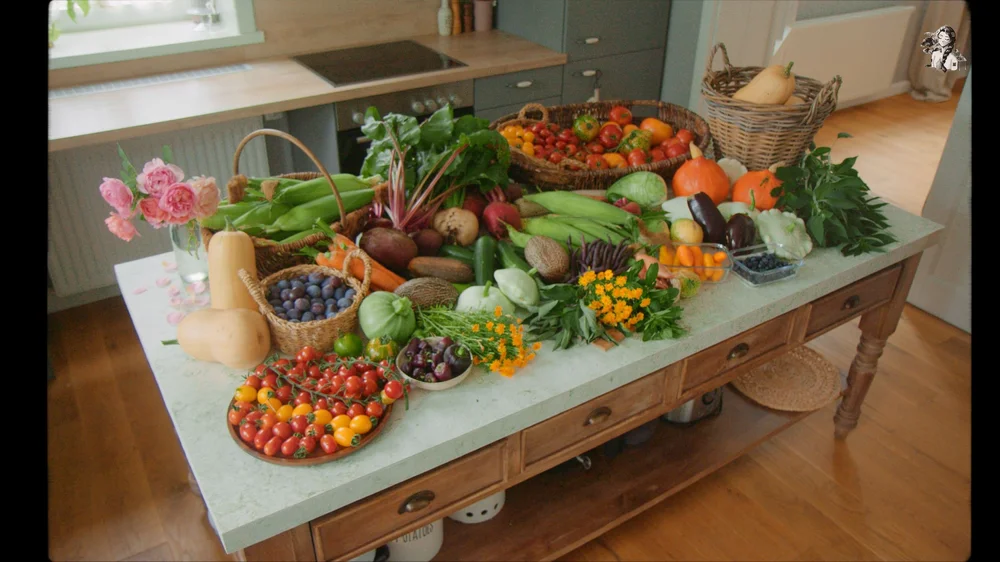
Are you tired of your fresh vegetables spoiling too quickly? Storing them properly can make all the difference, especially when you use an outdoor fridge.
But do you know the best way to keep your veggies crisp, tasty, and long-lasting? You’ll discover simple, effective tips to store your vegetables in an outdoor fridge. By the end, you’ll be saving money, reducing waste, and enjoying fresher produce every day.
Keep reading to unlock the secrets to perfect vegetable storage!
Choosing The Right Outdoor Fridge
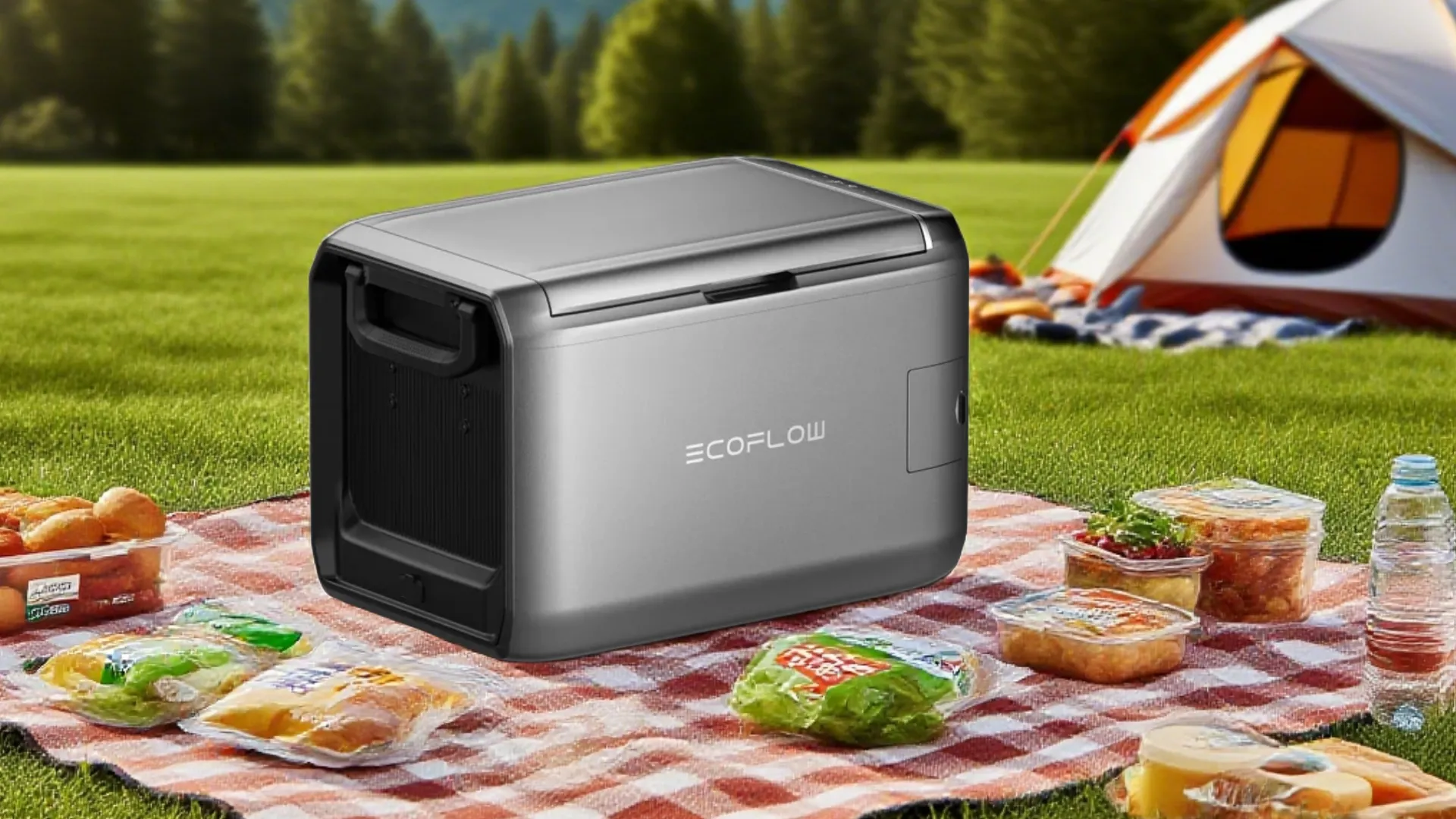
Choosing the right outdoor fridge is essential for keeping vegetables fresh. The right model protects produce from heat, moisture, and pests. It also fits your outdoor space and saves energy. A good outdoor fridge lasts long and works well in all weather. Focus on features, size, and efficiency to find the best fit.
Key Features To Look For
- Weather-resistant construction to withstand rain and sun
- Adjustable temperature controls for different vegetable needs
- Good insulation to maintain steady cool temperatures
- Easy-to-clean interior to prevent mold and bacteria
- Secure door seals to keep out pests and moisture
- Shelves or compartments to organize various vegetables
Energy Efficiency Considerations
Energy-efficient fridges reduce electricity bills and environmental impact. Look for models with an Energy Star rating or low power consumption. LED lighting uses less energy than traditional bulbs. A fridge with smart temperature control adjusts cooling based on usage. Solar-powered options add savings and eco-friendliness.
Size And Capacity Options
Choose a fridge size based on your vegetable storage needs. Small models suit limited outdoor spaces and light use. Larger fridges fit big families or gardeners with many vegetables. Consider the fridge’s layout and shelf space for easy access. Ensure enough room for air circulation around the fridge outdoors.
Credit: www.ecoflow.com
Preparing Vegetables For Storage
Preparing vegetables for storage in an outdoor fridge helps keep them fresh longer. Proper preparation reduces spoilage and maintains quality. Take time to clean, trim, and prep vegetables carefully before storing.
Cleaning And Drying Techniques
Start by rinsing vegetables under cool, running water. Remove dirt, pesticides, and debris gently. Avoid soaking vegetables as excess water promotes mold growth. Use a clean cloth or paper towel to pat them dry. Drying is important to prevent moisture buildup inside the fridge.
Trimming And Sorting Vegetables
Trim off damaged or wilted leaves and ends. Cut large vegetables into smaller pieces if needed. Sort vegetables by type and ripeness. Keep leafy greens separate from root vegetables. Sorting helps control humidity and airflow inside the fridge.
Prepping For Optimal Freshness
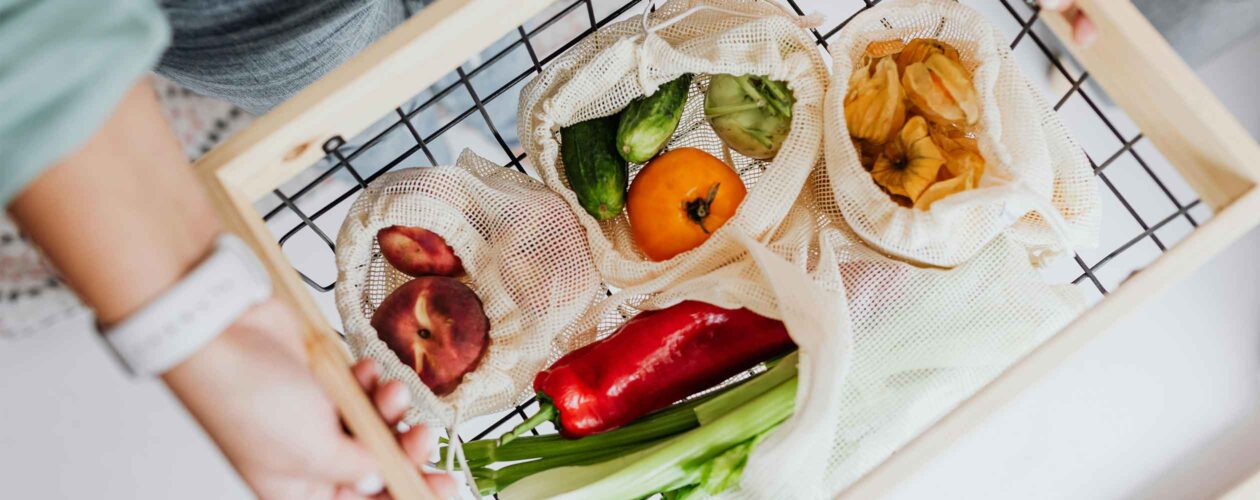
Wrap delicate vegetables in paper towels to absorb moisture. Use perforated plastic bags or containers with ventilation holes. Store herbs in damp cloths inside breathable bags. Keep vegetables that release gases, like onions, away from sensitive ones. Proper prep extends freshness and flavor.
Optimal Temperature Settings
Setting the right temperature in your outdoor fridge is key to keeping your vegetables fresh longer. Too cold, and some veggies may freeze or lose flavor. Too warm, and they spoil faster. Finding the sweet spot helps maintain texture, taste, and nutrients.
Ideal Temperature Ranges For Common Vegetables
Different vegetables prefer different temperatures. Leafy greens like lettuce and spinach do best between 32°F to 36°F (0°C to 2°C). Root vegetables such as carrots and potatoes can tolerate slightly warmer temps, around 40°F to 50°F (4°C to 10°C).
| Vegetable | Optimal Temperature |
|---|---|
| Lettuce | 32°F – 36°F (0°C – 2°C) |
| Carrots | 40°F – 50°F (4°C – 10°C) |
| Tomatoes | 50°F – 55°F (10°C – 13°C) |
| Potatoes | 45°F – 50°F (7°C – 10°C) |
Have you noticed your tomatoes lose flavor when chilled too much? That’s because they prefer warmer temps compared to most vegetables. Keep this in mind when grouping items in your fridge.
Adjusting Settings Based On Season
Outdoor temperatures change with the seasons, affecting your fridge’s internal climate. You might need to tweak the thermostat more frequently during summer and winter.
In hot months, set the fridge slightly cooler to counteract external heat. During cooler seasons, raise the temperature to avoid freezing sensitive produce.
Ask yourself: How often do you check your fridge settings? Making small seasonal adjustments can prevent spoilage and save money.
Monitoring Temperature Consistency
Keeping a steady temperature is as important as setting the right one. Fluctuations cause stress to vegetables, speeding up decay.
- Use a reliable thermometer inside the fridge to track temps.
- Check readings multiple times a day, especially after opening the door.
- Consider placing a temperature data logger for continuous monitoring.
I once ignored temperature swings in my outdoor fridge and lost an entire batch of cucumbers. Since then, regular checks have saved me from wasting produce.
Are you tracking your fridge’s temperature daily? Consistency helps you catch problems early and keep your vegetables crisp and fresh.
Storage Methods Inside The Fridge
Storing vegetables properly inside an outdoor fridge keeps them fresh longer. Good storage methods reduce spoilage and maintain flavor. The right approach protects vegetables from moisture loss and bad odors. Organizing and wrapping vegetables carefully helps control temperature and humidity. Understanding how to separate different types improves overall storage quality.
Using Proper Containers And Wraps
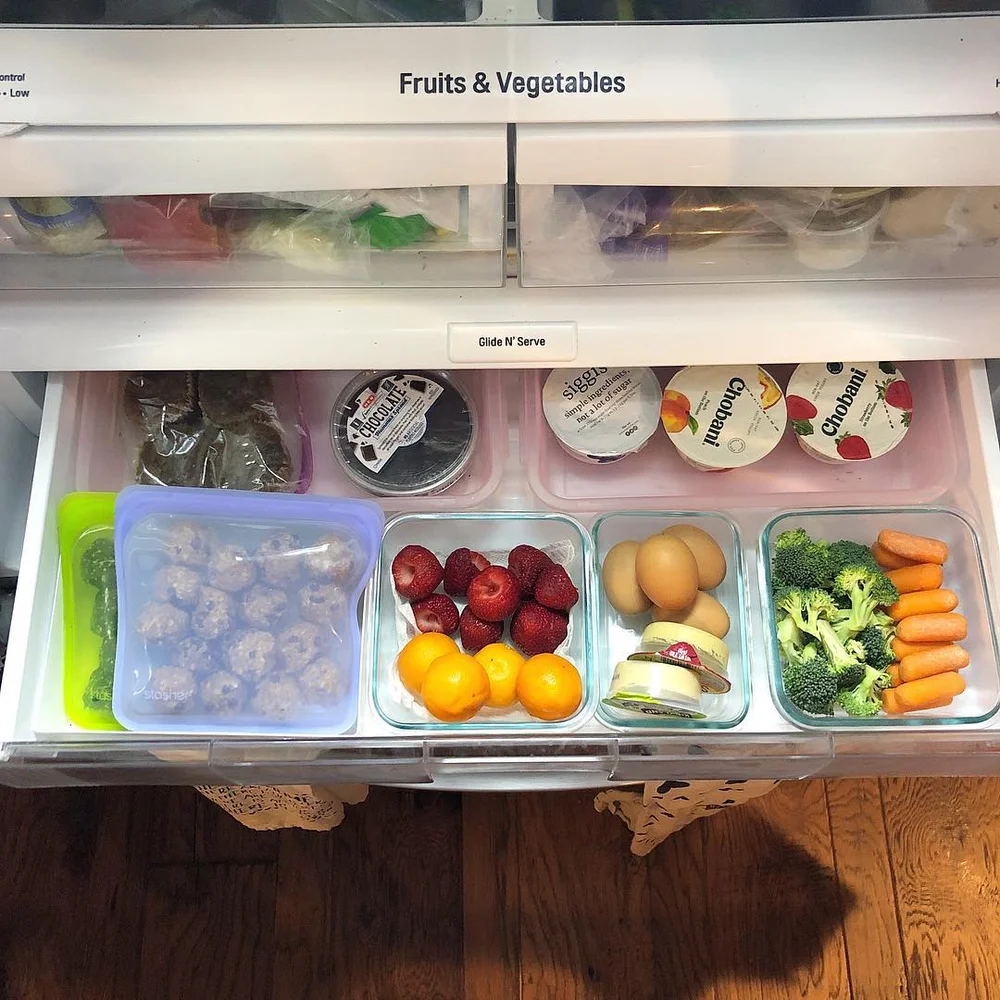
Use containers that allow some air circulation. Avoid airtight containers for most vegetables. Wrap leafy greens in damp paper towels to keep them fresh. Use perforated plastic bags to prevent excess moisture. Avoid storing vegetables directly on fridge shelves. Containers help prevent bruising and contamination from other foods.
Organizing Shelves For Airflow
Keep space between containers for cold air to move. Avoid overcrowding shelves inside the fridge. Place heavier vegetables on lower shelves. Store delicate vegetables on upper shelves where temperature is more stable. Proper airflow stops mold and keeps vegetables crisp. Adjust shelves if needed to fit containers comfortably.
Separating Ethylene Producers
Some vegetables produce ethylene gas, which speeds ripening. Separate ethylene-producing vegetables from sensitive ones. Examples of ethylene producers include tomatoes, peppers, and cucumbers. Leafy greens and root vegetables are sensitive to ethylene. Store ethylene producers in a different drawer or container. This separation reduces early spoilage and maintains freshness longer.
Maintaining Humidity Levels
Maintaining the right humidity levels in an outdoor fridge keeps vegetables fresh longer. Proper humidity stops vegetables from drying out or getting soggy. It helps preserve taste, texture, and nutrients. Understanding how to control moisture is key to effective storage.
Using Humidity Controls
Many outdoor fridges have built-in humidity controls. These settings adjust moisture inside the fridge to match vegetable needs. Use higher humidity for leafy greens to prevent wilting. Lower humidity suits onions and garlic to avoid mold. Check your fridge manual for humidity adjustment tips.
Diy Humidity Solutions
Simple DIY methods help manage humidity without special controls. Place a damp cloth or sponge inside the fridge to raise moisture. Use perforated plastic bags to keep air flowing while holding humidity. Add a small container of water to increase moisture naturally. Replace or moisten these items regularly for best results.
Impact Of Humidity On Different Vegetables
Different vegetables need different humidity levels for freshness:
- High humidity (85-95%): Lettuce, spinach, broccoli, carrots
- Medium humidity (50-70%): Tomatoes, cucumbers, peppers
- Low humidity (30-50%): Onions, garlic, potatoes
Too much moisture causes mold and rot. Too little makes vegetables dry and shriveled. Matching humidity to vegetable type extends shelf life and keeps produce tasty.
Regular Maintenance And Cleaning
Keeping your outdoor fridge clean and well-maintained is key to preserving the freshness of your vegetables. Dirt, spills, and moisture can cause unpleasant odors and even mold growth, which harms your produce. Regular upkeep not only extends the life of your fridge but also ensures your vegetables stay crisp and tasty.
Cleaning Schedule Tips
Set a cleaning routine that fits your lifestyle. Wiping down the shelves and interior every two weeks helps prevent buildup. If you notice spills or leaks, clean them immediately to avoid stains and sticky surfaces.
Use a mild soap and warm water solution for cleaning. Avoid harsh chemicals that can leave residues or damage the fridge lining. Dry all surfaces thoroughly before restocking your vegetables to stop moisture from encouraging mold.
Preventing Odors And Mold
Odors often come from spoiled food or trapped moisture. Place a small bowl of baking soda inside your fridge to absorb smells naturally. Change it every month for best results.
Keep vegetables dry before storing. Excess water is a breeding ground for mold. Use paper towels or clean cloths to pat them dry, and store leafy greens in breathable bags to reduce humidity.
Checking Door Seals And Gaskets
Door seals are often overlooked but crucial for proper cooling. Inspect them regularly for cracks, tears, or dirt. A damaged seal lets warm air in, making your fridge work harder and spoiling vegetables faster.
Clean seals with warm, soapy water and a soft cloth. After cleaning, press the door shut and look for gaps or leaks by sliding a piece of paper around the edges. If the paper moves easily, it might be time to replace the gasket.
Troubleshooting Common Issues
Troubleshooting common issues in your outdoor fridge can save you from wasting fresh vegetables and money. Understanding how to tackle spoilage, temperature shifts, and frost build-up helps keep your produce fresh longer. Let’s dive into practical tips that you can apply right away.
Dealing With Spoilage
Spoiled vegetables often signal a problem with storage conditions. Check if your fridge has enough ventilation because lack of airflow speeds up decay. Avoid overcrowding your fridge; vegetables need space to breathe.
Look out for signs like slimy textures or off smells early. Removing spoiled items immediately prevents them from affecting others. Have you noticed certain veggies spoil faster than others? Store those separately or use them first.
Handling Temperature Fluctuations
Temperature swings cause vegetables to lose moisture and nutrients quickly. Use a reliable thermometer to monitor your fridge’s temperature regularly. Aim to keep it steady, ideally between 32°F and 40°F (0°C to 4°C).
If your fridge is in direct sunlight or near heat sources, consider relocating it or adding shade. Power outages or frequent door openings can also cause fluctuations—minimize opening times. Have you tried using insulated covers to maintain a more constant temperature?
Fixing Frost Build-up
Frost can block air vents and reduce cooling efficiency, leading to uneven temperatures. Defrost your fridge when frost layers exceed a quarter-inch thick. Turn off the fridge, remove vegetables, and let the ice melt naturally or use a bowl of hot water inside to speed it up.
To prevent frost, keep the fridge door closed as much as possible and check door seals for damage. Using moisture-absorbing materials like silica gel packs can also help reduce condensation. Have you inspected your door seals lately?
Credit: veggiesandvirtue.com
Additional Tips For Prolonging Freshness
Keeping vegetables fresh in an outdoor fridge needs more than just cool temperatures. Small habits can greatly extend their life. These extra tips help maintain taste, texture, and nutrients for longer periods.
Rotating Stock
Place new vegetables behind older ones. Use the oldest items first. This simple habit prevents spoilage. It stops food waste and saves money. Check your fridge regularly for any signs of decay. Remove spoiled vegetables immediately to protect others.
Using Natural Preservatives
Natural preservatives keep vegetables fresh without chemicals. Vinegar water spray can reduce bacteria on leafy greens. Wrap vegetables in damp cloth or paper towels. It keeps moisture balanced and prevents drying. Adding a small bowl of activated charcoal absorbs excess moisture and odors inside the fridge.
When To Harvest For Storage
Harvest vegetables at the right time for best storage. Pick them early in the morning when cool. Avoid harvesting wet vegetables; dry them before storing. Some vegetables, like tomatoes, store better if picked just before fully ripe. Proper harvest timing ensures longer freshness and better flavor.
Credit: ific.org
Frequently Asked Questions
How Do I Prepare Vegetables For An Outdoor Fridge?
Wash vegetables thoroughly and dry them completely before storing. Use perforated bags or containers to maintain airflow. Separate ethylene-producing vegetables to avoid spoilage. Proper preparation ensures freshness and extends shelf life in an outdoor fridge.
What Is The Ideal Temperature For An Outdoor Fridge?
Maintain the outdoor fridge temperature between 32°F and 40°F (0°C to 4°C). This range slows down vegetable spoilage and preserves nutrients. Avoid freezing temperatures to prevent damage to delicate vegetables.
Which Vegetables Store Best In An Outdoor Fridge?
Root vegetables like carrots, potatoes, and onions store well. Leafy greens, broccoli, and bell peppers also stay fresh longer. Avoid storing tomatoes and cucumbers in cold conditions as they lose flavor and texture.
How To Organize Vegetables In An Outdoor Fridge Efficiently?
Store vegetables in separate drawers or containers based on moisture needs. Keep leafy greens away from ethylene producers like tomatoes. Use clear containers for easy visibility and avoid overcrowding to maintain airflow and freshness.
Conclusion
Storing vegetables in an outdoor fridge ensures freshness and convenience. Keep vegetables clean and dry before placing them in the fridge. Separate fruits and vegetables to avoid spoilage. Use airtight containers to maintain freshness longer. Check fridge temperature regularly to keep it between 35-40°F.
Organize vegetables by type for easy access. Label containers with dates to track freshness. Regularly clean the fridge to prevent mold and odors. With these tips, your vegetables will stay fresh and delicious. Enjoy the benefits of fresh produce, right from your outdoor fridge!
