
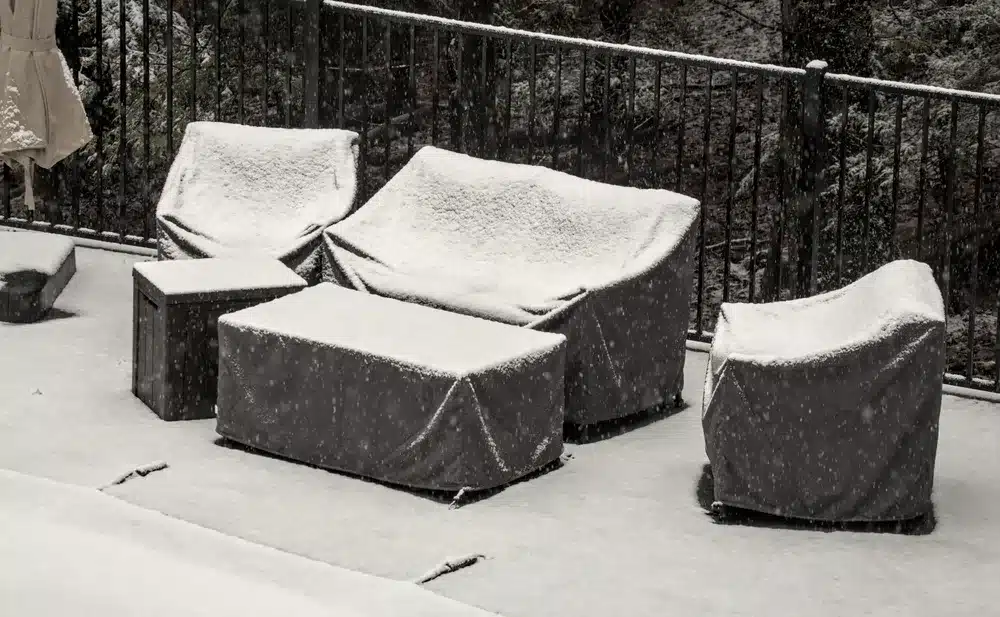
When winter arrives, your patio furniture faces harsh weather that can cause damage and wear. If you want to keep your outdoor pieces looking great year after year, knowing how to store them properly is key.
You’ll discover simple, effective steps to protect your furniture from cold, moisture, and dirt. By following these tips, you’ll save money, avoid frustration, and enjoy your patio setup longer. Keep reading to learn how to give your furniture the care it deserves this winter.
Preparing Furniture For Storage
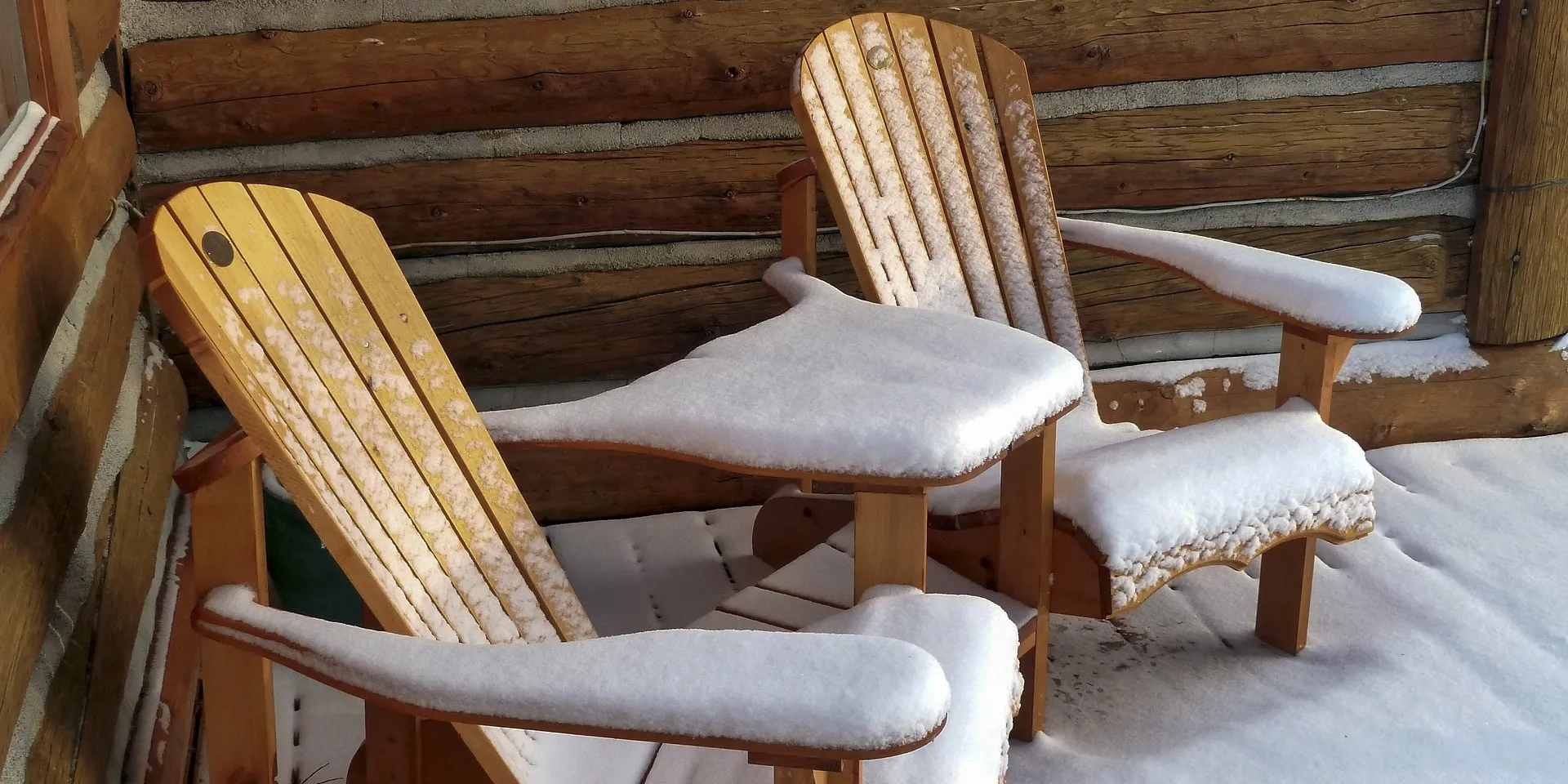
Preparing patio furniture for winter storage protects it from damage and extends its life. Proper preparation keeps your furniture clean, dry, and ready for use next season. Taking time now prevents costly repairs later.
Cleaning And Drying
Start by removing dirt, dust, and debris from all surfaces. Use mild soap and water with a soft cloth or sponge. Avoid harsh chemicals that can damage finishes. Rinse thoroughly and allow the furniture to dry completely. Moisture left on furniture causes mold and mildew during storage.
Inspecting For Damage
Check each piece for cracks, rust, or loose joints. Look closely at screws, bolts, and moving parts. Small problems can worsen over winter. Repair or replace damaged parts before storing. This prevents further damage and keeps furniture safe.
Disassembling Pieces
Take apart removable sections like cushions, legs, or tabletops. Store small parts such as screws and bolts in labeled bags. Disassembled furniture fits better in storage spaces and reduces risk of breakage. Keep all parts together for easy reassembly in spring.
Credit: serwalloutdoor.com
Choosing The Right Storage Location
Choosing the right storage location for patio furniture is key to keeping it safe during winter. The right spot protects your furniture from damage caused by cold, moisture, and pests. Picking a proper place also makes it easier to retrieve and set up your furniture when warm weather returns. Consider the space you have, the type of furniture, and how well the location guards against weather and critters.
Indoor Vs Outdoor Storage
Indoor storage offers the best protection from rain, snow, and wind. Garages, basements, or sheds keep furniture dry and safe from freezing temperatures. This helps prevent rust, cracks, and fading. Outdoor storage is less secure but can work if you use weatherproof covers. Choose a spot that is flat and away from direct exposure to harsh elements. Make sure covers fit tightly to block moisture.
Climate-controlled Options
Climate-controlled storage units keep temperature and humidity steady. This option is ideal for delicate or expensive furniture. It stops wood from warping and metal from rusting. These units cost more but offer excellent protection. They guard against mold and mildew, common problems in damp places. Look for a unit with good ventilation and security features.
Protecting Against Pests
Pests like rodents and insects can damage patio furniture. Store items off the ground to avoid easy access. Use sealed containers or covers to block small animals. Clean furniture thoroughly before storing to remove food crumbs. Consider natural repellents like cedar blocks or lavender sachets. Regularly check the storage space for signs of pests.
Using Covers And Protective Materials
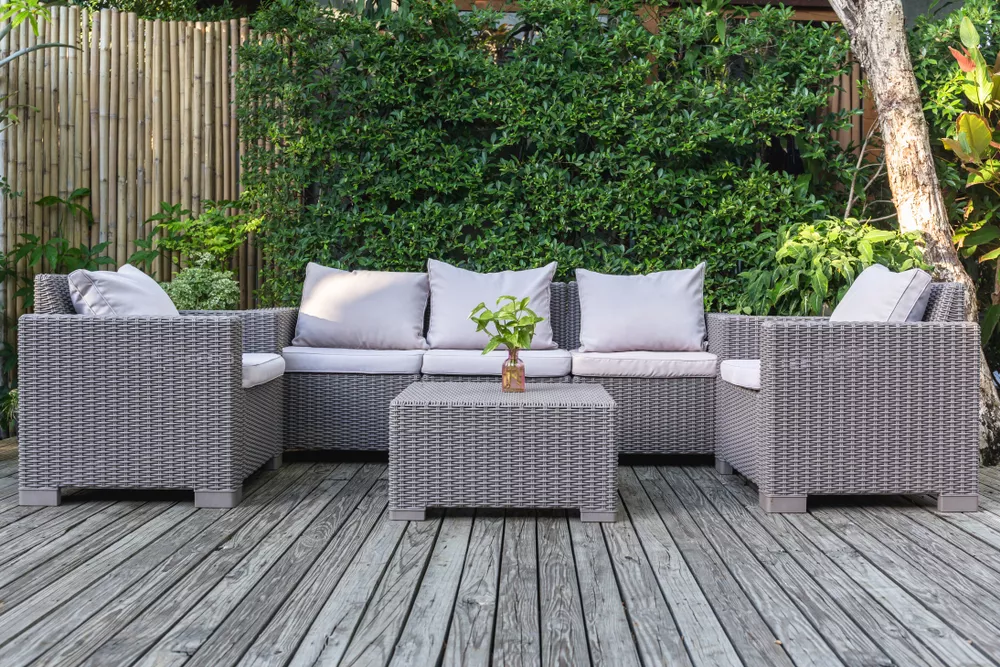
Covering patio furniture protects it from harsh winter weather. Using the right covers and materials helps keep your furniture safe and clean. Proper protection prevents damage caused by rain, snow, and cold temperatures. It also extends the life of your outdoor pieces.
Selecting Durable Covers
Choose covers made from strong, tear-resistant fabric. Look for materials like heavy-duty polyester or vinyl. These covers resist wind and won’t rip easily. Ensure the cover fits your furniture snugly to block out dirt and moisture. Covers with reinforced seams last longer in tough weather. Select covers with UV protection to prevent sun damage during the off-season.
Waterproofing Tips
Waterproof covers keep rain and snow from soaking into furniture. Check if the cover has a waterproof coating or membrane. If not, apply a waterproof spray before use. Spray evenly and let it dry completely. Avoid puddles forming on the cover by choosing one with a sloped design. Secure covers tightly with straps or cords to stop water from seeping underneath.
Avoiding Mold And Mildew
Moisture trapped under covers causes mold and mildew. Allow furniture to dry fully before covering it. Use breathable covers to let air circulate. Add moisture absorbers like silica gel packs inside covered areas. Store furniture in a well-ventilated spot to reduce dampness. Check covers regularly for tears or trapped water and fix problems quickly.
Credit: www.extraspace.com
Additional Protection Techniques
Protecting your patio furniture goes beyond just covering it. Additional protection techniques can greatly extend the life of your pieces through harsh winter months. These small extra steps make a noticeable difference when spring arrives.
Applying Protective Coatings
Adding a protective coating shields furniture from moisture and prevents rust or fading. For wooden furniture, a clear sealant or outdoor varnish works well to lock out water. Metal pieces benefit from a rust-resistant spray or paint designed for outdoor use.
Think about how a thin layer of protection saved my aluminum chairs from turning green last winter. It’s a simple step that costs little but pays off big in durability. Always apply coatings in a well-ventilated area and follow the product instructions closely.
Storing Cushions Properly
Cushions are often the first to show wear from winter weather. Store them in a dry, well-ventilated space to avoid mold and mildew buildup. Using airtight storage bags or plastic bins with tight lids can keep pests and moisture away.
If you have limited indoor space, consider vacuum-sealed bags to reduce bulk. You might also add silica gel packets to absorb any lingering moisture. Have you checked your cushions recently for dampness or odor? That’s a good sign it’s time for better storage.
Elevating Furniture Off The Ground
Keeping furniture off the cold, wet ground prevents water damage and rust. Use wooden blocks, bricks, or pallets to raise legs a few inches above the surface. This allows air to circulate under the furniture and avoids direct contact with snow or rain.
I once left my table directly on the patio floor all winter. By spring, the legs had begun to rot. Elevating your furniture is a simple habit that protects investment and saves you from costly repairs. What can you use at home to lift your pieces today?
Maintenance During Winter Storage
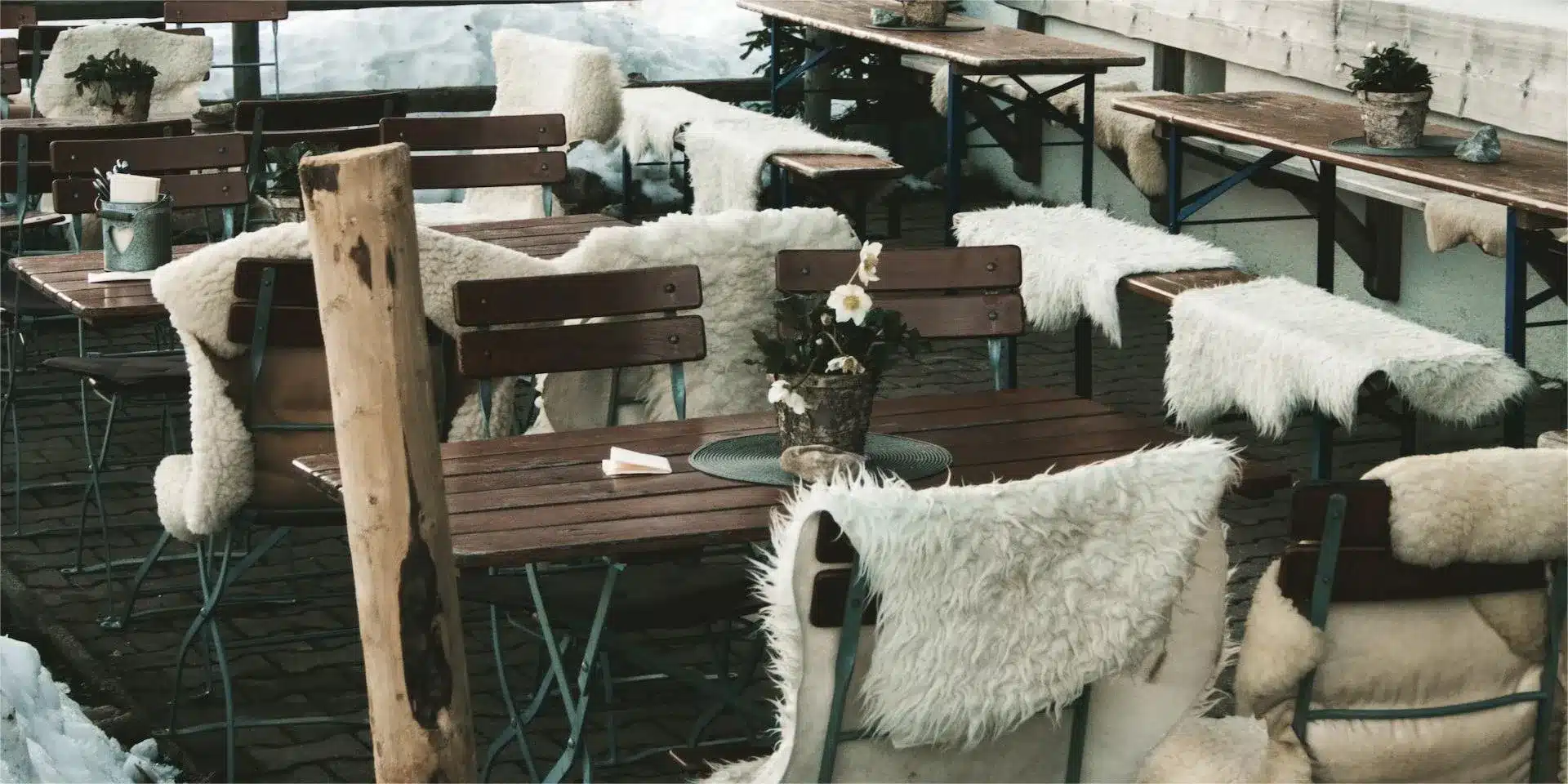
Storing your patio furniture during winter isn’t just about tucking it away. Proper maintenance while in storage ensures your furniture stays in great shape and ready for use when warmer days return. Paying attention to small details can save you from costly repairs and extend the life of your outdoor pieces.
Regular Inspections
Check your stored furniture at least once a month. Look for signs of moisture buildup, rust, or any pest activity. Catching these problems early prevents permanent damage.
For example, I once found a small leak in my storage cover that caused mildew on cushions. Spotting it early helped me fix the cover and air out the cushions before the damage worsened.
Ventilation Strategies
Good airflow is crucial to avoid mold and mildew. If your furniture is stored in a shed or garage, leave a window or door slightly open to circulate air.
Using breathable furniture covers instead of plastic tarps also helps. These covers allow moisture to escape while protecting your furniture from dust and dirt.
Addressing Issues Promptly
If you notice rust on metal parts or cracks in wood, take action immediately. Sand down rust spots and apply a protective sealant or paint.
Damaged cushions should be cleaned and dried thoroughly before returning them to storage. Ignoring these problems can lead to more expensive repairs or even replacement.
Credit: serwalloutdoor.com
Frequently Asked Questions
How Should I Prepare Patio Furniture For Winter Storage?
Clean your furniture thoroughly to remove dirt and debris. Dry it completely to prevent mold. Apply protective covers and store in a dry, sheltered place away from harsh weather.
What Is The Best Place To Store Patio Furniture In Winter?
Store patio furniture in a dry, cool, and sheltered location. Garages, sheds, or basements are ideal to protect against moisture and extreme temperatures.
Should I Use Covers For Patio Furniture During Winter?
Yes, using weatherproof covers protects furniture from moisture, dust, and damage. Ensure covers fit well and allow some airflow to prevent mold growth.
Can I Store Cushions With Patio Furniture In Winter?
Store cushions separately in a dry, ventilated area. Use airtight containers or bags to keep them clean and prevent moisture damage.
Conclusion
Storing patio furniture properly ensures it lasts longer. Clean each piece before storing. Use covers to protect from dust and moisture. Stack or fold items to save space. Store cushions in a dry place. Check on stored items occasionally. Keeping furniture safe in winter saves money in the long run.
A little care now prevents damage later. Enjoy beautiful furniture next season. Your outdoor space stays inviting and ready. Take simple steps for worry-free storage. Your efforts will pay off with well-preserved pieces. Enjoy your patio all year round!
