

Are you tired of looking at those stubborn stains on your cushions every day? You’re not alone.
Stains can make your favorite cushions look old and dirty, even if everything else in your home is spotless. But here’s the good news: you don’t have to replace them or spend hours scrubbing. With the right tricks, you can easily remove stains and bring your cushions back to life.
Keep reading, and you’ll discover simple, effective methods that anyone can use to get those cushions looking fresh again—fast.
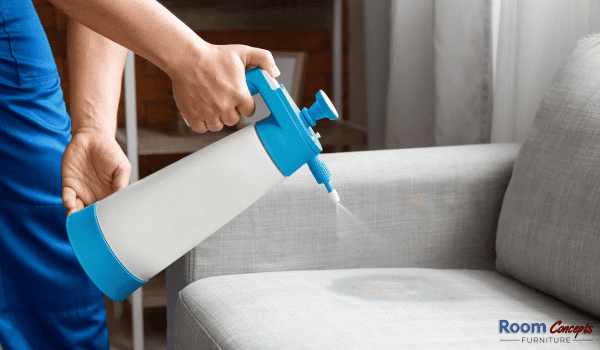
Credit: roomconcepts.com
Identify Cushion Fabric
Identifying the fabric of your cushion is the first and most important step before tackling any stain. Different fabrics react differently to cleaning agents, so knowing what you’re dealing with can save you from damaging your cushion. Have you ever tried to remove a stain only to find the fabric ruined? Understanding your cushion’s fabric helps you avoid that frustration.
Check Care Labels
Start by looking for the care label on your cushion. This small tag often provides crucial information about the fabric type and recommended cleaning methods. If the label says “dry clean only,” avoid water-based cleaners that could cause shrinkage or color bleeding.
Labels may include symbols or codes like:
- W– Safe to use water-based cleaners
- S– Use solvent-based cleaners only
- WS– Water or solvent-based cleaners are safe
- X– Professional cleaning only, do not clean yourself
Have you checked your cushion’s label before? It can give you a clear path to clean without guesswork.
Test Cleaning Solutions
Even when you know the fabric, testing your chosen cleaning solution is crucial. Pick a hidden spot on the cushion and apply a small amount of the cleaner. Wait a few minutes to see if the color fades or the fabric reacts badly.
Testing first can prevent costly mistakes like discoloration or fabric damage. If the test spot looks good, you can proceed confidently. This simple step saved me once from turning a beige cushion into a patchy mess.

Credit: www.carpetcleaningforce.co.nz
Common Stain Types
Stains on cushions can be tricky because different types require different treatments. Knowing the common stain types helps you act fast and choose the right cleaning method. Let’s look at some of the usual culprits that ruin your cozy cushions.
Food And Drink
Spills from coffee, wine, ketchup, or chocolate happen more often than you’d like. These stains tend to soak deep into cushion fabric if left unattended. Have you ever noticed how a small spot can quickly turn into a big blotch?
Act quickly by blotting the stain with a clean cloth. Avoid rubbing, as it spreads the stain. Using mild detergent mixed with water often works well for these common messes.
Ink And Dye
Ink stains from pens or markers, plus dye transfers from clothes, can be stubborn. They often leave a dark mark that doesn’t fade easily. Have you ever tried removing ink only to make it worse?
Alcohol-based solutions or specialized ink removers can be effective here. Test any product on a hidden area first to avoid damage. Patience is key with these tough stains.
Oil And Grease
Oil and grease stains from food or body lotions are notoriously hard to remove. These stains don’t dissolve in water and tend to leave a shiny spot. Ever wondered why water just seems to push these stains around?
Sprinkle baking soda or cornstarch to absorb the oil before cleaning. Then use a gentle detergent designed for grease removal. This two-step approach often saves your fabric.
Pet Stains
Pet stains come with more than just discoloration—they can cause odors too. Urine, vomit, or muddy paw prints all create unique challenges. Have you noticed how some pet stains seem to keep coming back despite cleaning?
Use enzymatic cleaners to break down organic material and neutralize smells. Regular cleaning prevents permanent damage and keeps your cushions fresh. Don’t forget to dry the cushion completely to avoid mold growth.
General Cleaning Supplies
Cleaning cushions often requires the right tools. General cleaning supplies help remove stains safely and effectively. Choosing the correct supplies protects your cushions and keeps them looking fresh. Both household items and commercial cleaners have unique benefits for stain removal.
Household Items
Many common household items work well for cushion stains. They are affordable and easy to find. Examples include:
- Baking soda:Absorbs odors and lifts dirt.
- White vinegar:Breaks down stains and disinfects fabric.
- Dish soap:Cuts through grease and grime gently.
- Hydrogen peroxide:Lightens tough stains carefully.
- Lemon juice:Acts as a natural bleach and freshener.
- Cold water:Prevents stains from setting in.
Use these items with soft cloths or sponges. Test on a small cushion area first to avoid damage.
Commercial Cleaners
Commercial cleaners offer specialized formulas for cushion stains. They often target specific stain types. Some popular options include:
- Upholstery cleaners:Designed for fabric and safe on cushions.
- Enzyme-based cleaners:Break down organic stains like food or sweat.
- Foam cleaners:Clean without soaking fabric.
- Stain removers:Focus on tough spots like ink or wine.
Read product labels carefully. Follow instructions to avoid fabric damage. Always test cleaner on a hidden cushion spot first.
Step-by-step Stain Removal
Removing stains from cushions can seem tough. A clear plan helps make the process easier and effective. Follow these steps carefully for the best results. Each step targets a part of the stain removal process.
Pre-treatment Techniques
Start by blotting the stain gently with a clean cloth. Avoid rubbing to stop the stain from spreading. Use cold water to dampen the area. Apply a small amount of mild detergent or stain remover. Let it sit for 5 to 10 minutes to break down the stain.
Cleaning Methods By Stain Type
- Food and Drink:Use a mixture of warm water and dish soap. Dab the stain with a soft brush or cloth.
- Oil and Grease:Sprinkle baking soda on the stain. Let it absorb oil, then vacuum it off.
- Ink:Apply rubbing alcohol on a cotton ball. Blot the stain carefully without spreading.
- Pet Stains:Use an enzyme cleaner to remove odor and stain completely.
Rinsing And Drying
Rinse the treated area with clean water. Use a damp cloth to remove soap residue. Blot the cushion with a dry towel to absorb moisture. Let the cushion air dry fully before use. Avoid direct sunlight to prevent fabric damage.
Prevent Stains On Cushions
Preventing stains on cushions is key to keeping them fresh and clean for longer. Taking simple steps can save time and effort later. Regular care and protection help maintain your cushions’ appearance and comfort.
Protective Covers
Use protective covers to shield cushions from spills and dirt. Covers are easy to remove and wash. Choose covers made from water-resistant or stain-resistant fabrics. They act as a barrier against stains and dust. You can also select covers that match your decor for style and function.
Regular Maintenance
Clean cushions often to stop stains from setting in. Vacuum cushions weekly to remove dust and crumbs. Spot-clean small stains immediately using mild soap and water. Rotate cushions to ensure even wear and tear. Air cushions regularly to keep them fresh and dry.
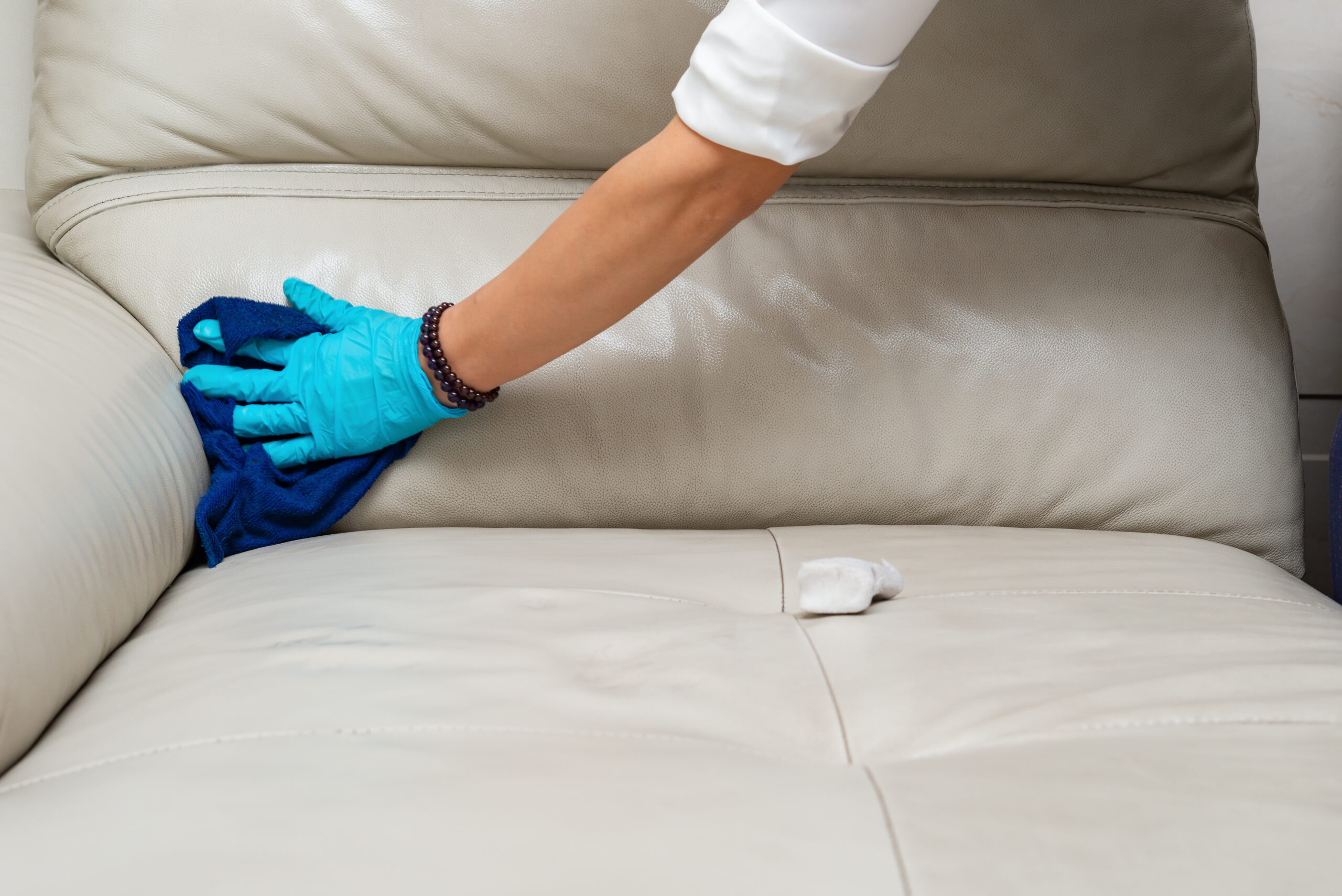
Credit: krasivocleaning.com
When To Seek Professional Help
Sometimes, tackling cushion stains on your own isn’t the best choice. Knowing when to seek professional help can save you time, frustration, and even your cushions. Recognizing the signs that a stain requires expert attention helps you protect your investment and keep your cushions looking their best.
Signs That Stains Are Too Tough For Diy Cleaning
If you’ve tried household remedies and the stain remains stubborn or spreads, it’s a clear signal to call in pros. Stains like ink, red wine, or oil can deeply penetrate cushion fabric, making at-home treatments ineffective or damaging. When the stain is old and set, professional cleaning methods might be the only solution.
Special Fabrics And Cushion Materials
Some cushions are made with delicate fabrics or special materials that require expert care. Silk, velvet, or antique cushions can easily get damaged by harsh chemicals or vigorous scrubbing. If your cushions fall into these categories, it’s safer to trust professionals who understand fabric types and appropriate cleaning techniques.
Health And Safety Concerns
Stains from bodily fluids, mold, or mildew pose health risks that need professional handling. These contaminants might not only ruin cushions but can also affect indoor air quality and your family’s well-being. Professionals use specialized equipment and cleaning agents to safely remove these stains without spreading allergens or bacteria.
When Time And Convenience Are Priorities
Sometimes, you simply don’t have the time or tools to deal with tough stains. Professionals save you hours of scrubbing and trial-and-error attempts. If your cushions are part of your daily comfort or important for your home’s appearance, hiring experts ensures quick and effective results without hassle.
Frequently Asked Questions
How Do I Remove Common Stains From Cushions?
To remove common stains, blot excess liquid first. Use mild detergent mixed with water. Gently scrub with a soft brush. Rinse with clean water and air dry. Always test cleaning solutions on a small cushion area first.
What Household Items Clean Cushion Stains Effectively?
Household items like baking soda, vinegar, and dish soap work well. Mix vinegar and water for tough stains. Sprinkle baking soda to absorb odors. Use dish soap for greasy marks. These items are safe and affordable for cushion cleaning.
Can I Use Bleach To Clean Cushion Stains?
Bleach is generally not recommended. It can damage cushion fabric and cause discoloration. Use mild detergents or fabric-safe stain removers instead. Always check care labels before using any cleaning product on cushions.
How Do I Prevent Stains On Cushions?
Regularly vacuum cushions to remove dirt. Use fabric protectors to repel spills. Clean spills immediately to prevent setting. Rotate cushions to avoid uneven wear. These steps help maintain cushion appearance longer.
Conclusion
Removing stains from cushions can be simple with the right approach. Always act quickly to prevent the stain from setting. Use mild cleaning solutions for delicate fabrics. Gently blot, don’t rub, to avoid spreading stains. Regular maintenance keeps cushions looking fresh and inviting.
Test any cleaner on a hidden area first. This ensures no damage occurs. With these tips, cushions can stay clean and vibrant. Enjoy a spotless and comfortable space. Keep cushions in top shape with these easy steps. Your efforts will create a welcoming home environment.
