
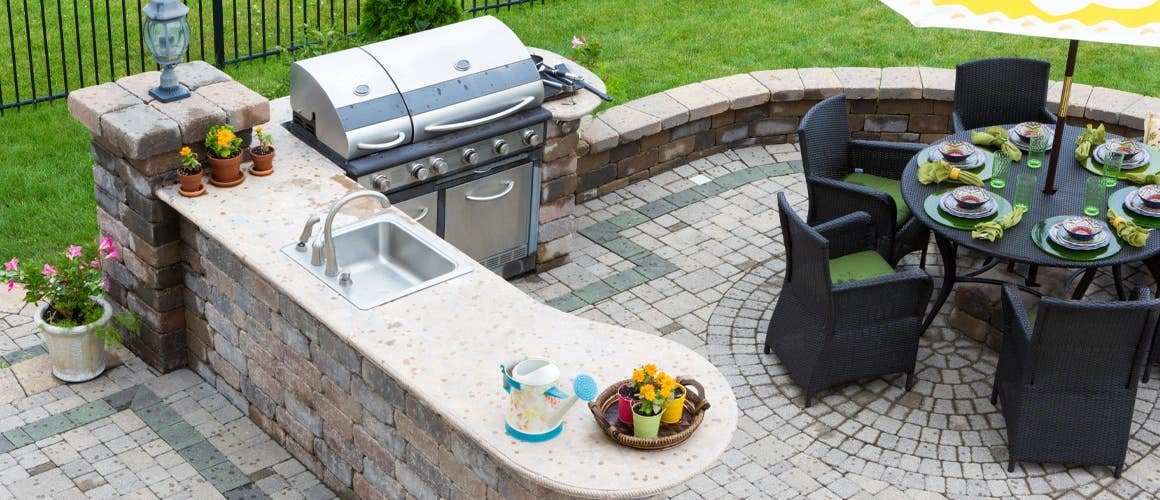
Is your outdoor kitchen island showing signs of rust? If so, you’re not alone—and it’s a problem you don’t want to ignore.
Rust can quickly damage your kitchen island, making it look old and worn, and even affect its functionality. But what if you could keep your outdoor space looking fresh and new all year round? You’ll discover simple, effective ways to prevent rust from taking over your outdoor kitchen island.
By following these tips, you’ll protect your investment and enjoy a beautiful cooking area for many seasons to come. Keep reading to learn how easy it is to stop rust before it starts!

Credit: woodlarkgardenluxury.co.uk
Causes Of Rust In Outdoor Kitchens
Rust can silently damage your outdoor kitchen island, turning a stylish space into an eyesore. Understanding what causes rust is key to stopping it before it starts. Let’s look closely at what triggers rust in outdoor kitchens so you can protect your investment effectively.
Common Rust Sources
Rust often begins with simple, everyday sources around your outdoor kitchen. Moisture from spilled drinks or food, leftover water after cleaning, and even salt used for seasoning can speed up rust formation.
Metal tools and utensils left out in the open also contribute. Have you noticed how your grill brush or metal tongs start to corrode if not stored properly? These small sources add up quickly.
Effects Of Weather Exposure
Outdoor kitchens face constant weather challenges that encourage rust. Rain and humidity provide the moisture metal needs to oxidize, while sunlight can degrade protective coatings over time.
Think about those sudden temperature changes—morning dew followed by afternoon heat creates condensation. This cycle continuously exposes your island’s metal surfaces to water and air, accelerating rust.
Material Vulnerabilities
Not all metals resist rust equally. Stainless steel, often used in outdoor kitchens, can still rust if it’s low quality or scratched. Galvanized steel and iron are even more prone to corrosion without proper care.
Have you checked if your kitchen island’s materials are rated for outdoor use? Sometimes, manufacturers use materials that look good but aren’t built to withstand weather exposure, making rust inevitable.
Choosing Rust-resistant Materials
Choosing rust-resistant materials is key to keeping your outdoor kitchen island looking great and lasting longer. Materials that can withstand moisture and outdoor elements reduce the chances of rust forming, saving you time and money on repairs. Let’s look at some materials that not only fight rust but also add style and durability to your setup.
Stainless Steel Benefits
Stainless steel is a favorite for outdoor kitchens because of its strong resistance to rust and corrosion. It contains chromium, which creates a protective layer that blocks moisture from causing damage.
Besides durability, stainless steel looks sleek and modern. It’s easy to clean—just wipe it down to keep it shiny. If you want a material that combines strength with style, stainless steel is a solid choice.
Powder-coated Metals
Powder-coated metals get a special finish that protects against rust and scratches. The coating is baked on, creating a tough barrier that stands up well to weather.
This option lets you add color to your outdoor kitchen island without worrying about fading or peeling. You can pick from many shades to match your design, and the coating requires little upkeep.
Composite And Stone Options
Composite materials and natural stone don’t rust because they don’t contain metal. Composites mix materials like wood fibers and plastic, creating a tough, weather-resistant surface.
Stone options like granite or quartz add elegance and handle outdoor conditions without corroding. If rust is your biggest concern, these materials offer peace of mind and a unique look.
Regular Cleaning Practices
Keeping your outdoor kitchen island rust-free depends heavily on regular cleaning practices. Dirt, grease, and moisture left unattended can speed up corrosion. By staying consistent with cleaning, you protect your investment and keep the space inviting for guests.
Recommended Cleaning Products
Choose gentle cleaners designed for outdoor metal surfaces. Mild dish soap mixed with warm water works wonders and won’t damage finishes.
For tougher spots, a solution with white vinegar and water helps break down rust-causing deposits without harsh chemicals. Avoid abrasive scrubbers that can scratch protective coatings.
- Mild dish soap
- White vinegar diluted with water
- Soft microfiber cloths or sponges
- Non-abrasive brushes
Cleaning Frequency
How often you clean depends on your local climate and usage. In humid or rainy areas, weekly wipe-downs prevent moisture buildup that leads to rust.
If you use your outdoor kitchen daily, a quick clean after each session removes food residues and grease. Otherwise, a thorough monthly cleaning usually keeps rust at bay.
Would a simple habit like wiping your island after every meal change how long it stays pristine?
Avoiding Corrosive Substances
Stay clear of harsh chemicals like bleach or ammonia on your kitchen island. These can strip protective layers and accelerate rust formation.
Also, salt can be a hidden enemy if you live near the coast or use it in cooking outdoors. Rinse off salt residue promptly to stop it from eating into metal surfaces.
Consider placing a cover over your island during heavy rains or when not in use for long periods. This extra step keeps corrosive elements from settling on your metal.
Protective Coatings And Treatments
Protective coatings and treatments are essential for keeping your outdoor kitchen island rust-free. These solutions create a barrier between metal surfaces and moisture, preventing rust from forming. Choosing the right coating or treatment can extend the life of your kitchen island and keep it looking great.
Rust Inhibitor Sprays
Rust inhibitor sprays are easy to apply and provide quick protection. They work by forming a thin, invisible layer that repels water and blocks oxygen, two key elements rust needs to develop.
Sprays are ideal for hard-to-reach areas or small nooks on your kitchen island. You can reapply them seasonally to maintain protection. Have you checked if your local hardware store stocks sprays specifically designed for outdoor metal?
Sealants And Paints
Sealants and paints offer a thicker, more durable shield against rust. Look for products labeled as rust-resistant or formulated for outdoor metal surfaces.
Applying a sealant or paint not only prevents rust but also gives your kitchen island a fresh look. Consider using a primer first to improve adhesion and increase effectiveness.
- Epoxy-based paints provide strong resistance to moisture.
- Polyurethane sealants add a glossy, waterproof finish.
- Some paints include rust inhibitors for extra protection.
Would you prefer a matte or glossy finish to match your outdoor décor?
Diy Vs Professional Application
Deciding whether to apply coatings yourself or hire a professional depends on your confidence and the complexity of the job. DIY application saves money but requires patience and careful preparation.
Professionals offer expertise, ensuring even coverage and proper curing, which reduces the chance of future rust. Have you weighed the cost of a professional job against the potential expense of rust repairs later?
Simple spray applications or touch-ups are great DIY projects. For larger surfaces or intricate details, professional help might be the better choice to guarantee lasting protection.
Proper Drainage And Ventilation
Proper drainage and ventilation are key to keeping rust away from your outdoor kitchen island. Water that sits for too long invites rust, while poor airflow traps moisture and accelerates corrosion. Paying attention to these details can extend the life of your kitchen island and keep it looking great year-round.
Preventing Water Accumulation
Water pooling is a major cause of rust. Make sure your kitchen island surface and surrounding areas slope slightly to guide water away. Check for any gaps or seams where water might collect and seal them properly.
Using waterproof covers when the kitchen isn’t in use adds another layer of protection. Also, clean your island regularly to remove debris that can trap moisture. Have you noticed rust starting at a specific spot? That’s often where water lingers the longest.
Ensuring Airflow
Good airflow dries out any moisture that settles on your kitchen island. Avoid placing your island too close to walls or fences that block wind. Leave at least a few inches of space around all sides to let air circulate freely.
Consider adding vents or slats in cabinet doors and panels. This simple step helps air move inside enclosed spaces, preventing damp conditions where rust thrives. Ever opened a cabinet only to find it damp inside? Improving airflow can fix that problem fast.
Design Considerations
Design your outdoor kitchen island with drainage and ventilation in mind from the start. Choose materials that resist rust, but also plan for water to flow off surfaces easily. Raised legs or platforms can help keep the base dry and allow air to pass underneath.
Adding removable panels or access points makes cleaning and drying easier. Think about how rainwater will behave during a storm and arrange features to avoid water traps. What small design change could you make today to stop rust before it even begins?
Covering And Storage Solutions
Protecting your outdoor kitchen island from rust requires smart covering and storage solutions. These methods shield metal surfaces from moisture, dust, and harsh weather. Proper covers and storage extend the life of your kitchen island. They keep it looking fresh and functional year-round.
Choosing Durable Covers
Pick covers made from heavy-duty, waterproof material. Look for fabrics with UV protection and breathable layers. These prevent moisture build-up and sun damage. Covers with secure straps or elastic edges stay in place during wind. Measure your kitchen island before buying. A snug fit avoids gaps where water can enter.
When To Use Covers
Cover your kitchen island during rain or snow. Use covers when not cooking or entertaining outdoors. Covering prevents rust from forming on metal parts. Avoid leaving covers on during hot, dry days to reduce moisture trapping. Remove covers occasionally to air out surfaces and check for rust.
Storage Tips For Off-season
Store your outdoor kitchen island in a dry, sheltered space during off-season months. If indoor storage is not possible, place it under a covered patio or garage. Clean and dry all surfaces before storing. Remove any detachable parts to keep them safe and dry. Use moisture absorbers or silica gel packs nearby to prevent rust formation.
Routine Maintenance Checks
Routine maintenance checks keep your outdoor kitchen island free from rust. Regular care stops small problems from growing. These checks help keep metal parts strong and looking good. They also save money on repairs later. Pay attention to every part of the island during inspections. This habit protects your investment over time.
Inspecting For Early Rust Signs
Look closely at all metal surfaces. Rust often starts as tiny spots or discoloration. Check corners, joints, and places where water collects. Use a soft cloth to clean the area before inspection. Early detection allows quick action to prevent spread. Treat small rust patches with rust remover or sandpaper. Apply a protective coating after cleaning to block moisture.
Tightening And Repairing Fixtures
Loose screws and bolts let moisture enter joints. Check all fixtures for tightness and stability. Replace any rusty or broken parts immediately. Use rust-resistant screws and bolts when possible. Tight fixtures reduce movement that can wear protective coatings. Repair damaged surfaces with rust-proof paint or sealant. This keeps the structure solid and rust-free.
Scheduling Professional Inspections
Hire a professional to inspect your outdoor kitchen at least once a year. Experts spot hidden rust and structural issues. They provide advice on deep cleaning and repairs. Professionals use tools to check areas you might miss. Their service extends the life of your kitchen island. Schedule inspections before and after harsh weather seasons.

Credit: woodlarkgardenluxury.co.uk

Credit: woodlarkgardenluxury.co.uk
Frequently Asked Questions
How Do I Protect My Outdoor Kitchen Island From Rust?
To prevent rust, apply a protective sealant or rust-resistant paint regularly. Keep the surface clean and dry to avoid moisture buildup. Cover the island when not in use, especially during rain or snow.
What Materials Resist Rust For Outdoor Kitchen Islands?
Stainless steel, aluminum, and powder-coated metals resist rust effectively. These materials are durable and handle outdoor elements well. Choosing rust-resistant materials ensures longevity and less maintenance for your kitchen island.
How Often Should I Clean My Outdoor Kitchen Island?
Clean your outdoor kitchen island weekly to prevent dirt and moisture buildup. Use mild soap and water, then dry thoroughly. Regular cleaning helps remove contaminants that cause rust and prolongs the island’s lifespan.
Can I Use Rust Inhibitors On My Outdoor Kitchen Island?
Yes, rust inhibitors can protect metal surfaces by forming a barrier against moisture. Apply them as per product instructions and reapply periodically. Rust inhibitors enhance protection, especially in humid or coastal environments.
Conclusion
Keeping your outdoor kitchen island rust-free is simple. Regular cleaning helps a lot. A good-quality cover protects against weather. Choose materials that resist rust, like stainless steel. Dry wet areas quickly to prevent moisture build-up. Rust-proof coatings add extra protection.
Remember, small steps go a long way. Your outdoor kitchen will last longer. Enjoy your meals without worry. A rust-free kitchen looks great and works well. Your efforts today save time and money later. Keep it clean and covered. Stay vigilant.
Your outdoor oasis deserves the best care.
