

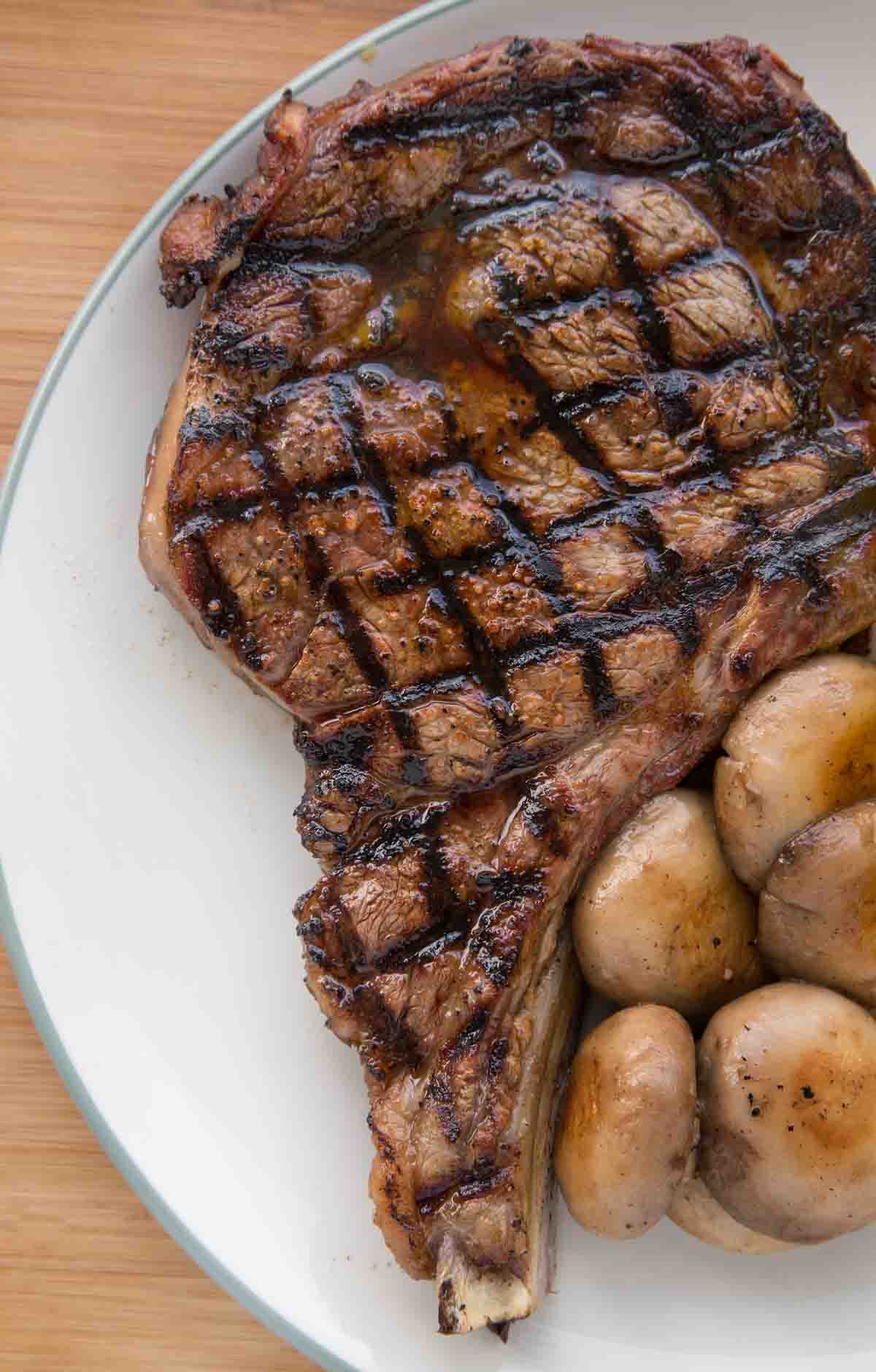
Grilling a ribeye steak on a gas grill can turn an ordinary meal into something unforgettable. You want that perfect sear, juicy center, and mouthwatering flavor every time.
But if you’re unsure where to start or how to get it just right, you’re not alone. This guide will walk you through simple steps to master grilling your ribeye steak with ease. By the end, you’ll know exactly how to impress yourself and your guests with a steak cooked to perfection on your gas grill.
Ready to become the grill master you’ve always wanted to be? Let’s dive in.
Choosing The Right Ribeye
Grilling a ribeye steak on a gas grill starts with picking the right cut. The quality of your steak affects taste and tenderness.
Look closely at the steak before buying to ensure a better grilling experience.
Selecting The Cut
Ribeye steaks come in different thicknesses and styles. Thicker cuts grill more evenly and stay juicy.
Choose a steak about 1 to 1.5 inches thick. This thickness is easy to cook on a gas grill.
- Bone-in ribeye adds flavor but takes longer to cook
- Boneless ribeye cooks faster and is easier to handle
- Look for a firm texture and deep red color
Understanding Marbling
Marbling means the thin white fat lines inside the meat. It helps keep the steak juicy and flavorful.
More marbling usually means a tastier and more tender steak. Look for even fat distribution.
- Fine, thin marbling melts during grilling
- Fat adds richness and moisture to the steak
- Avoid steaks with large chunks of fat only on the edges
Credit: www.askchefdennis.com
Preparing The Steak
Grilling a ribeye steak on a gas grill starts with proper preparation. Getting the steak ready ensures great flavor and texture.
This guide covers key steps to prepare your ribeye before it hits the grill.
Seasoning Essentials
Seasoning brings out the natural flavors of the ribeye. Use simple ingredients for the best taste.
- Start with a good amount of coarse salt
- Add freshly ground black pepper
- Optional: use garlic powder or onion powder for extra flavor
- Lightly coat the steak with olive oil before seasoning
- Press the seasoning gently into the meat to help it stick
Bringing To Room Temperature
Letting the ribeye reach room temperature helps it cook evenly. Cold meat can cook unevenly and stay tough inside.
| Action | Details |
| Remove from fridge | Take the steak out 30 to 60 minutes before grilling |
| Place on plate | Put the steak on a clean plate or tray |
| Cover loosely | Use foil or a kitchen towel to cover the steak |
| Check temperature | The steak should feel cool but not cold to touch |
Setting Up The Gas Grill
Preparing your gas grill properly is key for cooking a perfect ribeye steak. Setting up the grill right helps control the temperature and cooking time. This guide covers how to get your grill ready.
Two important steps are preheating the grill and creating heat zones. Each plays a role in grilling your steak evenly and to your desired doneness.
Preheating The Grill
Preheating warms the grill grates and burns off residue. It also ensures the grill reaches the right temperature for searing.
- Open the lid before turning on the gas.
- Turn all burners to high and ignite the grill.
- Close the lid and let it heat for 10 to 15 minutes.
- Use a grill thermometer to check for 450°F to 500°F.
- Adjust burners if needed to maintain heat.
Creating Heat Zones
Heat zones let you cook your steak with control. A hot zone sears the steak, while a cooler zone finishes cooking.
| Zone | Burner Setting | Purpose |
|---|---|---|
| Direct Heat Zone | High | Sear the steak and create grill marks |
| Indirect Heat Zone | Low or Off | Cook steak gently to desired doneness |

Credit: www.youtube.com
Grilling Techniques
Grilling a ribeye steak on a gas grill needs some key skills. Good techniques bring out the best flavor and texture.
Knowing how to sear and control the heat helps you cook the steak just right. This guide covers those important points.
Searing For Flavor
Searing locks in juices and creates a tasty crust. It gives the steak a rich, smoky flavor and a nice look.
- Preheat the grill to high heat before placing the steak.
- Place the ribeye on the grill and let it cook without moving for 2-3 minutes.
- Flip the steak and sear the other side for another 2-3 minutes.
- Use tongs to turn, avoid piercing the meat to keep juices inside.
Timing And Temperature
Cooking time depends on steak thickness and desired doneness. Watch the temperature to avoid overcooking.
| Doneness | Internal Temperature (°F) | Approximate Grill Time (per side) |
|---|---|---|
| Rare | 125 | 3-4 minutes |
| Medium Rare | 135 | 4-5 minutes |
| Medium | 145 | 5-6 minutes |
| Well Done | 160+ | 7-8 minutes |
Resting The Steak
Resting your ribeye steak after grilling is a key step. It helps keep the steak juicy and tender.
Skipping this step can make the steak lose its delicious flavor and moisture.
Importance Of Resting
Resting allows the steak’s juices to settle inside. When you grill, heat pushes juices to the surface.
If you cut the steak too soon, the juices spill out. This makes the steak dry and less tasty.
- Juices redistribute evenly inside the steak
- The texture becomes more tender
- Steak cools slightly for better eating temperature
- Flavors get more concentrated and rich
How Long To Rest
Resting time depends on the steak size and thickness. Larger steaks need more time.
| Steak Thickness | Rest Time |
| Less than 1 inch | 5 minutes |
| 1 to 1.5 inches | 7 to 10 minutes |
| More than 1.5 inches | 10 to 15 minutes |
Cover the steak loosely with foil. This keeps it warm without steaming the crust.
Serving Suggestions
Grilled ribeye steak is rich and full of flavor. Serving it right makes the meal special.
Choosing the right sides and sauces will enhance your steak experience. Here are some ideas.
Pairing With Sides
Simple sides work best with ribeye steak. They balance the strong meat flavor.
- Grilled asparagus with a touch of lemon
- Roasted garlic mashed potatoes
- Fresh garden salad with vinaigrette
- Sauteed mushrooms in butter
- Steamed green beans with almonds
Choosing The Right Sauce
Sauces add moisture and flavor to the ribeye. Pick one that suits your taste.
| Sauce | Flavor Profile | Best With |
| Chimichurri | Herby and tangy | Grilled vegetables and steak |
| Bearnaise | Rich and buttery | Classic steak pairing |
| Black pepper sauce | Spicy and creamy | Mashed potatoes and steak |
| Red wine reduction | Deep and savory | Roasted sides and steak |
| Garlic butter | Buttery with garlic notes | Almost any side and steak |
Common Mistakes To Avoid
Grilling a ribeye steak on a gas grill can be simple and tasty. Avoiding common mistakes helps you get the best flavor and texture.
Here are two common mistakes that many people make when grilling ribeye steaks and how to avoid them.
Overcooking
Overcooking a ribeye steak makes it dry and tough. This takes away the juicy and tender qualities of the meat.
Use a meat thermometer to check the temperature. Remove the steak from the grill when it reaches 130°F for medium-rare.
- Set grill heat to medium-high
- Grill each side for 4-5 minutes
- Check temperature often
- Rest steak after grilling
Skipping The Resting Phase
Many skip resting the steak after grilling. Resting lets juices spread inside the meat, making it juicy.
Wait 5 to 10 minutes before cutting. This keeps the steak moist and flavorful.
Credit: creators.yahoo.com
Frequently Asked Questions
How Long To Grill A Ribeye Steak On Gas Grill?
Grill ribeye steak for 4-6 minutes per side over high heat. Adjust time for thickness and desired doneness. Use a meat thermometer for precision.
What Gas Grill Temperature Is Best For Ribeye?
Preheat your gas grill to 450-500°F for ribeye steaks. High heat sears the meat, locking in juices and flavor. Maintain steady temperature throughout grilling.
Should I Season Ribeye Before Grilling On Gas Grill?
Yes, season ribeye generously with salt and pepper before grilling. Let it rest at room temperature for 30 minutes. This enhances flavor and ensures even cooking.
How To Check Ribeye Doneness On A Gas Grill?
Use a meat thermometer to check doneness: 130°F for medium-rare, 140°F for medium. Alternatively, use finger test or cut to check inside color.
Conclusion
Grilling a ribeye steak on a gas grill is simple and fun. Start with a good quality steak and a hot grill. Keep an eye on the cooking time to get the perfect doneness. Let the steak rest before cutting to keep it juicy.
Enjoy the rich flavors and tender texture of your grilled ribeye. Practice makes it easier each time. Try different seasonings to find what you like best. A great steak is just a few steps away. Ready to fire up your grill?
