
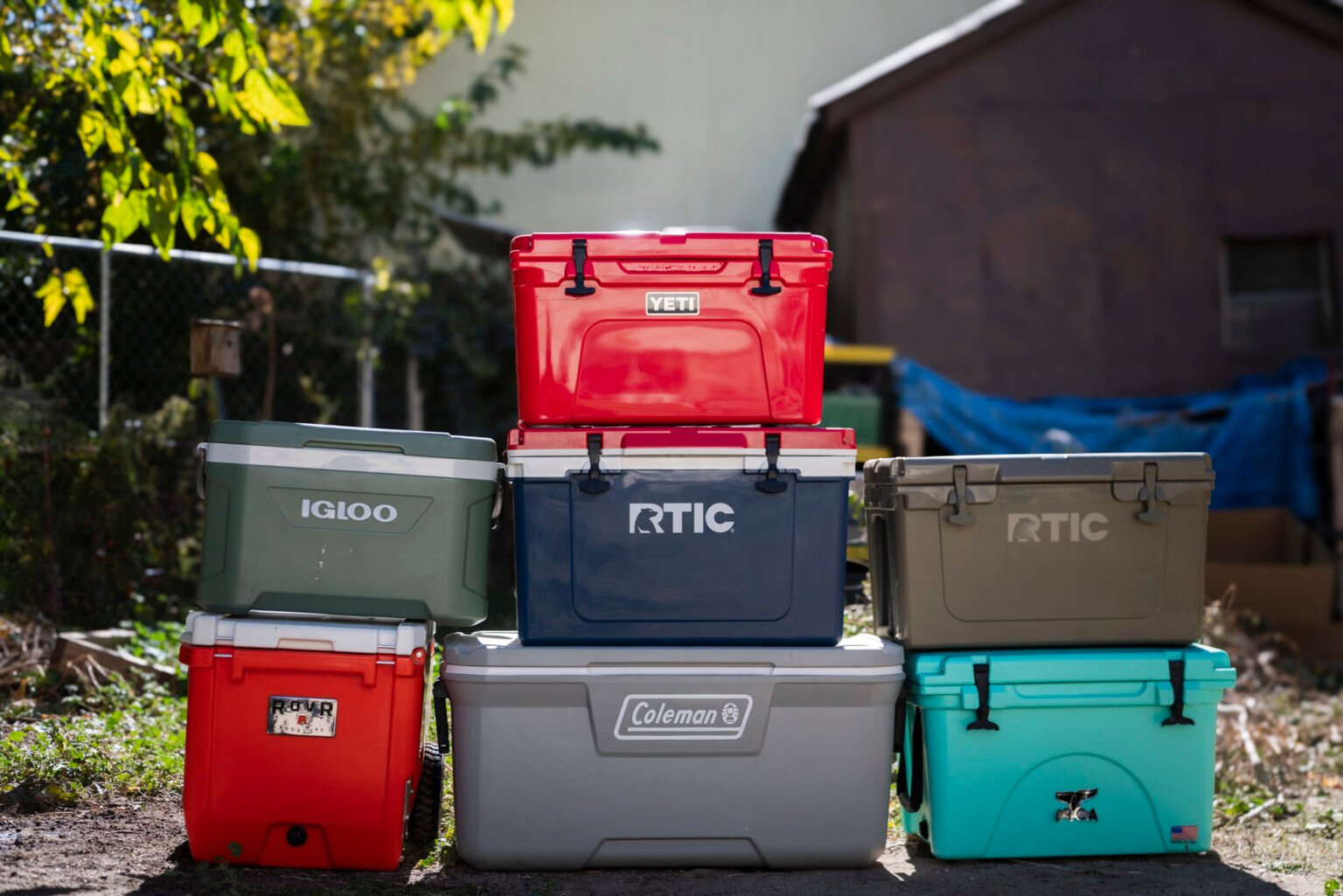
Choosing the right outdoor cooler can make all the difference between a fun, refreshing day and a frustrating, warm mess. You want your drinks and food to stay cold, no matter how long you’re outside.
But with so many options out there, how do you find the one that fits your needs perfectly? This guide will help you cut through the noise and pick an outdoor cooler that matches your lifestyle, budget, and adventures. Keep reading to discover simple tips that will save you time, money, and headaches on your next outdoor trip.

Credit: www.popularmechanics.com
Types Of Outdoor Coolers
Outdoor coolers come in several types, each suited for different needs. Choosing the right type depends on how you plan to use it and where. Understanding the main types helps you pick one that keeps your drinks and food cold for longer.
Hard-sided Coolers
Hard-sided coolers are strong and durable. They have thick insulation that keeps ice frozen for days. These coolers are great for camping, fishing, and long trips. They often have sturdy latches and handles for easy transport.
Soft-sided Coolers
Soft-sided coolers are lightweight and easy to carry. They fold flat when not in use, saving space. These coolers work well for picnics, short trips, and daily use. They usually have pockets for extra storage and shoulder straps for comfort.
Electric Coolers
Electric coolers plug into a power source like a car or home outlet. They keep food cold without ice by using electricity. These coolers are perfect for road trips and tailgating. Some models can also warm food, adding versatility.
Igloo And Styrofoam Coolers
Igloo and styrofoam coolers are affordable and lightweight. Styrofoam offers basic insulation and is easy to carry. Igloo coolers come in various sizes and provide better insulation. These coolers suit short trips and casual use where budget matters.

Credit: permasteel.life
Capacity And Size
Choosing the right capacity and size for your outdoor cooler is key. It affects how much you can store and how easy it is to carry. Picking the right size saves space and keeps your items fresh longer. Think about how many drinks, snacks, or ice you need to keep cool during your trip or event. The cooler should meet your needs without being too big or too small.
Determining Your Storage Needs
Start by estimating what you will store. Count the number of drinks and food items. Consider how long you need to keep them cold. Larger groups or longer trips need bigger coolers. For a picnic, a small cooler may be enough. Write down your needs to compare cooler sizes easily.
Portability Considerations
Think about how you will move the cooler. Some models have wheels or handles to help carry them. Large coolers hold more but can be heavy and hard to lift. Small coolers are easier to carry but hold less. Match the cooler size with how far and often you will carry it.
Balancing Size With Weight
Weight affects how easy the cooler is to transport. A big cooler filled with ice and food can be very heavy. Check the empty weight before buying. Choose a size that balances your storage needs with your strength. Look for lightweight materials if you need to carry the cooler often.
Insulation And Cooling Performance
Choosing the right outdoor cooler depends heavily on insulation and cooling performance. These features keep your food and drinks cold for hours. Good insulation minimizes heat transfer from outside. This helps maintain a low temperature inside the cooler. Cooling performance shows how well the cooler holds ice and cold air. Understanding these factors ensures you pick a cooler that meets your needs.
Types Of Insulation Materials
Insulation materials vary in quality and effectiveness. Common types include:
- Foam insulation:Lightweight and affordable, but less durable.
- Polyurethane foam:Dense and offers excellent thermal resistance.
- Extruded polystyrene:Provides strong insulation and moisture resistance.
- Vacuum insulation panels:High performance but costly and fragile.
Better insulation slows down heat entry, keeping items colder longer.
Ice Retention Times
Ice retention time measures how long ice stays solid inside the cooler. This varies from a few hours to several days. Factors affecting retention include insulation type, cooler thickness, and seal quality. High-end coolers can keep ice for 3 to 7 days. Basic models might only last 12 to 24 hours. Longer ice retention means less need to add ice frequently.
Factors Affecting Cooling Efficiency
Cooling efficiency depends on more than insulation. Important factors include:
- Seal quality:Tight seals stop warm air from entering.
- Cooler thickness:Thicker walls improve insulation.
- External temperature:Hotter weather reduces cooling time.
- Frequency of opening:Opening the cooler often lets cold air escape.
- Pre-cooling items:Cold items help maintain temperature longer.
Understanding these helps you choose a cooler with better performance.

Credit: permasteel.life
Durability And Build Quality
Durability and build quality are key factors to consider when choosing an outdoor cooler. A cooler that lasts through multiple seasons and rough use saves you money and frustration. You want a cooler that stands up to the elements and everyday wear without losing its cooling performance.
Material Strength
The core of a durable cooler lies in its material. Look for thick, heavy-duty plastic or rotomolded construction, which offers excellent toughness. I once had a thin-walled cooler crack after a single drop, but a rotomolded one I bought later survived multiple camping trips without a scratch.
Consider materials that resist dents and cracks. A strong build means your cooler can handle being tossed in a car trunk or dropped on rocky ground.
Resistance To Weather And Impact
Your cooler will face sun, rain, and rough handling outdoors. UV-resistant coatings help prevent plastic from becoming brittle and fading under constant sunlight. Some coolers also offer reinforced corners or impact-absorbing feet to protect against drops and bumps.
Ask yourself: will your cooler sit exposed for days or be stowed away? If it’s the former, prioritize weather resistance to maintain performance and appearance over time.
Ease Of Cleaning
A durable cooler should also be easy to clean. Look for smooth surfaces and removable parts that let you wipe away dirt and spills quickly. I found that coolers with wide drain plugs and detachable lids make cleanup after a messy barbecue much simpler.
Check if the cooler has antimicrobial lining or coatings to reduce odors and mold growth. Keeping your cooler fresh is as important as keeping it tough.
Convenience Features
Convenience features make an outdoor cooler easier to use and carry. These small details improve your experience during trips, picnics, or parties. Choosing the right features saves time and effort.
Handles And Wheels
Strong handles help you carry the cooler comfortably. Look for coolers with wide, sturdy grips. Wheels are useful for heavy coolers, making transport smooth on rough paths. Some coolers have telescoping handles for easy pulling.
Drain Plugs And Lids
Drain plugs let you empty melted ice without lifting the cooler. A good drain plug is leak-proof and easy to open. Lids should fit tightly to keep cold air inside. Some lids come with locks or clips for extra security.
Additional Storage And Compartments
Extra compartments hold small items like bottle openers or napkins. Side pockets or trays provide quick access to snacks. Some coolers have built-in cup holders or cutting boards. These features keep everything organized and within reach.
Price And Warranty
Price and warranty are key factors in choosing the right outdoor cooler. They affect your initial cost and long-term satisfaction. Understanding these elements helps pick a cooler that fits your needs and budget.
Budget Vs Premium Options
Outdoor coolers come in a wide price range. Budget models offer basic cooling and fewer features. They suit casual users or short trips. Premium coolers have better insulation and durability. They keep ice longer and handle rough conditions. These options are ideal for frequent use or long outings.
- Budget coolers cost less but may wear out faster.
- Premium coolers cost more but last longer and perform better.
- Choosing depends on how often and where you plan to use it.
Warranty Coverage
Warranty shows the manufacturer’s confidence in their product. It protects against defects and damage for a set time. Check the length and what the warranty covers. Some cover parts and labor, others only parts. A good warranty reduces repair costs and gives peace of mind.
- Look for warranties lasting at least one year.
- Read the fine print to understand coverage limits.
- Consider brands with solid customer support.
Long-term Value
Long-term value depends on price, durability, and warranty. A cheaper cooler may need replacing sooner. A quality cooler lasts longer and keeps ice better. This saves money over time and avoids frustration. Factor in repair costs and how often you use the cooler.
| Aspect | Budget Cooler | Premium Cooler |
|---|---|---|
| Initial Cost | Low | High |
| Durability | Moderate | High |
| Ice Retention | Short | Long |
| Warranty | Basic | Comprehensive |
Best Cooler Brands
Choosing the best cooler brand can make a huge difference in your outdoor experience. The right brand combines durability, insulation, and convenience, ensuring your drinks stay cold and your food fresh. Knowing which brands consistently deliver quality helps you invest in a cooler that lasts through many adventures.
Top Rated Brands
Some brands stand out because they are trusted by outdoor enthusiasts worldwide. Yeti, Coleman, and Igloo often top the list for their reliable performance. Yeti coolers, for instance, are known for their rugged build and excellent ice retention, perfect for long trips.
Coleman offers affordable options that don’t sacrifice quality, making them a favorite for casual users. Igloo balances price and functionality, offering a wide range of sizes and styles. Have you checked if your preferred brand fits your specific needs, like size or portability?
Customer Reviews
Reading customer reviews gives you real-world insights beyond marketing claims. Many buyers praise Yeti for its toughness but mention the higher price. On the other hand, Coleman users highlight great value but sometimes note less insulation performance.
Reviews often reveal hidden pros and cons, such as how easy a cooler is to carry or clean. Don’t just look at the rating; read the detailed comments to understand how the cooler performs in different conditions. What issues do you find unacceptable, and which features are deal breakers for you?
Brand Reputation
A strong brand reputation usually means consistent quality and good customer support. Yeti, for example, has built a reputation for innovation and durability, which justifies its premium price for many buyers. Coleman’s reputation is built on accessibility and reliability, making it a go-to for families and casual campers.
Brands with solid reputations often back their products with warranties and responsive service. This can save you headaches if your cooler ever fails. Are you willing to pay more for a brand that stands behind its product, or do you prefer budget-friendly options with less guarantee?
Maintenance Tips
Keeping your outdoor cooler in top shape is easier than you might think. Proper maintenance not only extends its life but also ensures it works efficiently every time you need it. Let’s look at practical tips to keep your cooler clean, fresh, and ready for any adventure.
Cleaning Methods
Regular cleaning prevents dirt buildup and keeps your cooler smelling fresh. Use a mild soap mixed with warm water and a soft cloth to wipe down both the inside and outside. Avoid harsh chemicals that might damage the cooler’s surface or insulation.
For tough stains or sticky residue, a paste made from baking soda and water works wonders. Apply it gently with a sponge, then rinse thoroughly. Remember to clean the drain plug area carefully, as this spot often collects grime.
Storage Advice
Where and how you store your cooler affects its longevity. Always dry your cooler completely before storing it to stop mold growth. Leaving the lid slightly open helps air circulate inside and prevents moisture buildup.
Choose a cool, shaded place for storage to avoid warping or fading from direct sunlight. If you store your cooler outdoors, consider covering it with a breathable tarp to protect it from dust and rain.
Preventing Odors And Mold
Odors and mold can ruin your cooler experience fast. After each use, rinse out any leftover liquids and dry the interior thoroughly. Sprinkle a little baking soda inside the cooler and leave it open overnight to absorb lingering smells.
Have you ever opened your cooler to a musty smell? That’s mold starting to grow. To prevent this, wipe down the interior with a solution of vinegar and water once a month. This simple step keeps your cooler fresh and ready for your next outing.
Frequently Asked Questions
What Factors Should I Consider When Choosing An Outdoor Cooler?
Consider size, insulation quality, portability, and durability. Check cooling duration and ease of cleaning. Match the cooler to your activity and storage needs for best results.
How Important Is Insulation In An Outdoor Cooler?
Insulation keeps your items cold longer by reducing heat transfer. High-quality insulation enhances cooling efficiency and extends ice retention, making it a key factor in cooler performance.
Which Outdoor Cooler Type Is Best For Camping?
Rotomolded coolers are ideal for camping due to durability and superior ice retention. They handle rough terrain well and keep contents cold for several days.
How Do I Maintain And Clean An Outdoor Cooler?
Clean with mild soap and water after each use. Avoid harsh chemicals. Dry thoroughly to prevent mold and odors. Regular maintenance extends the cooler’s lifespan.
Conclusion
Choosing an outdoor cooler doesn’t have to be hard. Consider size, insulation, and portability. Think about your specific needs. Will you camp, picnic, or host a party? Each activity may require a different cooler. Check the cooler’s ice retention capability.
It should match the duration of your outings. Quality materials last longer and protect your food. Look for easy-to-carry designs. Handles and wheels make a difference. Don’t forget the budget. Balance quality with cost. With these tips, you’ll find the right cooler for your adventures.
Enjoy the outdoors with confidence and comfort.
