

Are you dreaming of transforming your backyard into the ultimate gathering spot? An outdoor kitchen island could be the game-changer you need.
But with so many options out there, how do you pick the perfect one for your space and lifestyle? This guide will help you cut through the noise and choose an outdoor kitchen island that fits your needs, looks great, and makes your outdoor cooking effortless.
Keep reading to discover the key factors that will make your decision easy and your backyard unforgettable.
Benefits Of An Outdoor Kitchen Island
An outdoor kitchen island offers many benefits for your home and lifestyle. It creates a great space for cooking, dining, and socializing outdoors. This addition can improve your backyard’s function and appeal. It also brings convenience and style to your outdoor living area. Here are some key benefits of adding an outdoor kitchen island.
Enhancing Outdoor Entertaining
An outdoor kitchen island makes hosting guests easier and more fun. It provides a central spot for food preparation and serving. Guests can gather around the island, making conversations flow naturally. The island can include seating, creating a casual dining area. It keeps the cook involved in the party, not isolated inside the house.
Boosting Property Value
Adding an outdoor kitchen island increases your home’s market appeal. It is seen as a valuable upgrade by buyers. This feature can set your property apart in a competitive market. Well-built islands with quality materials show care and investment in the home. This improvement often leads to a higher resale price.
Expanding Cooking Space
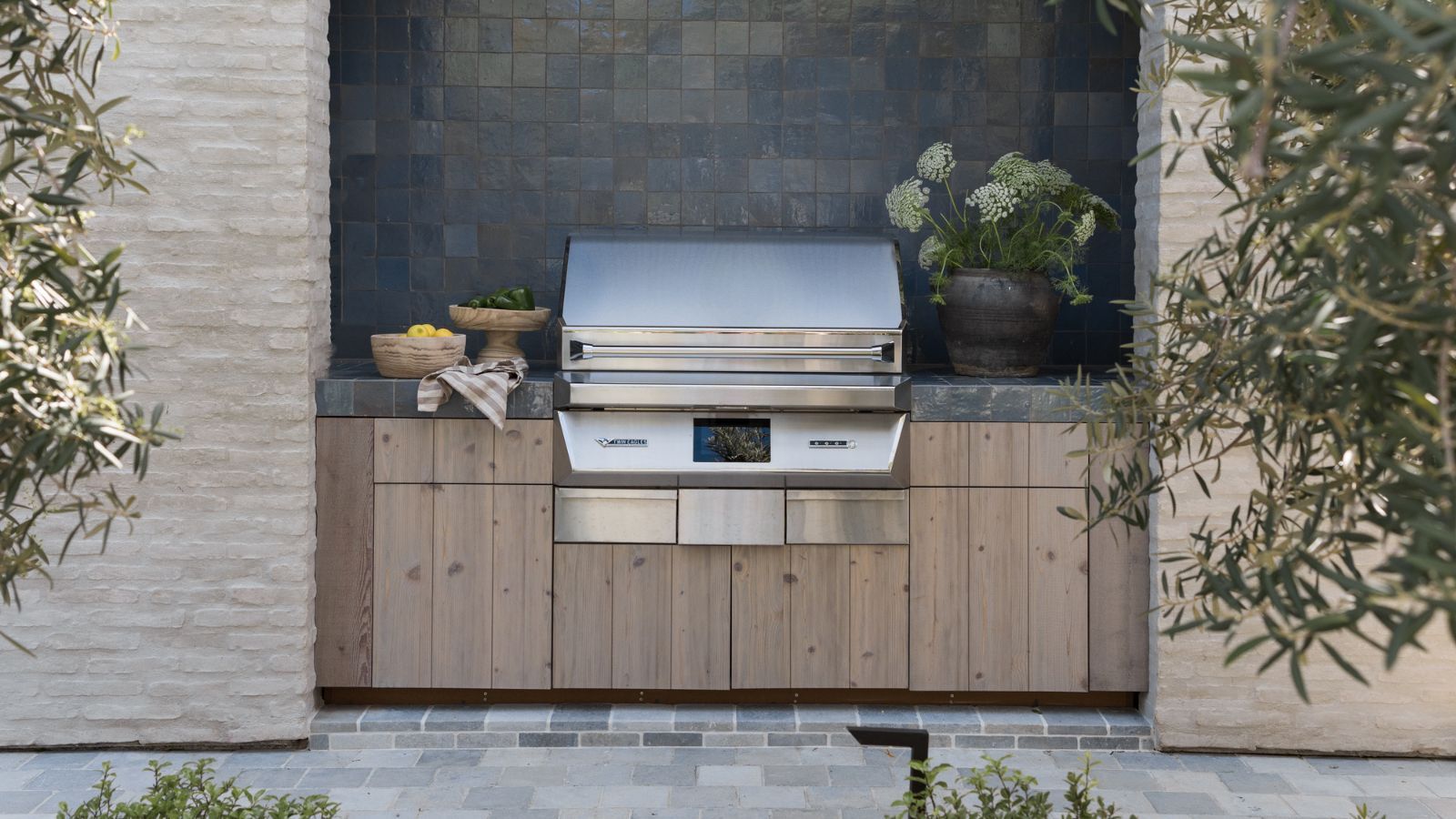
An outdoor kitchen island expands your cooking area beyond the indoors. It offers more surface space for chopping, mixing, and plating meals. You can include extra appliances like grills, sinks, or refrigerators. This setup makes outdoor cooking more efficient and enjoyable. It helps keep indoor kitchens less crowded during large gatherings.
Credit: www.homesandgardens.com
Selecting The Right Location
Choosing the perfect spot for your outdoor kitchen island shapes your cooking and social experience. The location affects comfort, convenience, and safety. It must suit your lifestyle and outdoor space.
Considering Sun And Shade
Check the sun path and shade areas throughout the day. Too much sun can make cooking uncomfortable. Shade helps keep the area cool and pleasant. Trees, pergolas, or umbrellas can provide natural or artificial shade. Consider morning sun for breakfast or evening shade for dinner. Balance light and shade to enjoy your outdoor kitchen all day.
Proximity To Indoor Kitchen
Place the island near your indoor kitchen for easy access. It saves time moving food, tools, and dishes. A close location also simplifies cleaning and storage. Avoid placing it too far to prevent carrying heavy items outside. Yet, keep enough distance to avoid smoke or heat entering your home. Think about the flow between indoor and outdoor cooking areas.
Access To Utilities
Plan for water, electricity, and gas connections. Your island needs power for grills, lights, and appliances. Water access helps with cleaning and washing. Gas supply is essential for cooking appliances. Check local codes for safe installation. Ensure utility lines are easy to connect and maintain. Good utility access makes your outdoor kitchen functional and safe.
Choosing Durable Materials
Choosing durable materials for your outdoor kitchen island is key to making sure it stands up to the elements and daily use. You want surfaces and structures that don’t just look good but also last long without constant repairs or replacements. Thinking about durability now saves you time, money, and frustration later.
Weather-resistant Countertops
Countertops face the most wear and tear in an outdoor kitchen. Materials like granite, concrete, and stainless steel handle sun, rain, and temperature changes well. Granite, for instance, resists heat and scratches, making it a favorite for many.
Have you considered how your countertop will perform during a heavy rain or scorching summer day? Avoid porous stones like marble unless they’re sealed properly, as they can absorb moisture and stain easily. A countertop that stays strong and beautiful means you can focus on cooking, not maintenance.
Sturdy Cabinet Options
Cabinets need to be tough enough to hold your tools and supplies without warping or rotting. Look for materials such as marine-grade polymer, stainless steel, or treated wood designed for outdoor use. Marine-grade polymer cabinets are a personal favorite because they resist moisture and pests effortlessly.
Think about the climate where you live. If you face high humidity or heavy rain, wood might not be the best choice unless it’s properly sealed. Steel cabinets offer great durability but check if they have a powder-coated finish to prevent peeling and rust.
Rust-proof Hardware
The hardware on your outdoor kitchen island, like hinges, handles, and screws, gets constant exposure to weather. Rust-proof options made from stainless steel or brass perform well in outdoor environments. Stainless steel is widely available and offers a sleek, modern look that matches many designs.
What happens if your hardware starts to rust? It can jam doors, weaken structures, and look unsightly. Investing in rust-proof hardware ensures smooth operation and keeps your kitchen island looking sharp year-round.

Credit: woodlarkgardenluxury.co.uk
Essential Features To Include
Choosing the right features for an outdoor kitchen island makes cooking and entertaining easier. Focus on elements that improve function and comfort. These essentials create a practical and inviting space outdoors.
Built-in Grill And Appliances
A built-in grill is the heart of any outdoor kitchen island. Choose a grill that fits your cooking style and family size. Adding appliances like a mini fridge, sink, or smoker enhances convenience. These tools keep everything within reach and ready to use.
Ample Storage Solutions
Storage is vital for keeping your outdoor kitchen organized. Include cabinets and drawers to hold utensils, dishes, and grilling tools. Weatherproof materials protect your items from rain and sun. Good storage helps maintain a clean and tidy cooking area.
Comfortable Seating Arrangements
Seating invites guests to relax and socialize while you cook. Bar stools or benches around the island create a cozy gathering spot. Choose weather-resistant furniture with cushions for added comfort. Seating encourages longer, enjoyable outdoor meals and parties.
Design Styles To Match Your Space
Choosing the right design style for your outdoor kitchen island creates harmony with your outdoor space. It reflects your taste and complements the surrounding decor. Picking a style that fits your area makes the space inviting and functional.
Consider the overall look of your yard or patio. Think about the materials, colors, and shapes that will blend well. The style you choose sets the tone for your outdoor cooking and dining experience.
Modern Minimalist
Modern minimalist design focuses on clean lines and simple shapes. It uses neutral colors like black, white, or gray. Materials such as stainless steel and concrete give a sleek look.
This style fits well in small or urban spaces. It keeps the area neat and uncluttered. Built-in appliances and hidden storage add to the smooth design.
Rustic Charm
Rustic charm brings warmth with natural materials like wood and stone. Earthy tones like brown, beige, and green create a cozy feeling. Rough textures and handcrafted details add character.
This style suits countryside or garden settings. It feels inviting and blends easily with nature. Open shelves and vintage accessories enhance the rustic look.
Mediterranean Vibes
Mediterranean style features bright colors and ornate details. Terracotta tiles, wrought iron, and mosaic patterns give it a lively look. Warm shades of red, orange, and blue create a festive mood.
This design works well in sunny, coastal areas. It brings a relaxed, holiday-like atmosphere. Curved shapes and decorative lighting add charm and elegance.

Credit: earthworks-landscaping.ca
Budgeting For Your Outdoor Kitchen Island
Budgeting for your outdoor kitchen island is a crucial step that shapes the entire project. It helps you set clear expectations and avoid overspending. Without a solid budget, you might find yourself cutting corners or disappointed with the final result.
Cost Breakdown
Understanding where your money goes is key. The main expenses usually include the island structure, countertop, appliances, and installation.
- Island structure:Materials like brick, stone, or stainless steel affect costs.
- Countertop:Choices range from affordable concrete to pricier granite or quartz.
- Appliances:Grills, refrigerators, sinks, and lighting add up quickly.
- Installation:Labor can be significant, especially with plumbing or electrical work.
Have you checked local prices for materials and labor? Gathering multiple quotes gives you a realistic picture.
Balancing Quality And Price
It’s tempting to go for the cheapest options, but quality matters for durability and enjoyment. A well-built island lasts longer and needs fewer repairs.
Think about what you use most. If grilling is your passion, invest in a quality grill. For occasional use, a simpler setup might work better.
Don’t hesitate to mix high-end appliances with budget-friendly materials. This balance can save money without sacrificing performance.
Planning For Future Upgrades
Your budget shouldn’t limit your vision. Design your island with upgrades in mind, like adding a smoker or a pizza oven later.
Leaving extra space or wiring for future appliances can save money and hassle down the road.
Ask yourself: what features might you want in five years? Planning ahead keeps your outdoor kitchen flexible and enjoyable for years to come.
Maintenance Tips For Longevity
Maintaining your outdoor kitchen island extends its life and keeps it looking great. Regular care prevents damage and costly repairs. Simple habits protect your investment and ensure it stays functional.
Cleaning And Sealing Surfaces
Clean surfaces often with mild soap and water. Avoid harsh chemicals that can cause stains or damage. Use a soft cloth or sponge to prevent scratches.
Seal stone, concrete, and wood surfaces to block moisture and stains. Apply sealant every 6 to 12 months depending on use. Proper sealing keeps surfaces smooth and resistant to spills.
Protecting Against Weather Damage
Cover your kitchen island when not in use. Use weatherproof covers to guard against rain, sun, and snow. This reduces fading and rust.
Place the island in a shaded area if possible. Shade limits sun damage and overheating. Strong winds can also harm loose parts; secure them well.
Routine Inspections
Check the island regularly for cracks, rust, or loose fittings. Early detection stops small issues from growing. Tighten screws and bolts to keep everything stable.
Look for signs of mold or mildew on surfaces and under the island. Clean and dry these areas immediately. Routine care keeps your kitchen safe and attractive.
Frequently Asked Questions
What Size Outdoor Kitchen Island Should I Choose?
Choose an island size based on your available space and cooking needs. Measure your outdoor area carefully. Consider enough countertop space for prep and serving. Include room for appliances and seating if desired. Ensure comfortable movement around the island.
Which Materials Are Best For Outdoor Kitchen Islands?
Select weather-resistant materials like stainless steel, stone, or concrete. These materials withstand outdoor elements well. They also require low maintenance and resist rust or fading. Choose materials that match your outdoor décor style.
How Do I Plan The Layout For An Outdoor Kitchen Island?
Plan a functional layout by grouping cooking, prep, and serving zones. Ensure easy access to appliances and storage. Allow enough space for guests to move freely. Incorporate seating if you want a social cooking experience.
What Appliances Should I Include In My Outdoor Kitchen Island?
Include essentials like a grill, sink, and refrigerator. Add extras like a pizza oven or smoker if space allows. Choose appliances designed for outdoor use. Make sure they fit your cooking style and budget.
Conclusion
Choosing the right outdoor kitchen island enhances your outdoor space. Consider your cooking style and space available. Think about materials that withstand weather. Don’t forget storage for utensils and ingredients. Budget wisely for quality and durability. Consult professionals if unsure about design or installation.
Enjoy the process of creating your perfect outdoor kitchen. It’s an investment in your home’s value and your lifestyle. Whether for entertaining guests or family gatherings, a well-chosen island transforms your backyard into a culinary haven. Make your outdoor dining experiences memorable and delightful.
Happy cooking!
