
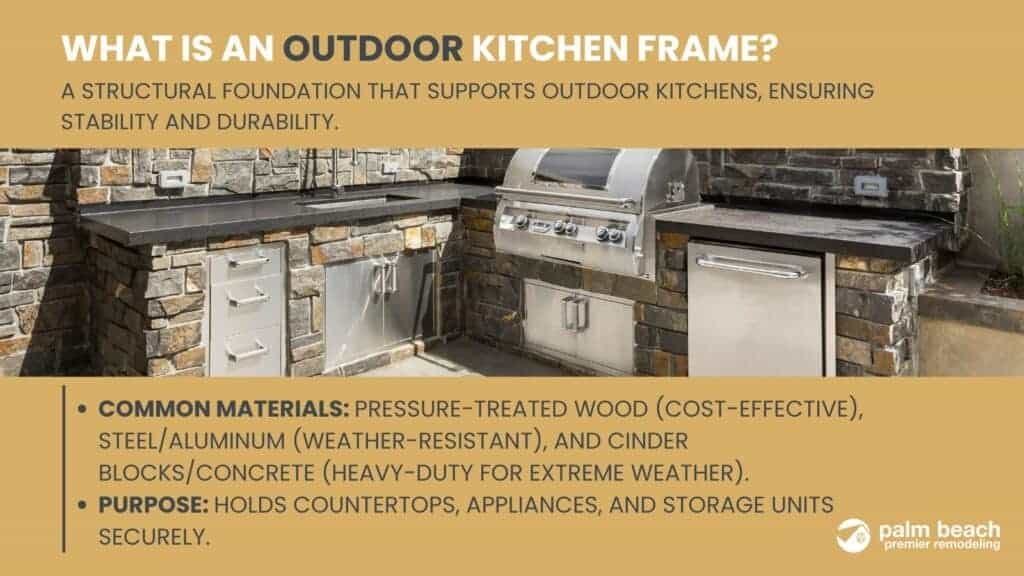
Are you dreaming of an outdoor kitchen island that stands strong, looks great, and fits your budget? Building one with concrete blocks might be the easiest and smartest way to make that dream come true.
Imagine having a sturdy, stylish spot right in your backyard where you can cook, entertain, and enjoy fresh air with friends and family. In this guide, you’ll discover simple, step-by-step instructions to create your own outdoor kitchen island using concrete blocks—no special skills needed.
Ready to turn your outdoor space into the ultimate gathering place? Keep reading, and let’s get started!

Credit: www.bbq-brethren.com
Planning Your Outdoor Kitchen Island
Planning your outdoor kitchen island is the foundation of a successful build. Taking the time to carefully consider location, layout, and materials can save you from costly mistakes and frustration later on. Let’s break down the key steps to set you up for a smooth construction process.
Choosing The Right Location
Pick a spot that fits your lifestyle and how you want to use your kitchen island. Think about proximity to your indoor kitchen for easy access to supplies and cleanup. Also, consider shade and shelter—do you want it under a tree or a pergola?
Check the ground for levelness. A flat surface makes building with concrete blocks easier and ensures stability. If your yard slopes, you might need to create a level base first.
Measuring And Designing The Layout
Measure your available space carefully before drawing any plans. You don’t want your island to crowd your patio or block walkways. Use graph paper or a design app to sketch out the dimensions.
Think about the functions you want: cooking area, countertop space, storage, or seating. A good rule is to allow at least 36 inches of countertop depth for prep and 42 inches height for comfortable cooking.
Ask yourself: How many people will use the space at once? This helps determine the island’s size and shape. Keep in mind enough room for appliances and seating if you want guests to gather around.
Selecting Materials And Tools
Concrete blocks are sturdy and affordable, but you’ll need the right types. Choose blocks designed for outdoor use and consider their size to fit your design. Don’t forget mortar, reinforcing bars, and a strong foundation mix.
Gather essential tools like a trowel, level, masonry saw, and mixing bucket. Having everything ready before you start prevents delays and keeps the project moving smoothly.
Think about finishes too. Will you leave blocks exposed for a rustic look or cover with stucco or tiles? This choice affects the tools and materials you’ll need later on.

Credit: woodlarkgardenluxury.co.uk
Preparing The Site
Preparing the site is the first key step in building your outdoor kitchen island with concrete blocks. A well-prepared site ensures stability and durability. It sets the foundation for a smooth building process and a long-lasting structure.
Clearing And Leveling The Ground
Start by removing all plants, rocks, and debris from the area. Clear the space until only bare soil remains. Use a shovel or rake to even out the ground. Check for any slopes or uneven spots. Level the ground by adding or removing soil. A flat surface helps keep the blocks steady and aligned.
Creating A Stable Base
Compact the soil to prevent shifting or sinking. Use a hand tamper or plate compactor for better results. Next, add a layer of gravel or crushed stone, about 4 inches thick. This layer improves drainage and stability. Spread it evenly and compact it well. A stable base supports the weight of the concrete blocks and your kitchen appliances.
Marking The Foundation Area
Use stakes and string to outline the kitchen island’s shape and size. Measure carefully to match your design plan. Double-check all dimensions before proceeding. Mark corners clearly for precise block placement. This guide helps keep the structure straight and balanced. Accurate markings prevent mistakes during construction and save time.
Building The Concrete Block Structure
Building the concrete block structure is the backbone of your outdoor kitchen island. A sturdy base ensures your entire setup stays solid through weather changes and heavy use. Getting this foundation right means your island will not only look great but last for years.
Mixing And Pouring The Mortar
Start by preparing the mortar mix with the right ratio of cement, sand, and water. Aim for a consistency that’s thick but spreadable—too runny and it won’t hold the blocks well, too dry and it won’t bond properly.
Mix small batches to keep the mortar fresh and workable. Pour it directly onto your foundation where the blocks will sit. This step sets the stage for a strong, level base.
Laying The First Course Of Blocks
Place the first row of concrete blocks carefully, making sure they are perfectly level and aligned. This is crucial because any mistake here will affect the entire structure.
Use a level tool often and tap the blocks gently with a rubber mallet to adjust their position. Don’t rush—this base layer carries the weight of everything above it.
Stacking Blocks And Reinforcement
Stack each subsequent course with staggered joints, like bricks, to improve strength. Apply mortar between each block, wiping away any excess to keep the surface clean.
To reinforce the structure, insert steel rebar vertically through the hollow cores of some blocks. Then, fill those cores with concrete or mortar for added durability. This reinforcement is what keeps your island solid during heavy use or in strong winds.
Creating Openings For Appliances
Plan and leave spaces in your block layout for appliances like grills, refrigerators, or sinks. Measure these openings precisely to ensure your appliances fit snugly.
You can create these gaps by skipping blocks or cutting blocks to size. Remember, it’s easier to adjust block placement now than to modify appliances later. Have you considered how much space you really need for each appliance?
Installing The Countertop
Installing the countertop on your outdoor kitchen island is a critical step that brings the entire project together. It not only defines the look but also affects the durability and functionality of your kitchen space. Paying attention to material choice, precise measurements, and proper securing methods ensures your countertop will serve you well for years to come.
Choosing Countertop Materials
Picking the right material for your countertop depends on how you plan to use your kitchen island and the weather conditions it will face. Concrete is a popular choice because it’s durable, heat-resistant, and matches the concrete block base perfectly. However, you might also consider natural stone like granite or slate for a more polished look.
Think about maintenance too—some materials need sealing or special cleaning, while others are nearly maintenance-free. Ask yourself: Do you want a smooth surface for easy cleaning or something textured to hide wear and tear?
Measuring And Cutting The Countertop
Accurate measurements are key to a seamless fit. Measure the length and width of the concrete block base carefully, allowing for any overhang you want on the edges. Overhangs of 1 to 2 inches look great and provide extra space without compromising stability.
Cutting the countertop material can be tricky depending on what you choose. For concrete, you’ll need a wet saw with a diamond blade to get clean edges. If you’re using stone, consider hiring a professional if you’re not comfortable with heavy-duty tools—this part can make or break your project.
Securing The Countertop To The Base
Once your countertop is in place, securing it properly prevents shifting and damage. Use a strong adhesive like construction-grade epoxy or a mortar mix designed for outdoor use. Apply it evenly between the blocks and the countertop, then press down firmly.
Adding mechanical fasteners like stainless steel anchors or rebar can give extra security, especially if you live in a windy area. Have you thought about how your countertop will handle heavy use or possible impacts? Taking a few extra minutes to secure it right saves headaches later.
Adding Functional Elements
Adding functional elements transforms a simple concrete block kitchen island into a useful outdoor cooking space. These features improve convenience and efficiency for outdoor meals. Focus on plumbing, cooking appliances, and storage to create a practical setup.
Installing A Sink And Plumbing
A sink adds water access for washing and food prep outdoors. Choose a durable stainless steel sink that fits your island’s design. Connect to an outdoor water line for fresh water supply and proper drainage.
Use weather-resistant pipes and fittings to prevent leaks. Plan plumbing routes carefully to avoid future repairs. A faucet with a spray hose enhances cleaning tasks.
Incorporating Grill And Appliances
Select a grill that suits your cooking style and island size. Built-in gas or charcoal grills fit well within concrete block frames. Leave space for side burners or warming trays if desired.
Other appliances like refrigerators or pizza ovens add value. Ensure each appliance has proper ventilation and electrical supply. Consider covers to protect from weather when not in use.
Adding Storage And Shelving
Storage keeps tools and supplies organized and close at hand. Build shelves using concrete blocks and wood or metal planks. Include cabinets or drawers with weatherproof doors for extra protection.
- Store grilling tools, utensils, and cleaning supplies.
- Keep plates, napkins, and condiments nearby.
- Use hooks for hanging pots and pans.
Design shelves at convenient heights for easy access. This setup makes cooking smoother and outdoor gatherings more enjoyable.
Finishing Touches
Finishing touches bring your outdoor kitchen island to life. They protect the structure and enhance its look. Small details make your space inviting and durable. Focus on sealing, painting, and lighting for a polished result.
Sealing And Waterproofing
Concrete blocks absorb water, causing damage over time. Apply a quality sealant to block moisture and stains. Use a waterproofing product made for outdoor concrete. Reapply every few years to keep the blocks strong. Proper sealing prevents cracks and mold growth.
Painting Or Staining Concrete Blocks
Painting or staining adds color and style to your island. Choose paint or stain designed for masonry surfaces. Stain keeps the natural texture of the blocks visible. Paint offers more color options and coverage. Both protect blocks from weather effects and fading.
Decorative Elements And Lighting
Add personality with decorative touches like tile accents or stone veneers. These elements create visual interest and match your outdoor theme. Install outdoor-rated lights for safety and ambiance. Use LED strips, lanterns, or spotlights to highlight key areas. Good lighting extends use into the evening.
Maintenance Tips
Maintaining your outdoor kitchen island made of concrete blocks ensures it stays functional and visually appealing for years. Neglecting simple upkeep can lead to costly repairs and affect your cooking experience. Here are some practical maintenance tips that you can easily apply to keep your concrete surface in great shape.
Cleaning The Concrete Surface
Regular cleaning prevents dirt buildup and stains on your concrete blocks. Use a mild detergent mixed with water and a soft brush to scrub the surface gently. Avoid harsh chemicals that can damage the concrete or the sealant you’ve applied.
Rinse thoroughly with a hose after scrubbing, and let the surface dry completely. If you notice stubborn stains, a mixture of baking soda and water can work as a natural cleaner without harming the concrete.
Checking For Structural Issues
Inspect your outdoor kitchen island periodically for cracks or loose blocks. Small cracks can expand over time if left unattended, potentially compromising the structure’s stability.
Touch up minor cracks with a concrete patching compound to keep moisture out. If you find any blocks shifting or loose, reset them with fresh mortar to maintain a solid foundation.
Seasonal Care And Protection
Think about the weather your outdoor kitchen faces throughout the year. In colder climates, freeze-thaw cycles can cause concrete to crack if it’s not properly sealed.
Apply a weather-resistant sealant before winter to protect the surface. During rainy seasons, check drainage around your island to prevent water pooling, which can erode the base and damage the blocks.

Credit: flameauthority.com
Frequently Asked Questions
What Materials Are Needed To Build A Concrete Block Kitchen Island?
You need concrete blocks, mortar, rebar, a concrete countertop, and finishing materials. Tools like a trowel and level are essential for construction.
How Long Does It Take To Build An Outdoor Kitchen Island?
Building usually takes 2 to 4 days, depending on skill level and drying times. Planning and preparation can extend the timeline.
Can I Customize The Design Of A Concrete Block Island?
Yes, concrete blocks offer flexibility. You can create shapes, sizes, and add features like shelves or built-in grills.
Is A Concrete Block Kitchen Island Durable Outdoors?
Concrete blocks are highly durable and weather-resistant. Proper sealing and maintenance increase their lifespan in outdoor environments.
Conclusion
Building an outdoor kitchen island with concrete blocks is simple and rewarding. It adds value and functionality to your outdoor space. With basic tools and materials, you can create a durable structure. Concrete blocks offer stability and a modern look.
Plus, they are budget-friendly. Customize your island with countertops and storage. Enjoy cooking and entertaining outdoors with ease. Follow the steps, and soon you’ll have a perfect outdoor kitchen. Start planning your project today and transform your backyard. Have fun and make it uniquely yours.
Happy building!
