

Are you tired of hunting for your utensils while prepping meals? Adding a utensil holder to your prep table can change the way you cook—making your workspace more organized and your cooking flow smoother.
Imagine having all your essential tools within arm’s reach, saving you time and frustration. You’ll discover simple, step-by-step ways to attach a utensil holder to your prep table—no expert skills needed. Keep reading, and you’ll soon enjoy a kitchen setup that works as hard as you do.

Credit: www.reddit.com
Choosing The Right Utensil Holder
Choosing the right utensil holder is more than just picking a container—it’s about enhancing your kitchen workflow. The holder you select affects how easily you can access your tools and how well they stay organized during busy prep times. Think about your daily cooking habits and what will make your prep table more functional and visually appealing.
Material Options
Utensil holders come in various materials, each with unique benefits. Stainless steel is durable and easy to clean, perfect if you want a sleek, modern look. Ceramic holders add charm but can chip if dropped, while bamboo offers a natural feel and is eco-friendly.
Consider how often you cook and clean. If your kitchen gets a lot of moisture or spills, a water-resistant material like stainless steel or plastic might serve you better. What material feels right for your kitchen’s vibe and practical needs?
Size And Capacity
Size matters because your utensil holder needs to fit your collection without cluttering the prep table. A small holder might work if you only use a few tools regularly. But if your kitchen arsenal is large, opt for a bigger holder or one with compartments.
Think about the types of utensils you use most often. Do you need extra space for large items like ladles and spatulas? Selecting the right size helps keep your workspace tidy and efficient.
Design And Style
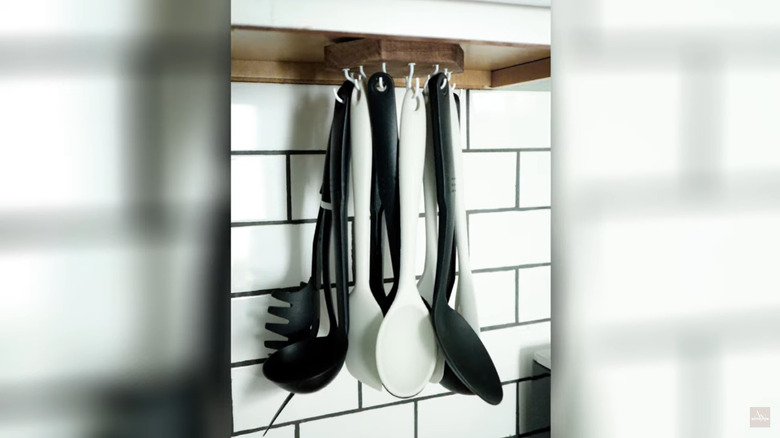
The design of your utensil holder influences both function and kitchen aesthetics. Simple, open designs make grabbing tools quick and easy. Closed or divided holders help keep different types of utensils separated, reducing clutter.
Match the holder’s style with your kitchen décor—whether it’s rustic, modern, or industrial. Would a colorful holder brighten your space or would a minimalist design keep your prep table looking clean? Your choice can add personality while serving a purpose.
Credit: www.tastingtable.com
Selecting A Suitable Prep Table
Selecting the right prep table is essential before adding a utensil holder. The table must support your kitchen tasks comfortably. Choosing the best surface, size, and strength ensures your workspace stays efficient and organized. Consider the table’s material, layout fit, and how much weight it can hold.
Table Surface Material
Choose a surface that is easy to clean and durable. Stainless steel is common because it resists stains and scratches. Wood offers a warm look but needs more care. Plastic or laminate surfaces are budget-friendly and simple to maintain. The surface must handle daily chopping and food prep without damage.
Space And Layout Considerations
Measure your kitchen space to find a table that fits well. Leave room around the table for movement and utensil access. The prep table should not block walkways or appliances. Think about where the utensil holder will attach and keep tools within reach. A good layout speeds up cooking and keeps the area tidy.
Weight Capacity
Check the table’s weight limit to avoid damage. Heavy pots and utensils need strong support. Ensure the table frame is sturdy and stable. Tables with reinforced legs and thick surfaces usually hold more weight. The utensil holder also adds some load, so factor that into the total weight.
Tools And Materials Needed
Gathering the right tools and materials makes installing a utensil holder on your prep table easier. Preparation saves time and reduces frustration. Having everything ready helps you work safely and efficiently.
Basic Tools
- Drill with drill bits
- Screwdriver (Phillips and flathead)
- Measuring tape or ruler
- Pencil for marking
- Level to ensure straight placement
- Clamps to hold the holder in place
Mounting Hardware
- Screws suitable for your prep table material
- Wall anchors if mounting on a hollow or drywall surface
- Brackets or mounting plates if required by the holder design
Safety Gear
- Protective gloves to avoid splinters or cuts
- Safety goggles to protect eyes from dust and debris
- Dust mask if drilling creates fine particles

Credit: www.reddit.com
Preparing The Prep Table Surface
Before adding a utensil holder to your prep table, the surface needs proper preparation to ensure a secure fit and long-lasting use. Taking the time to prepare will save you from potential issues like slipping, uneven placement, or damage to your table. Let’s focus on the essential steps that get your prep table ready for this handy addition.
Cleaning And Drying
Start by thoroughly cleaning the surface of your prep table. Use a gentle cleaner to remove any grease, dust, or food residue that might interfere with the adhesive or mounting hardware. After cleaning, dry the surface completely—any moisture can weaken the grip and cause the holder to shift or fall.
Think about the last time you tried sticking something on a damp or dirty surface. It rarely sticks well, right? This step might seem basic, but it’s crucial for success.
Marking Placement Spots
Decide exactly where you want your utensil holder to sit on the prep table. Use a pencil or painter’s tape to mark the spots where screws or adhesive will go. This helps you avoid misalignment and gives you a clear plan before you start drilling or sticking anything down.
If you’re unsure, hold the holder in place and test different positions. Ask yourself: Will this placement keep utensils within easy reach? Does it interfere with your workspace? Adjust accordingly before making any permanent marks.
Checking For Obstacles
Look closely at the area behind and under your prep table’s surface for any obstacles like wiring, pipes, or uneven edges. Drilling into these can cause damage or safety hazards. Use a stud finder or tap gently to detect hollow spots or obstructions.
Have you ever drilled into a wall only to hit a wire? Avoid that trouble by double-checking. Taking this precaution helps protect both your table and your peace of mind.
Installing The Utensil Holder
Installing a utensil holder on your prep table can transform your cooking space, making it more organized and efficient. The process is straightforward, but choosing the right installation method depends on your table material, the holder’s design, and how permanent you want the setup to be. Let’s look at some practical ways to secure your utensil holder so it stays put and serves you well.
Attaching With Screws
Screws provide a strong and durable hold, especially if your prep table is made of wood or a sturdy composite. Before drilling, mark the exact spots for the screws to avoid misalignment. Use a drill with a bit slightly smaller than the screws to create pilot holes; this prevents the wood from splitting.
If you’ve ever installed shelves or hooks, you’ll find this method familiar and reliable. Remember to use screws that won’t rust, especially if your kitchen tends to be humid. After screwing in the holder, give it a gentle tug to make sure it’s firmly attached.
Using Adhesive Mounts
Adhesive mounts are perfect if you want a damage-free option or if your prep table surface won’t handle screws well. Clean the area thoroughly before sticking the mounts to ensure maximum adhesion. Press firmly and hold for a minute or two to set the bond.
While adhesive mounts are easy and quick, they might not support heavy utensil holders. Think about what you’ll store and check the weight limit on the adhesive packaging. If you switch utensils often or rearrange your kitchen frequently, this might be the best balance between convenience and stability.
Magnetic Holder Options
Magnetic utensil holders are a clever choice if your prep table or nearby metal surfaces can attract magnets. They require no tools or adhesives and can be moved around effortlessly. This makes them ideal for renters or anyone who likes to change their kitchen layout often.
However, the magnetic strength matters. A weak magnet won’t hold heavier utensils securely and can lead to spills. Test the magnet on your prep table first and consider combining it with a small adhesive strip for extra safety if needed.
Organizing Utensils Efficiently
Organizing utensils efficiently on a prep table saves time and reduces clutter. A well-planned utensil holder keeps tools within reach. It helps maintain a smooth workflow during cooking or food preparation. Proper organization also makes cleaning easier and keeps the workspace tidy.
Grouping By Function
Sort utensils by their use to improve efficiency. Keep knives, spoons, spatulas, and whisks in separate sections. Group similar items to find them quickly. Use dividers or small containers inside the holder for better separation. This system reduces the time spent searching for the right tool.
Maximizing Accessibility
Place frequently used utensils at the front or top of the holder. Less used items can go towards the back or bottom. Arrange items vertically for easy grabbing. Choose a holder size that fits the prep table without crowding. Accessibility helps maintain a fast and smooth cooking process.
Maintaining Cleanliness
Clean utensils before placing them in the holder. Use materials like stainless steel or plastic for easy cleaning. Regularly wipe down the utensil holder to avoid dust and dirt buildup. Consider holders with drainage holes to prevent water accumulation. A clean space promotes hygiene and extends utensil life.
Maintaining Your Setup
Maintaining your utensil holder setup on your prep table is key to keeping your kitchen organized and efficient. A well-maintained holder not only looks good but also ensures your utensils stay clean and within easy reach. Taking a little time regularly to care for your setup can save you from headaches and extra work later.
Regular Cleaning Tips
Keep your utensil holder fresh by cleaning it often. Wipe it down with warm, soapy water at least once a week to remove grease and food particles. Dry it thoroughly to prevent rust or mold, especially if your holder is made of metal or wood.
Don’t forget to clean inside the holder too. Use a small brush or cloth to reach corners where dirt can build up. If your holder is dishwasher safe, running it through a cycle once in a while can make cleaning easier.
Inspecting For Wear And Tear
Take a close look at your utensil holder regularly to spot any signs of damage. Check for cracks, loose screws, or rust spots that can worsen over time. Catching these issues early means you can fix them before they affect your utensils or countertop.
Have you noticed any wobbling or instability? Tighten screws or bolts to keep the holder steady. A shaky holder can cause accidents or make your workspace less efficient.
Upgrading When Needed
As your kitchen needs change, your utensil holder might need an upgrade. If you’ve added new gadgets or cooking tools, consider a larger or multi-compartment holder to keep everything organized. Sometimes, swapping out an old holder for a more durable or stylish one can improve both function and appearance.
Ask yourself: Does your current setup still fit your cooking style? If not, look for holders with features like removable inserts or adjustable dividers. These small changes can make a big difference in how you work in the kitchen.
Frequently Asked Questions
How Do You Attach A Utensil Holder?
To attach a utensil holder, use strong adhesive hooks or screws. Choose the location wisely on your prep table. Ensure the holder is secure and doesn’t interfere with other tasks. For a more permanent solution, drilling might be necessary. Always follow the manufacturer’s instructions for the best results.
What Materials Are Best For Utensil Holders?
Stainless steel, plastic, and wood are great for utensil holders. Stainless steel is durable and easy to clean. Plastic is affordable and lightweight, while wood adds an aesthetic touch. Choose a material that matches your kitchen’s style and is easy to maintain.
Can Utensil Holders Improve Kitchen Efficiency?
Yes, utensil holders can improve kitchen efficiency. They keep tools organized and easily accessible. This reduces time spent searching for utensils. A well-placed holder maximizes space and ensures a smoother cooking process. Investing in a good holder can make your kitchen tasks more streamlined.
Are Wall-mounted Utensil Holders Better?
Wall-mounted holders save counter space and keep utensils within reach. They’re ideal for small kitchens. However, they require installation, which might not suit everyone. Consider your kitchen layout and personal preference before choosing. Both wall-mounted and tabletop holders have their advantages.
Conclusion
Adding a utensil holder to your prep table makes cooking easier. It keeps tools close and your workspace neat. You save time by grabbing utensils quickly. Installation is simple and fits most tables. Try this small change to improve kitchen flow.
Enjoy a tidier, more organized cooking area every day. This small step helps you work smarter, not harder. Give your kitchen a practical upgrade today.
