
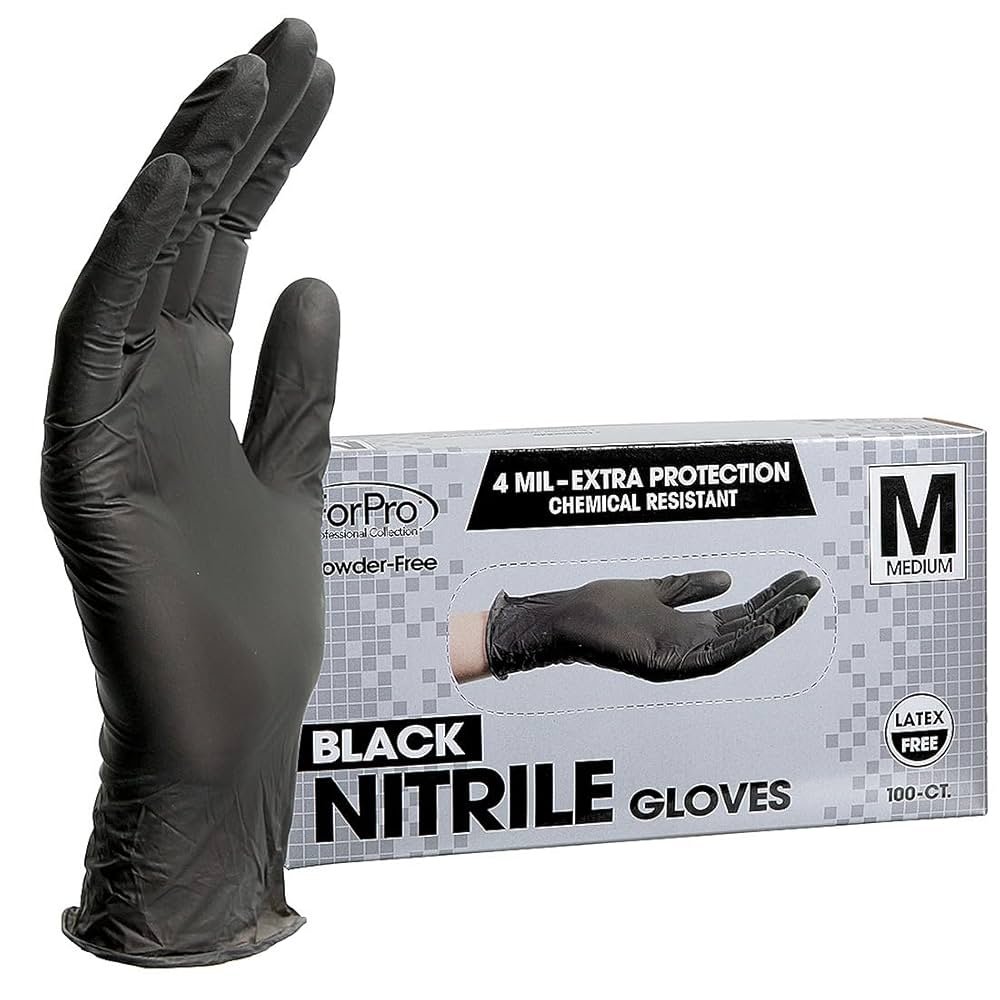
Are you worried about the safety of the gloves you use when handling food? You want to protect yourself and others, but are nitrile gloves really safe for food contact?
Choosing the right gloves matters more than you think—it affects hygiene, taste, and even your health. You’ll discover the truth about nitrile gloves and whether they are the best choice for your kitchen or food service needs. Keep reading to make informed decisions that keep your food safe and your mind at ease.

Credit: www.ebay.ca
Nitrile Gloves And Food Safety
Nitrile glovesare made from synthetic rubber. They do not contain latex. This makes them a good choice for people with latex allergies. The material is strong and resists chemicals well, making it safe for food handling.
The FDA approvesmany nitrile gloves for food use. These gloves meet strict rules to keep food safe. They do not release harmful substances into food. This is important for food safetyand hygiene.
- Allergen-free:No latex proteins, so less chance of allergic reactions.
- Durable:Tougher than vinyl gloves, less likely to tear.
- Safe for food:Meets FDA standards for food contact.

Credit: www.saraglove.com
Advantages Of Nitrile Gloves In Food Handling
Nitrile glovesresist many harsh chemicals used in food handling. They protect hands from oils, fats, and cleaning agents. This makes them safer than latex or vinyl gloves in many kitchens.
These gloves are very durable. They do not tear or puncture easily. This helps keep food clean and free from germs. A strong glove means fewer glove changes and less waste.
Comfort and fitmatter for long kitchen hours. Nitrile gloves stretch well and fit snugly. They allow easy hand movement and reduce hand fatigue. This helps workers stay safe and work better.
Potential Risks And Concerns
Powdered glovesmay leave powder residue on food. This can cause allergic reactions and contamination. Powder-free glovesare safer for handling food. They reduce the chance of powder getting into food products. Many food safety guidelines prefer powder-free gloves for this reason.
Cross-contamination can happen if gloves touch dirty surfaces. Changing gloves often helps prevent this. Using gloves correctly is key to keeping food safe. Hands must be clean before putting gloves on.
| Disposal Type | Environmental Impact | Notes |
|---|---|---|
| Nitrile Gloves | Non-biodegradable | Can create plastic waste if not disposed properly |
| Powdered Gloves | Same as nitrile but with powder residue | Powder may harm environment if washed into water |
| Powder-Free Gloves | Less residue, but still plastic waste | Best option for food safety and environment |
Proper Use And Best Practices
Choosing the right gloves ensures safety and comfort. Nitrile gloves are good for food handlingbecause they resist oils and chemicals. Make sure gloves are food-grade certified. Check for the right size and thicknessto avoid tearing. Thin gloves offer more touch sensitivity but less durability. Thick gloves last longer but reduce feel.
Safe glove removal stops germs from spreading. Pinch the glove near the wrist without touching the skin. Pull it off inside out. Hold the removed glove in the gloved hand. Slide fingers under the second glove cuff and pull off inside out again. Dispose of gloves properly in a trash bin. Wash hands immediately after removal.
| Storage Tips | Shelf Life |
|---|---|
| Store in a cool, dry place away from sunlight. | Check the expiration date on the package. |
| Avoid exposure to heat and moisture. | Use gloves before expiration for best protection. |
| Keep gloves in original packaging until use. | Expired gloves may tear easily or lose protection. |
Comparing Nitrile With Other Gloves
Latex glovesoffer great elasticity and comfort. They fit snugly and provide good touch sensitivity. But some people may have allergic reactionsto latex proteins. They are biodegradable, which is good for the environment. However, latex is less resistant to chemicals and punctures than nitrile.
Vinyl glovesare cheap and easy to use. They are loose-fitting and less durable. Vinyl gloves do not resist oils and chemicals well. They are best for short tasks with low risk of contamination.
Polyethylene glovesare very inexpensive and often used for food handling. They are loose and less durable. Polyethylene gloves offer limited protection and are not suitable for tasks needing high dexterity. They are best for quick, light tasks like serving food.
Regulations And Industry Recommendations
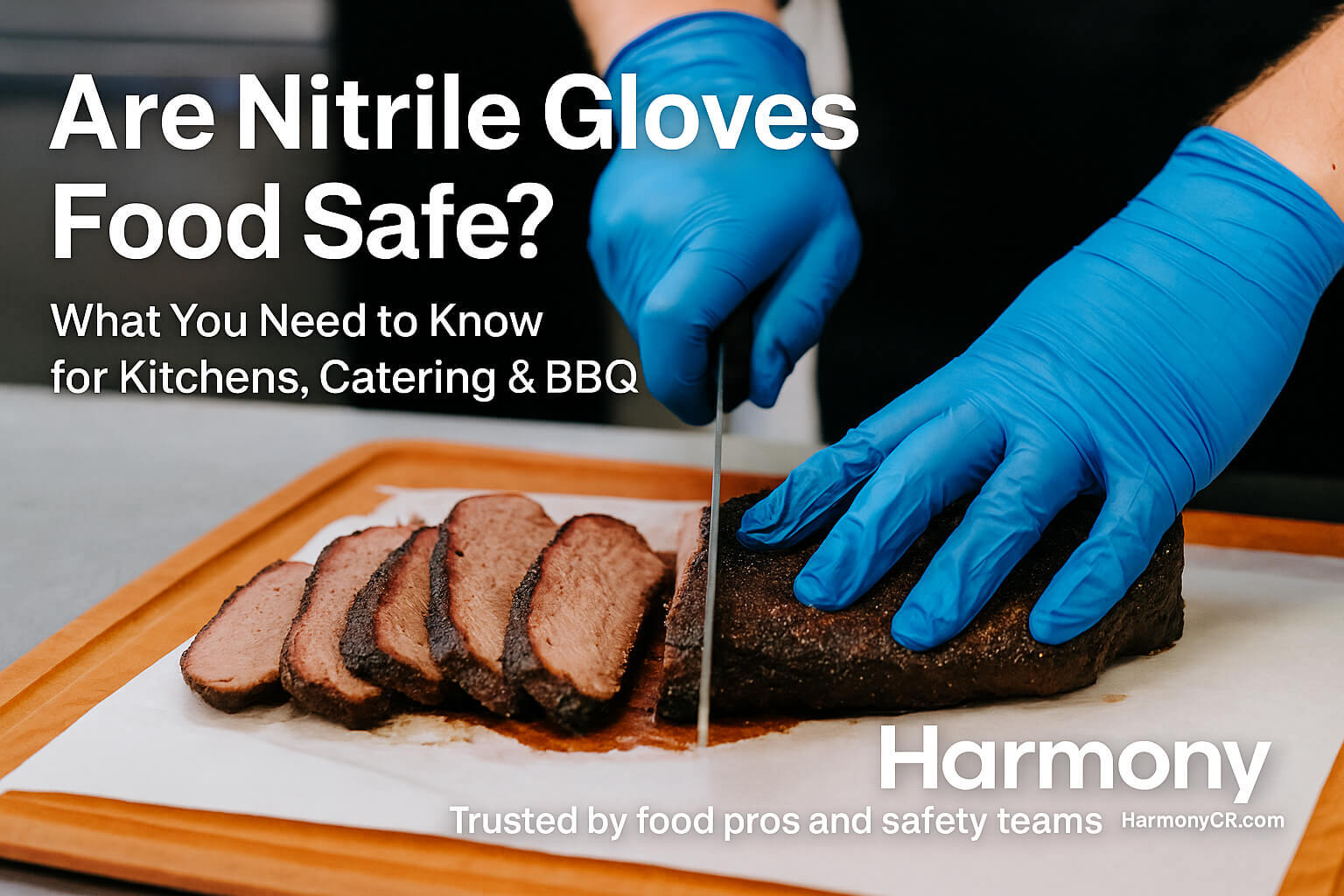
Global food safety guidelinesensure nitrile gloves are safe for food handling. These gloves must meet strict standards for chemical resistanceand contamination prevention. Agencies like the FDA and EFSA set rules to protect consumers.
Employers must providegloves that comply with these rules. They should train workers on proper glove use and change gloves oftento avoid cross-contamination. Regular checks keep food safe.
Consumers should knowthat nitrile gloves reduce the risk of germs in food. Choosing gloves marked as food-safehelps keep meals clean and healthy.
Credit: harmonycr.com
Frequently Asked Questions
Are Nitrile Gloves Safe For Handling Food?
Yes, nitrile gloves are safe for food handling. They are food-grade, latex-free, and resistant to punctures. Many food safety authorities approve them for direct food contact, making them a reliable choice in kitchens and food processing.
Can Nitrile Gloves Prevent Food Contamination?
Nitrile gloves effectively prevent food contamination. They create a barrier against bacteria and allergens. Using clean gloves reduces cross-contamination risks during food preparation and serving.
Are Nitrile Gloves Better Than Latex For Food Use?
Nitrile gloves are better than latex for food use. They are hypoallergenic and stronger, reducing allergic reactions and tearing. Nitrile also provides better chemical resistance, enhancing safety in food handling.
How Long Can Nitrile Gloves Be Used With Food?
Nitrile gloves should be used for short periods only. Replace gloves after handling different foods or every 30 minutes. This practice maintains hygiene and prevents contamination.
Conclusion
Nitrile gloves are a reliable choice for food safety. They offer protection and flexibility. These gloves are resistant to tears and chemicals. They keep food clean and safe from contamination. Easy to wear and comfortable for long use. Suitable for various food handling tasks.
They also reduce the risk of allergies. Always choose high-quality nitrile gloves for best results. Ensure proper fitting for maximum protection. Using nitrile gloves is a smart decision. It safeguards both food and handler. Keep hygiene a priority. Make food safety simple with nitrile gloves.
Safe food handling leads to healthier meals.
