
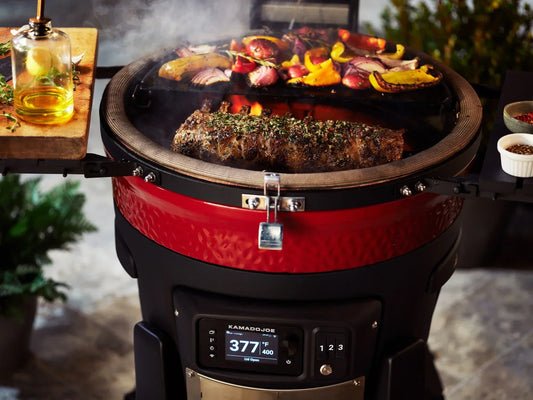
When it comes to smoking and grilling, you want the best tool that fits your style and taste. You might be wondering: should you go for a Kamado grill or stick with a traditional smoker?
Both have their fans, but the differences can change how your food turns out and how easy it is to use. By the end of this article, you’ll know exactly which one matches your needs and helps you create mouth-watering meals every time.
Ready to discover which smoker wins for you? Let’s dive in.
Kamado Grill Basics
Kamado grills are gaining popularity among outdoor cooking enthusiasts. These grills stand out for their unique design and versatility. They offer a distinct way of cooking that many find appealing. Understanding the basics of a Kamado grill helps you appreciate its benefits.
Design And Materials
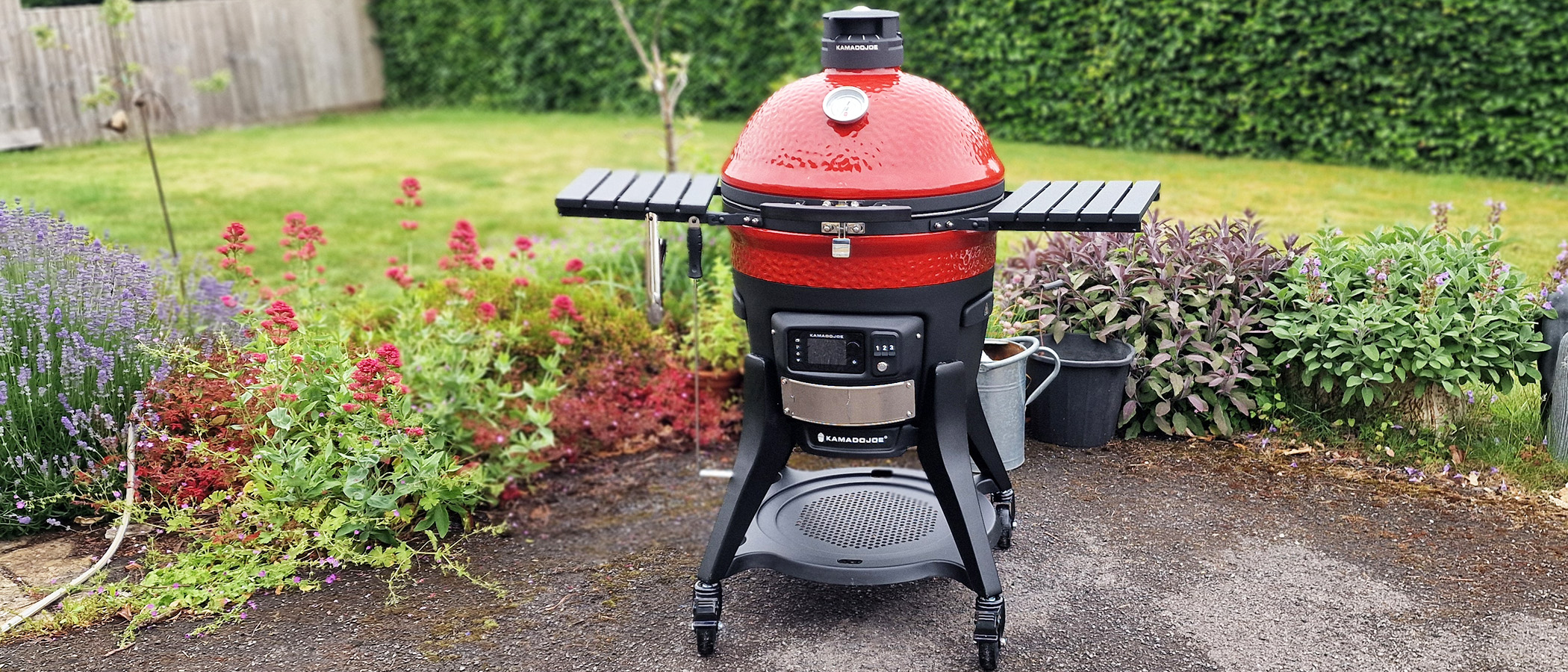
Kamado grills have a recognizable egg-shaped design. This shape helps in heat circulation and even cooking. Most kamado grills are made from ceramic or heavy-duty steel. These materials retain heat well and maintain consistent temperatures. The exterior often has a glazed finish that resists weather and wear. This makes them durable and long-lasting.
Temperature Control Features
Kamado grills excel at temperature control. They have adjustable vents at the top and bottom. These vents help regulate airflow, impacting the grill’s temperature. With practice, you can maintain a steady cooking temperature. Some models come with built-in thermometers. This feature allows you to monitor the internal temperature closely.
Fuel Types Used
Kamado grills typically use charcoal as their primary fuel. Lump charcoal is the preferred choice for many users. It burns hotter and cleaner than briquettes. Some models also allow for wood chips or chunks. Adding wood enhances the flavor with a smoky taste. The choice of fuel can impact the overall cooking experience.
Traditional Smoker Features
Traditional smokers have a charm and functionality that many BBQ enthusiasts swear by. Understanding their key features can help you decide if they fit your grilling style and needs. Let’s break down what makes these classic smokers tick and what you can expect from them.
Common Designs
Traditional smokers typically come in three main styles: offset smokers, vertical water smokers, and cabinet smokers.
- Offset Smokers:These have a firebox attached to the side, allowing you to cook indirectly with smoke flowing into the main chamber.
- Vertical Water Smokers:They use a water pan between the fire and cooking grates to regulate temperature and add moisture.
- Cabinet Smokers:Often box-shaped, these have multiple racks and a firebox underneath, giving you more cooking space.
Each design suits different cooking preferences and space setups. Which one do you think matches how you like to smoke your food?
Heat And Smoke Management
Controlling heat and smoke is the heart of smoking meat, and traditional smokers let you get hands-on with this process.
They usually have adjustable vents or dampers that let you control airflow, which in turn manages temperature and smoke flow. It takes some practice, but mastering these controls means you can tailor your smoke level and cooking speed to perfection.
Ever had a smoky brisket that wasn’t quite right? Learning to balance these elements can prevent that frustration. How confident are you with managing your smoker’s airflow?
Fuel Options
Traditional smokers often use wood, charcoal, or a combination of both as fuel, each providing distinct flavors and heat characteristics.
- Wood:Adds authentic, natural smoke flavors; different types like hickory, apple, or mesquite change the taste profile.
- Charcoal:Offers steady heat and a mild smoky flavor; easy to control temperature once hot.
- Mixing Both:Many pitmasters start with charcoal for heat and add wood chunks for smoke.
Choosing the right fuel affects not only flavor but also how long and steady your smoker runs. What fuel do you prefer for your smoking sessions?
Cooking Performance Comparison
Comparing the cooking performance of a Kamado grill and a traditional smoker reveals clear differences. Both deliver excellent results, but they excel in different ways. Understanding these differences helps choose the right tool for your cooking needs.
Heat Retention And Distribution
Kamado grills use thick ceramic walls that trap heat effectively. This leads to steady temperatures over long cooking periods. The heat spreads evenly, reducing hot spots and burning risks.
Traditional smokers rely on metal construction, which loses heat faster. They need more attention to maintain consistent heat. Heat distribution can vary, requiring adjustments during cooking.
Smoke Flavor Profiles
Kamado grills produce a clean, mild smoke flavor. The ceramic body absorbs moisture, enhancing taste without overpowering food. Wood chips add subtle, nuanced smoke notes.
Traditional smokers create a stronger, more robust smoke flavor. The open design allows thick smoke to surround the food. This deep, smoky taste suits bold, hearty dishes.
Cooking Time And Efficiency
Kamado grills heat quickly and maintain temperature efficiently. They use less fuel and cook food faster at stable heat. This efficiency suits both quick grilling and low-and-slow cooking.
Traditional smokers take longer to reach cooking temperature. They require more fuel and frequent monitoring. Cooking times can be longer but offer authentic smoked textures.

Credit: www.kamadojoe.com
Ease Of Use And Maintenance
Choosing between a Kamado grill and a traditional smoker often comes down to how easy they are to use and maintain. Both have unique features that affect setup, cleaning, and durability. Understanding these factors helps you pick the right tool that fits your lifestyle and cooking habits.
Setup And Operation
Kamado grills usually have a simple setup with a ceramic body that retains heat well. You light charcoal once, adjust the vents for temperature control, and you’re ready to cook. This can save you time and reduce the hassle of constantly managing smoke levels.
Traditional smokers, on the other hand, often require more effort to start and maintain. You need to manage wood or charcoal more frequently to keep the smoke consistent. This might feel overwhelming if you’re new to smoking or want a quick start.
Think about your patience level and how much you enjoy the hands-on process. Do you want a grill that lets you “set it and forget it,” or are you eager to engage with every step of smoking?
Cleaning Requirements
Kamado grills are designed with smooth ceramic surfaces that resist sticking and are easy to wipe down. Ash removal is straightforward because of their built-in ash drawers. Regular cleaning mainly involves brushing the grates and emptying the ash after each use.
Traditional smokers often have more parts like water pans, drip trays, and racks to clean. Ash and soot buildup can be heavier, requiring a deeper clean after every few uses. This might take more time and effort, especially if you smoke frequently.
Ask yourself how much time you want to spend cleaning. Would you prefer quick maintenance or don’t mind a more thorough routine?
Durability And Longevity
Kamado grills are built with thick ceramic that can last for decades if handled carefully. However, they can crack if dropped or exposed to sudden temperature changes. Many users find that investing in a sturdy cover protects their grill and prolongs its life.
Traditional smokers are often made of steel, which can rust if not properly cared for. Regular seasoning and covering are necessary to prevent corrosion. Still, steel smokers are generally less fragile and can endure rough outdoor conditions better.
Consider your environment and how much care you’re willing to provide. Would you rather handle a delicate but long-lasting ceramic or a tougher but maintenance-heavy steel smoker?
Versatility In Cooking Styles
Understanding how versatile your cooking equipment can be is key to getting the most out of it. Both Kamado grills and traditional smokers offer unique ways to prepare food, but their strengths vary widely depending on what you want to cook. Let’s dive into how each performs across different cooking styles so you can decide which suits your needs better.
Grilling Capabilities
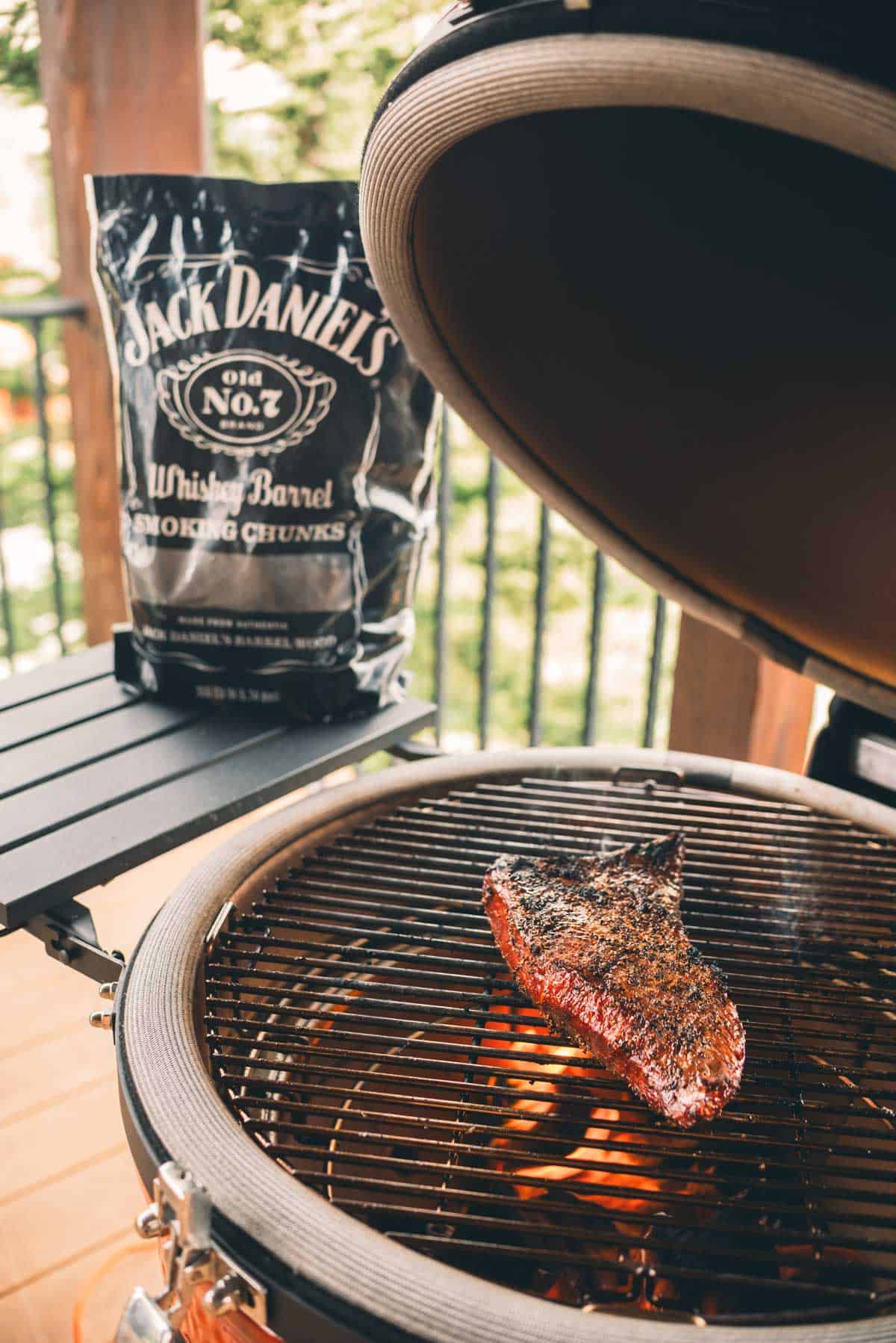
Kamado grills excel at high-heat grilling thanks to their ceramic construction, which retains heat exceptionally well. This allows you to sear steaks or burgers with a perfect crust while keeping the inside juicy. Traditional smokers typically don’t reach the same high temperatures, making them less ideal for quick grilling sessions.
If you enjoy fast, direct grilling, the Kamado gives you more control and consistency. Have you ever struggled to get that perfect sear on a traditional smoker? That’s where the Kamado shines, combining the best of grill and smoker in one.
Smoking And Roasting
Traditional smokers are built specifically for low and slow cooking, making them great at smoking large cuts of meat like brisket or pork shoulder. They provide steady, controlled heat and smoke over long periods, which is essential for deep flavor development.
Kamado grills can also handle smoking and roasting but usually require more attention to temperature control. Their airtight design helps maintain moisture, which benefits roasting vegetables and meats. If you like experimenting with different wood chips and smoke levels, both options can work, but the traditional smoker offers a more hands-off experience.
Additional Cooking Techniques
Kamado grills offer surprising versatility beyond grilling and smoking. You can bake pizzas, roast vegetables, and even cook bread thanks to their ability to maintain consistent temperatures over extended periods.
Traditional smokers, while more limited in high-temperature cooking, can still be used for indirect roasting and smoking delicate foods like fish or cheese. Consider the kinds of dishes you want to try—do you want to bake and grill as well as smoke? Kamados might be more your style if you enjoy mixing up your cooking techniques.
Credit: girlcarnivore.com
Cost And Value Analysis
Understanding cost and value plays a key role in choosing between a Kamado grill and a traditional smoker. Both offer unique benefits but differ in price and upkeep. This section breaks down the expenses and long-term advantages. It helps decide which option fits your budget and lifestyle best.
Initial Investment
Kamado grills usually cost more upfront. Their ceramic build and design add to the price. Traditional smokers tend to be cheaper initially. They often have simpler metal constructions. Price ranges can vary widely based on size and brand.
Consider these points:
- Kamado grills often start at a higher price point.
- Basic traditional smokers offer affordable entry options.
- High-end smokers can match or exceed Kamado prices.
Fuel Expenses
Kamado grills use lump charcoal, which burns hotter and longer. This means less fuel is needed per cooking session. Traditional smokers usually burn wood or charcoal. Wood costs can add up quickly, especially for long smokes.
- Kamado grills are fuel-efficient and save money over time.
- Traditional smokers may require more frequent fuel replenishment.
- Some smokers use propane, which has its own cost factors.
Long-term Benefits
Kamado grills offer versatility beyond smoking. They grill, bake, and roast with ease. Their ceramic keeps heat steady for consistent cooking. Traditional smokers excel at low-and-slow smoking. They provide authentic smoky flavors but may need more attention.
Durability also matters. Kamado grills resist rust and weather well. Many traditional smokers need upkeep to avoid corrosion. Think about maintenance costs and how often you plan to use your cooker.
User Experience And Feedback
User experience and feedback reveal a lot about how Kamado grills and traditional smokers perform in everyday use. These insights come from real users who have spent hours experimenting with temperatures, flavors, and cooking styles. Listening to their stories can help you decide which tool fits your cooking style and patience level.
Beginner Friendly Aspects
Many beginners find Kamado grills easier to manage because of their excellent heat retention. You can maintain steady temperatures with fewer adjustments, which takes some pressure off learning the art of smoking. The digital temperature controllers that some Kamado models offer also make it simpler to keep an eye on heat without constant checking.
Traditional smokers, on the other hand, often demand more hands-on attention. You need to adjust vents and add charcoal or wood more frequently. This hands-on approach can be intimidating at first, but it teaches you a lot about how smoke and heat interact with your food.
Expert User Insights
Seasoned grillers praise Kamado grills for their versatility. They love how these grills can switch from low-and-slow smoking to high-heat searing without missing a beat. Many experts enjoy using Kamados for their ability to create complex smoke flavors while maintaining consistent heat.
Traditional smoker fans highlight the authentic smoky taste that comes from direct wood smoke. Experts often prefer traditional smokers for long smoking sessions because they can customize airflow and wood placement more precisely. They appreciate the tactile control, which lets them fine-tune the flavor and texture of their meats.
Common Challenges
Users often mention that Kamado grills can be heavy and less portable, which might limit where you can use them. The ceramic material is fragile, so you need to handle it carefully to avoid cracks. Also, some find the initial setup and learning curve a bit steep despite the beginner-friendly temperature control.
Traditional smokers challenge users with temperature swings, especially in windy or cold weather. Maintaining consistent heat requires frequent adjustments, which can be frustrating if you don’t have time to watch the smoker closely. Plus, the smoky environment inside traditional smokers can sometimes lead to over-smoking if not monitored carefully.
What kind of cooking experience do you want? Are you ready to invest time in mastering temperature control, or do you prefer a grill that helps you maintain it more easily? Your answers can guide you to the right choice between these two great options.
Choosing The Right Option
Choosing the right cooking device affects your grilling experience. Both Kamado grills and traditional smokers have unique strengths. Understanding these helps pick the best fit for your needs. This section looks at key factors to guide your choice.
Lifestyle Considerations
Think about how often you grill or smoke food. Kamado grills heat quickly and are ready fast. Traditional smokers take longer to reach cooking temperature. If you grill on busy days, a Kamado grill suits better.
Consider your patience for managing fire and smoke. Smokers need more attention to keep temperature steady. Kamado grills hold heat well, needing fewer adjustments. Your cooking routine impacts which device fits your lifestyle.
Cooking Preferences
Kamado grills cook with high heat, perfect for searing steaks and pizzas. They also allow low and slow cooking. Traditional smokers excel at slow smoking over hours, adding deep smoky flavors. Think about the taste and style of dishes you prefer.
If you enjoy versatile cooking, a Kamado grill offers flexibility. For pure smoked flavor and long cook times, a traditional smoker stands out. Your favorite recipes guide the best choice.
Space And Portability
Kamado grills tend to be compact but heavy due to ceramic build. They fit well in smaller patios or decks. Traditional smokers vary from small to large models, some needing more space.
Moving a Kamado grill is harder because of weight. Smokers can be lighter and easier to transport. Consider your outdoor space and how often you move your equipment.
Credit: www.tomsguide.com
Frequently Asked Questions
What Is The Main Difference Between Kamado Grill And Traditional Smoker?
Kamado grills use ceramic construction for heat retention and multi-functional cooking. Traditional smokers use metal bodies and focus on slow smoking. Kamado grills offer versatility, while traditional smokers excel in consistent low-temperature smoking.
Which Is Better For Slow Cooking: Kamado Or Traditional Smoker?
Traditional smokers are designed for steady, low-temperature cooking, ideal for slow smoking. Kamado grills can also slow cook but require more skill to maintain temperature. For beginners, traditional smokers provide easier temperature control during slow cooking.
Can Kamado Grills Replace Traditional Smokers?
Yes, Kamado grills can replace traditional smokers for most smoking tasks. They offer versatility for grilling, smoking, and baking. However, traditional smokers may provide better temperature stability for long, low-and-slow cooks.
Are Kamado Grills More Fuel Efficient Than Traditional Smokers?
Kamado grills are more fuel efficient due to superior insulation. Their ceramic walls retain heat longer, using less charcoal. Traditional smokers often need more fuel to maintain steady temperatures over time.
Conclusion
Choosing between a Kamado grill and a traditional smoker depends on your cooking style. Kamado grills heat quickly and hold temperature well. Traditional smokers offer slow, even cooking for deep smoky flavor. Both can make tasty meals with practice. Consider space, budget, and how often you grill.
Either choice brings great BBQ to your backyard. Try each if you can. Enjoy cooking and savor the flavors!
