
Are you planning your next outdoor adventure and wondering whether to bring a camping stove or a portable grill? Choosing the right cooking gear can make a big difference in your experience.
Both have their unique benefits, but which one fits your style and needs best? Keep reading to discover the key differences that will help you decide what’s perfect for your trip—and make your outdoor meals easier and more enjoyable.

Credit: www.amazon.in
Camping Stove Basics
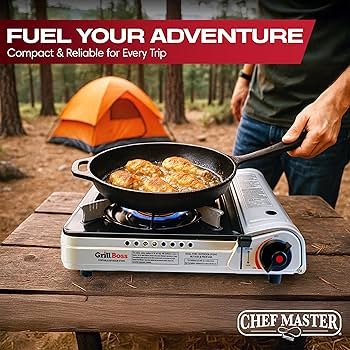
Camping stoves are small and compact. They fit in backpacks easily. Most have one or two burners. Some come with a windscreen. This helps cook food faster. A camping stove is great for boiling water. It can also heat soups and cook simple meals. Portability is key for these stoves.
Camping stoves use different fuels. Propane and butane are common. Some stoves use white gas. Others use solid fuel tablets. Each type has pros and cons. Propane works well in cold weather. Butane is lighter to carry. Choose the fuel that fits your needs best.
Camping stoves cook simple meals. They are perfect for soups and noodles. Grilling is not easy on them. Boiling water is quick and simple. Most have adjustable heat settings. This helps control the cooking speed. They are not for large meals. Use them for fast and easy cooking.
Portable Grill Essentials
A portable grillusually has a flat or grate surface for cooking. It is easy to carry and set up outdoors. Most grills have legs or handles for quick transport. They work well for grilling meats, vegetables, and more.
Portable grills often use charcoal, propane, or wood pelletsas fuel. Charcoal gives a smoky flavor but takes longer to heat. Propane heats quickly and is cleaner to use. Wood pellets add a unique taste but need special grills.
- Grilling over open flames
- Cooking burgers, steaks, or hot dogs
- Using direct heat for searing
- Making kabobs or grilled veggies
Portability And Setup
Camping stovesare usually smaller and lighter than portable grills. They fit easily into backpacks or small bags. Portable grills tend to be bigger and heavier, needing more space for carrying.
Assembly of camping stoves is quick and simple. Many models require just unfolding and connecting to the fuel source. Portable grills often need more time to set up. They may involve attaching legs and placing grill grates.
Transporting camping stoves is easy due to their compact design. They are made for hiking and backpacking trips. Portable grills may require a car or a larger carrying case. They are better suited for car camping or picnics.
| Feature | Camping Stove | Portable Grill |
|---|---|---|
| Size | Small, compact | Larger, bulkier |
| Weight | Lightweight | Heavier |
| Setup Time | Fast, easy | Longer, more parts |
| Transport | Fits in backpacks | Needs car or big bag |

Credit: www.amazon.in
Performance In The Outdoors
Heat controlis easier on camping stoves. They have adjustable knobs to set flame size. Portable grills use vents and air flow to control heat, but it takes more practice.
Weather adaptabilityfavors camping stoves. Wind shields protect the flame well. Portable grills can struggle in strong wind or rain unless covered.
Cooking efficiencydepends on the food and setup. Stoves heat up quickly and use less fuel. Grills give a smoky flavor but take longer to reach cooking temperature.
Versatility And Cooking Options
Camping stovesoffer a wide range of cooking styles like boiling, simmering, and frying. They are perfect for making soups, stews, and hot drinks. Portable grillsexcel at grilling meats, vegetables, and sandwiches, giving food a smoky flavor. This makes them ideal for barbecue lovers.
Camping stovesusually come with multiple burners, allowing you to cook different dishes at once. Portable grillsoften have a single cooking surface, focusing on grilling only.
| Accessory Type | Camping Stove | Portable Grill |
|---|---|---|
| Griddle Plates | Commonly compatible | Sometimes compatible |
| Cooking Pots | Fully compatible | Not suitable |
| Skewers | Rarely compatible | Often compatible |
| Heat Control Tools | Precise control | Limited control |
Safety And Maintenance
Handling camping stovesrequires care due to open flames and gas. Always use them on flat, stable surfaces. Keep away from flammable materials. Portable grills also need caution but often have fewer gas parts.
Precautions includechecking for gas leaks before use. Never leave stoves or grills unattended while hot. Store fuel canisters in cool, ventilated areas. Use protective gloves when handling hot parts.
- Cleaning camping stoves:wipe burner and remove food debris after each use.
- Cleaning portable grills:scrape grill grates and clean grease traps regularly.
- Use mild soap and warm water for both.
- Dry all parts fully before storage to avoid rust.
| Aspect | Camping Stove | Portable Grill |
|---|---|---|
| Durability | Delicate parts, can be damaged by rough use | Usually sturdier, made for outdoor ruggedness |
| Maintenance | Needs careful cleaning of burners and fuel lines | Requires regular grease cleaning and grate care |
| Handling | Must be handled gently to avoid leaks | Can handle rougher treatment, but watch for rust |
Cost And Value
Camping stoves usually cost less than portable grills. Most camping stoves range from $20 to $100. Portable grills often start at $50and can go above $300. The price depends on size, fuel type, and brand.
For long-term use, a portable grill might offer more value. Grills tend to be sturdier and last longer. They can cook more food at once. Camping stoves are lighter and easier to carry but may wear out faster.
| Feature | Camping Stove | Portable Grill |
|---|---|---|
| Price Range | $20 – $100 | $50 – $300+ |
| Durability | Moderate | High |
| Portability | Very Easy | Moderate |
| Cooking Capacity | Small | Large |
Choosing The Right Gear
Trip type and duration affect gear choice. For short trips, a camping stoveis light and easy to carry. It heats food fast and fits small spaces. For longer trips, a portable grilloffers more cooking options and better flavor.
Cooking preferences matter. Stoves work best for boiling and simple meals. Grills are great for grilling meatand vegetables, adding a smoky taste. Choose based on what you like to cook outdoors.
Group size impacts what gear suits you. Small groups or solo campers find stoves compact and efficient. Bigger groups need grills for cooking more food at once. This saves time and keeps everyone happy.

Credit: www.amazon.in
Frequently Asked Questions
What Is The Main Difference Between Camping Stove And Portable Grill?
A camping stove is designed primarily for boiling and cooking with pots. A portable grill is built for grilling foods directly over an open flame or heat source. Both serve outdoor cooking but have distinct functions.
Which Is Better For Boiling Water: Stove Or Grill?
Camping stoves are better for boiling water quickly. They provide controlled heat suitable for pots and kettles. Portable grills focus on grilling and may not heat water evenly.
Can You Use A Portable Grill Like A Camping Stove?
Portable grills are not ideal for stove functions like boiling or simmering. They lack stable surfaces for pots and precise heat control needed for stove cooking.
Are Camping Stoves More Compact Than Portable Grills?
Yes, camping stoves are usually more compact and lightweight. They are designed for easy transport and setup, making them perfect for backpacking and small camping trips.
Conclusion
Camping stoves and portable grills both help cook food outdoors. Stoves heat quickly and work well for boiling water. Portable grills give food a smoky flavor and grill marks. Choose a stove for lightweight trips and quick meals. Pick a grill for barbecues and social gatherings.
Knowing their differences helps you pack smart and cook better. Both have a place in your outdoor adventures. Your choice depends on how and where you want to cook. Simple tools, great meals, and happy camping moments await.
