
Grilling the perfect burger isn’t just about the ingredients or the seasoning—it’s all about the temperature. If you’ve ever wondered, “What temp to grill burgers?” you’re not alone.
Getting the heat just right can make the difference between a juicy, flavorful burger and one that’s dry or undercooked. You’ll discover exactly how to master your grill’s temperature to cook burgers that will impress everyone at your next cookout.
Ready to become the burger pro you’ve always wanted to be? Keep reading, because the secret to burger perfection is easier than you think.
Credit: blog.thermoworks.com
Ideal Grill Temperature
Grilling the perfect burger needs the right temperature. The ideal grill temperature ensures juicy, flavorful patties without burning. Different heat levels change how burgers cook and taste. Understanding these temperature zones helps you grill burgers just how you like.
Low Heat Benefits
Low heat means about 250°F to 300°F. It cooks burgers slowly and evenly. The inside stays juicy while the outside cooks gently. This heat is good for thick patties or adding cheese without burning. It reduces flare-ups and gives more control.
Medium Heat For Balanced Cooking
Medium heat ranges from 325°F to 375°F. It cooks burgers faster but still keeps them juicy. This heat gives a nice brown crust and cooks inside well. Most people find medium heat perfect for classic grilled burgers. It balances speed and flavor nicely.
High Heat For Searing
High heat is 400°F and above. It sears the outside quickly, locking in juices. This makes a crispy, tasty crust on the burger. High heat is best for thin patties or quick cooking. Watch closely to avoid burning or drying out the meat.
Choosing The Right Meat
Choosing the right meat is the first key to grilling perfect burgers. The meat you select affects taste, texture, and juiciness. Picking the right cut and fat level can make your burger stand out.
Fat Content And Flavor
Fat adds flavor and keeps the burger juicy. Burgers with too little fat turn dry and tough. A good balance is about 20% fat. This ratio melts during cooking, creating a rich taste.
Lean meat, like 90% lean, cooks faster but lacks moisture. Higher fat content means more flavor but also more flare-ups on the grill. Choose fat content based on your taste and grilling style.
Ground Beef Types
Ground beef varies by the cut used. Common types include chuck, sirloin, and brisket blends. Each offers a different flavor and texture.
- Chuck:The most popular choice. Has good fat content and rich flavor.
- Sirloin:Leaner and firmer. Less fat but still tasty.
- Brisket:Rich and fatty. Adds a deep, beefy flavor.
- Mixed blends:Combine cuts for balanced taste and texture.
Choosing the right ground beef type helps control the burger’s flavor and texture. Experiment to find your favorite mix.
Preparing The Grill
Preparing the grill is a crucial step before you start cooking your burgers. A well-prepped grill ensures even heat distribution and prevents sticking, which can turn a good burger into a great one. Let’s dive into how you can get your grill ready for the perfect burger experience.
Cleaning And Oiling
Start by scraping off any leftover residue from previous grilling sessions. Use a grill brush to remove stuck-on bits, especially from the grates where your burger will cook.
After cleaning, apply a thin layer of oil to the grates. This helps prevent your burgers from sticking and makes flipping easier. Use a high smoke point oil like canola or grapeseed oil for the best results.
Preheating Tips
Preheat your grill to the right temperature before placing the burgers on it. Aim for a medium-high heat, roughly 375°F to 400°F, which is ideal for cooking burgers evenly without drying them out.
Give your grill at least 10-15 minutes to heat up. You’ll know it’s ready when you can hold your hand about 4 inches above the grate for only 2-3 seconds before it feels too hot. Have you ever tried grilling on a grill that wasn’t hot enough? You’ll notice the meat sticks and cooks unevenly.
Cooking Times By Temperature
Grilling burgers involves managing heat and timing carefully. Cooking time changes based on grill temperature. Each heat level offers unique benefits and challenges. Knowing the right time for each temperature helps cook juicy, tasty burgers. Below are the typical cooking times for different heat levels.
Cooking On Low Heat
Low heat ranges from 225°F to 275°F (107°C to 135°C). This temperature cooks burgers slowly. It allows even cooking and retains moisture. Expect cooking times around 15 to 20 minutes per side. Use this heat for thicker patties. It helps avoid burning the outside while the inside cooks.
Medium Heat Timing
Medium heat is about 300°F to 350°F (149°C to 177°C). This is the most common grilling temperature. Burgers cook faster, usually 6 to 8 minutes per side. This heat level balances a nice sear and juicy interior. Flip the burger only once for best results. Watch closely to avoid overcooking.
High Heat Quick Grill
High heat ranges from 400°F to 450°F (204°C to 232°C). It cooks burgers quickly with a strong sear. Time is usually 3 to 4 minutes per side. This method works well for thinner patties. It seals juices fast but requires careful attention. Move burgers to cooler parts of the grill if needed.
Checking Burger Doneness
Checking burger doneness is key for a safe and tasty meal. Cooking burgers to the right temperature ensures they are juicy and flavorful. Undercooked burgers can be unsafe, while overcooked ones become dry. Use reliable ways to check if your burger is done just right.
Using A Meat Thermometer
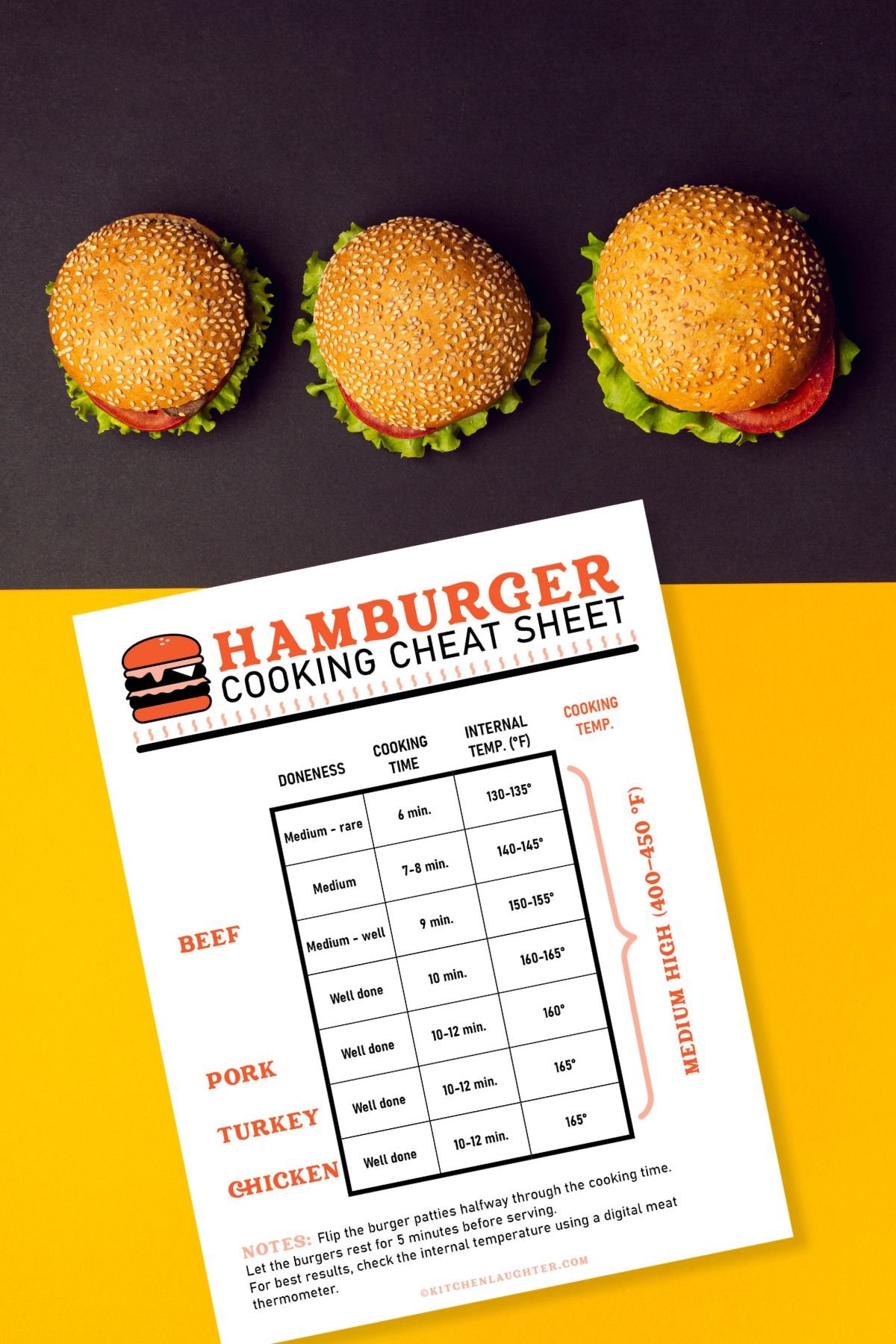
A meat thermometer is the most accurate tool for checking burger doneness. Insert it into the center of the burger for the best reading. The USDA recommends cooking ground beef to 160°F (71°C) for safety.
- 160°F (71°C) means well-done and safe to eat.
- 155°F (68°C) is medium, but less safe.
- 145°F (63°C) is rare and not recommended.
Check the temperature quickly to avoid losing juices. Clean the thermometer after each use for hygiene.
Visual And Touch Cues
Visual clues help judge burger doneness without tools. A fully cooked burger is brown or gray inside, not pink. Juices should run clear, not red or pink.
Touch cues also guide doneness. Press the burger gently with a finger or spatula:
- Soft and squishy means rare.
- Springy but firm feels medium.
- Very firm means well-done.
Practice helps improve your sense of doneness by touch and sight. Combine these clues with a thermometer for best results.

Credit: themeatstick.com
Tips For Juicier Burgers
Grilling burgers to perfection is about more than just hitting the right temperature. Juiciness plays a huge role in making your burger mouthwatering and satisfying. Here are some practical tips to help you keep every bite tender and flavorful.
Avoiding Overcooking
Overcooking is the quickest way to dry out your burger. Aim for an internal temperature of 160°F (71°C) for ground beef to ensure safety without sacrificing moisture. Use a meat thermometer to check doneness instead of guessing by time or appearance.
Flip your burgers only once or twice. Constant flipping can cause juices to escape. And remember, thicker patties retain moisture better than thin ones, so consider making your burgers a bit thicker to lock in the juiciness.
Resting The Meat
Let your grilled burgers rest for about 5 minutes before serving. Resting allows the juices to redistribute throughout the meat rather than running out the moment you bite into it. This simple pause makes a noticeable difference in tenderness.
Cover the burgers loosely with foil to keep them warm while resting. This way, you keep the temperature up without continuing to cook the meat further. Have you ever noticed how a resting steak tastes juicier? Burgers benefit from this same principle.
Adding Moisture Enhancers
Mix ingredients like finely chopped onions, grated zucchini, or even a spoonful of mayonnaise into your ground beef. These add moisture naturally and improve texture. Just be careful not to overdo it, or you might end up with a patty that falls apart on the grill.
Another trick is to brush your burgers with a little olive oil or melted butter before grilling. This adds a layer of fat that helps seal in moisture during cooking. What’s your favorite ingredient to boost juiciness in burgers? Experiment and find what works best for your taste.
Credit: blog.thermoworks.com
Frequently Asked Questions
What Temperature Is Best For Grilling Burgers?
The best temperature to grill burgers is between 375°F and 400°F. This temperature ensures even cooking and juiciness. Use a meat thermometer to check for doneness. Aim for an internal temperature of 160°F for beef burgers. This helps prevent undercooking while maintaining flavor and moisture.
How Long To Grill Burgers On Each Side?
Grill burgers for 3-4 minutes per side. This timing is for medium-rare doneness. Adjust the time based on your preference. For well-done burgers, extend cooking to 5-6 minutes per side. Always use a meat thermometer to ensure safety and desired doneness.
Should I Preheat The Grill For Burgers?
Yes, preheat your grill for 10-15 minutes before cooking burgers. Preheating ensures even cooking and perfect sear marks. It prevents burgers from sticking to the grill grates. A properly heated grill helps seal in juices and enhances flavor. Always start with a hot grill for best results.
Can I Grill Frozen Burgers Directly?
Yes, you can grill frozen burgers, but it takes longer. Cook for 5-6 minutes per side initially. Then, adjust time as needed to reach 160°F internally. Thawed burgers cook more evenly and quickly. Consider defrosting for better texture and taste.
Conclusion
Grilling burgers at the right temperature makes all the difference. Aim for medium-high heat to get a nice sear and juicy inside. Avoid cooking too fast or too slow to keep flavors rich. Use a meat thermometer to check doneness for safety and taste.
Remember, practice helps you find the perfect heat for your grill. Enjoy tasty, well-cooked burgers every time with simple temperature control.
