
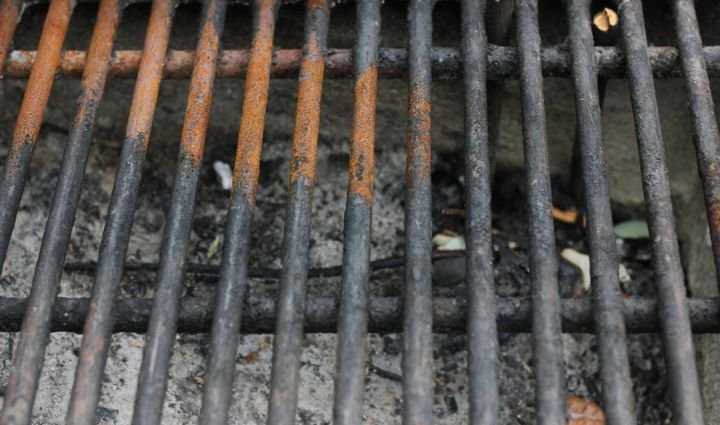
If you love cooking on your cast iron grill, you know how important it is to keep your grill grates in top shape. Over time, they can lose their non-stick surface and start to rust, making your grilling experience frustrating.
But don’t worry—reseasoning your cast iron grill grates is easier than you think, and it can bring them back to life. In this guide, you’ll learn simple, step-by-step tips to restore the perfect cooking surface and protect your grill for many meals to come.
Ready to make your grill grates like new again? Let’s dive in!
Why Reseason Cast Iron Grates
Reseasoning cast iron grill grates is essential to keep them performing at their best. Over time, the protective layer wears down, exposing the metal to rust and food sticking problems. Understanding why you need to reseason your grates can save you from frustrating grilling experiences and extend the life of your cast iron.
Benefits Of Proper Seasoning
Proper seasoning creates a natural non-stick surface, making cooking and cleaning easier. It also protects the grates from rust, which can develop quickly if the seasoning wears off.
Seasoned grates improve the flavor of your food by preventing metallic tastes that come from rust or bare metal. They also help your grill reach and maintain even heat, giving you better grilling results every time.
Signs Your Grates Need Reseasoning
You might notice food sticking to the grates more than usual, even when using oil. This is a clear sign the seasoning layer is breaking down.
Another sign is visible rust spots or dull, gray areas on the surface. If your grill grates look dry or flaky, it’s time to reseason to restore their protective coating.
Have you ever struggled to clean stubborn food residue from your grates? That’s often a hint that the seasoning isn’t doing its job anymore.

Credit: www.reddit.com
Cleaning Before Reseasoning
Cleaning cast iron grill grates before reseasoning is crucial. It removes old seasoning, rust, and food residue. Without proper cleaning, new seasoning won’t stick well. Thorough cleaning helps restore the grate’s surface and improves its lifespan.
Removing Rust And Residue
Rust and burnt food block the seasoning process. Use a stiff brush or steel wool to scrub rust spots. Scrape off any stuck food using a plastic or metal scraper. For tough rust, soak the grates in a vinegar-water solution for 30 minutes. Rinse well to stop the vinegar from damaging the iron.
Best Cleaning Tools And Methods
- Use a stiff nylon brush for general cleaning.
- Steel wool works well on heavy rust and residue.
- Scrapers help remove stuck-on food without scratching.
- Hot water loosens grease and grime effectively.
- A mild dish soap can be used but rinse thoroughly.
- Dry the grates completely to prevent new rust from forming.
Choosing The Right Oil
Choosing the right oil for reseasoning your cast iron grill grates can make a huge difference in how well your seasoning holds up. Not all oils create the same durable, non-stick layer, and some can even leave your grates sticky or prone to rust. Think of seasoning as building a protective armor—your choice of oil is the foundation.
Oils That Work Best
Oils with a high smoke point tend to create the strongest, most durable seasoning layers. These oils polymerize well under heat, bonding tightly to the cast iron surface.
- Flaxseed Oil:Despite its lower smoke point, flaxseed oil dries to a hard, durable finish that many experts swear by. It forms a tough, smooth coating if applied in thin layers.
- Grapeseed Oil:With a smoke point around 420°F (216°C), it balances easy application and good seasoning results.
- Canola Oil:Affordable and with a smoke point near 400°F (204°C), it’s a practical choice for everyday reseasoning.
- Vegetable Oil:Commonly available and effective when used properly, it’s a favorite among home grillers.
Personally, I’ve found that grapeseed oil offers a smooth seasoning and is easy to work with. It’s less sticky compared to some oils I’ve tried before.
Oils To Avoid
Some oils may seem like a good idea but actually hinder your seasoning process or leave unwanted residues.
- Olive Oil:Its low smoke point (around 375°F/190°C) can cause it to burn and leave a sticky residue.
- Butter or Animal Fats:These can create uneven seasoning and spoil quickly, leading to rancid smells.
- Unrefined Oils:They often have impurities that interfere with the seasoning process and may smoke excessively.
- Coconut Oil:Though popular in cooking, it has a relatively low smoke point and doesn’t always bond well to cast iron.
Have you ever reseasoned your grill grates only to end up with a tacky or uneven surface? Choosing the wrong oil might be why. Pick oils that can withstand high heat and create a hard, smooth layer for best results.
Seasoning Process Step-by-step
Seasoning cast iron grill grates improves their cooking performance and lifespan. The process creates a natural, non-stick surface. It also protects the metal from rust and damage. Follow these clear steps to reseason your grill grates properly.
Preparing The Grill Grates
Start by removing old rust and residue. Use a stiff brush or steel wool for cleaning. Wash the grates with warm, soapy water. Rinse thoroughly and dry completely with a cloth or paper towel. Ensure no moisture remains to avoid rust during seasoning.
Applying Oil Correctly
Choose a high smoke point oil like vegetable or flaxseed oil. Pour a small amount of oil onto a cloth or paper towel. Rub the oil evenly over all surfaces of the grill grates. Cover every part lightly but thoroughly. Avoid thick layers to prevent sticky buildup.
Heating Techniques For Seasoning
Preheat your grill or oven to 400-450°F (200-230°C). Place the oiled grates inside the grill or oven. Let them heat for about one hour to bake the oil onto the surface. Turn off the heat and allow the grates to cool completely before use. This step forms a durable, protective coating.
Maintaining Seasoned Grates
Maintaining seasoned cast iron grill grates keeps them non-stick and rust-free. Proper care preserves the hard, blackened layer that gives cast iron its cooking power. Regular attention helps your grates last for years and improves cooking results.
Cleaning After Each Use
Clean grates while they are still warm, never hot. Use a grill brush or scraper to remove food bits. Avoid soap or harsh detergents that strip seasoning. Wipe with a damp cloth or paper towel to clear residue. Dry grates completely to stop rust from forming.
Periodic Touch-ups
Apply a thin layer of cooking oil to grates after cleaning. Use oils with high smoke points like vegetable or flaxseed oil. Heat the grill for 10-15 minutes to bond the oil to the metal. Repeat this process every few uses or when grates look dull. This rebuilds the protective layer and keeps grates seasoned.

Credit: www.lambertslately.com
Common Mistakes To Avoid
Reseasoning cast iron grill grates is simple, but many make common errors. Avoiding these mistakes ensures a smooth process and a long-lasting finish. Knowing what to skip and what to do right helps protect your grill grates effectively.
Over-oiling
Applying too much oil is a frequent error. Excess oil creates a sticky, uneven layer instead of a smooth coating. Use just a thin layer of oil to cover the surface. Wipe away any extra oil with a paper towel. Thin layers bake into a hard, durable finish faster and better.
Skipping Cleaning Steps
Not cleaning the grates well before reseasoning causes poor results. Dirt, rust, and old seasoning block the oil from bonding properly. Scrub the grates with hot water and a brush or steel wool. Dry completely before applying oil. Clean grates ensure the new seasoning sticks and lasts longer.
Tools And Supplies Checklist
Reseasoning cast iron grill grates needs the right tools and supplies. Preparing these items before starting makes the process smoother. It saves time and helps get the best results.
Having everything ready ensures an even, long-lasting seasoning layer. This checklist covers all essential items for reseasoning your grill grates effectively.
Cleaning Tools
- Stiff wire brush for scrubbing off old residue
- Steel wool pad to remove rust spots
- Dish soap for initial cleaning
- Scouring pad for tough grime
- Bucket or basin for soaking grates
Seasoning Supplies
- High smoke point oil like flaxseed, grapeseed, or vegetable oil
- Paper towels or clean cloths for applying oil
- Aluminum foil to catch drips inside the grill
- Heat-resistant gloves for safety
Additional Equipment
- Oven or grill for heating and curing the seasoning
- Thermometer to monitor temperature
- Protective apron to keep clothes clean
- Plastic scraper for removing stubborn bits

Credit: www.lambertslately.com
Frequently Asked Questions
How Often Should I Reseason Cast Iron Grill Grates?
Reseason cast iron grill grates every few months or after heavy use. Regular seasoning keeps the grates non-stick and rust-free. If you notice food sticking or rust, it’s time to reseason.
What Oil Is Best For Reseasoning Cast Iron Grates?
Use oils with high smoke points like flaxseed, grapeseed, or vegetable oil. These oils create a durable, non-stick coating. Avoid low smoke point oils that can leave a sticky residue.
Can I Reseason Grill Grates On A Gas Grill?
Yes, you can reseason grill grates on a gas grill. Preheat the grill, apply oil, and heat until smoking. This method helps bond the oil to the grates effectively.
How Do I Clean Cast Iron Grill Grates Before Reseasoning?
Scrub grates with a stiff brush and hot water to remove debris. Avoid soap as it can strip existing seasoning. Dry thoroughly to prevent rust before applying oil.
Conclusion
Reseasoning cast iron grill grates keeps them rust-free and non-stick. It also improves grilling flavor and extends grate life. Clean the grates well before applying oil evenly. Heat the grates to let the oil bake in. Repeat the process for a stronger seasoning layer.
Regular care helps your grill perform at its best. Enjoy cooking with grates that stay smooth and easy to clean. Simple steps make a big difference over time. Keep your grill ready for every barbecue season.
