
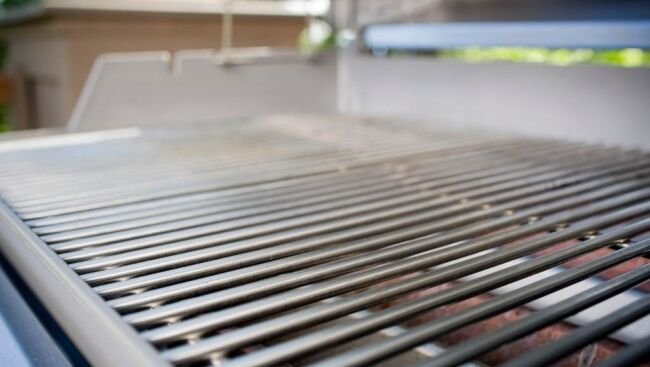
If you love grilling, you know how important your grill grates are to your cooking. But did you know that seasoning your stainless steel grill grates can make a huge difference?
Properly seasoned grates help prevent food from sticking, improve flavor, and make cleaning much easier. You’ll learn simple, step-by-step tips to season your stainless steel grill grates like a pro. By the end, you’ll be ready to take your grilling game to the next level and enjoy delicious meals every time.
Keep reading to discover how easy it is to protect your grill and boost your cooking results!
)
Credit: www.bbqguys.com
Why Season Stainless Steel Grates
Seasoning stainless steel grill grates prepares them for cooking. It creates a natural, non-stick surface that improves grilling. The process also helps protect the grates from rust and damage. Seasoning enhances the flavor of food by preventing sticking and burning.
Benefits Of Seasoning
- Prevents food from sticking to the grates
- Makes cleaning easier after grilling
- Protects the metal from rust and corrosion
- Extends the life of the grill grates
- Improves the taste and texture of grilled food
- Reduces flare-ups caused by stuck food particles
Common Misconceptions
- Stainless steel does not need seasoning – it does
- Seasoning is only for cast iron grates – stainless steel benefits too
- Seasoning is complicated – it is simple and quick
- Seasoning will make grates sticky – it creates a smooth surface
- Only oiling is enough – proper heating is essential
Choosing The Right Oil
Choosing the right oil is crucial when seasoning your stainless steel grill grates. The oil you select affects how well the seasoning sticks and how durable it becomes. Picking an oil with the right properties can save you time and improve your grilling experience.
High Smoke Point Oils
Oils with a high smoke point are ideal for seasoning grill grates. They can handle the intense heat without breaking down or burning. This means they form a better, more durable coating on your grates.
Some great options include:
- Avocado oil (smoke point around 520°F / 271°C)
- Refined grapeseed oil (smoke point around 420°F / 216°C)
- Refined safflower oil (smoke point around 510°F / 266°C)
- Refined canola oil (smoke point around 400°F / 204°C)
Using these oils helps prevent sticky residue and uneven seasoning. Have you ever noticed your grill grates looking patchy after seasoning? The oil’s smoke point might be the reason.
Avoiding Flavored Oils
Flavored oils like garlic, herb, or sesame oil may sound tempting, but they aren’t good for seasoning. They often contain additives or sugars that can burn quickly, leaving unpleasant smells and sticky buildup.
Stick to neutral oils without added flavors or spices. This keeps your grill grates clean and your food tasting as it should. Would you want your steak tasting like herbs from last season’s oil? Probably not.
Choosing the right oil isn’t just about heat tolerance—it’s about purity and performance. Your grill grates deserve the best foundation to build a non-stick surface that lasts.
Preparing The Grill Grates
Preparing your stainless steel grill grates properly sets the stage for effective seasoning. Clean grates ensure even heat and prevent food from sticking. Removing rust and residue creates a smooth surface that holds oil better. This preparation helps protect the grates and enhances grilling performance.
Cleaning Before Seasoning
Start by brushing the grill grates with a stiff wire brush. This removes loose dirt and leftover food bits. Use warm, soapy water to wash the grates thoroughly. Rinse well to remove soap traces. Dry the grates completely with a clean cloth or let them air dry. Clean grates absorb oil better during seasoning.
Removing Rust And Residue
Check the grates for rust spots or stubborn residue. Use a mixture of baking soda and water to scrub these areas gently. A steel wool pad can help remove tough rust. Rinse and dry the grates again after scrubbing. Rust-free grates last longer and provide a smooth cooking surface.
Step-by-step Seasoning Process
Seasoning your stainless steel grill grates is essential to create a natural non-stick surface and protect them from rust. The process involves heating, oiling, and baking the grates multiple times to build a durable coating. Let’s break down how you can do this easily at home, even if you’ve never seasoned a grill before.
Heating The Grill
Start by preheating your grill to a high temperature, around 400°F to 450°F. This step opens the pores of the stainless steel, allowing the oil to bond better with the surface.
Keep the grill on for about 15 minutes until it’s evenly hot. You’ll know it’s ready when the grates start to change color slightly, a sign of proper heat absorption.
Applying Oil Evenly
Choose a high smoke point oil like grapeseed, canola, or avocado oil for the best results. Use a clean cloth or a paper towel dipped in oil and rub it thoroughly over each grate.
Make sure every inch of the surface is coated but not dripping. Excess oil can cause sticky spots, so a thin, even layer is what you want.
Baking The Oil Layer
Close the grill lid and let the oil bake into the grates at the same high temperature for about 30 to 45 minutes. This step polymerizes the oil, creating a hard, protective layer.
During this time, avoid opening the lid frequently because it lowers the temperature and disrupts the seasoning process. When done, the grates should look shiny and slightly darkened.
Repeating For Multiple Coats
To build a strong seasoning, repeat the oiling and baking process 2 to 3 more times. Each coat adds more protection and improves the non-stick quality.
Notice how the grates become smoother and darker with each layer. Have you tried seasoning your grill before? You might be surprised how much easier cleaning gets after just a couple of coats.
Maintaining Seasoned Grates
Maintaining seasoned stainless steel grill grates is key to lasting performance. Proper care keeps the non-stick surface intact. It also prevents rust and buildup. Regular upkeep ensures better flavor and easier cooking every time.
Cleaning After Each Use
Clean grates while still warm but not hot. Use a grill brush with stiff bristles. Scrub off food particles and grease gently. Avoid harsh chemicals that can damage the seasoning. Wipe grates with a damp cloth to remove residue. Let them dry completely before storing.
Reapplying Oil Regularly
Apply a thin layer of cooking oil after cleaning. Use oils with high smoke points like vegetable or canola oil. Heat the grill slightly to help oil soak in. This step protects the metal and keeps grates non-stick. Repeat oiling after every few uses to maintain seasoning quality.

Credit: americanmadegrills.com
Troubleshooting Common Issues
Seasoning stainless steel grill grates can sometimes lead to unexpected problems that affect your cooking experience. Knowing how to troubleshoot these issues quickly will save you time and keep your grill performing at its best. Let’s look at some common challenges and how to fix them effectively.
Sticky Or Flaky Residue
If your grill grates have sticky or flaky residue after seasoning, it usually means too much oil was used or it wasn’t heated properly. Excess oil can leave a gummy layer that ruins the smooth surface you want for cooking.
Try wiping the grates with a clean cloth soaked in warm soapy water, then rinse and dry thoroughly. Next time, apply a thin, even coat of oil and heat the grates until the oil just starts to smoke. This helps the oil bond to the metal and prevents residue buildup.
Uneven Seasoning
Uneven seasoning can cause some parts of your grill grates to stick while others remain dry. This often happens if the oil isn’t spread evenly or the grates aren’t heated consistently.
Make sure to coat every inch of the grates with oil using a brush or cloth. Heat the grill at a medium temperature and rotate the grates if possible to ensure all areas get equal heat exposure. Have you noticed any spots cooking food differently? That’s usually a sign of uneven seasoning.
Rust Spots
Rust spots on stainless steel grates are a sign that the protective seasoning layer is damaged or missing. Moisture left on the grill after cooking or cleaning often causes rust to form.
Scrub rust spots gently with a grill brush or steel wool, then clean and dry the grates thoroughly. Re-season immediately by applying a light coat of oil and heating. Keeping your grill covered and dry when not in use also helps prevent rust from coming back.
Tips For Perfect Bbq Results
Seasoning stainless steel grill grates properly improves your BBQ results. It helps food cook evenly and prevents sticking. Follow these simple tips to get the best flavor and grill marks every time.
Preheating Techniques
Always preheat your grill before cooking. Heat the grates for 10 to 15 minutes on medium-high. This opens the metal’s pores and prepares it for seasoning. A hot grate sears food quickly and locks in juices.
Use a grill thermometer to check the temperature. Aim for about 400°F (204°C) for most grilling tasks. Preheating also kills bacteria and cleans off residue from previous use.
Avoiding Food Sticking
Apply a thin layer of oil after preheating and before placing food. Use oils with high smoke points like canola or grapeseed. Brush oil on grates or on the food itself to create a non-stick surface.
Don’t move food too soon. Let it cook undisturbed to form a natural crust. This crust helps release food easily when it’s ready to flip.
Enhancing Grill Marks
Grill marks add flavor and make food look appetizing. For clear marks, place food firmly and press down slightly. Avoid shifting the food too often.
Turn food 45 degrees halfway through cooking on each side. This creates a crosshatch pattern. Proper seasoning of grates also boosts these marks by reducing sticking and burning.

Credit: nordicbbqstore.com
Frequently Asked Questions
How Do You Season Stainless Steel Grill Grates?
To season stainless steel grill grates, first clean and dry them thoroughly. Apply a thin layer of high-heat oil using a cloth or brush. Heat the grill to a high temperature for about 15 minutes. This process creates a non-stick surface and helps prevent rust.
Why Is Seasoning Grill Grates Important?
Seasoning grill grates is crucial for preventing food from sticking. It also helps protect the grates from rust. Regular seasoning enhances cooking efficiency and extends the lifespan of your grill. This simple maintenance task can significantly improve your grilling experience.
What Oil Is Best For Seasoning Grill Grates?
High smoke point oils like canola, grapeseed, or vegetable oil are best. These oils withstand high temperatures without burning. Applying a thin coat of these oils ensures effective seasoning. They help create a non-stick surface and enhance the durability of your grill grates.
How Often Should Grill Grates Be Seasoned?
Season grill grates every few uses or after deep cleaning. Regular seasoning ensures consistent performance and longevity. If you notice food sticking or rust forming, it’s time to season. This simple routine maintains the quality of your grilling surface.
Conclusion
Seasoning stainless steel grill grates keeps them clean and non-stick. It helps prevent rust and makes grilling easier. Regular care improves the grill’s life and cooking results. Use simple steps and good oil for best seasoning. Your food will taste better and cook more evenly.
Keep your grill ready for every barbecue. Try seasoning today and enjoy grilling without hassle.
