
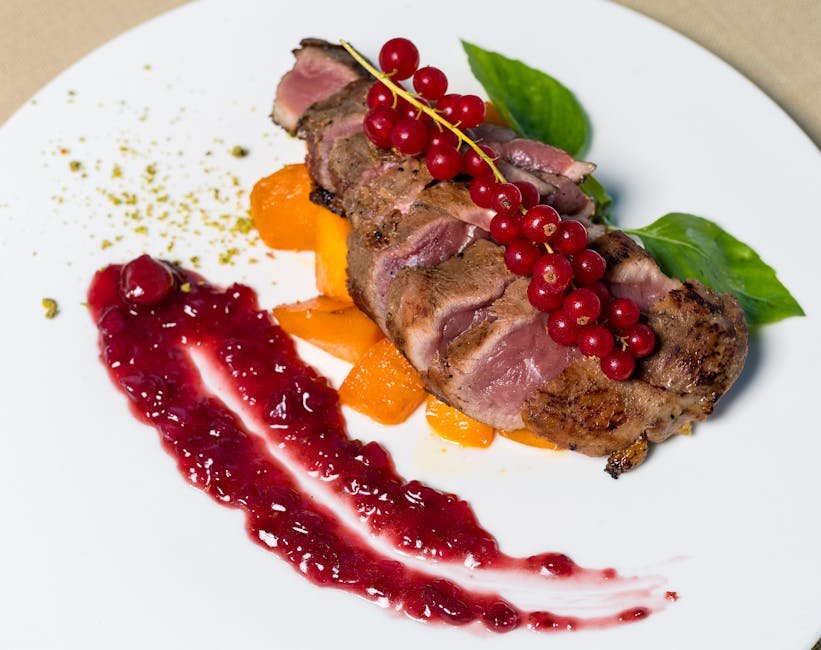
There’s something incredibly satisfying about grilling a perfect T-bone steak on a gas grill. The sizzle, the aroma, and the anticipation of that first juicy bite can make any day feel special.
If you’ve ever found yourself wondering how to achieve that mouth-watering, restaurant-quality steak right in your backyard, you’re in the right place. Imagine the compliments you’ll receive when you serve up a perfectly grilled T-bone, with its tender filet and flavorful strip.
It’s simpler than you might think, and we’re going to guide you through every step. Stick with us, and you’ll soon be the grill master of your own culinary kingdom, impressing family and friends with your newfound skills. Get ready to unlock the secrets to grilling the perfect T-bone steak on your gas grill.
Choosing The Right T-bone Steak
Choosing the right T-bone steak is key for a great grilling experience. A good steak ensures flavor and tenderness. Picking the best cut makes grilling easier and results tastier.
Selecting Quality Meat
Look for fresh, bright red color on the steak. Avoid meat with dark spots or dryness. The bone should be white, not yellow or brown. Fresh steaks have a firm texture and a clean smell. Choose steaks from trusted butchers or stores. Ask for USDA Choice or Prime grades for better quality.
Thickness And Marbling Tips
Choose steaks at least 1 to 1.5 inches thick. Thicker steaks grill evenly without drying out. Marbling means fat streaks inside the meat. More marbling adds flavor and juiciness. Avoid steaks with too little fat or uneven marbling. Fat should be white, not yellowish. Good marbling melts during cooking, making the steak tender.
Preparing The Steak
Preparing your T-bone steak before it hits the grill can make all the difference in taste and texture. Getting these basics right sets a strong foundation for a juicy, flavorful steak. Let’s focus on the key steps that help you maximize flavor and ensure even cooking.
Seasoning Essentials
Seasoning your T-bone steak well is crucial. At minimum, use coarse salt and freshly ground black pepper. These simple ingredients bring out the natural flavors without overpowering the meat.
Some cooks like to add garlic powder, onion powder, or smoked paprika for an extra kick. If you want to experiment, try a mix of herbs like rosemary or thyme. Just remember, less is more—don’t mask the steak’s natural taste.
A tip from my experience: season generously on both sides right before grilling. Salting too early can draw out moisture, so timing matters.
Bringing Steak To Room Temperature
Have you ever grilled a steak straight from the fridge and ended up with uneven cooking? That happens because cold meat doesn’t cook evenly.
Let your T-bone steak sit out for about 30 to 60 minutes before grilling. This step helps the meat reach room temperature, allowing for more consistent heat penetration.
Try placing the steak on a clean plate, uncovered. This also helps the surface dry slightly, which encourages a better sear. It’s a small action that will change your grilling game.
Setting Up Your Gas Grill
Setting up your gas grill correctly is the foundation of grilling a perfect T-bone steak. You want consistent heat, clear zones, and a clean grill surface before the steak even hits the grates. Skipping these steps can lead to uneven cooking or sticking, which no steak lover wants.
Preheating Techniques
Preheating your gas grill is crucial for searing a T-bone steak properly. Turn all burners on high and close the lid for about 10-15 minutes. This gets the grill grates hot enough to create those beautiful grill marks and locks in the juices.
If your grill has a built-in thermometer, aim for a temperature around 450°F to 500°F. Don’t rush this step—grilling on a cold or lukewarm surface can make your steak dry and tough. You’ll notice a sizzling sound the moment the steak touches the grates when the grill is ready.
Direct Vs Indirect Heat Zones
Setting up heat zones on your gas grill allows you to control cooking intensity. For a T-bone steak, create a direct heat zone by turning on one or two burners to high. This is where you’ll sear the steak.
On the other side, leave at least one burner off or on low to create an indirect heat zone. After searing, move the steak to this cooler area to finish cooking without burning the outside. This two-zone setup gives you control over the steak’s doneness and prevents flare-ups.
Have you ever wondered why some steaks burn outside but stay raw inside? It’s usually because the heat zones weren’t set properly. Try using a two-zone fire setup next time and watch your T-bone cook evenly every time.
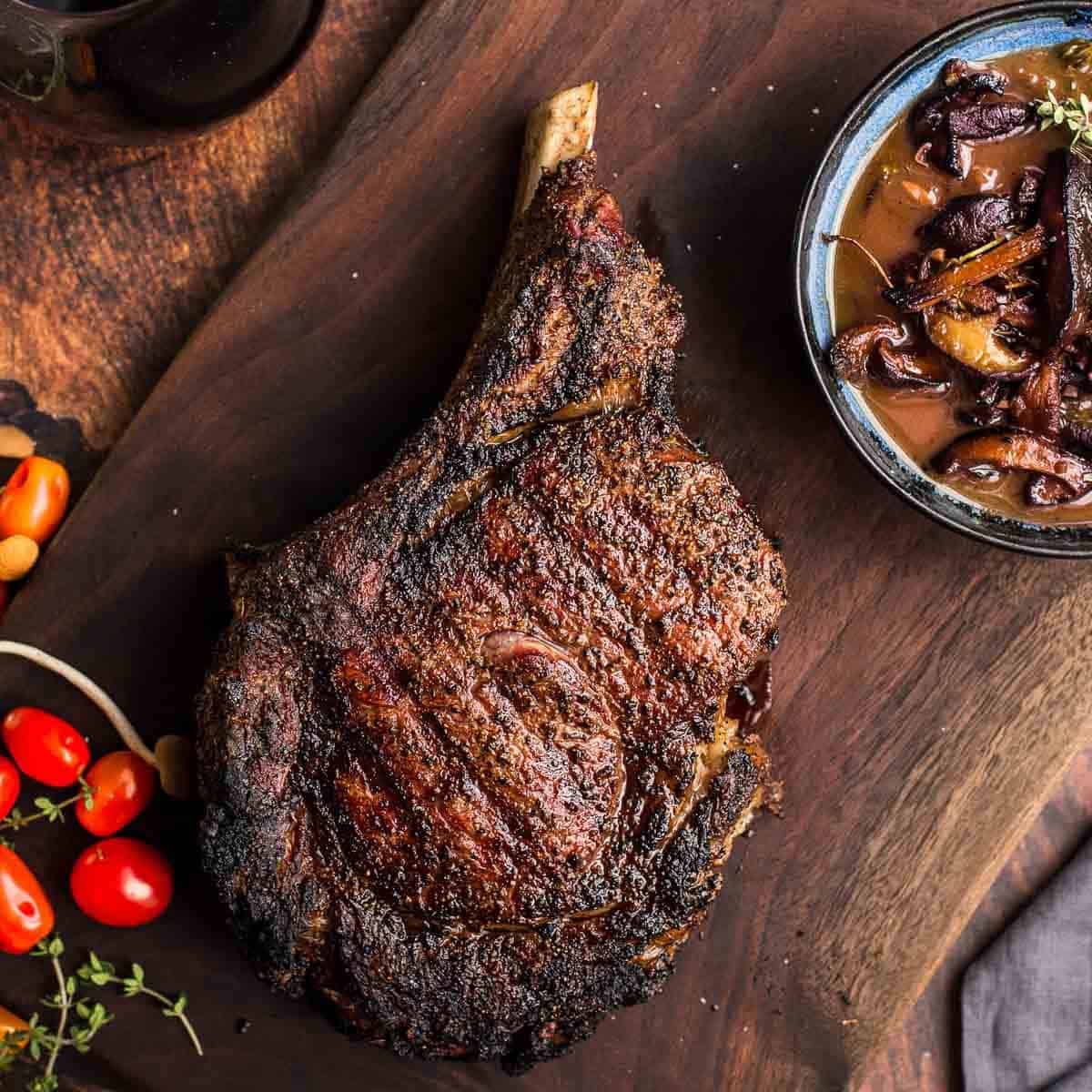
Credit: www.vindulge.com
Grilling The T-bone Steak
Grilling a T-bone steak on a gas grill is all about mastering heat control and timing. This cut offers the best of both worlds—tenderloin on one side and strip steak on the other—so it deserves careful attention. Getting the grilling process right will ensure a juicy, flavorful steak every time you fire up your grill.
Searing For Flavor
Searing locks in the steak’s juices and creates a delicious crust that adds texture and depth. Start with a hot grill—aim for at least 450°F—so the steak gets that perfect char quickly. Place the T-bone on the grill and leave it untouched for 2-3 minutes per side to develop a rich, caramelized surface.
Have you noticed how flipping the steak too often prevents that crust from forming? Resist the urge to check too frequently. Let the grill do its work to build flavor.
Cooking To Desired Doneness
After searing, move the steak to a cooler part of the grill to cook through without burning. This indirect heat method allows the inside to reach your preferred doneness while keeping the outside beautifully seared. For medium-rare, aim for an internal temperature around 130-135°F; medium is 140-145°F.
Keep in mind, the thickness of your T-bone affects cooking time. A thicker steak might need an extra few minutes, so stay attentive but patient. Remember, the steak will continue to cook slightly after you remove it from the grill.
Using A Meat Thermometer
A reliable meat thermometer takes the guesswork out of grilling. Insert it into the thickest part of the tenderloin side, avoiding the bone, to get an accurate reading. This simple tool helps you avoid undercooking or overcooking your steak.
If you don’t have a thermometer, try the finger test method to estimate doneness—but nothing beats the precision of a digital probe. Would you trust a guess when perfect steak is within reach?
Resting And Serving
Resting and serving your T-bone steak correctly is key to enjoying its full flavor and juicy texture. After grilling, the steak needs a short pause before cutting. This allows the juices to settle inside. Serving it with the right sides enhances the meal experience. Here’s how to handle resting and serving for the best results.
Resting Time Importance
Resting lets the steak’s juices redistribute evenly. Cutting immediately can cause the juices to spill out. This makes the meat dry and less tasty. A good resting time is about 5 to 10 minutes. Cover the steak loosely with foil to keep it warm. This step keeps the steak juicy and tender.
Serving Suggestions
Serve the T-bone steak with simple, fresh sides. Grilled vegetables like asparagus or bell peppers add color and flavor. A baked potato or mashed potatoes make a classic, filling choice. Fresh salad with a light dressing balances the richness of the steak. For sauces, try garlic butter or a simple chimichurri. These enhance the steak without overpowering its taste.

Credit: www.reddit.com
Tips For Juicy Results
Getting a juicy T-bone steak on your gas grill is all about mastering a few essential tips. These tips help keep the meat tender and full of flavor, so every bite is satisfying. Let’s dive into practical ways to boost juiciness and taste.
Avoiding Common Mistakes
One common mistake is cooking the steak straight from the fridge. Let it sit at room temperature for about 30 minutes before grilling to ensure even cooking.
Avoid pressing down on the steak with your spatula; it squeezes out valuable juices. Also, don’t flip the steak too often—one or two flips are enough to get those perfect grill marks and seal in moisture.
Overcooking is another pitfall. Use a meat thermometer to check for doneness instead of guessing. Aim for 130°F for medium-rare and 140°F for medium to keep the steak juicy.
Enhancing Flavor With Marinades And Rubs
Adding a marinade or dry rub can dramatically improve flavor without drying out the steak. Choose marinades with acidic ingredients like lemon juice or vinegar to tenderize, but don’t soak the steak for more than 2 hours.
Dry rubs with salt, pepper, garlic powder, and paprika add a nice crust and enhance natural flavors. Apply the rub generously and let it sit for at least 30 minutes before grilling to allow the flavors to penetrate.
Have you tried brushing a little melted butter mixed with herbs on your steak during the last few minutes of grilling? It adds richness and helps keep the surface moist.

Credit: www.youtube.com
Frequently Asked Questions
How Long To Grill A T-bone Steak On Gas Grill?
Grill a T-bone steak for about 4-5 minutes per side. Use medium-high heat for best results. Cooking time varies with steak thickness. Always rest the steak 5 minutes before serving. This helps retain juices and enhances flavor.
What Temperature To Grill T-bone Steak On Gas Grill?
Preheat your gas grill to around 450°F (232°C). This high heat sears the steak well. It locks in juices and creates a flavorful crust. Use a meat thermometer to check doneness. Adjust heat as needed during cooking.
Should I Marinate T-bone Steak Before Grilling?
Marinating is optional but recommended for extra flavor. Use a simple marinade with oil, herbs, and spices. Marinate for 30 minutes to 2 hours. Avoid overly acidic marinades that can toughen the meat. Pat dry before grilling for better sear.
How To Tell When T-bone Steak Is Done?
Use a meat thermometer for accuracy. Medium-rare is 130°F to 135°F (54°C to 57°C). Medium is 140°F to 145°F (60°C to 63°C). Look for clear juices and a firm texture. Rest steak 5 minutes before slicing.
Conclusion
Grilling a T-bone steak on a gas grill is simple and fun. Start with good heat and clean grill marks. Cook each side carefully for the best taste. Let the steak rest before cutting to keep it juicy. Try different seasonings to find your favorite flavor.
Enjoy your delicious, tender steak with family and friends. This easy method will help you grill with confidence every time. Ready to fire up your gas grill? Your perfect T-bone steak awaits.
