
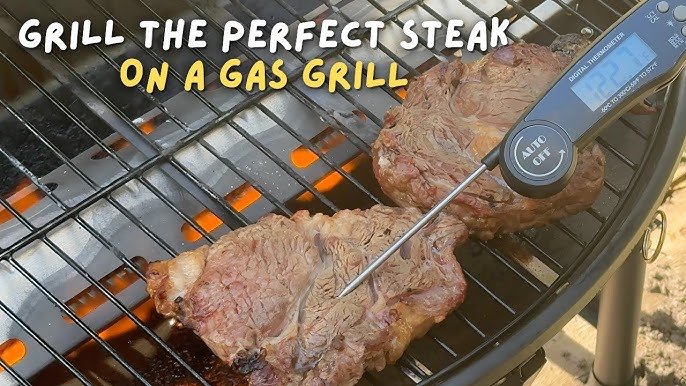
Grilling the perfect steak on your gas grill isn’t just about tossing the meat on and hoping for the best. The right temperature can make all the difference between a juicy, flavorful bite and a tough, overcooked mess.
If you’ve ever wondered, “What temp should I grill steak on my gas grill? ” you’re about to find out exactly how to get it right every time. Keep reading, and you’ll learn the secret to grilling steak that will impress your family and friends—and keep them asking for more.
Choosing The Right Temperature
Choosing the right temperature for grilling steak on a gas grill can make all the difference between a juicy, flavorful bite and a dry, tough piece of meat. It’s not just about getting the grill hot; it’s about knowing when to use high, medium, or low heat to match the cut and thickness of your steak. Understanding these temperature zones helps you control the cooking process and achieve the steak you want every time.
High Heat For Searing
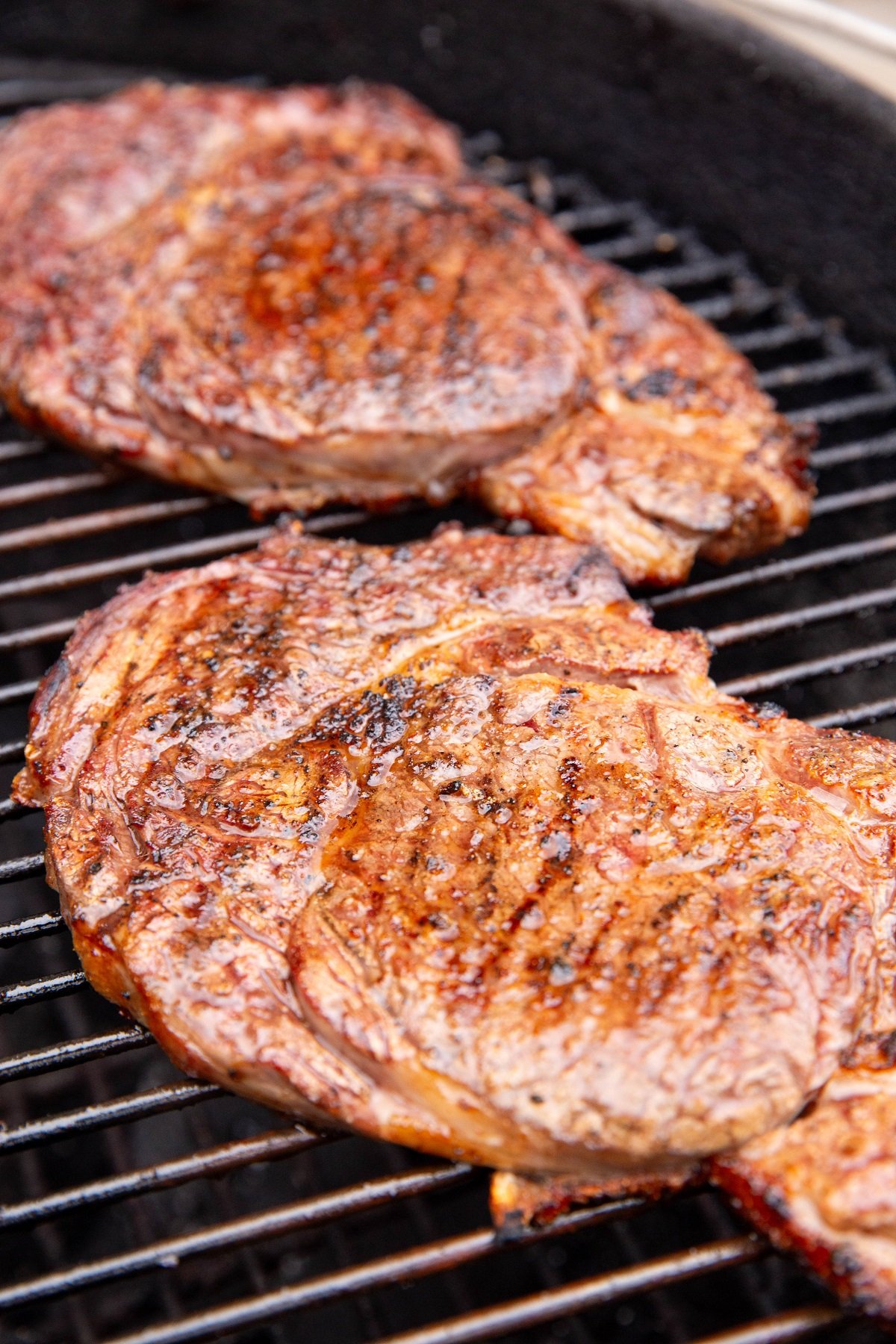
Searing your steak over high heat creates a delicious crust that locks in juices. Set your gas grill to around 450°F to 500°F for this intense heat. This method works best for thinner cuts or when you want a quick, caramelized surface.
Have you ever noticed how a great sear enhances flavor? It’s because the Maillard reaction happens only at high temperatures. Just remember to watch closely—high heat can burn your steak if you’re not careful.
Medium Heat For Even Cooking
Medium heat, usually between 350°F and 400°F, is perfect for cooking steak evenly without charring the outside. It’s ideal for thicker cuts that need more time to cook through. You get a nicely browned exterior and a tender, juicy interior.
Think about how long your steak needs to cook to reach your preferred doneness. Medium heat gives you the control to adjust timing and temperature gradually. This balance is crucial if you’re grilling ribeye, sirloin, or filet mignon.
Low Heat For Gentle Cooking
Low heat, around 250°F to 300°F, is for gentle cooking, especially when you want to avoid overcooking the outside while the inside reaches the right temperature. This method is great for very thick steaks or when using reverse searing techniques.
Have you tried slow-cooking your steak before searing? It’s a game changer. Low heat lets the steak warm evenly, reducing the risk of a burnt crust and giving you more control over the final result.
Credit: www.theroastedroot.net
Ideal Temperature Ranges
Grilling steak perfectly depends on the right temperature range. Different doneness levels require specific heat settings. Knowing these ranges helps you achieve juicy and flavorful results. Use a meat thermometer to check internal temperature precisely. Each range targets a unique texture and taste.
Rare And Medium Rare
For rare steak, aim for an internal temperature of 120°F to 130°F. The meat stays red and cool inside. Medium rare is slightly warmer, between 130°F and 135°F. It has a warm red center and is tender. These temperatures preserve the steak’s natural juices and softness.
Medium To Medium Well
Medium steak cooks to 135°F–145°F. It has a pink center and firmer texture. Medium well ranges from 145°F to 155°F. The steak is mostly brown with a hint of pink inside. These temperatures balance tenderness with more cooked flavors.
Well Done
Well done steaks reach 155°F or higher. The meat is fully cooked through with no pink. It tends to be firmer and drier. Use this temperature range if you prefer a thoroughly cooked steak with a firmer bite.
Factors Affecting Grill Temperature
Grill temperature is key to cooking steak perfectly on a gas grill. Several factors affect how hot your grill gets and how heat spreads across the surface. Understanding these factors helps you set the right temperature for juicy, tender steaks. Each element changes how fast or slow your steak cooks and how much flavor it gains.
Grill Model And Features
Different gas grills vary in power and heat control. High-quality grills often have better burners and heat distribution. Some models come with built-in thermometers or adjustable heat zones. These features help maintain a steady temperature. Smaller grills may heat unevenly, causing hot and cold spots. Knowing your grill’s strengths and limits is important for perfect grilling.
Steak Thickness And Cut
Thicker steaks need more time and different temperatures than thin cuts. Thick cuts require medium heat to cook inside without burning outside. Thin steaks cook quickly on high heat to keep them juicy. Different cuts have different fat levels and textures. Fat melts and adds flavor but also affects cooking time. Adjust heat based on steak size and type for best results.
Outdoor Conditions
Weather impacts grill temperature a lot. Wind can blow heat away, lowering grill temperature. Cold air makes the grill work harder to reach the right heat. Humidity and rain can also affect how heat stays on the grill surface. Positioning your grill in a sheltered spot helps keep temperature steady. Check weather before grilling and adjust heat accordingly.
Credit: www.outsideonline.com
Tips For Consistent Heat Control
Keeping a steady temperature on your gas grill is key to grilling a perfect steak. Consistent heat control helps cook the steak evenly and prevents burning or undercooking. Small actions can make a big difference in managing grill temperature effectively.
Preheating Your Gas Grill
Always preheat the grill before placing the steak. Turn all burners on to high and close the lid. Let the grill heat for 10 to 15 minutes. This ensures the grill reaches the right temperature for searing. A properly heated grill creates a nice crust and seals in juices.
Using Grill Thermometers
Built-in grill thermometers can be inaccurate. Use a separate grill thermometer for better results. Place it near the cooking area to monitor real heat. Check the temperature often during cooking. This helps maintain the right heat level for the steak.
Adjusting Burners Correctly
Learn to control each burner independently. Use a two-zone setup by turning one side to high and the other to low. Start cooking the steak on the hot side for searing. Then move it to the cooler side to finish cooking slowly. Adjust burners to keep steady heat and avoid flare-ups.
Steps To Grill The Perfect Steak
Grilling the perfect steak on a gas grill involves more than just turning on the heat. It requires careful preparation, precise cooking, and a bit of patience at the end. Mastering these steps helps you achieve a juicy, flavorful steak every time.
Preparing The Steak
Start with a steak that’s at room temperature to ensure even cooking. Pat it dry with paper towels—moisture on the surface will steam the steak instead of searing it.
Season generously with salt and pepper. Don’t be shy; seasoning deeply enhances the flavor. If you want, add garlic powder or your favorite steak rub, but keep it simple to let the meat shine.
Searing And Cooking
Preheat your gas grill to high heat, around 450°F to 500°F. A hot grill is key to creating a nice crust.
Place the steak on the grill and resist the urge to move it around. Let it sear for 3 to 4 minutes per side depending on thickness and desired doneness.
Use a meat thermometer to check internal temperature. Aim for:
- 120°F for rare
- 130°F for medium-rare
- 140°F for medium
- 150°F for medium-well
Do you ever wonder if flipping multiple times cooks steak faster? The answer is no—flipping too often prevents proper searing.
Resting And Serving
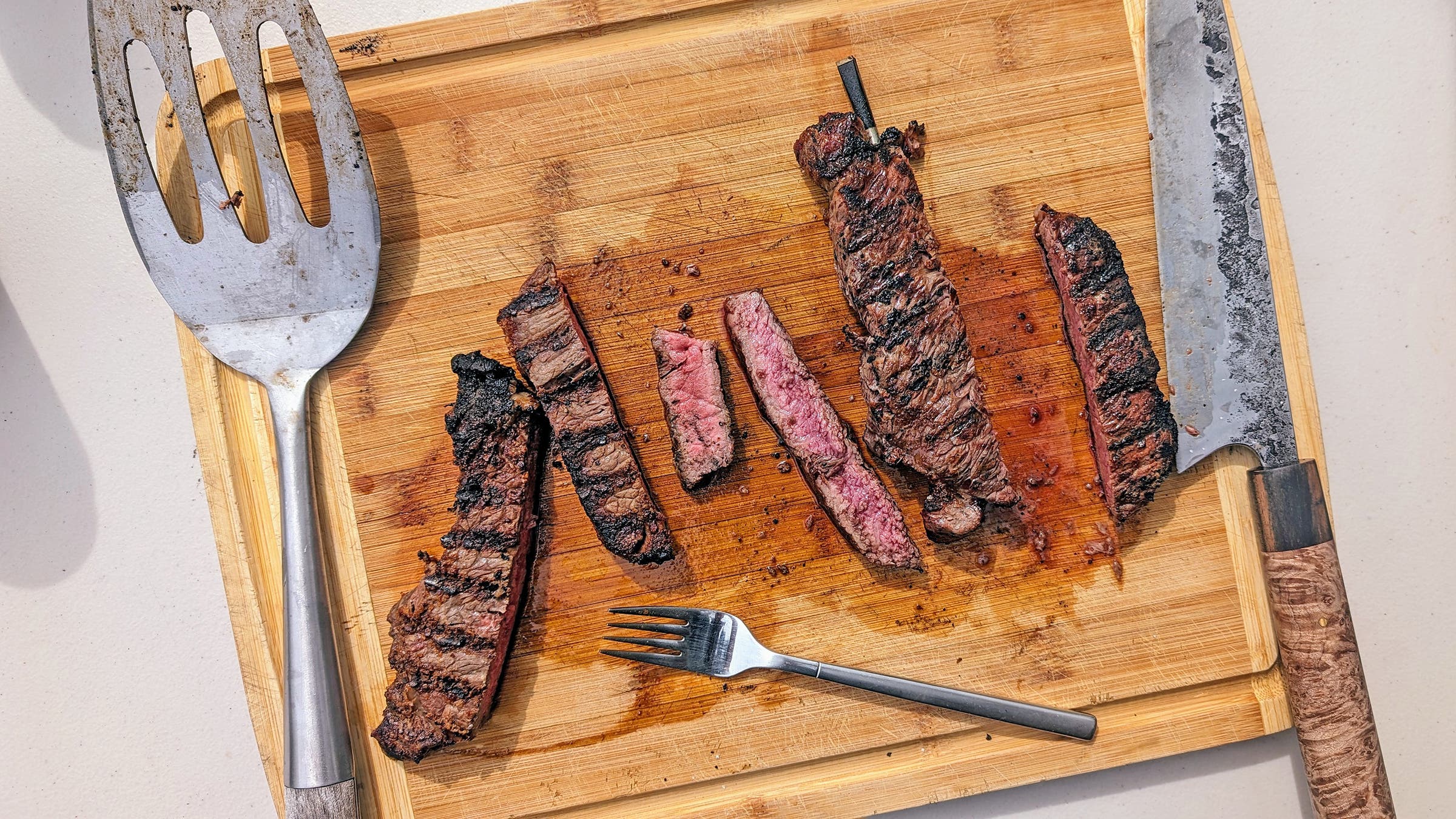
After grilling, let the steak rest for at least 5 minutes. This allows juices to redistribute, keeping the steak moist.
Cut against the grain to maximize tenderness. Serve with your favorite sides and enjoy the full flavor.
Have you noticed how resting changes the texture of your steak? It’s a small step that makes a big difference.
Common Mistakes To Avoid
Grilling steak on a gas grill requires attention to detail. Avoiding common mistakes can improve the taste and texture of your steak. Many overlook crucial steps, which leads to disappointing results. Follow these tips to get the best from your grill and steak.
Grilling At Too Low Heat
Low heat causes the steak to cook unevenly. It can make the meat tough and dry. High heat sears the outside, locking in juices. Aim for a temperature around 450-500°F for best results. Avoid slow cooking on a gas grill meant for quick searing.
Skipping The Resting Period
Cutting the steak immediately after grilling lets juices escape. This results in a dry and less flavorful steak. Rest the steak for 5 to 10 minutes before slicing. The juices redistribute, making the steak juicy and tender.
Overcooking The Steak
Leaving steak on the grill too long ruins its texture and taste. Overcooked steak becomes tough and chewy. Use a meat thermometer to check doneness. Remove the steak from the grill at the right internal temperature for your preferred doneness.

Credit: wildwoodgrilling.com
Frequently Asked Questions
What Is The Ideal Temperature To Grill Steak On Gas Grill?
The ideal gas grill temperature for steak is 450°F to 500°F. This high heat sears the steak quickly, locking in juices and flavor.
How Long Should Steak Cook At 500°f On Gas Grill?
Cook steak for 4-5 minutes per side at 500°F for medium-rare. Adjust time for thickness and preferred doneness.
Should I Preheat Gas Grill Before Grilling Steak?
Yes, preheat your gas grill for 10-15 minutes to reach the desired temperature. It ensures even cooking and perfect sear.
What Gas Grill Setting Is Best For Thick Steak?
Use high heat (450°F to 500°F) for searing thick steaks, then move to medium heat to finish cooking evenly.
Conclusion
Grilling steak at the right temperature makes all the difference. Set your gas grill to high heat for searing. Then, lower the heat to cook steak evenly inside. Use a thermometer to check doneness. This way, you get juicy and tender steak every time.
Remember, practice helps you find the perfect grill settings. Enjoy your delicious steak with confidence!
