
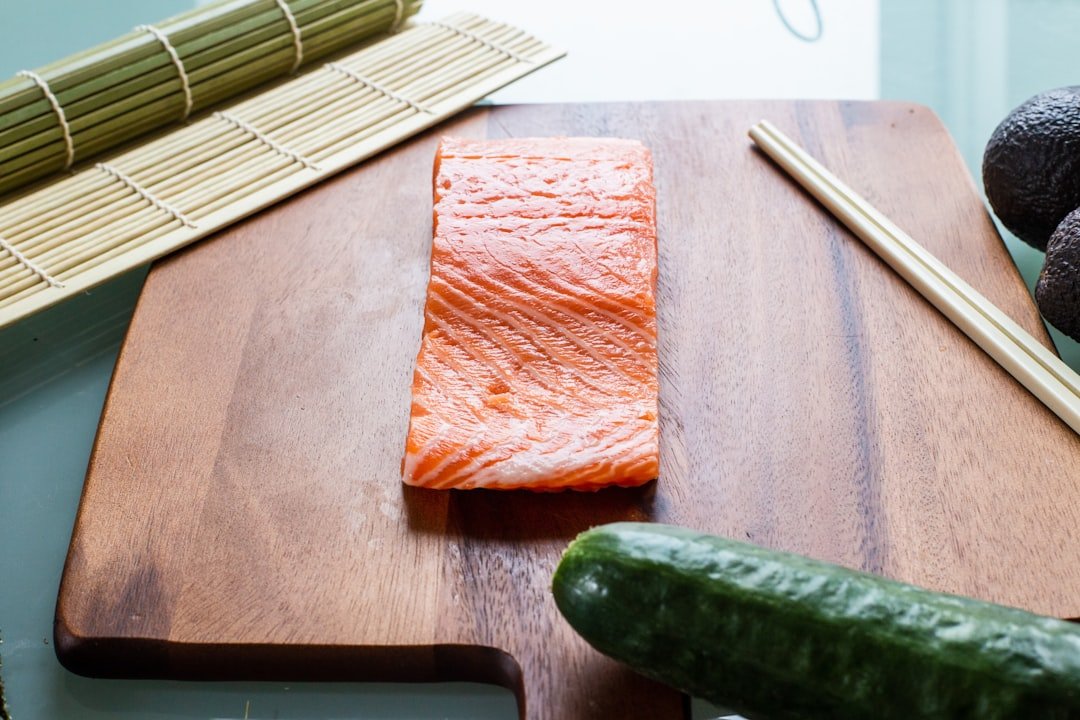
Grilling salmon is one of the best ways to enjoy its rich, fresh flavor. But do you know the perfect temperature to cook salmon on the grill?
Getting this right can mean the difference between dry, overcooked fish and a juicy, tender meal that melts in your mouth. You’ll discover exactly what grill temperature to use, plus simple tips to make your salmon turn out perfectly every time.
Ready to impress your family and friends with restaurant-quality grilled salmon? Keep reading and master the art of grilling salmon like a pro.

Credit: www.tasteofhome.com
Choosing The Right Salmon
Picking the right salmon is the first step to grilling a perfect meal. The quality and type of salmon you choose affect not only the taste but also how it cooks on the grill. Understanding your options helps you make the best choice for your grilling style and flavor preferences.
Types Of Salmon
Salmon comes in several varieties, each with unique flavors and textures. Wild-caught salmon, like sockeye or king, offers a richer taste and firmer flesh. Farmed salmon tends to be milder and fattier, which can give you a juicier result on the grill.
Think about what you want from your meal: a bold, deep flavor or a softer, buttery finish? Your answer can guide you toward the right type. Have you tried mixing types to see which suits your grilling best?
Fresh Vs Frozen Salmon
Fresh salmon is often preferred for grilling because it retains more moisture and flavor. However, high-quality frozen salmon can be just as good if thawed properly. Avoid thawing it in warm water; instead, let it thaw slowly in the fridge overnight for the best texture.
Do you check the smell and color before cooking? Fresh salmon should have a mild scent and bright flesh. If you notice any off smell or dullness, it’s best to skip it for grilling.
Preparing Salmon For Grilling
Before you place salmon on the grill, preparation is key. Remove any pin bones with tweezers to avoid surprises while eating. Lightly oil the fish and season with salt, pepper, or your favorite herbs to enhance natural flavors without overpowering them.
Marinating can add extra flavor, but keep it short—15 to 30 minutes is enough to avoid the fish becoming mushy. How do you usually prepare your salmon? Try experimenting with simple lemon and dill for a fresh, bright taste that grills beautifully.
Grill Temperature Basics
Grill temperature plays a key role in cooking salmon perfectly. The right heat ensures the fish cooks evenly and stays juicy. Understanding basic grill temperatures helps avoid overcooking or undercooking. It also enhances flavor and texture. Let’s explore important temperature concepts for grilling salmon.
High Vs Medium Heat
High heat ranges from 400°F to 450°F (204°C to 232°C). It sears the salmon quickly, creating a crispy crust. Use high heat for thick fillets or steaks to lock in moisture.
Medium heat is between 325°F and 375°F (163°C to 191°C). It cooks salmon gently and evenly. Medium heat works well for delicate fillets and prevents burning.
Direct Vs Indirect Heat
Direct heat means placing salmon directly above the flames or heat source. This method cooks fast and gives a nice char.
Indirect heat places salmon away from the direct flame. Use indirect heat for slower, even cooking. It’s ideal for thicker pieces or whole salmon.
Using A Grill Thermometer
A grill thermometer shows the exact temperature inside the grill. It helps maintain steady heat for perfect cooking.
Insert the thermometer probe near the salmon. Check the temperature often to avoid sudden heat changes. Accurate temperature control improves salmon texture and flavor.
Ideal Cooking Temperature For Salmon
Finding the ideal cooking temperature for salmon on the grill is key. It ensures juicy, tender fish with a smoky flavor. Too hot, and the salmon dries out. Too cool, and it cooks too slowly, losing texture and taste. Knowing the right temperature helps achieve perfect results every time.
Optimal Grill Temperature Range
Set the grill between 375°F and 400°F for best results. This range cooks the salmon evenly without burning. It allows the skin to crisp nicely while the inside stays moist. Medium-high heat is ideal for grilling salmon fillets or steaks.
Target Internal Temperature
Cook salmon until it reaches an internal temperature of 125°F to 130°F. This temperature gives a moist, slightly translucent center. Use a meat thermometer to check inside the thickest part. Remove the salmon from heat just before it hits 130°F. It will continue cooking slightly after resting.
Factors Affecting Cooking Time
- Salmon thickness: Thicker cuts take longer to cook.
- Grill type: Gas grills heat differently than charcoal grills.
- Outdoor temperature: Cold weather can slow cooking time.
- Skin on or off: Skin helps protect the fish and speeds cooking.
Adjust grilling time based on these factors. Generally, salmon takes about 8-12 minutes on the grill. Flip halfway through for even cooking and grill marks.
Grilling Techniques For Perfect Salmon
Grilling salmon to perfection demands more than just knowing the right temperature. Mastering specific techniques can elevate your salmon’s flavor and texture, making each bite memorable. Let’s dive into essential grilling tips that will help you achieve beautifully cooked salmon every time.
Preheating The Grill
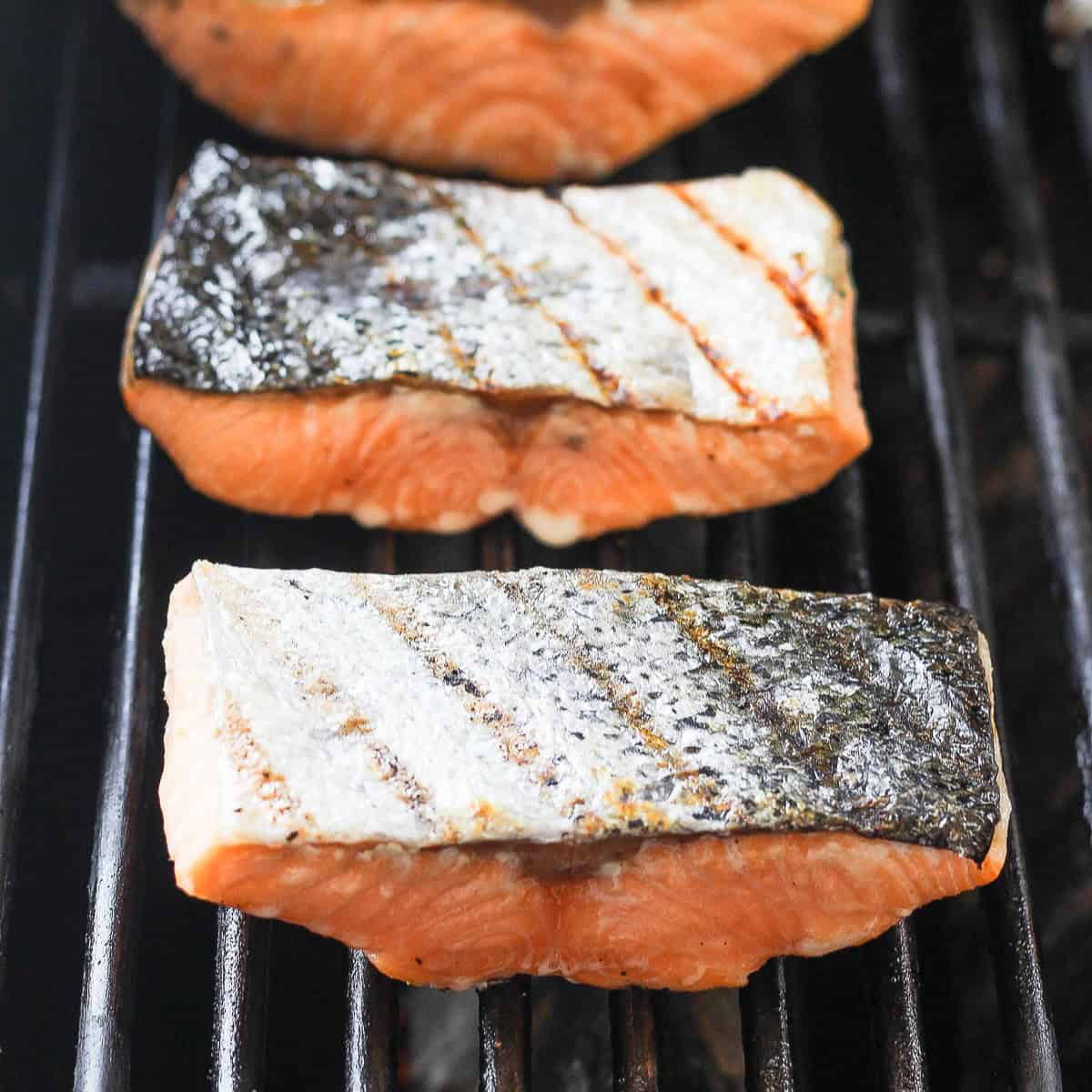
Always preheat your grill before placing the salmon on it. A hot grill ensures a good sear and prevents the fish from sticking to the grates. Aim for a medium-high heat, around 375°F to 400°F, which locks in juices and creates a crispy exterior.
If you skip preheating, your salmon might cook unevenly and fall apart when you try to flip it. Have you noticed how a cold grill turns fish into a sticky mess? That’s why this step is crucial.
Oil And Seasoning Tips
Lightly oil the salmon and the grill grates to avoid sticking. Use oils with high smoke points like avocado or grapeseed oil for best results. Don’t overdo it; just a thin layer is enough to protect the fish.
Season simply with salt, pepper, and maybe a squeeze of lemon. Overloading with heavy marinades can mask the natural salmon flavor and cause flare-ups. Have you tried seasoning just before grilling to keep the fish fresh and flavorful?
Using Foil Or Grill Basket
If you’re worried about the salmon breaking apart, foil or a grill basket can be your best friend. Wrapping the fish in foil traps moisture, keeping the salmon tender and juicy.
A grill basket allows you to flip the salmon easily without losing any pieces. It’s especially helpful if you’re grilling smaller fillets or skinless cuts. What’s your go-to method for keeping salmon intact on the grill?
Checking Doneness
Checking the doneness of salmon on the grill ensures perfect taste and texture. Overcooked salmon becomes dry, while undercooked fish may feel raw. Learning how to check doneness helps serve salmon at its best. Simple techniques help spot when salmon is ready to eat.
Visual Cues
Watch the salmon’s color change from translucent to opaque. The flesh turns light pink or coral when cooked. Look for a slight gap between the flakes on the surface. The skin may crisp up and pull away from the flesh.
Flaking Test
Use a fork to gently press the salmon. Cooked salmon flakes easily along its natural lines. If the flesh resists or feels mushy, it needs more time. Avoid pressing too hard to keep the salmon intact.
Using A Meat Thermometer
Insert a meat thermometer into the thickest part of the salmon. The ideal internal temperature is 125°F (52°C) for medium doneness. For firmer texture, cook up to 145°F (63°C). Remove the salmon from the grill at the right temperature to keep it juicy.
Credit: feelgoodfoodie.net
Common Grilling Mistakes
Grilling salmon can be a rewarding experience, but it’s easy to slip into habits that ruin your meal. Avoiding common grilling mistakes can make the difference between a perfectly cooked fillet and a disappointing one. Let’s look at some frequent pitfalls and how you can steer clear of them to get the best results on your grill.
Overcooking
Salmon cooks quickly, so it’s easy to overdo it. When salmon is overcooked, it becomes dry and loses its natural buttery texture. Pay close attention to the grill temperature and cooking time—usually around 375°F to 400°F for 6-8 minutes per side works well.
Use a thermometer to check the internal temperature; salmon is done at 145°F but many chefs recommend pulling it off at 125°F to 130°F for a moister finish. Have you ever cut into salmon only to find it tough and chalky? That’s a clear sign of overcooking.
Sticking To The Grill
Salmon sticking to the grill grates is frustrating and can ruin the presentation of your meal. This usually happens because the grill isn’t hot enough or the fish wasn’t oiled properly. Make sure your grill is preheated and clean before placing the salmon down.
Brush both the salmon skin and the grates with oil to create a barrier. Resist the urge to flip the fish too early; it should release naturally when it’s ready to turn. Have you tried flipping salmon only to have it tear apart? That’s a sign you need to be more patient.
Uneven Cooking
Uneven cooking leaves parts of your salmon raw while others are overdone. This often happens when the fillets are of uneven thickness or the grill temperature is inconsistent. Try to use fillets that are similar in size and thickness for even heat distribution.
Consider using indirect heat or moving the salmon to a cooler part of the grill after searing to allow the inside to cook gently without burning the outside. Are you noticing one side charred and the other barely cooked? Adjusting your grill zones might be the solution.
Serving Suggestions
Serving grilled salmon at the right temperature is just the start. How you present it completes the experience. Thoughtful serving suggestions enhance flavor and enjoyment. This section explores simple ways to serve your grilled salmon perfectly every time.
Resting Time
Let the salmon rest after grilling. Resting keeps juices inside. Cover it loosely with foil. Rest for about 5 minutes. This step helps the fish stay moist and tender.
Pairing With Sides
Choose sides that balance the salmon’s rich flavor. Fresh vegetables like asparagus or green beans work well. Light salads with citrus dressings add brightness. Roasted potatoes or rice offer a hearty touch. Keep sides simple to highlight the fish.
Sauces And Garnishes
- Lemon butter sauce adds a creamy, tangy note.
- Dill sauce complements salmon’s natural taste.
- Mango salsa brings a sweet and spicy twist.
- Fresh herbs like parsley or chives brighten the plate.
- A wedge of lemon adds freshness and color.

Credit: thestayathomechef.com
Frequently Asked Questions
What Temperature Is Best For Grilling Salmon?
The ideal grill temperature for salmon is between 375°F and 400°F. This range ensures even cooking and a crispy exterior without drying out the fish. Cooking salmon at this temperature locks in moisture and enhances its natural flavors.
How Long To Grill Salmon At 400°f?
Grill salmon for about 10-12 minutes at 400°F. Cook skin-side down first, then flip carefully. The fish is done when it flakes easily with a fork and reaches an internal temperature of 145°F.
Can I Grill Salmon At High Heat?
Yes, grilling salmon at high heat (around 450°F) is possible. However, monitor closely to avoid burning. High heat gives a nice charred crust but requires quick cooking to maintain juiciness.
Should Salmon Be Cooked Covered Or Uncovered On Grill?
Salmon is best grilled uncovered to achieve a crispy skin and smoky flavor. Covering traps steam, which can make the fish soggy. Use a grill lid only briefly if you want to speed up cooking.
Conclusion
Grilling salmon at the right temperature makes all the difference. Aim for a medium heat around 375°F to 400°F. This helps cook the fish evenly without drying it out. Watch for a firm texture and flaky look. These signs show your salmon is ready to enjoy.
Keep it simple and trust the process. Perfect grilled salmon is just a few steps away.
