
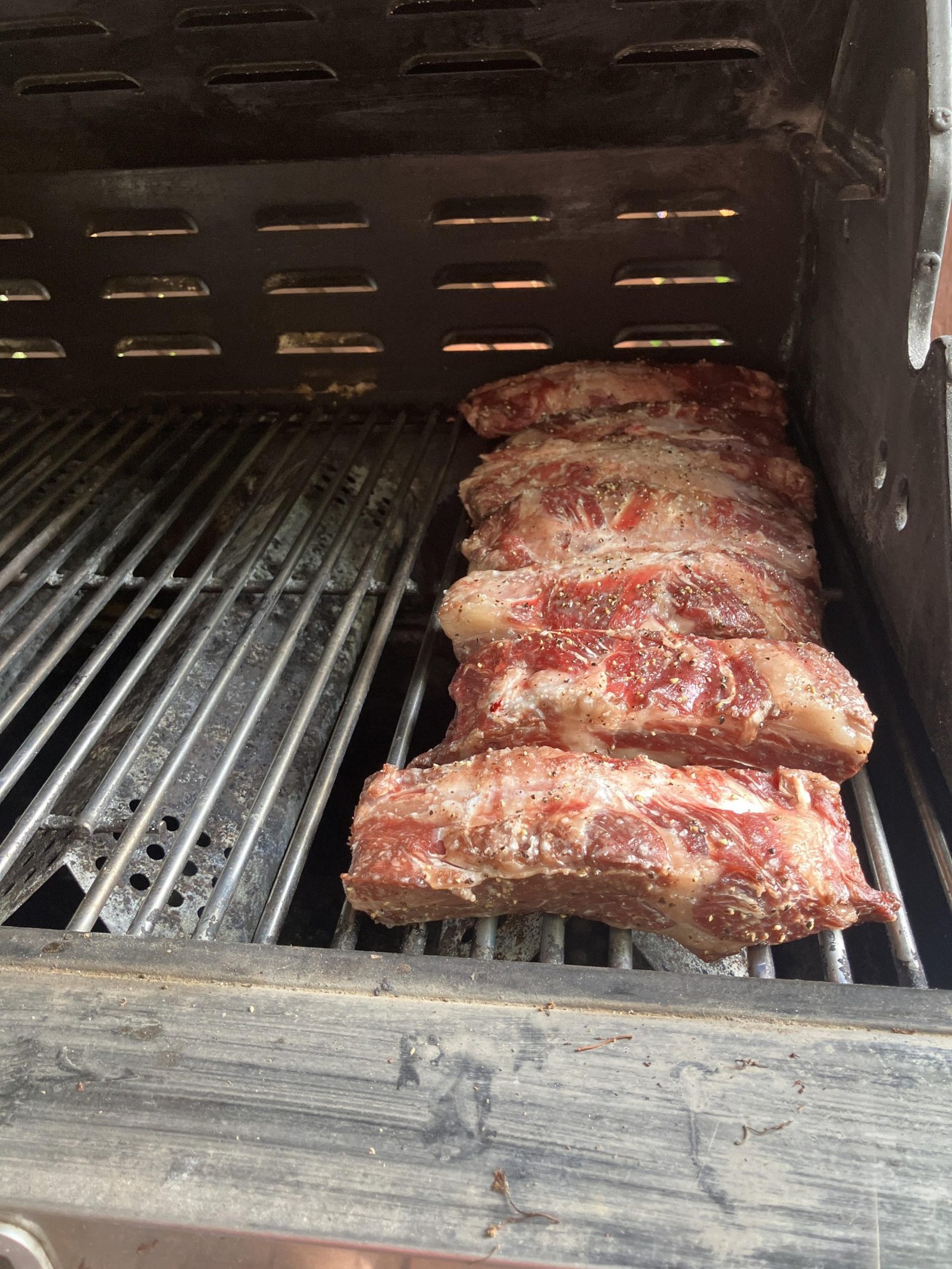
If you love juicy, tender ribs with that perfect smoky flavor, knowing how long to cook ribs on your gas grill is key. You might have tried grilling ribs before and ended up with tough or undercooked meat.
Don’t worry—getting the timing right can change everything. This guide will help you master the exact cooking time to make your ribs fall-off-the-bone delicious every time. Ready to impress your family and friends with mouthwatering ribs? Let’s dive in and unlock the secrets to grilling ribs perfectly on your gas grill.

Credit: www.thepioneerwoman.com
Choosing The Right Ribs
Choosing the right ribs is the first step to grilling success. The type and quality of ribs affect taste, tenderness, and cooking time. Picking ribs suited for your grill and recipe makes the process easier and more enjoyable. Knowing the options helps you decide quickly and confidently.
Types Of Ribs
Ribs come in several types. Each type has a different texture and flavor. Here are common types:
- Baby Back Ribs:Smaller, leaner, and cook faster. They come from the upper part of the rib cage.
- Spare Ribs:Larger, meatier, with more fat. They come from the lower part of the rib cage.
- St. Louis Style Ribs:Spare ribs trimmed to a rectangular shape. Easier to cook evenly.
- Country-Style Ribs:Not true ribs but cut from the shoulder. Very meaty and tender.
Quality Selection Tips
Good quality ribs make a big difference. Check for these signs:
- Look for pinkish-red color. Avoid gray or brown meat.
- Choose ribs with firm, moist meat. Avoid dry or slimy texture.
- Good marbling adds flavor and tenderness. Small streaks of fat are best.
- Check the bone size. Smaller bones usually mean more meat.
- Fresh ribs should have a clean smell. Avoid strong or sour odors.
Preparing Ribs For Grilling
Preparing ribs properly sets the stage for tender, flavorful results on the gas grill. Clean ribs cook more evenly, and seasoning adds layers of taste. Taking time for these steps improves the final dish.
Trimming And Cleaning
Start by removing the thin silver skin on the back of the ribs. This membrane can make ribs tough if left on. Use a paper towel to grip and pull it off easily.
Trim any excess fat or loose bits. This helps prevent flare-ups on the grill. Rinse the ribs under cold water and pat them dry with paper towels. Clean ribs cook better and absorb flavors well.
Marinating And Seasoning
Marinate ribs to add moisture and flavor. Use simple mixtures like olive oil, vinegar, and spices. Let ribs soak for at least 30 minutes or up to overnight in the fridge.
Dry rubs are a popular choice too. Combine salt, pepper, paprika, garlic powder, and brown sugar. Rub the mix evenly on all sides of the ribs. Let the seasoning sit for 15 to 30 minutes before grilling.
Setting Up The Gas Grill
Setting up your gas grill correctly is key to cooking ribs that are tender and full of flavor. Taking the time to prepare your grill ensures even heat distribution and prevents flare-ups that could ruin your meal. Let’s break down the essential steps to get your gas grill ready for slow-cooked ribs.
Preheating The Grill
Start by turning on your gas grill and setting it to a medium heat level. Preheat the grill for about 10 to 15 minutes with the lid closed. This step helps burn off any residue and warms the grill grates evenly.
Have you noticed how ribs cook better when the grill is properly heated? That’s because consistent heat is crucial for slow-cooking ribs without drying them out.
Temperature Control Techniques
Maintaining the right temperature is the secret to juicy ribs. Aim for a steady 225°F to 250°F to cook ribs low and slow.
- Use the burners on one side of the grill to create indirect heat.
- Place the ribs on the cooler side, away from direct flames.
- Adjust the burner knobs to control the heat while keeping the lid closed as much as possible.
Have you tried using a grill thermometer? It’s a simple tool that tells you exactly when to adjust the heat. This prevents guesswork and makes your ribs turn out perfectly every time.
Grilling Techniques For Tender Ribs
Grilling ribs on a gas grill needs the right techniques to make them tender and juicy. The cooking process involves controlling heat and positioning the ribs carefully. These steps help break down tough fibers and keep the meat moist. Learning proper methods makes a big difference in taste and texture.
Direct Vs. Indirect Heat
Direct heat means placing ribs right above the flame. This cooks ribs fast but can dry them out. Use direct heat only for a short time to get a nice sear and color.
Indirect heat means placing ribs away from the flame. The ribs cook slower and more evenly this way. It helps keep the meat juicy and tender. Most of the cooking time should use indirect heat for best results.
Using A Rib Rack
A rib rack holds ribs upright on the grill. This saves space and allows air to flow around the ribs. The heat surrounds the meat evenly, cooking all ribs at the same pace.
Using a rib rack also helps avoid flare-ups. The fat drips away from the flames. It is a simple tool that improves cooking and makes grilling easier.
Determining Cooking Time
Determining the right cooking time for ribs on a gas grill can make all the difference between a tough bite and a tender, flavorful meal. It’s not just about setting a timer and walking away. Understanding what affects the timing helps you take control and cook ribs that impress every time.
Factors Affecting Cooking Time
Several key factors change how long your ribs need on the grill. First, the type of ribs matters—baby back ribs cook faster than spare ribs because they are smaller and leaner.
Then, consider the grill temperature. Cooking low and slow at around 225°F to 250°F usually takes longer but results in juicier ribs. Higher heat speeds things up but risks drying the meat.
Thickness and bone structure also play a role. Thicker ribs with more bone require more time to cook through evenly. Plus, if you use a marinade or dry rub, that can slightly affect cooking duration by altering moisture levels.
Estimated Cooking Duration
Most ribs on a gas grill take between 2 to 3 hours to cook well. Baby back ribs often need about 2 to 2.5 hours, while spare ribs can take up to 3 hours.
Using a two-zone grilling setup helps control time better—start ribs on indirect heat and finish with direct heat for a few minutes to crisp the surface. This approach can shave off some time while keeping ribs tender.
Have you tried checking ribs by feel? When the meat pulls back from the bone and feels tender when poked, they’re ready. Using a meat thermometer aiming for around 190°F internal temperature can also guide you precisely.
Checking Ribs For Doneness
Checking ribs for doneness is a crucial part of grilling. Perfectly cooked ribs offer tenderness and flavor. Overcooked ribs can dry out, while undercooked ribs remain tough. Knowing how to test ribs ensures the best results every time.
Use simple cues to check ribs before serving. Look closely and feel the texture. A meat thermometer helps confirm safety and doneness. These methods work well together for reliable results.
Visual And Texture Cues
Check ribs for a deep, rich color. The surface should be caramelized but not burnt. Look for meat pulling back from the bones by about a quarter inch.
Press ribs gently with fingers or tongs. They should feel firm but still springy. If ribs bend easily and the meat cracks slightly, they are tender. Avoid ribs that feel too soft or mushy.
Notice the juices. Clear or slightly pink juices indicate good doneness. Bright red juices mean the ribs need more time.
Using A Meat Thermometer
Insert a meat thermometer probe into the thickest part of the rib. Avoid touching the bone for an accurate reading. The ideal temperature range is 190°F to 203°F (88°C to 95°C).
Below 190°F, ribs may be tough. Above 203°F, ribs risk becoming dry. Use a reliable digital thermometer for quick results.
Check the temperature in several spots. This ensures even cooking throughout the ribs.
Enhancing Flavor With Sauces
Sauces can turn your gas-grilled ribs from good to unforgettable. They add moisture, depth, and a punch of flavor that complements the smoky char from the grill. Knowing how and when to use sauces can make all the difference in your rib-cooking experience.
Applying Sauce At The Right Time
Timing is key when applying sauce on ribs. If you add sauce too early, the sugars can burn and create a bitter taste. Instead, wait until the last 15 to 20 minutes of grilling to brush on your sauce.
This short cooking time allows the sauce to caramelize without burning. Try applying multiple thin layers rather than one thick coat. This builds a sticky, flavorful glaze that clings perfectly to the ribs.
Have you ever noticed your sauce dripping and burning? Adjust your timing and watch how the flavor improves dramatically.
Choosing The Best Sauce
Picking the right sauce depends on your flavor preference and the rib cut you’re grilling. Classic barbecue sauces with a balance of sweet, tangy, and smoky work well for most ribs.
Consider these popular options:
- Sweet and tangy:A mix of tomato, vinegar, and brown sugar for a traditional taste.
- Spicy:Add chili powder or hot sauce to bring heat and complexity.
- Mustard-based:Great for pork ribs, offering a sharp and tangy profile.
- Asian-inspired:Soy sauce, honey, and ginger for an unexpected twist.
Think about your guests’ tastes or experiment with homemade blends. What flavors excite your palate the most? Your sauce choice can elevate ribs from a meal to a memorable event.

Credit: laboucherie.mt
Resting And Serving Ribs
After grilling your ribs to tender perfection, the next crucial step is resting and serving them properly. Resting allows the juices to redistribute, making each bite juicy and flavorful. How you present and serve your ribs can elevate the entire meal experience for you and your guests.
Letting Ribs Rest
Resting ribs for about 10 to 15 minutes after taking them off the gas grill helps lock in moisture. Wrapping them loosely in foil keeps them warm without steaming the bark or crust you worked hard to create.
Try to resist cutting into them immediately. Have you noticed how slicing too soon causes juices to spill out? Letting the meat relax means every bite stays juicy and tender.
Presentation And Serving Ideas
Serving ribs doesn’t have to be plain. Use a wooden cutting board or a rustic platter to showcase the ribs’ smoky color and glistening glaze. Add fresh herbs like parsley or rosemary for a pop of color.
- Offer classic sides such as coleslaw, baked beans, or corn on the cob for a balanced plate.
- Provide wet wipes or napkins—ribs can get messy but that’s part of the fun.
- Consider a variety of sauces on the side, from tangy BBQ to spicy mustard, so guests can customize their flavor.
Have you ever tried serving ribs with unexpected sides like grilled pineapple or avocado salsa? These can surprise your taste buds and add freshness to the rich meat. What will you serve with your next rack?

Credit: cheflolaskitchen.com
Frequently Asked Questions
How Long Should Ribs Cook On A Gas Grill?
Cook ribs on a gas grill for 1. 5 to 2 hours. Use indirect heat at 225°F to 250°F for tender results. Turn ribs occasionally for even cooking. Wrapping ribs in foil after 1 hour helps retain moisture and tenderness.
What Temperature Is Ideal For Grilling Ribs?
The ideal gas grill temperature for ribs is 225°F to 250°F. This low and slow method ensures tender, juicy ribs. Avoid high heat to prevent drying or burning. Maintaining steady temperature is key for perfect rib grilling.
Should Ribs Be Cooked Covered Or Uncovered On Gas Grill?
Cook ribs covered on a gas grill to trap heat and smoke. Covering helps ribs cook evenly and stay moist. Use the grill lid to maintain consistent temperature. Uncovered ribs may dry out and cook unevenly.
How Do You Know When Ribs Are Done On The Grill?
Ribs are done when meat pulls away from bones easily. Internal temperature should reach about 190°F to 203°F for tenderness. You can also do the bend test—ribs should flex and crack slightly without breaking. Visual cues and temperature ensure perfect doneness.
Conclusion
Cooking ribs on a gas grill takes patience and care. Set the grill to low heat and cook slowly for best taste. Check ribs often to avoid burning or drying out. Use a meat thermometer to know when ribs are done.
Tender, juicy ribs come from proper timing and heat control. Practice makes perfect, so don’t rush the process. Enjoy your ribs with your favorite sauce or side dish. Grilling ribs can be simple and fun with the right steps.
