
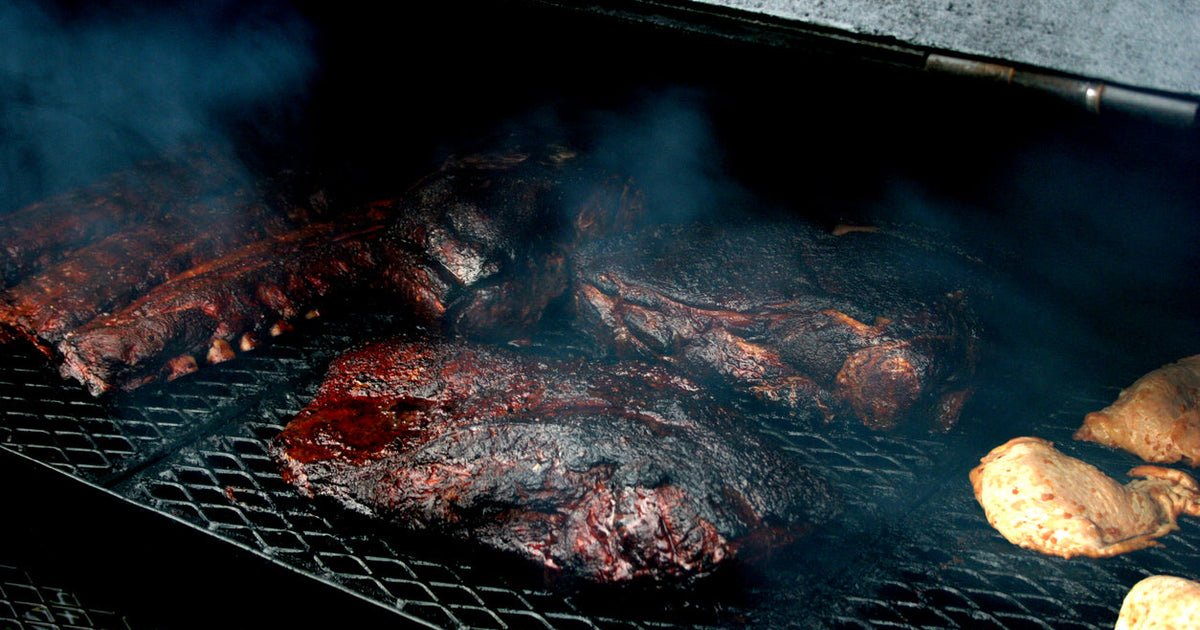
If you’ve ever wanted to master the art of smoking brisket on your grill, you’re in the right place. Smoking brisket might sound tricky, but with the right steps, you can turn your grill into a flavor powerhouse.
Imagine biting into tender, juicy meat with a smoky crust that melts in your mouth. Sounds amazing, right? In this guide, you’ll discover simple, clear tips that make smoking brisket easier than you think. Stick with me, and by the end, you’ll have the confidence to impress your friends and family with mouthwatering brisket every time.
Ready to get started? Let’s dive in.

Credit: www.youtube.com
Choosing The Right Brisket
Choosing the right brisket sets the stage for a tasty smoked meal. This cut needs careful selection to ensure tenderness and flavor. Good brisket will make smoking easier and more enjoyable. Focus on the cut type, quality, and size for best results.
Selecting The Cut
Brisket has two main parts: the flat and the point. The flat is leaner and slices nicely. The point has more fat and is juicier. Pick based on your taste preference. Some smokers choose whole packer brisket, which includes both parts. This offers a balance of lean and fatty meat.
Considering Quality And Size
Look for brisket with good marbling. Fine white lines of fat add flavor and moisture. Avoid cuts with large tough fat pieces. Size matters too. A 10 to 14-pound brisket fits most grills well. Bigger cuts take longer to cook and need more attention. Smaller pieces cook faster but may dry out.
Essential Tools And Equipment
Smoking brisket requires specific tools to get the best results. Using the right equipment helps keep the meat tender and full of flavor. It also makes the smoking process easier and more controlled. Understanding what tools you need saves time and prevents frustration.
Not all grills work the same for smoking. Knowing the type of grill suitable for smoking brisket is important. Also, having the proper accessories makes managing heat and smoke simpler.
Grill Types
- Charcoal Grill:Offers authentic smoky flavor. Requires skill to control temperature.
- Offset Smoker:Designed for smoking. Keeps heat and smoke separate from meat.
- Electric Smoker:Easy to use. Maintains steady temperature with little effort.
- Pellet Grill:Uses wood pellets. Provides consistent heat and great smoke flavor.
- Gas Grill with Smoker Box:Convenient option. Add wood chips for smoke taste.
Necessary Accessories
- Meat Thermometer:Essential for checking internal temperature accurately.
- Charcoal Chimney Starter:Helps light charcoal quickly and evenly.
- Wood Chips or Chunks:Add smoke flavor. Different woods give different tastes.
- Drip Pan:Catches fat drippings. Keeps grill clean and controls moisture.
- Heat-Resistant Gloves:Protect hands when handling hot grill parts or meat.
- Spray Bottle:Keeps meat moist by spraying water or marinade.
- Grill Tongs and Spatula:For turning and moving brisket safely.
- Aluminum Foil or Butcher Paper:Wraps brisket to keep moisture during cooking.
Preparing The Brisket
Preparing your brisket properly sets the foundation for a tender, flavorful smoke. This stage involves more than just tossing the meat on the grill. Taking a few extra minutes to get your brisket ready can dramatically improve the final taste and texture.
Trimming The Fat
Look at your brisket and decide how much fat to leave on. You want a thin layer—about a quarter-inch thick—to keep the meat moist during smoking. Too much fat can prevent smoke from penetrating, while too little might dry out the brisket.
Use a sharp knife to carefully trim away excess fat, especially the thick hard pieces. Save the fat trimmings for basting or making beef broth later. Have you ever noticed a brisket with a thick fat cap that never seems to absorb the smoky flavor? That’s why trimming matters.
Applying The Rub
Next, it’s time to season. Your rub doesn’t have to be complicated; a simple mix of salt, pepper, and paprika works wonders. Apply the rub evenly over the entire surface, pressing it gently into the meat.
Don’t be afraid to let the rub sit for at least 30 minutes before smoking. This rest allows the flavors to soak in. Have you tried rubbing your brisket the night before? It’s a game changer for deep, rich flavor.
Setting Up The Grill
Setting up your grill correctly is the foundation for smoking a perfect brisket. It’s not just about lighting the fire; it’s about creating the right environment that allows the meat to cook slowly and absorb rich smoky flavors. Your attention to detail here will make a noticeable difference in the final taste and texture.
Arranging Charcoal Or Wood
Start by choosing the right fuel. Lump charcoal burns hotter and cleaner, while briquettes offer consistent heat. Adding wood chunks like oak, hickory, or mesquite will give your brisket that classic smoky taste.
Arrange the charcoal or wood on one side of the grill to create indirect heat. This setup prevents your brisket from cooking too fast or burning. Think of it as creating a gentle oven rather than a direct flame.
Have you tried placing a drip pan under the grill grate on the cooler side? It catches fat drippings, reducing flare-ups and adds moisture to the cooking chamber.
Maintaining Temperature
Keeping a steady temperature between 225°F and 250°F is crucial. Too hot, and the brisket dries out; too cool, and it takes forever to cook. Use a reliable grill thermometer to monitor the heat regularly.
Adjust vents gradually to control airflow, which directly influences the fire’s intensity. Opening vents increases oxygen, making the fire burn hotter. Closing them lowers the temperature but don’t shut them completely, or the fire will go out.
Have a water spray bottle ready to tame any flare-ups instantly. I’ve found that small adjustments every 30 minutes keep the grill stable without stressing over it constantly.
Smoking Process
The smoking process is where your brisket transforms from a simple cut of meat into a tender, flavorful masterpiece. It requires patience and attention, but the results make every minute worth it. Understanding the key steps will help you control the temperature, smoke, and timing to get that perfect bark and juicy interior.
Placing The Brisket
Start by positioning your brisket on the grill with the fat side up. This allows the fat to slowly render and baste the meat as it cooks. Make sure the brisket is not directly over the heat source to avoid flare-ups and uneven cooking.
Use a drip pan underneath to catch fat drippings. This helps prevent flare-ups and keeps your grill cleaner. Have you noticed how small adjustments in placement can change the cooking time dramatically?
Managing Smoke Levels
Maintaining the right amount of smoke is crucial. Too much smoke can make the brisket bitter, while too little leaves it bland. Aim for a thin, blue smoke rather than thick, white clouds.
Use hardwoods like oak, hickory, or pecan for steady, flavorful smoke. Add small chunks of wood every hour instead of large amounts all at once. This keeps the smoke consistent and your brisket tasting just right.
Monitoring The Cook
Keep a close eye on the grill temperature, aiming for a steady 225-250°F (107-121°C). Use a reliable meat thermometer to track the internal temperature of the brisket. Target around 195-205°F (90-96°C) for perfectly tender meat.
Don’t rush this step—check every hour or so but avoid opening the grill too often. Each time you lift the lid, heat and smoke escape, extending your cooking time. Have you thought about how patience and control directly affect the final texture of your brisket?
Testing For Doneness
Testing for doneness is a crucial part of smoking brisket on a grill. It ensures that your meat is cooked perfectly, with the right balance of tenderness and juiciness. Knowing how to check if your brisket is done saves you from undercooking or drying it out.
Temperature Check
Use a reliable meat thermometer to check the internal temperature of your brisket. Aim for a range between 195°F and 205°F (90°C to 96°C). This range allows the collagen in the meat to break down, making it tender.
Insert the thermometer into the thickest part of the brisket, avoiding bones or fat pockets. If the temperature is below 195°F, keep smoking and test every 30 minutes. Don’t rely on time alone—temperature is a more accurate indicator of doneness.
Tenderness Test
Temperature alone doesn’t tell the whole story. You also need to feel how tender your brisket is. Use a probe or a skewer and gently poke the meat.
- If it slides in and out with little resistance, your brisket is tender and ready.
- If you feel stiffness or resistance, it needs more time.
Try pulling the probe from different areas to gauge consistency. This test helps you avoid a brisket that’s cooked on the outside but tough inside. Have you ever cut into a brisket that looked perfect but was chewy? The tenderness test is your best defense against that.
Resting And Serving
Resting and serving your smoked brisket properly can make a huge difference in flavor and texture. After hours of slow smoking, the meat needs time to relax so the juices redistribute evenly. This step ensures every bite is tender and juicy, not dry or tough.
Letting The Brisket Rest
Once you remove the brisket from the grill, wrap it tightly in foil or butcher paper. This keeps the heat in and lets the meat finish cooking gently. Let it rest for at least 45 minutes, but an hour is even better if you have the patience.
During resting, the temperature inside the brisket stays warm and the juices move back into the muscle fibers. Skipping this step often leads to dry slices and lost flavor. Think about it as giving your brisket a well-deserved break before the big reveal.
Slicing Techniques
How you slice your brisket affects every bite’s texture and tenderness. Always slice against the grain of the meat to shorten the muscle fibers, making it easier to chew. Look closely at the grain direction—it can change in different parts of the brisket.
Use a sharp slicing knife and aim for slices about ¼ inch thick. Too thin, and the meat can fall apart; too thick, and it might feel chewy. If you notice the grain changing direction halfway through, adjust your slicing to keep cuts perpendicular to the grain.
Have you tried arranging the slices neatly on a platter before serving? It’s a simple trick that makes your brisket look as good as it tastes, perfect for impressing guests or family.

Credit: snakeriverfarms.com
Troubleshooting Common Issues
Smoking brisket on a grill can be incredibly rewarding, but it also comes with its challenges. Troubleshooting common issues helps you turn potential setbacks into learning moments. Understanding these problems will sharpen your skills and improve the final taste and texture of your brisket every time you fire up the grill.
Dealing With Dry Brisket
Dry brisket is a frequent problem that can ruin your smoking experience. One key cause is cooking at too high a temperature, which evaporates the moisture inside the meat. Try maintaining a steady low heat around 225°F to 250°F to keep the brisket juicy.
Another tip is to wrap the brisket in foil or butcher paper during the latter part of smoking. This traps steam and helps retain moisture. Also, don’t skip the resting period; letting the brisket rest for at least an hour allows juices to redistribute evenly.
Have you experimented with different rubs or marinades? Adding a bit of fat or a mop sauce during the cook can make a big difference in moisture retention. Keep testing what works best for your taste and grill setup.
Addressing Uneven Cooking
Uneven cooking often happens because heat distribution on grills isn’t perfect. Certain spots get hotter, causing some parts of the brisket to cook faster than others. To fix this, position the brisket so the thicker side faces the hotter area and the thinner side stays cooler.
Using a two-zone cooking setup is another practical approach. Set one side of the grill for direct heat and the other for indirect heat. Move the brisket around if you notice hot spots affecting the cook.
Do you use a meat thermometer regularly? Checking the internal temperature at multiple points helps identify uneven cooking early. This way, you can adjust the brisket’s position or heat source before it’s too late.

Credit: cookswithsoul.com
Frequently Asked Questions
How Long Does It Take To Smoke A Brisket On Grill?
Smoking brisket on a grill typically takes 1 to 1. 5 hours per pound. Maintain a steady temperature of 225°F to 250°F. Plan for 10 to 14 hours for a 10-pound brisket. Always use a meat thermometer to check doneness.
What Wood Is Best For Smoking Brisket On Grill?
Hickory, oak, and mesquite are ideal woods for smoking brisket. They provide a rich, smoky flavor without overpowering the meat. Fruitwoods like apple or cherry add a mild sweetness. Choose wood that complements your taste preference and grill type.
How Do You Maintain Temperature While Smoking Brisket?
Use a grill thermometer to monitor heat consistently. Add charcoal or wood chunks as needed to keep temperature steady. Avoid opening the grill frequently to prevent heat loss. Adjust air vents for airflow control and temperature regulation.
Should Brisket Be Wrapped During Smoking?
Wrapping brisket in foil or butcher paper helps retain moisture. Wrap when internal temperature reaches about 160°F to 170°F. This method speeds cooking and creates tender, juicy meat. Unwrap near the end to develop a crispy bark.
Conclusion
Smoking brisket on a grill takes patience and care. Keep your fire steady and your meat moist. Use the right wood for a smoky flavor. Check the temperature often to avoid overcooking. Rest the brisket before slicing to keep it juicy.
Enjoy the rich taste of your homemade smoked brisket. With practice, your skills will grow. Every cook brings new lessons. Give it time, and you will see great results. Smoking brisket on a grill is a rewarding experience. Try it soon and enjoy the process.
