
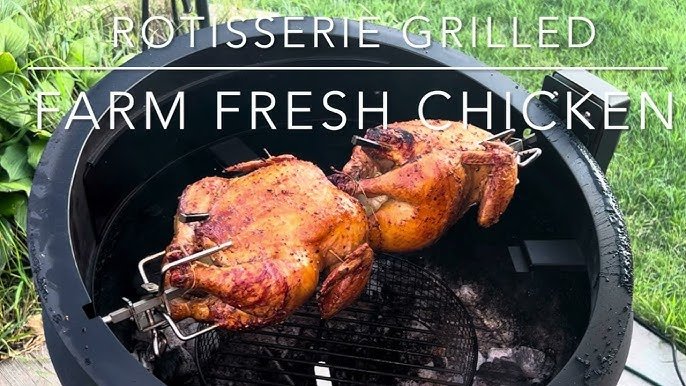
If you love juicy, flavorful chicken with crispy skin, learning how to rotisserie chicken on a Weber grill is a game-changer for your backyard cooking. You might think this technique is complicated, but with the right steps, you can achieve mouthwatering results right at home.
Imagine biting into perfectly cooked chicken that’s tender inside and golden outside, all made on your own grill. Keep reading, and you’ll discover simple tips and tricks to master rotisserie cooking that will impress your family and friends every time.
Your next barbecue just got a whole lot better.

Credit: www.youtube.com
Essential Tools And Ingredients
Getting your rotisserie chicken just right starts with having the right tools and ingredients ready. Without these essentials, even the best technique can fall short. Let’s look at what you need to set yourself up for a perfectly cooked chicken on your Weber grill.
Choosing The Right Chicken
Select a whole chicken that weighs between 3 to 4 pounds. This size fits well on most Weber rotisserie attachments and cooks evenly. Opt for fresh, not frozen, to ensure the skin crisps up beautifully.
Look for chickens labeled “air-chilled” if possible. These tend to have less water retention, which helps the skin get crispier. Also, consider organic or free-range chickens for better flavor and texture.
Have you ever noticed how some chickens shrink a lot during cooking? Choosing the right size minimizes this issue and keeps your meal juicy.
Necessary Grill Accessories
- Rotisserie Kit:Your Weber grill must have a rotisserie motor, spit rod, forks, and counterbalance. These parts hold and rotate the chicken evenly over the heat.
- Drip Pan:Place one under the chicken to catch drippings and prevent flare-ups. It also makes cleanup easier.
- Meat Thermometer:A good digital thermometer helps you monitor the internal temperature without guessing. Aim for 165°F (74°C) for safe, juicy chicken.
- Heat-Resistant Gloves:Handling hot equipment is safer with gloves that protect your hands from burns.
- Basting Brush:Use it to add marinade or butter during cooking for extra flavor and moisture.
Missing any one of these accessories can turn your cooking experience stressful. Have you checked your grill setup before starting? A quick inventory saves time and frustration.
Preparing The Chicken
Preparing the chicken properly is key to a delicious rotisserie meal. Clean and trim the bird to ensure even cooking. Season it well to enhance flavor. These steps set the foundation for a juicy, tasty chicken on your Weber grill.
Cleaning And Trimming
Remove the chicken from its packaging. Take out any giblets or neck inside the cavity. Rinse the chicken under cold water to clean it. Pat dry with paper towels to remove excess moisture.
Trim excess fat and skin around the neck and tail areas. This prevents flare-ups and helps the chicken cook evenly. Tuck the wing tips under the bird to avoid burning. Secure the legs with kitchen twine for stable rotation.
Seasoning For Flavor
Start with a light coat of olive oil to help spices stick. Use a simple mix of salt, pepper, garlic powder, and paprika for great taste. Rub the seasoning all over the chicken, inside and out.
For extra flavor, place fresh herbs like rosemary or thyme inside the cavity. Let the chicken sit for 15–30 minutes to absorb the spices. This step boosts flavor and creates a crispy skin.
Setting Up The Weber Grill
Preparing your Weber grill for rotisserie cooking is key for juicy, evenly cooked chicken. The setup must be done right to keep heat steady and the chicken turning smoothly. Take time to arrange your grill properly before starting the cooking process.
Installing The Rotisserie Kit
Start by attaching the rotisserie motor to the side of the grill. Secure the motor bracket firmly so it does not move during cooking. Next, insert the spit rod through the center of the chicken. Use the forks to hold the chicken tightly in place on the rod. Tighten the screws on the forks to avoid slipping. Finally, place the spit rod into the motor and support bracket. Make sure it spins freely without touching the grill lid or sides.
Adjusting Heat Zones
Set up two heat zones on your Weber grill for even cooking. Turn on the burners on one side to medium heat. Leave the other side off for indirect heat. Position the chicken over the unlit side of the grill. This indirect heat cooks the chicken slowly and keeps it juicy. Check that the grill temperature stays around 350°F (175°C). Use the grill lid to trap heat and smoke, adding flavor to the chicken.
Cooking The Chicken
Cooking the chicken on your Weber grill rotisserie is where patience meets precision. The goal is to achieve juicy meat with crispy skin, all while ensuring the chicken cooks evenly. This requires careful preparation and consistent monitoring throughout the grilling process.
Trussing For Even Cooking
Trussing keeps the chicken compact and balanced, which helps it rotate smoothly on the spit. Use kitchen twine to tie the legs together and secure the wings close to the body. This prevents uneven cooking and keeps the bird from flapping around during rotation.
I once skipped trussing and ended up with a chicken that cooked unevenly—one side was dry while the other was underdone. Don’t make the same mistake; a well-trussed chicken spins like a pro, ensuring every bite is perfectly cooked.
Monitoring Temperature
Temperature control is crucial for rotisserie success. Aim for a grill temperature around 300°F (150°C) to cook the chicken slowly and evenly. Use a meat thermometer inserted into the thickest part of the thigh to check doneness.
Remember, the chicken is ready when the internal temperature hits 165°F (74°C). Resist the urge to guess—overcooking dries it out, and undercooking is unsafe. How often do you check your chicken’s temperature during cooking? Frequent checks help you avoid surprises.
Achieving Perfect Crispiness
Achieving perfect crispiness on a Weber grill rotisserie chicken takes careful control. The skin should be golden brown, crunchy, and full of flavor. Dry heat and slow cooking work together to create this texture. Watch the heat and time closely to avoid burning or drying out the meat. Proper basting enhances the crispiness and keeps the chicken juicy inside.
Balancing Heat And Time
Use medium heat to cook the chicken evenly. Too high heat burns the skin before the inside cooks. Too low heat makes the skin soft and pale. Set the Weber grill to about 300°F (150°C). Cook the chicken for 1.5 to 2 hours. The slow rotation helps brown the skin all around. Check the internal temperature; it should reach 165°F (74°C) for safe eating.
Basting Techniques
Basting adds flavor and helps crisp the skin. Use a mixture of melted butter, oil, and herbs. Brush the chicken every 20 minutes during cooking. Keep the basting light to avoid soggy skin. Avoid opening the grill too often to keep heat steady. Basting seals the skin, locking in moisture and crispiness. Try garlic or lemon juice for extra taste and aroma.
Serving And Carving
Serving and carving rotisserie chicken properly enhances its flavor and texture. It also makes the meal more enjoyable and visually appealing. Taking a few extra minutes to rest and carve the chicken carefully ensures juicy, tender pieces. Let’s explore how to rest and carve your perfectly grilled Weber rotisserie chicken.
Resting The Chicken
Resting the chicken after grilling is crucial. It allows juices to settle inside the meat. This prevents dryness when you cut the chicken.
- Remove the chicken from the grill carefully.
- Place it on a clean cutting board or plate.
- Cover loosely with foil to keep warm.
- Let it rest for 10 to 15 minutes.
Resting helps the meat stay moist and flavorful. Avoid skipping this step for the best results.
Carving Tips
Use a sharp knife for clean, smooth cuts. A dull blade can tear the meat and lose juices.
- Start by cutting off the legs and thighs.
- Separate the drumsticks from the thighs at the joint.
- Next, remove the wings by cutting at their joints.
- Carve the breast meat by slicing it against the grain.
Cutting against the grain makes the meat tender and easy to chew. Arrange the pieces neatly on a platter for an inviting presentation.
Troubleshooting Common Issues
Rotisserie chicken on a Weber grill offers great flavor and texture. Yet, some issues can affect the final result. Common problems like dry meat and uneven cooking may occur. Understanding how to troubleshoot these can improve your grilling experience. This section covers key tips to solve these common challenges and enjoy juicy, evenly cooked chicken every time.
Avoiding Dry Meat
Dry chicken ruins the meal. Keep the chicken moist by following these tips:
- Use a meat thermometer to check the temperature. Stop cooking at 165°F (74°C).
- Marinate or brine the chicken before grilling to add moisture.
- Keep the grill temperature steady and avoid very high heat.
- Baste the chicken with juices or sauce during cooking for extra moisture.
- Let the chicken rest for 10 minutes after cooking. This locks in juices.
Dealing With Uneven Cooking
Uneven cooking leaves some parts raw or overdone. Try these fixes:
- Balance the chicken on the rotisserie spit to ensure even rotation.
- Trim excess fat or skin to avoid flare-ups and hot spots.
- Adjust the grill vents to control airflow and heat distribution.
- Rotate the spit slowly and steadily for uniform cooking.
- Check and move the chicken if one side cooks faster than the other.

Credit: www.reddit.com

Credit: www.howiesartisanpizza.com
Frequently Asked Questions
How Do You Set Up A Weber Grill For Rotisserie Chicken?
Set up your Weber grill for indirect heat by placing coals or burners on opposite sides. Attach the rotisserie spit securely. Maintain a grill temperature of 300-350°F for even cooking and crispy skin.
What Is The Ideal Cooking Time For Rotisserie Chicken?
Cook the rotisserie chicken for about 1. 5 to 2 hours. The internal temperature should reach 165°F in the thickest part. Use a meat thermometer to ensure it’s safely cooked and juicy.
How Do You Keep Rotisserie Chicken Moist On A Weber Grill?
Baste the chicken occasionally with marinade or butter. Maintain steady grill temperature and avoid overcooking. Rest the chicken for 10 minutes after cooking to retain juices.
Can You Use Wood Chips For Extra Flavor?
Yes, add soaked wood chips to the coals for smoky flavor. Use mild woods like apple or cherry. This enhances the taste without overpowering the chicken’s natural flavor.
Conclusion
Rotisserie chicken on a Weber grill tastes delicious and juicy. The slow turn cooks the bird evenly and keeps it tender. Use the right heat and keep checking the temperature. Let the chicken rest before slicing to keep the juices inside.
This method works well for family dinners or special occasions. Try it once, and you might want to cook this way again. Enjoy the smoky flavor and simple cooking process. Your Weber grill can make great meals with just a little practice.
