
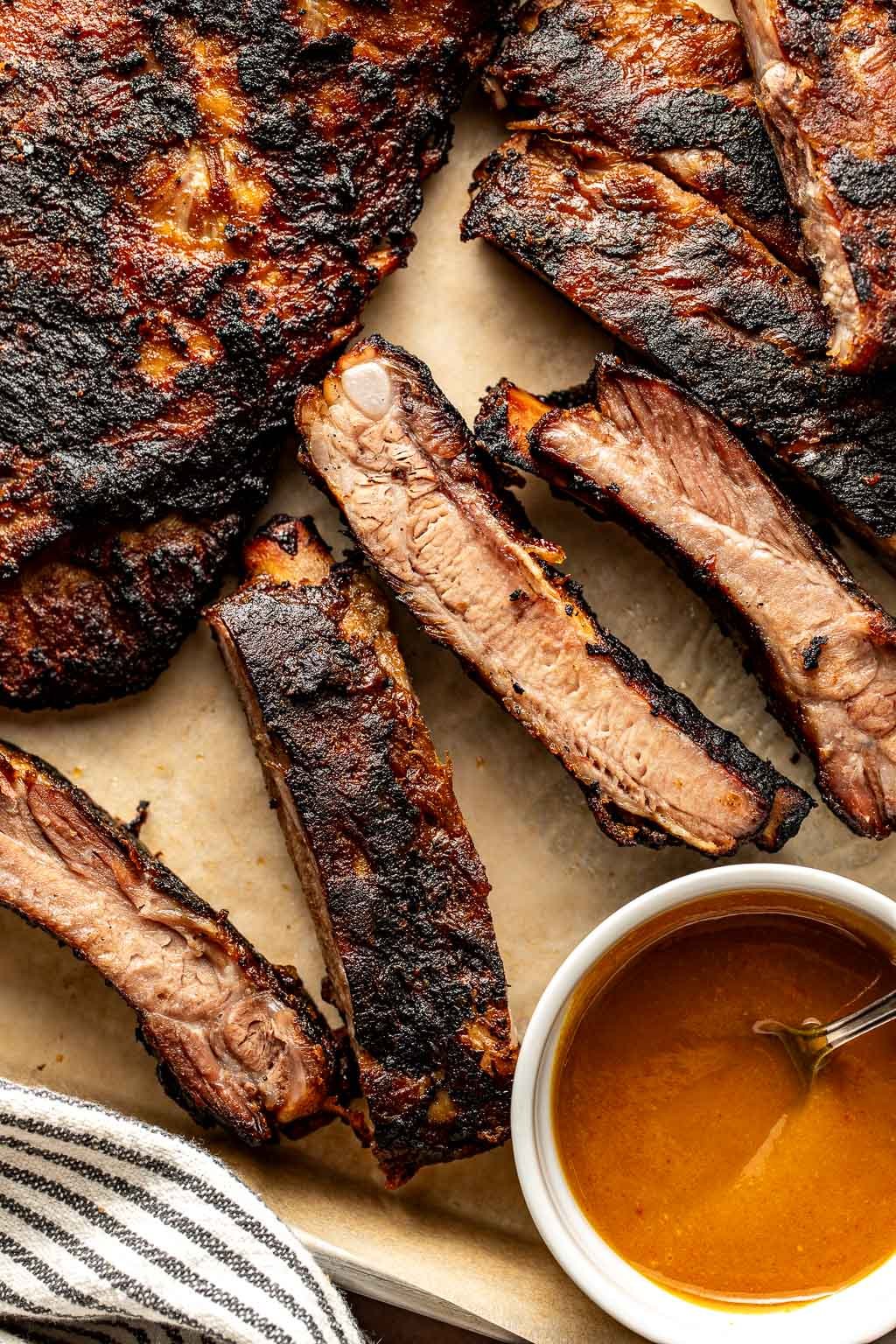
If you love juicy, flavorful pork ribs, learning how to cook them on the grill is a game-changer. Imagine biting into tender, smoky ribs with a perfect char that melts in your mouth every time.
You don’t need to be a grill master or spend hours in the kitchen to get it right. In this guide, you’ll discover simple steps and insider tips that make grilling pork ribs easy and fun. Ready to impress your friends and family with ribs that taste like they came from a top BBQ joint?
Keep reading, because your best grilling experience starts here.
Credit: justcook.butcherbox.com
Choosing The Right Pork Ribs
Choosing the right pork ribs is key to grilling success. Your choice impacts flavor, tenderness, and cooking time. Understanding the differences in types and quality helps you pick ribs that fit your grilling style and taste preferences.
Spare Ribs Vs Baby Back Ribs
Spare ribs come from the belly side of the pig’s rib cage. They have more fat and connective tissue, which makes them rich and flavorful but require longer cooking. Baby back ribs are smaller, leaner, and come from the upper part of the rib cage near the spine. They cook faster and are often more tender.
Think about your grill time and flavor preference. Do you want a meaty, juicy rib that melts slowly? Spare ribs could be your go-to. Want something quick and tender? Baby back ribs might suit you better.
Fresh Vs Frozen Ribs
Fresh ribs usually offer better texture and flavor because they haven’t been through freezing and thawing. However, frozen ribs can still be a great option if you thaw them properly and cook them right. Avoid ribs with freezer burn or excessive ice crystals, as these affect taste and juiciness.
Ask yourself: Are you grilling immediately, or planning ahead? If grilling soon, fresh ribs deliver peak flavor. If not, frozen ribs work fine but require careful thawing—preferably overnight in the fridge.
Selecting Quality Meat
Look for ribs with a good layer of fat but not too thick—this fat keeps the meat moist during grilling. The meat should be firm, pinkish-red, and have a fresh smell. Avoid ribs that look dry, discolored, or have a strong odor.
Check the bone structure too. Well-spaced bones with good meat coverage mean better bites. Remember, the best ribs start with quality meat, so invest time in selecting ribs that feel right to you.

Credit: www.thepioneerwoman.com
Preparing The Ribs
Remove the silver skin from the ribs for tender meat. Season well with salt, pepper, or your favorite rub to add flavor. Let the ribs rest at room temperature before grilling.
Preparing the Ribs If you’re aiming for perfectly grilled pork ribs, preparation is key. The process starts before the ribs even hit the grill. Preparing the ribs properly can make a huge difference in flavor and tenderness.Removing The Membrane
One step often overlooked is removing the membrane from the ribs. This thin, silver skin on the bone side can prevent flavors from penetrating the meat. Use a blunt knife to loosen the membrane at the end of the ribs. With a firm grip, peel it off in one go. It might be tricky at first, but practice makes perfect. Removing the membrane ensures your seasonings and smoke fully infuse the ribs.Trimming Excess Fat
Nobody wants a mouthful of fat when biting into ribs. Trimming excess fat not only enhances flavor but also prevents flare-ups on the grill. Look for thick, white fat deposits and carefully slice them away. Leave some fat for moisture, but aim for a balance. This step helps achieve that perfect, melt-in-your-mouth bite.Applying Dry Rubs And Marinades
This is where you can get creative! A flavorful dry rub or marinade can elevate your ribs to new heights. Pat the ribs dry before applying your chosen seasoning. A simple blend of salt, pepper, paprika, and garlic powder works wonders. Massage it into the meat, ensuring even coverage. If marinating, let the ribs soak for a few hours in the fridge. This gives the flavors time to penetrate deeply, turning your ribs into a crowd favorite. Are you ready to see how these preparations translate into mouthwatering ribs on the grill?Setting Up The Grill
Setting up the grill correctly is key to cooking juicy, tender pork ribs. Preparing the grill takes time but pays off with great flavor. Understanding your grill type and how to control heat helps avoid dry or burnt ribs.
Charcoal Vs Gas Grill
Charcoal grills give smoky flavor that many love. They take longer to heat but create rich, deep taste. Gas grills are faster and easier to control. They keep a steady temperature and clean up well. Both grills work well for ribs. Choose based on your taste and convenience.
Creating Indirect Heat Zones
Indirect heat cooks ribs slowly without burning. On a charcoal grill, push hot coals to one side. Place ribs on the cooler side. For gas grills, turn on burners on one side only. Put ribs on the side with no flame. This method cooks ribs evenly and keeps meat moist.
Maintaining Proper Temperature
Keep grill temperature between 225°F and 250°F for perfect ribs. Use a grill thermometer to check heat. Adjust vents on charcoal grills to control airflow and temperature. Turn gas burners up or down to maintain heat. Consistent temperature cooks ribs gently and locks in juices.
Grilling Techniques
Mastering grilling techniques can transform your pork ribs from ordinary to unforgettable. Each step influences flavor, tenderness, and overall satisfaction. Understanding how to balance heat, smoke, and moisture gives you the control to create ribs that keep your guests asking for more.
Smoking The Ribs
Smoking your ribs adds a deep, rich flavor that grilling alone can’t achieve. Use wood chips like hickory, apple, or cherry to create aromatic smoke. Place the ribs on the cooler side of the grill, away from direct heat, and maintain a temperature around 225°F (107°C).
Keep the grill lid closed as much as possible to trap the smoke. Check occasionally to ensure the wood chips are still smoldering, adding more if needed. Have you tried mixing different woods to find your signature smoke flavor?
Wrapping In Foil
Wrapping ribs in foil, often called the “Texas crutch,” locks in moisture and speeds up cooking. After about 2-3 hours of smoking, wrap the ribs tightly with a splash of apple juice or your favorite marinade inside the foil. This step helps break down the meat fibers and keeps the ribs tender.
Be careful not to wrap too early; you want enough smoke flavor absorbed before sealing. Unwrap the ribs in the last stage of cooking to let the bark firm up. Have you noticed how foil wrapping can turn a dry rib into a juicy one?
Finishing With Sauce
Adding sauce at the end of grilling creates a perfect glaze without burning the sugars. Brush your ribs with barbecue sauce during the last 15-20 minutes of cooking. Keep the grill temperature moderate to allow the sauce to caramelize gently.
Consider layering sauces for complexity—start with a tangy base, then add a sweet or spicy glaze. Do you prefer your ribs sticky or with a light coating of sauce? Adjust the timing and amount to match your taste.
Checking For Doneness
Checking for doneness is crucial when cooking pork ribs on the grill. Properly cooked ribs have a perfect balance of tenderness and juiciness. Overcooked ribs become dry, while undercooked ribs are tough and chewy. Use multiple ways to check doneness for the best results. Visual cues, internal temperature, and tenderness tests all help in knowing when ribs are ready.
Visual Signs
- The meat pulls back from the bone ends.
- The surface shows a caramelized, dark crust.
- Juices appear clear, not pink or red.
- The ribs bend easily without breaking.
Internal Temperature Guide
| Rib Type | Safe Temperature | Ideal Temperature for Tenderness |
|---|---|---|
| Pork Ribs | 145°F (63°C) | 190°F to 203°F (88°C to 95°C) |
Use a meat thermometer to check the temperature in the thickest part. Insert the probe between bones for an accurate reading. Reaching 190°F to 203°F ensures the collagen breaks down well. This results in soft, juicy ribs.
Tenderness Tests
- Pick up the ribs with tongs and gently twist them.
- Ribs should bend and crack slightly but not fall apart.
- Use a toothpick or skewer to test meat softness.
- It should slide in and out with little resistance.

Credit: www.thepioneerwoman.com
Serving Tips
Serving your grilled pork ribs the right way can make all the difference between a good meal and a great one. Paying attention to how you rest, pair, and store your ribs ensures every bite is juicy, flavorful, and satisfying. Let’s dive into some practical tips that will elevate your rib experience.
Resting The Ribs
Resting the ribs after grilling allows the juices to redistribute, keeping the meat tender and moist. I once rushed to cut into my ribs right off the grill and ended up with dry, less flavorful meat—don’t make the same mistake. Let your ribs rest for at least 10 to 15 minutes, covered loosely with foil, before slicing.
This short pause helps lock in the flavors and makes the ribs easier to cut without losing that delicious juice. Trust me, your patience here pays off in every bite.
Pairing With Sides
Think about sides that complement the rich, smoky flavor of your ribs without overpowering them. Classic coleslaw, baked beans, and grilled corn are reliable favorites that add texture and balance. If you want to try something different, a fresh cucumber salad or roasted sweet potatoes offer a nice contrast.
Ask yourself what kind of experience you want—something light and refreshing or hearty and comforting? Pairing your ribs with the right sides can make your meal more memorable and satisfying.
Storing Leftovers
Leftover ribs don’t have to lose their charm overnight. Wrap them tightly in foil or plastic wrap and store them in an airtight container in the fridge. They’ll stay good for up to 3-4 days, perfect for quick meals later in the week.
To reheat, avoid the microwave if you can. Instead, warm them in the oven at 250°F (120°C) wrapped in foil to keep them juicy. Ever tried leftover ribs cold? Sometimes, they’re just as delicious straight from the fridge—worth testing your own preference!
Common Mistakes To Avoid
Grilling pork ribs can be a delicious experience. Mistakes can spoil the taste and texture. Avoid these common errors to enjoy tender, juicy ribs every time.
Overcooking Or Undercooking
Cooking ribs too long makes them dry and tough. Too short cooking leaves them chewy and hard to eat. Use a meat thermometer to check for the right temperature. Aim for about 190°F to 203°F for tender ribs. Keep the heat low and cook slow for best results.
Skipping The Resting Period
Resting ribs after grilling lets juices settle inside. Cutting ribs right away causes juices to run out. This makes the meat dry and less flavorful. Let ribs rest for 10 to 15 minutes before slicing. This step keeps them moist and tasty.
Using Too Much Sauce Too Early
Applying sauce too soon can burn it on the grill. Burnt sauce tastes bitter and ruins the flavor. Apply sauce during the last 10 to 15 minutes of cooking. This helps the sauce caramelize without burning. Use a brush to coat ribs evenly and gently.
Frequently Asked Questions
How Long To Grill Pork Ribs Properly?
Grill pork ribs for 1. 5 to 2 hours over low heat. Maintain a temperature of 225°F to 250°F. This slow cooking ensures tender, juicy ribs with smoky flavor.
What Is The Best Grill Method For Pork Ribs?
Use indirect heat grilling to cook pork ribs evenly. Place ribs away from direct flames, turning occasionally. This prevents burning and allows ribs to cook slowly and absorb smoke.
Should I Marinate Or Dry Rub Pork Ribs?
Dry rubs are preferred to enhance pork rib flavor. They form a savory crust and lock in moisture. Marinating can add flavor but may dilute the natural taste.
How To Know When Pork Ribs Are Fully Cooked?
Check ribs for tenderness by inserting a toothpick. It should slide in easily without resistance. The internal temperature should reach 190°F for perfect doneness.
Conclusion
Grilling pork ribs is easier than it seems. Patience and the right heat make ribs tender and tasty. Use your favorite spices and sauces for flavor. Keep the grill covered to cook ribs evenly. Check ribs often to avoid burning.
Serve hot and enjoy a delicious meal. Try this method for your next barbecue. Simple steps bring great results every time. Happy grilling!
